








Getting to Know Subamia Traditional Village and the Community Life in Subamia Village
Subamia Village is Located in the Tabanan District, Tabanan Regency, Bali Province, Known For it's Quiet Surroundings. The Community in This Village is Recognized For it's Friendliness and Mutual Cooperation.
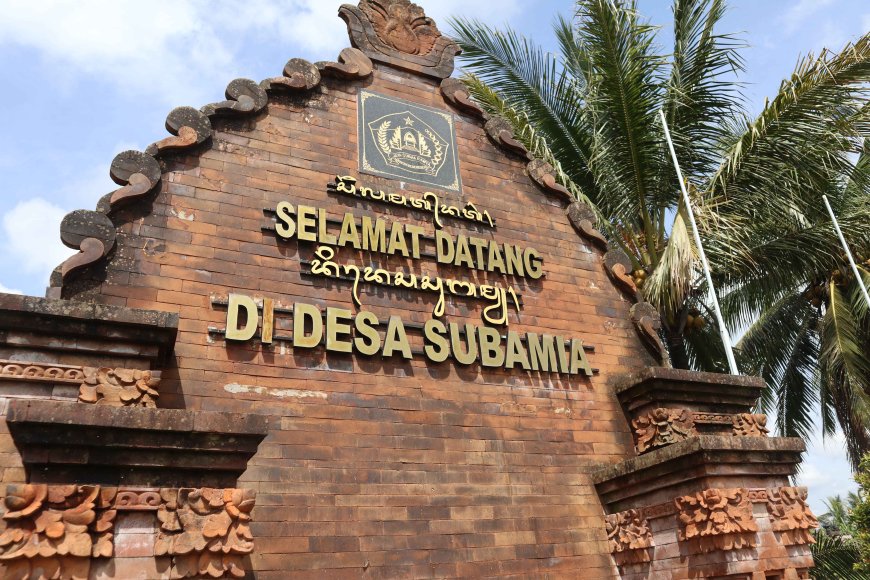
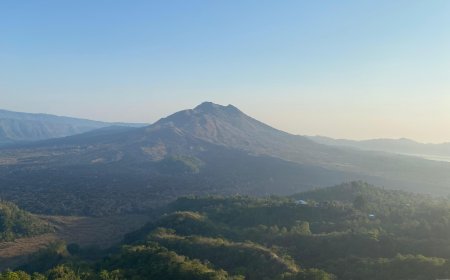
Subamia Village is located in the Tabanan District, Tabanan Regency, Bali Province. This village has not attracted many foreign tourists as it is not as bustling compared to other villages. Additionally, the village is not very large, with an area spanning 2.38 square kilometers.
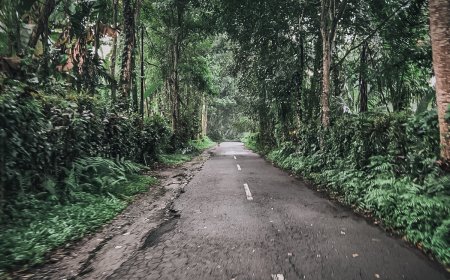
The road access to the village is connected through Pesiapan and Batukaru Road for those who wish to visit or leave Subamia. However, last year, the roads in Subamia were in poor condition, with large potholes and sandy stretches, making it essential for drivers to exercise caution. Fortunately, the road conditions have now been improved, ensuring safe passage for those traversing the village.
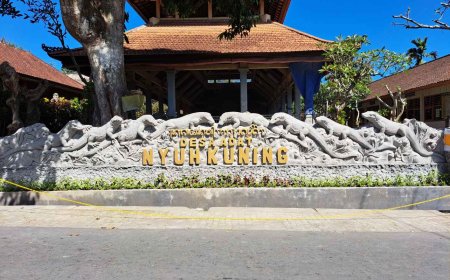
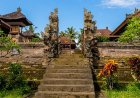
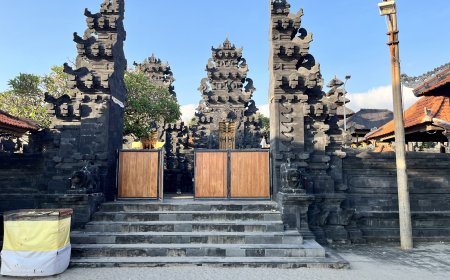
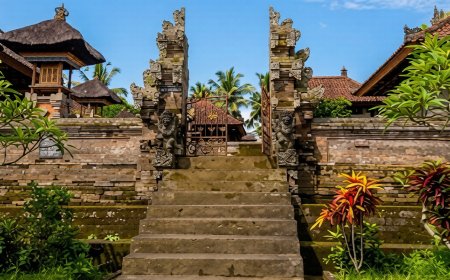
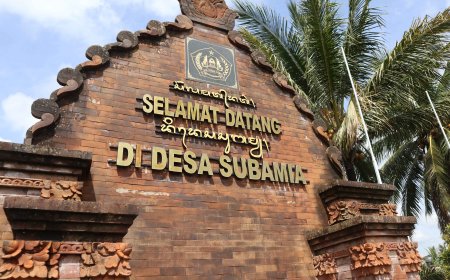
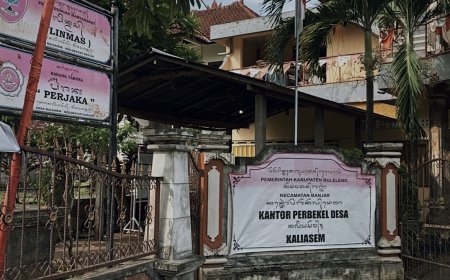
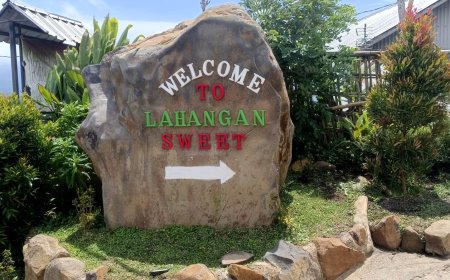
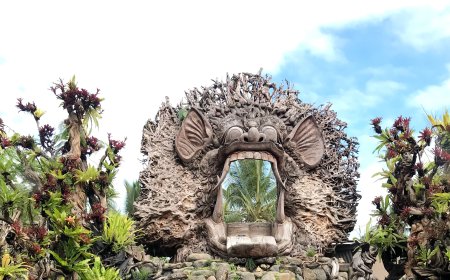
Monument in Subamia Village (Photo Source: Private Collection)
The name "Subamia" is derived from "Suba" and "Ramai", roughly translating to "Already Crowded". Initially, before people inhabited the village, it was quiet, with few residents. As the population gradually increased, the village became more vibrant, leading to the formation of the name "Subamia".
The village is divided into four "banjars": Banjar Subamia Kelong, Banjar Subamia Bale Agung, Banjar Subamia Dencarik, and Banjar Subamia Ambal-Ambal. Each banjar has its own traditional leader.
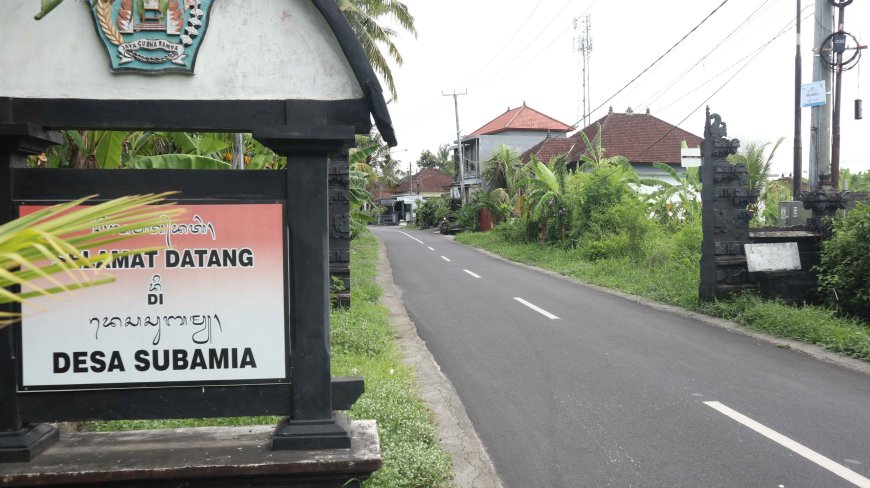
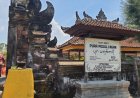
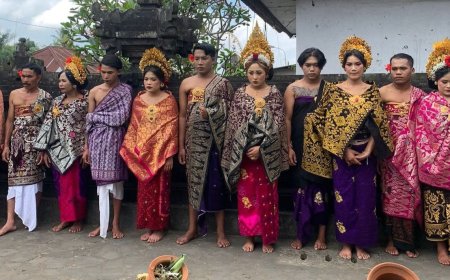
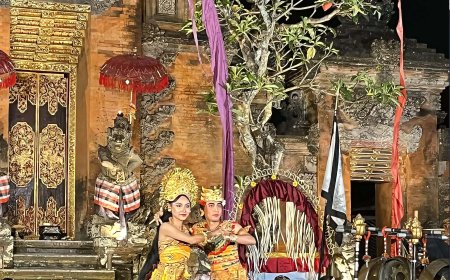
Subamia Traditional Village (Photo Source: Private Collection)
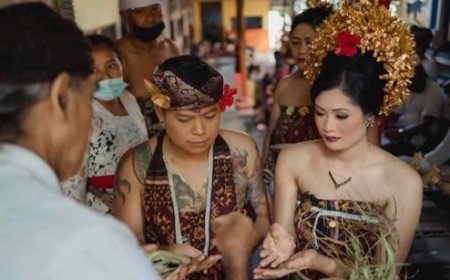
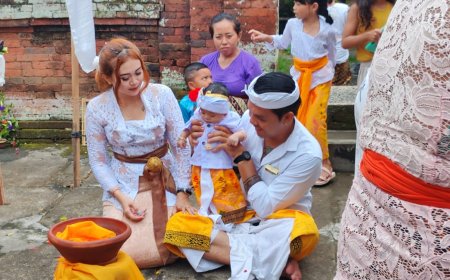
Subamia's community is known for its unity and mutual cooperation during village events. They regularly engage in collective morning prayers, or "mebanten," reflecting their diligence in religious practices. Apart from prayers, they actively participate in village events, with some residents preparing traditional dishes like "lawar" for attendees.
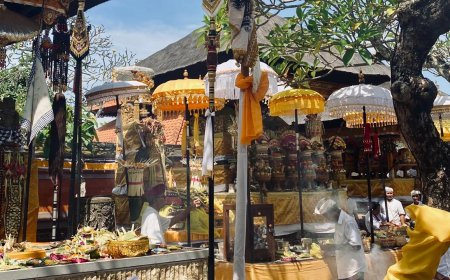
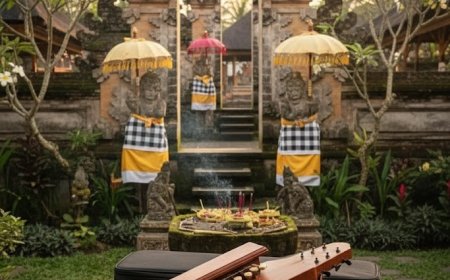
During an interview with the local spiritual leader (mangku dalem) Gusti Ayu Ketut Arianingsih, she shared insights into village life and the presence of four temples: Pura Kahyangan Desa, Pura Kahyangan Puseh, Pura Kahyangan Dalem, and Pura Kahyangan Prajapati. Access to these temples is restricted to individuals who engage in prayers and rituals.
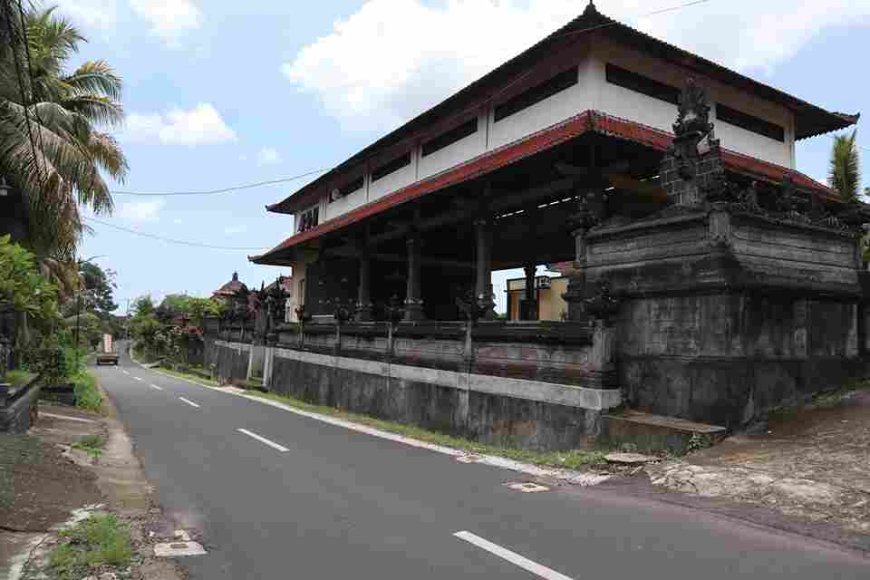
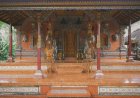
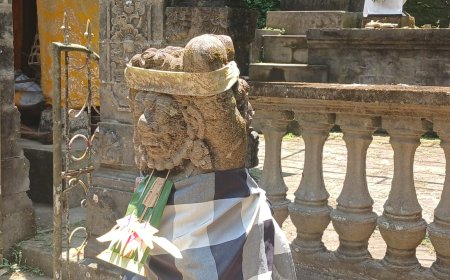
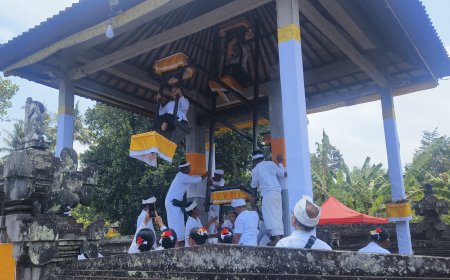
Versatile Bale in Subamia (Photo Source: Private Collection)
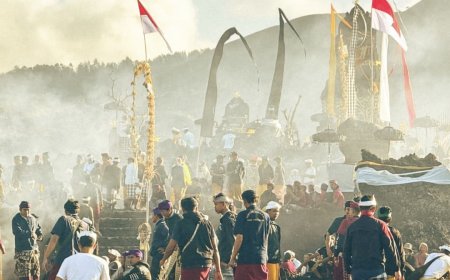
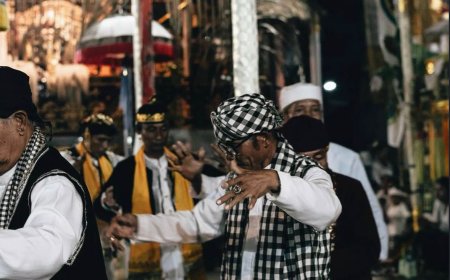
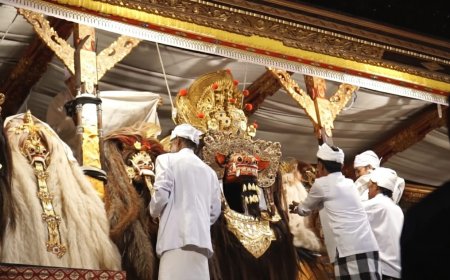
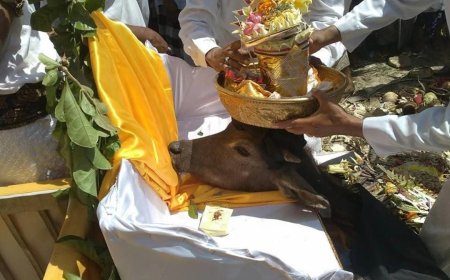
In Subamia, religious ceremonies, such as Galungan, Kuningan, Siwaratri, and other significant Hindu festivals, involve the community in "odalan" and prayers. On Siwaratri, the residents pray collectively from morning until 5 a.m. the next day.
Pura Kahyangan Prajapati and Pura Kahyangan Dalem are considered ominous due to their proximity to burial grounds, known as "Setra".
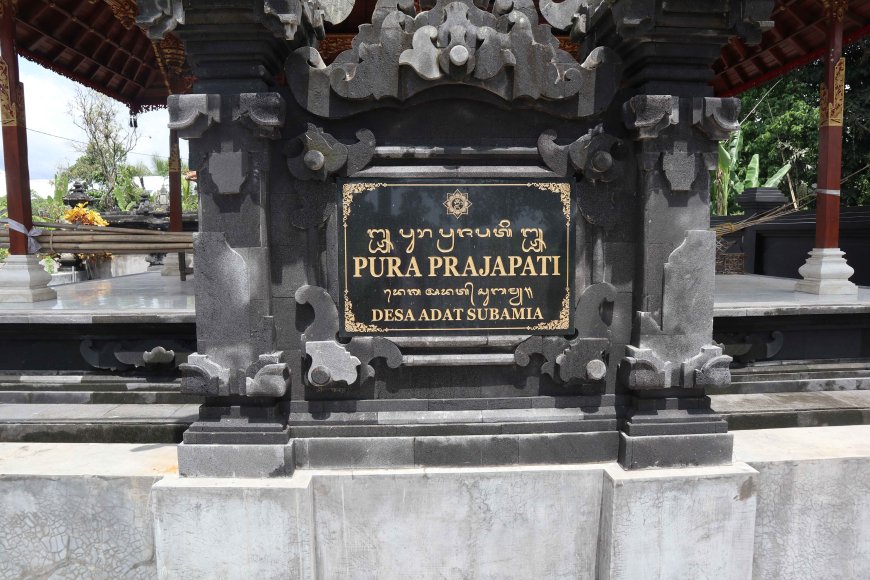
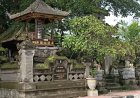
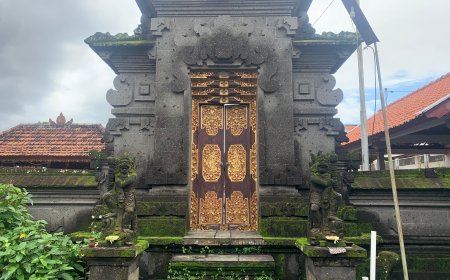
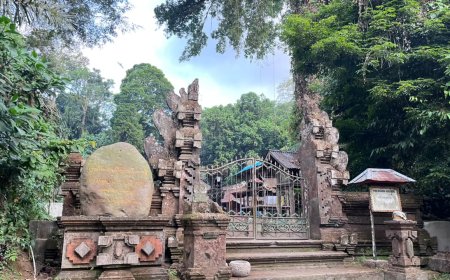
Prajapati Kahyangan Temple of Subamia (Photo Source: Private Collection)
And there are people who perform "melukat" or soul purification at Pura Kahyangan Dalem with the aim of eliminating illnesses within themselves. Typically referred to as "Nebus" by the Balinese community, it involves returning the atma (soul) affected by the disease to Ida Bhatara or God, so that the ailments within their soul can be eradicated. Sometimes, there are individuals in this village who perform melukat at Pura Kahyangan Dalem around midnight.
"Some people undergo 'melukat' at this Pura Kahyangan Dalem, sometimes even doing it at midnight, with the purpose of returning the atma to Ida Bhatara that has been afflicted by illness, so that the illness can be eliminated, or the atma in their body feels lighter". Said Mangku Dalem of Subamia, Gusti Ayu Ketut Arianingsih.
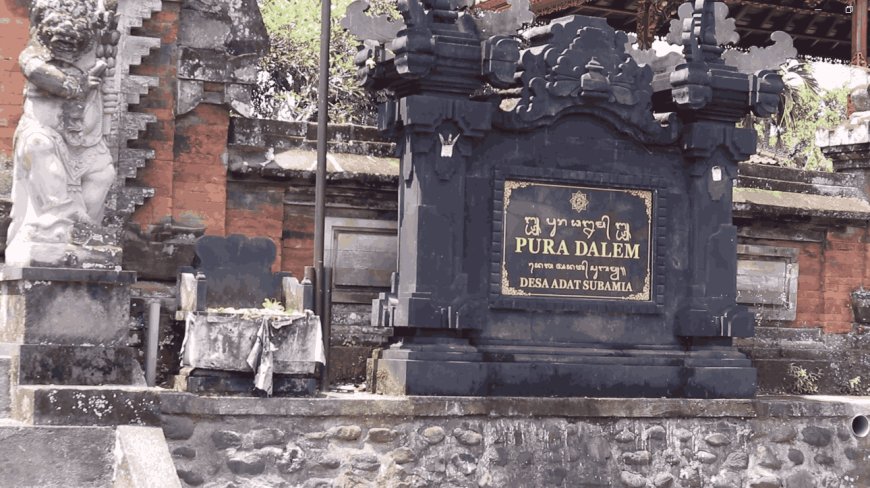
Dalem Kahyangan Temple of Subamia (Photo Source: Private Collection)
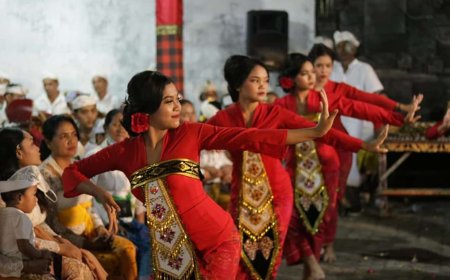
When it comes to traditions, there used to be traditions practiced by the Subamia community, especially among the youth, such as traditional dances and playing the gamelan musical instruments. However, nowadays, only a few engage in playing the gamelan and learning dance, as the youth of today are more inclined to use smartphones or smart devices, leading them to be less motivated to participate in traditional activities.
The rules in Subamia Village are considered quite strict, so anyone intending to engage in criminal activities such as theft, using black magic, or the like, will be pursued by the village authorities. In fact, they may even be expelled from the village if they repeatedly commit criminal acts.
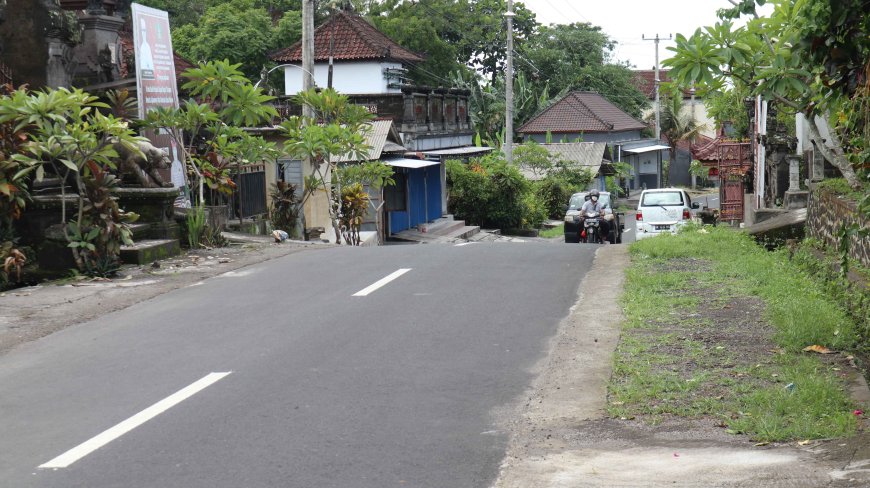
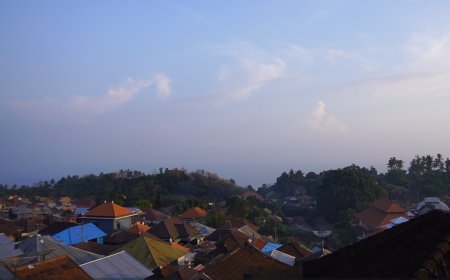
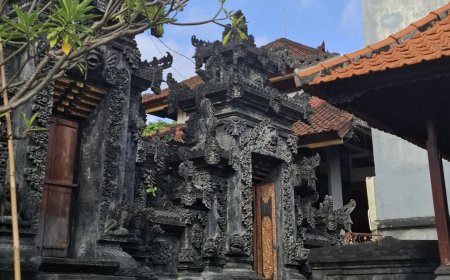
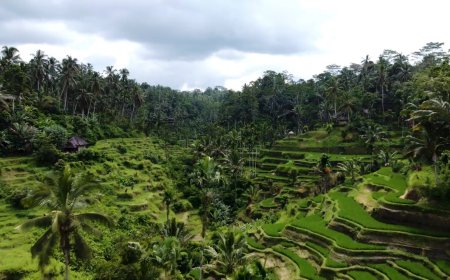
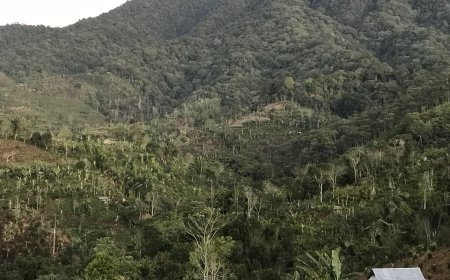
Condition of Subamia Traditional Village (Photo Source: Private Collection)
Mangku Dalem Gusti Ayu Ketut Arianingsih shared stories about recent events in Subamia Village. She mentioned that there have been thefts in the village lately. This is attributed to the village's quiet and less crowded nature compared to other villages, making it often deserted without events or activities. Consequently, items have gone missing in the village, including the sacred water sources at each temple being stolen by irresponsible individuals. To prevent such incidents, the residents of Subamia Village conduct patrols three times a week, aiming to keep the village safe from criminals attempting unlawful activities.
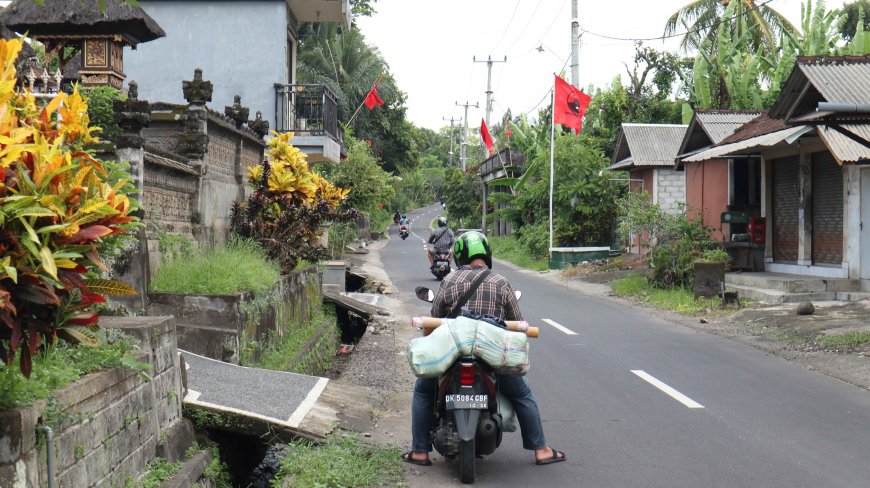
Travelers Passing Through Subamia Traditional Village (Photo Source: Personal Collection)
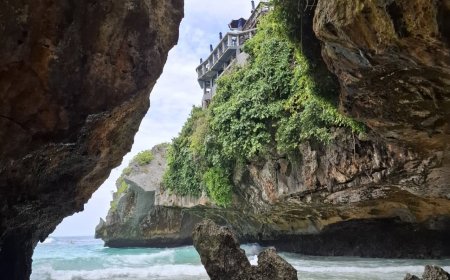
Although this village boasts breathtaking natural beauty in a serene atmosphere, the quietness does not necessarily guarantee safety from criminal activities. Criminals may take advantage of the quiet surroundings when there are no people around the village.