















Exploring the Beauty and Mystery of Natar Jemeng Temple: Megalithic Cultural Heritage in Pinge Traditional Village, Bali
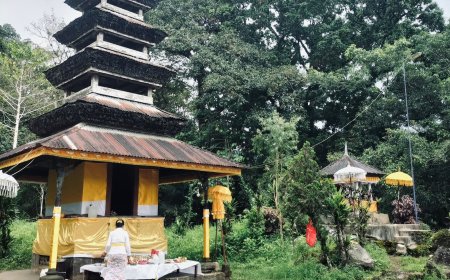
Bali is famous for its cultural richness and natural beauty. One cultural aspect that attracts the attention of tourists is the Hindu temple or holy place. Bali has thousands of temples spread across the island, from large, iconic temples such as Besakih Temple, Tanah Lot Temple, and Uluwatu Temple, to small temples in the middle of villages or on the side of the road. One of the temples that has high historical and cultural value in Bali is Pura Natar Jemeng. This temple is a silent witness to the development of Balinese beliefs and civilization from the megalithic era until now. This temple is also a tourist attraction that offers the uniqueness and authenticity of Balinese culture.

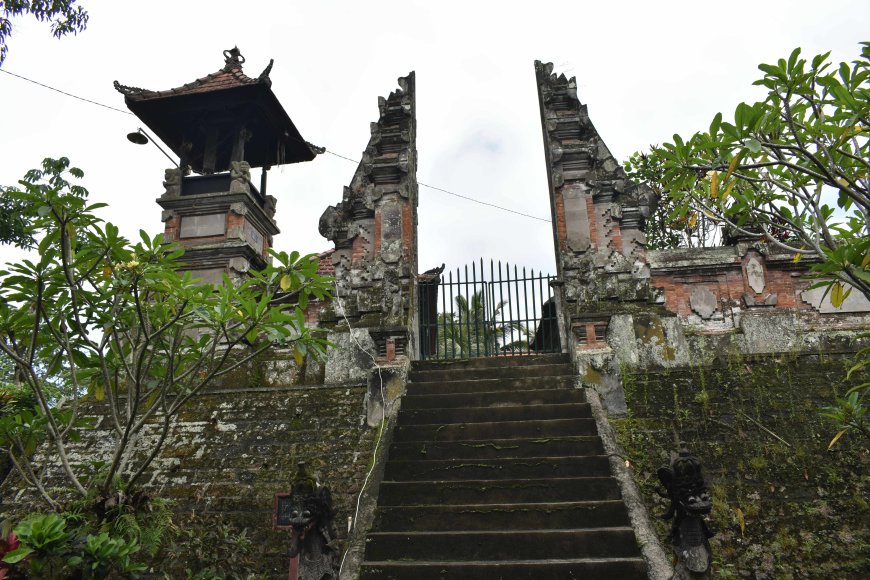
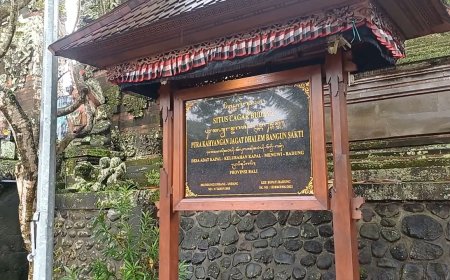
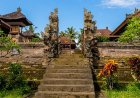
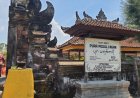
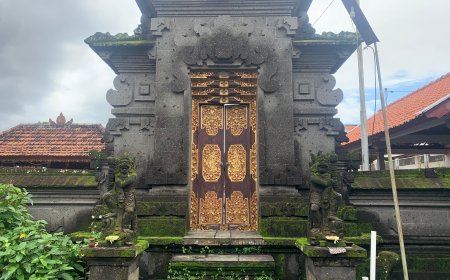
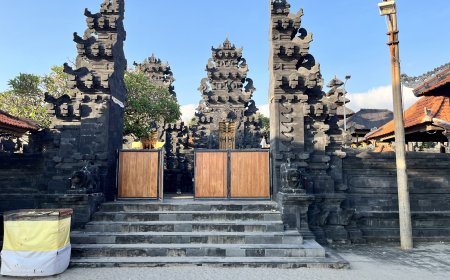
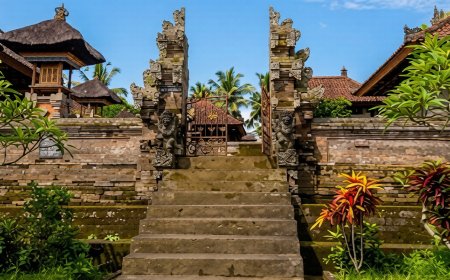
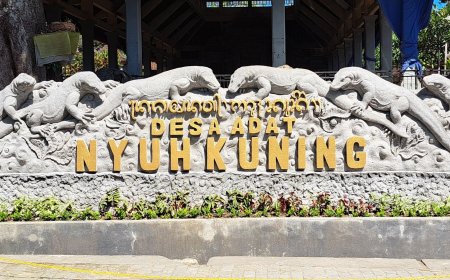
Pura Natar Jemeng is one of the temples located in the Pinge Traditional Village, Marga District, Tabanan Regency, Bali. This temple is a temple with the status of Dang Kahyangan, which means a temple founded by Hindu sages or priests in the past.
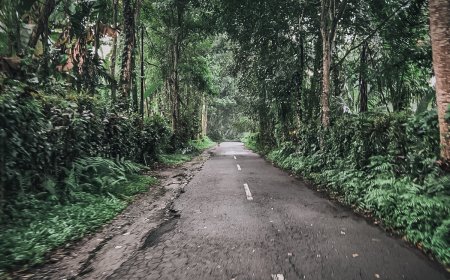
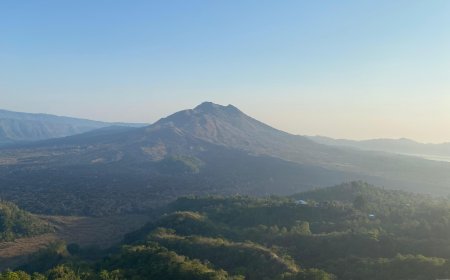
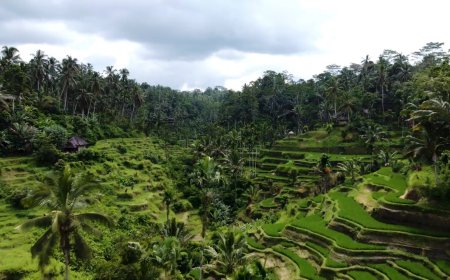
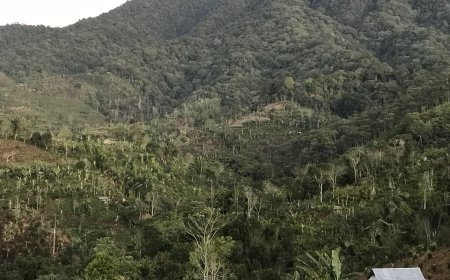
Natar Jemeng Temple is at an altitude of 500 meters above sea level. The distance is about 17 km from Tabanan City, the capital of Tabanan Regency. To reach this temple, tourists have to go through a winding and uphill road, but will be treated to green and beautiful natural views. This temple is located at the tip of the northern Pinge Traditional Village, which is one of the tourist villages in Bali that displays the authenticity of the culture and traditions of the local community.
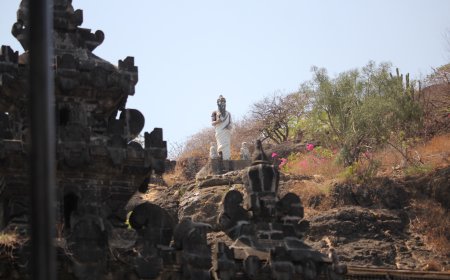
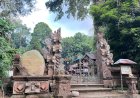
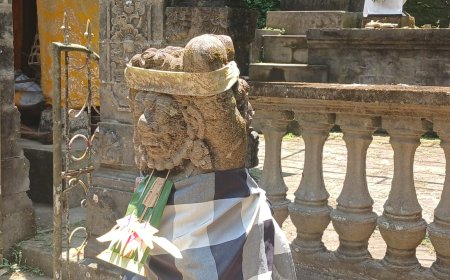
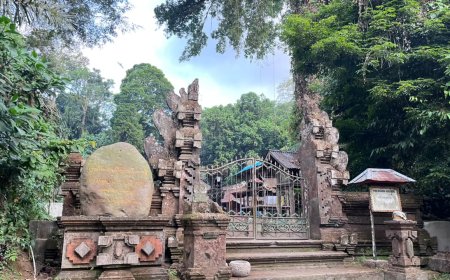
Natar Jemeng Temple has a long and mysterious history. This temple holds many historical relics which are thought to originate from the megalithic era, namely the Great Stone Age. In this temple area, many ancient objects were found, such as linga yoni, statues, menhirs and temple fragments. These objects show the influence of totemism, namely belief in natural objects that are thought to have supernatural powers.
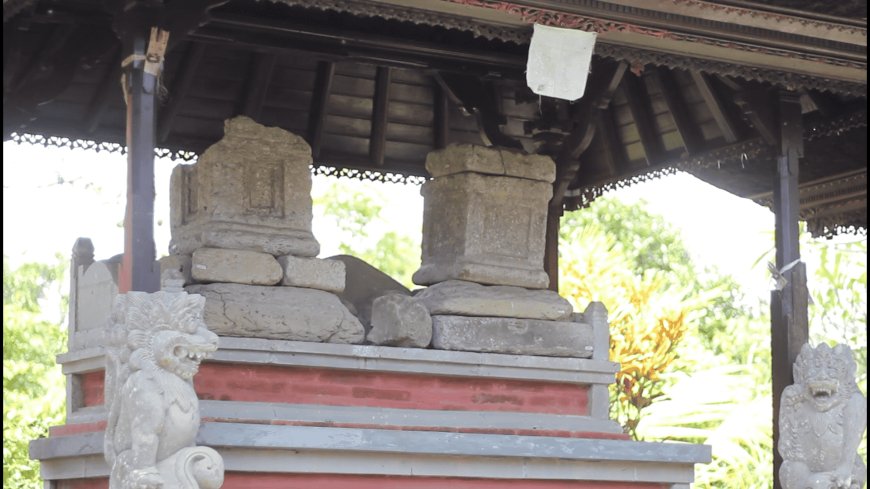
Statues in the Natar Jemeng Temple (Source : Author's Collection)
According to stories passed down from generation to generation, it is said that the Pinge Traditional Village area was once empty land. Near this temple, there is a very large and fragrant white cempaka tree. The word "Pinge" itself means "white" in Balinese. King Agung Jero Gede Marga, who ruled in this area, smelled the fragrant smell of the cempaka tree and sent Gusti Ngurah Geluntung to look for the source. Gusti Ngurah Geluntung then found ancient objects under the cempaka tree and reported them to the king. The king then ordered to build a temple at that place and named it Pura Natar Jemeng.
This temple is one of the ancient rites, which means it is a temple that has historical remains that are still well preserved today. Therefore, this temple was designated as a Cultural Heritage by the Bali Province Cultural Heritage Conservation Center (BPCB).
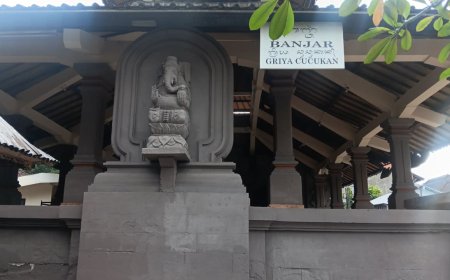
This was done to protect and preserve the historical objects in this temple. These ancient relics have various shapes and styles, which shows that the temple was influenced by various kingdoms and dynasties that once ruled Bali. Some of the ancient relics have characteristics from the Majapahit kingdom, such as the statue of Durga Mahisasuramardini. Some of these ancient relics also have characteristics of the ancient Balinese kingdom, such as the linga yoni, which is a symbol of God Shiva and Goddess Parwati.
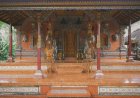
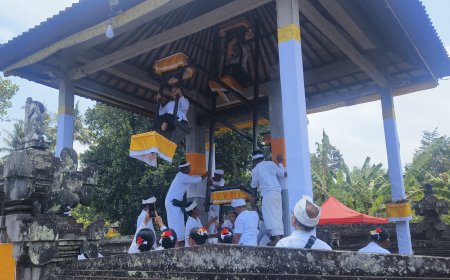
The ancient relics were originally found scattered underground in groups. To prevent the relic from becoming easily damaged and brittle, the people of Pinge Traditional Village then lifted and placed the relic on a protective bale, which was built in 1985 with presidential assistance. The shape of the remains is not changed, but is arranged according to the initial findings, although sometimes the shape does not match.
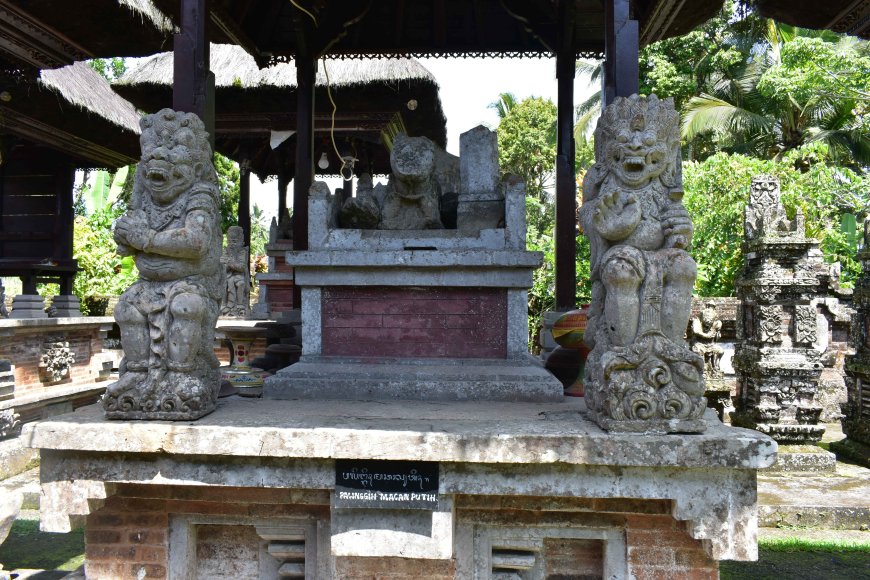
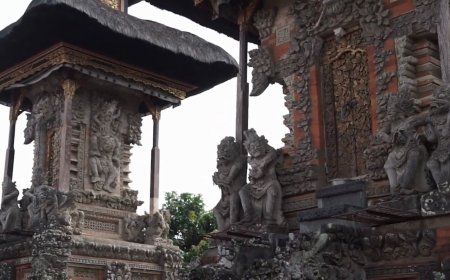
Palinggih Macan Putih In Natar Jemeng Temple (Source : Author's Collection)
This temple has also become a tourist attraction along with the development of the Pinge Traditional Village as a tourist village. Tourists who visit this village can visit this temple and see firsthand the rare and valuable megalithic relics. However, tourists must respect the customs and rules that apply at this temple, such as using cloth and scarves and not disturbing ceremonial activities that may be taking place.
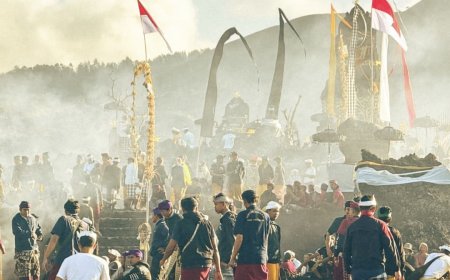
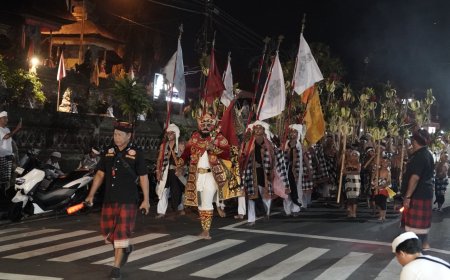
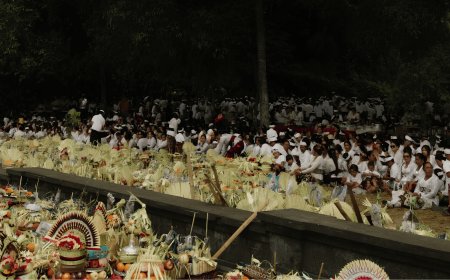
Natar Jemeng Temple can be visited at any time, but it is best to avoid major Hindu holidays, such as Galungan, Kuningan and Nyepi, because this temple will be filled with Hindus who come to pray. Tourists must also pay attention to the ceremony schedule which may vary each year. The Natar Jemeng Temple piodalan ceremony is held every 210 days, more precisely at Buda Cemeng Merakih, by all residents of the Pinge Traditional Village.
To reach Natar Jemeng Temple, tourists can use private vehicles, such as cars or motorbikes, or use public transportation services, such as buses or public transportation. If using private vehicles, tourists can follow the directions to Marga District, then to Baru Village, and then to Pinge Traditional Village. If using public transportation, tourists can take a bus or angkot from Mengwi Terminal or Tabanan Terminal to Marga District, then get off at Baru Village and take a motorbike taxi to Pinge Traditional Village. Near this temple, there is a fairly large and safe parking area. Tourists can also find several stalls and shops selling food, drinks and souvenirs. By visiting this temple, tourists can learn and appreciate the ancestral heritage which is still preserved today.