











Pura Penataran Agung Pucak Bon: The Sacred Legacy of the Fragrance Miracle of Dang Hyang Dwijendra, the Saint Who Was Falsely Accused of Sorcery
Pura Penataran Agung Pucak Bon, located in Petang, Badung, is a historical temple that dates back to the 10th–14th centuries. This sacred site witnessed the spiritual journey of Dang Hyang Dwijendra, who once faced false accusations of practicing black magic but ultimately proved his holiness through a miraculous event marked by a divine fragrance. To this day, the temple is preserved and revered as both a historical monument and a center of Hindu spirituality in Bali.

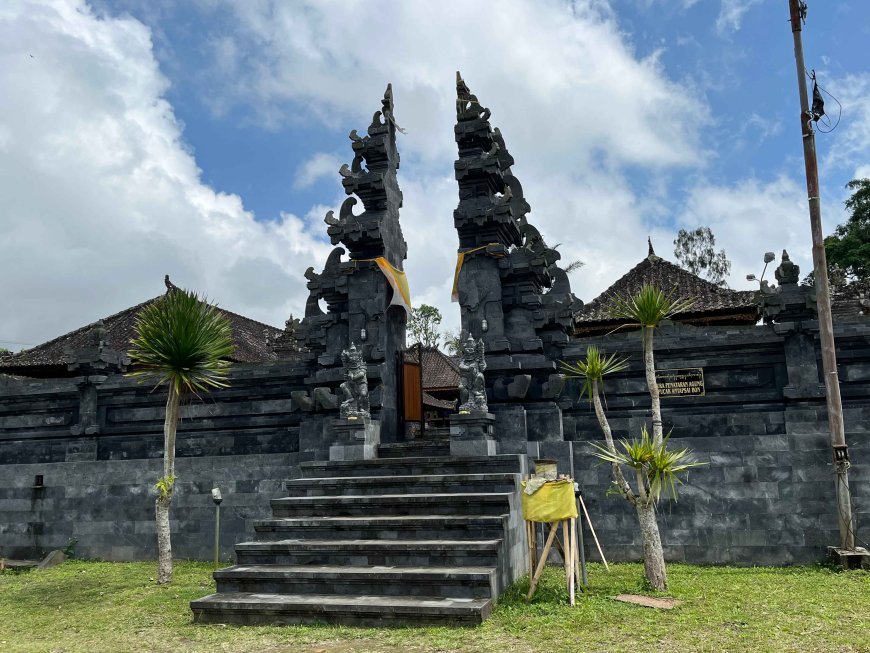
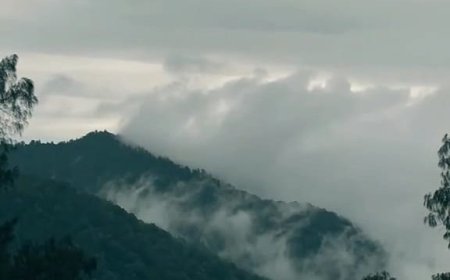
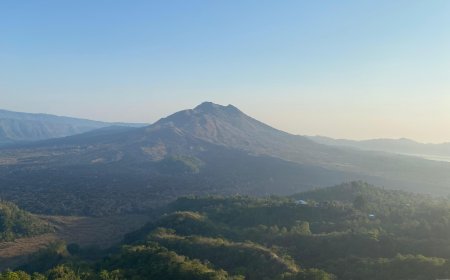
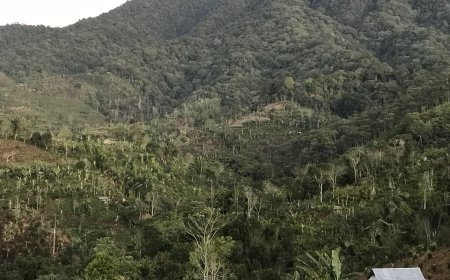
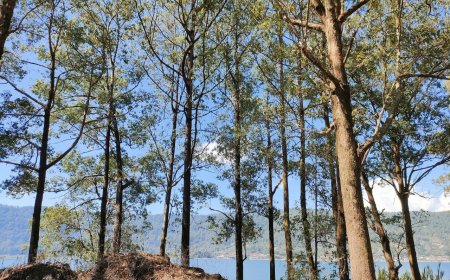
Pura Penataran Agung Pucak Bon stands in Banjar Adat Bon, Belok Sidan Village, Petang District, Badung Regency. It is majestically situated at an altitude of around 1,400 meters above sea level, making it one of the temples with the most stunning mountain panoramas in Bali. Since ancient Balinese times, this region has been believed to possess powerful magical and spiritual energy. The ancestors built temples on mountain peaks as expressions of devotion to the forces of the universe and the balance of the cosmos. Its pristine natural surroundings strengthen the belief that this site serves as a meeting point between humanity and the divine.

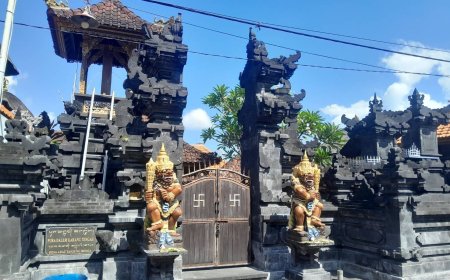
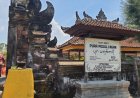
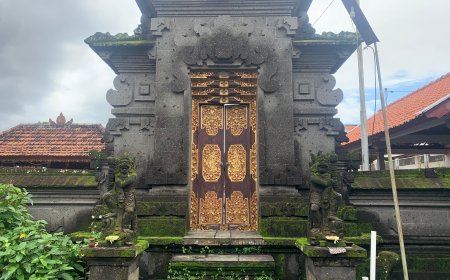
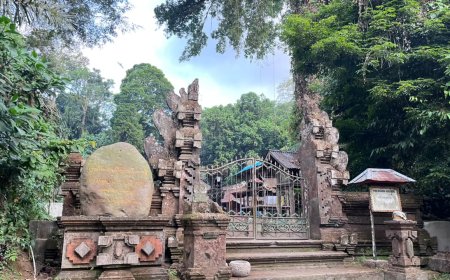
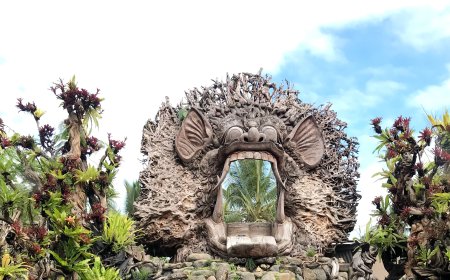
Main Gate of the Temple (Source: Personal Collection)
A revered holy figure who left his spiritual mark at Pucak Bon is Dang Hyang Dwijendra, also known as Ida Pedanda Sakti Wawu Rawuh. He visited the area as part of his pilgrimage to spread the teachings of dharma across Bali. During his stay in Pucak Bon, he faced a trial in the form of a false accusation of using sorcery by those who opposed his growing influence. The slander was meant to tarnish his spiritual authority in the eyes of the people. However, rather than diminishing his honor, the event only strengthened his divine reputation, as his spiritual power remained unshaken. This incident became one of the defining stories in the history of Pura Penataran Agung Pucak Bon.
A sacred miracle occurred during this false accusation. At that moment, Dang Hyang Dwijendra’s body radiated a heavenly fragrance that spread throughout Pucak Bon, astonishing everyone who experienced it. This event was seen as divine proof of his purity and the falsity of the accusations. The sweet fragrance was no ordinary scent but a manifestation of divine grace affirming the truth of dharma. This story continues to be preserved in the oral traditions of Balinese Hindus, symbolizing the triumph of holiness and truth over deceit and malice.

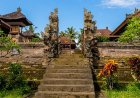
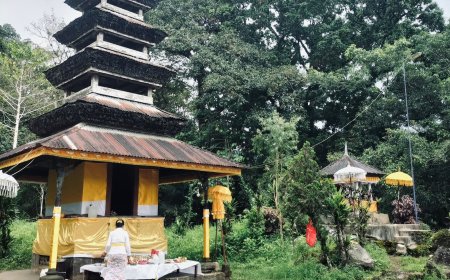
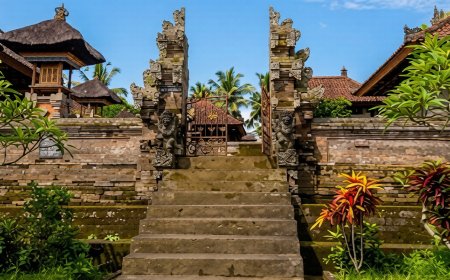
Architecture of Pura Penataran Agung Pucak Bon (Photo Source: Personal Collection)
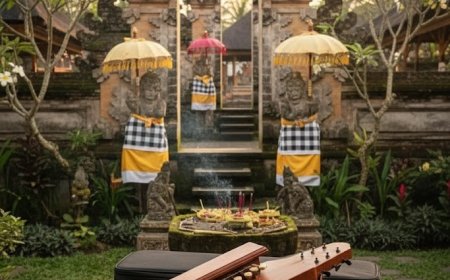
The temple’s historical legacy is most evident in its traditional Balinese architecture, particularly its tiered and terraced layout. The temple’s layered structure, ascending from the base to the mountain peak, symbolizes the spiritual journey of humans toward ultimate enlightenment. Each level represents a stage of purification that devotees must pass through during their prayers. Beyond its religious function, the architectural design embodies the Balinese cosmological philosophy that emphasizes harmony among humans, nature, and God. The integration of sacred structures with the mountainous environment transforms the temple into not only a place of worship but also a living monument of Bali’s ancestral spirituality and cultural sophistication.

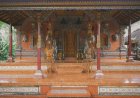
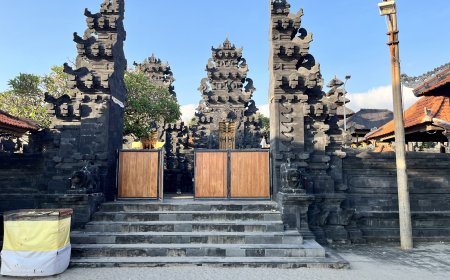
Main Courtyard of Pura Penataran Agung Pucak Bon (Photo Source: Personal Collection)
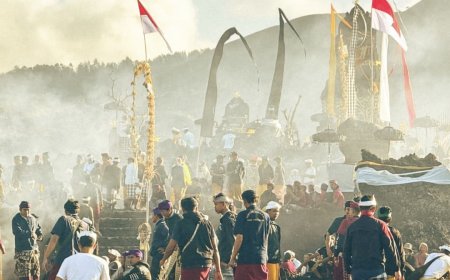
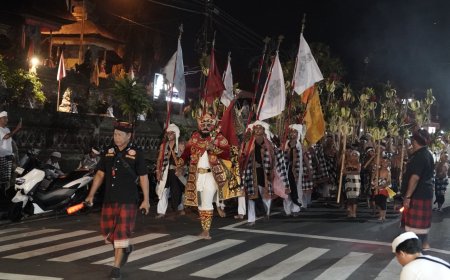
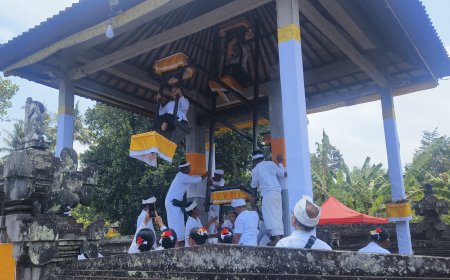
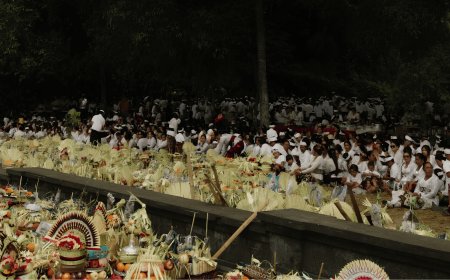
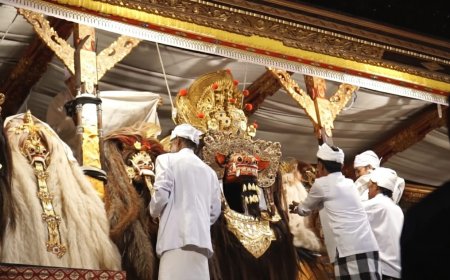
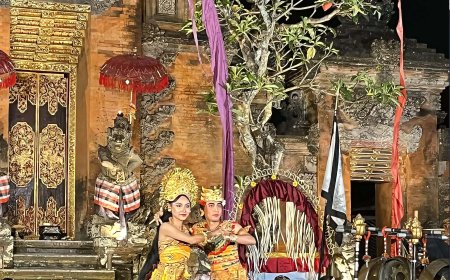
Today, Pura Penataran Agung Pucak Bon continues to be preserved due to its immense historical and spiritual significance. The local adat (customary) community and temple caretakers (pengempon) have inherited the duty of maintaining it from generation to generation. The temple’s piodalan (ceremonial anniversaries) are still held three times a year, during Purnamaning Kasa, Kawulu, and Kesangam drawing thousands of worshippers from various regions. Each ceremony follows a distinctive tradition that forbids the use of red-colored ceremonial items, a sacred custom passed down from the ancestors and strictly observed to this day. This unique rule demonstrates the deep connection between history, tradition, and the spiritual devotion of the Balinese people.
In conclusion, Pura Penataran Agung Pucak Bon stands as both a historical monument and a spiritual sanctuary. The story of the divine fragrance that emanated from Dang Hyang Dwijendra during his false accusation serves as a timeless symbol of purity and truth prevailing over adversity. The temple’s history is not merely a relic of the past but also a moral compass that continues to guide devotees to uphold dharma. To this day, Pucak Bon remains a silent witness to the enduring legacy of faith, spirituality, and the sacred teachings of dharma in Bali.