











Bondalem Through Time: Traces of Culture, Sea, and Civilization
Discover the story of Desa Bondalem in Buleleng, an ancient port that has witnessed the fusion of culture, sea, and trade. Explore the golden era of Bondalem as a key maritime hub in North Bali, from the interactions of traders to the enduring local wisdom that still lives on today. Journey through 'Tempo Doeloe' in Desa Bondalem and uncover the traces of civilization that shaped it. This article reveals that Bondalem is not just an ordinary fishing village, but a strategic port where various cultures met through maritime trade routes. We delve deeply into how maritime culture, community cooperation, and historical interactions with foreign traders have created a unique identity that has endured to this day. Learn how the village preserves its ancestral heritage amidst the forces of modernization.

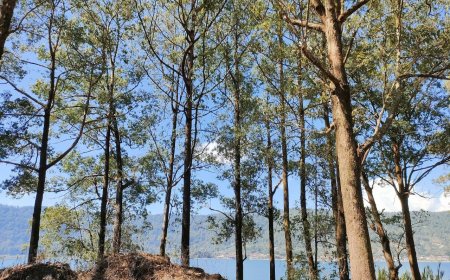
Bondalem Village, located on the northern coast of Bali Island in Tejakula District, Buleleng Regency, is one of the coastal villages that holds a long and rich story about a resilient maritime community and its deep cultural heritage. Since ancient times, the sea has played an essential role in the lives of Bondalem’s residents, serving both as their main source of livelihood and as a defining part of their identity and way of life. From the sea emerged various traditions, customs, and values that have shaped the character of the community to this day.
The history of Bondalem is not only reflected in the physical remains that still exist but also lives on through oral stories passed down from generation to generation, traditional ceremonies that continue to be practiced, and the daily lives of its people who uphold unity and local wisdom. Through its long journey, Bondalem has become a witness to the development of coastal life in North Bali, forming a harmonious relationship between humans, culture, and the sea that remains inseparable from their existence.

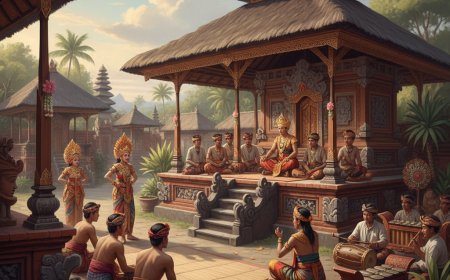
AI Illustration of the background and naming of Desa Bondalem (Source: Personal Collection)
The name “Bondalem” is believed to come from two words: bonda and lem. In ancient Balinese, bonda means foundation or base, while lem means calm or peaceful. Combined, the name Bondalem represents a place built upon peace and harmony, reflecting the character of its people who have long lived in unity along the seaside.
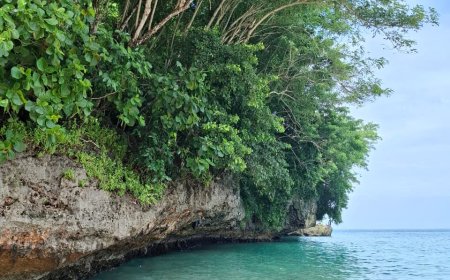
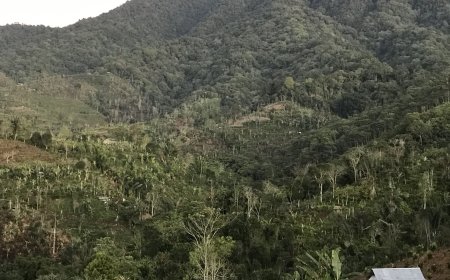
According to oral traditions passed down through generations, Bondalem was once a region surrounded by dense forests and served as a settlement for fishermen and sailors who came from various parts of North Bali. They chose this coastal area because of its calm seas and abundant fish resources. Over time, the small settlement grew into a vibrant village, bustling with activities such as fishing, salt making, and inter-island trading, which eventually shaped Bondalem’s identity as a prosperous and lively coastal village.
.

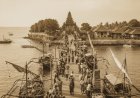
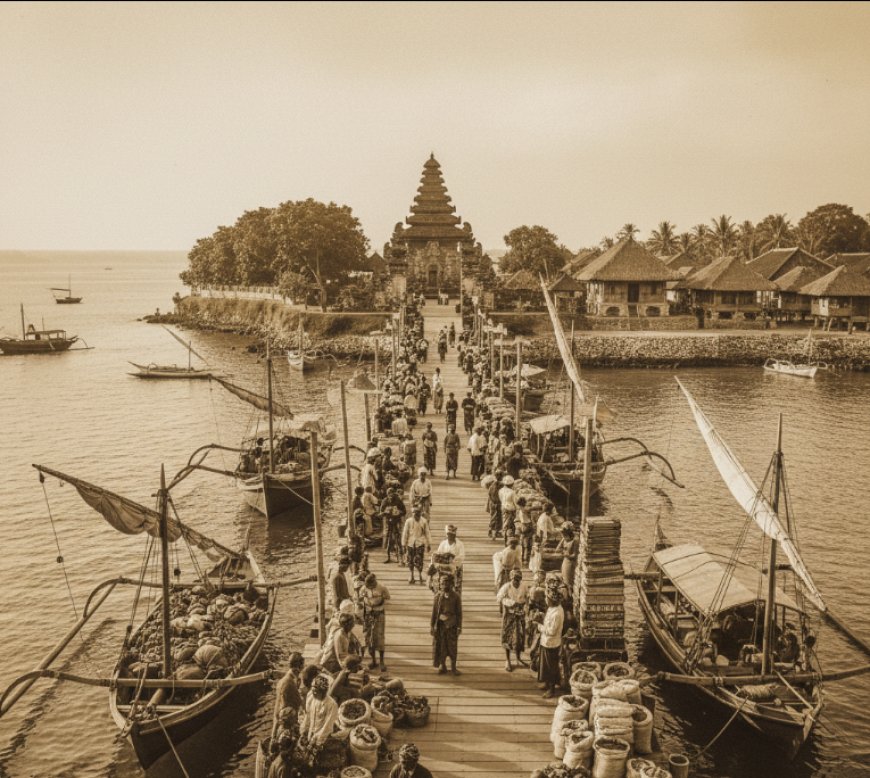
AI Illustration of Bondalem Port "Tempo Doeloe" (Source: Personal Collection)
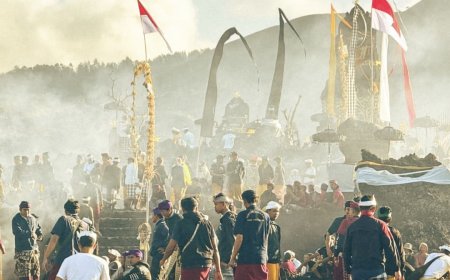
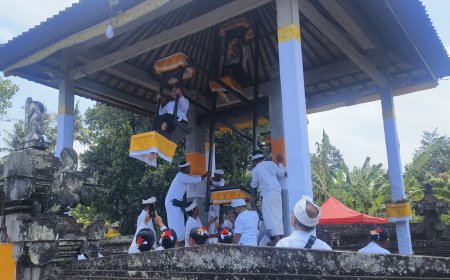
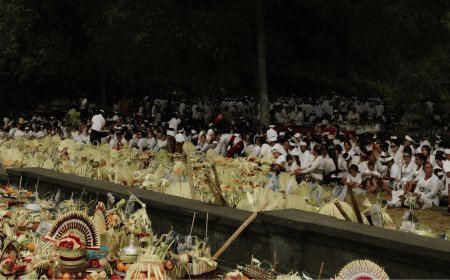
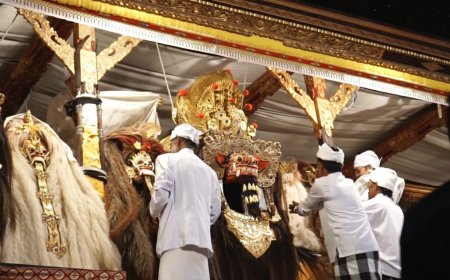
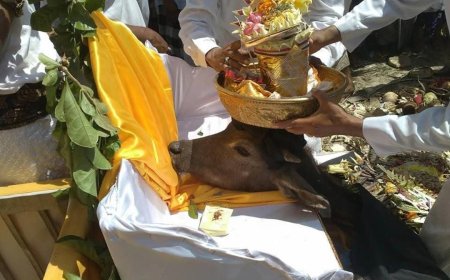
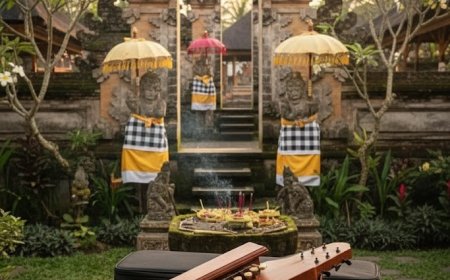
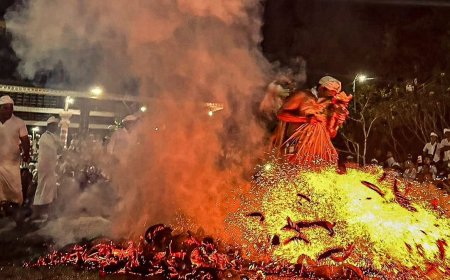
For the people of Bondalem in the past, the sea was not merely a vast stretch of salt water that provided a livelihood, but also an essential part of their spiritual life. The sea was regarded as a sacred realm where natural forces resided and therefore had to be respected and honored. For this reason, even today, the Bondalem community continues to perform traditional ceremonies connected to the sea, such as Melasti, Ngusaba Segara, and Mapag Toya.
These rituals express both gratitude and reverence toward the sea as a source of life. Moreover, the community follows unwritten rules regarding the timing and methods of fishing, known as Awig-Awig Laut. This system represents a form of local wisdom that maintains the balance between humans and nature.
In the past, Bondalem fishermen sailed using traditional boats called jukung and sampan, equipped with sails sewn from locally woven fabric. They would set out before dawn, navigating the waves under the starlit sky, and return by midday with catches of tuna, skipjack, and various reef fish. This daily rhythm of going to sea and returning home became an inseparable part of the community’s identity, reflecting the bond between the people of Bondalem and the ocean.

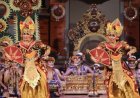
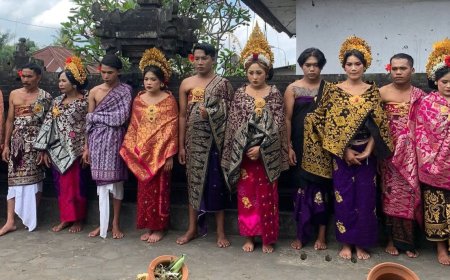
AI Illustration Diversity of Bondalem Village (Source: Personal Collection)
During the era of ancient Balinese kingdoms such as Gelgel and Buleleng, the northern coast of Bali served as an important trade route connecting the island with other parts of the Indonesian archipelago. With its strategic coastal location, Bondalem played a key role as a people’s harbor, where traders from Java, Lombok, Sumbawa, and even Makassar would stop to exchange goods. The main commodities traded were marine products such as dried fish, salt, and shrimp paste (terasi), which were renowned for their high quality beyond Bali. In return, the traders brought textiles, metal goods, farming tools, and spices. This exchange of goods made Bondalem’s people known as an open-minded coastal community, receptive to outside influences in terms of economy, language, and culture. Traces of this trading relationship can still be found today in traditional boats, houses facing the sea, and local vocabulary that reveals the influence of other regions beyond Bali.
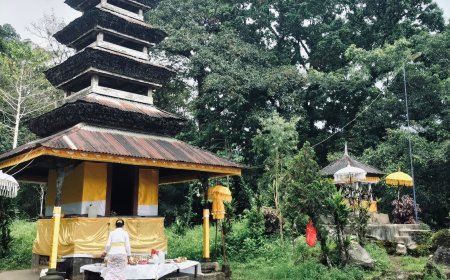
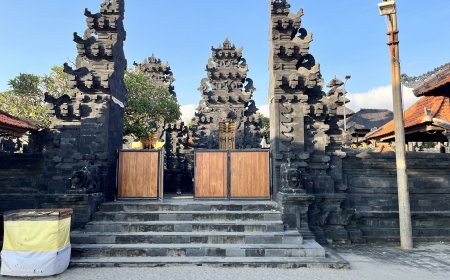
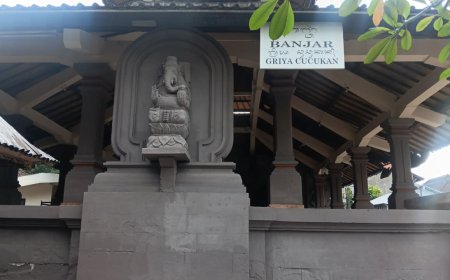
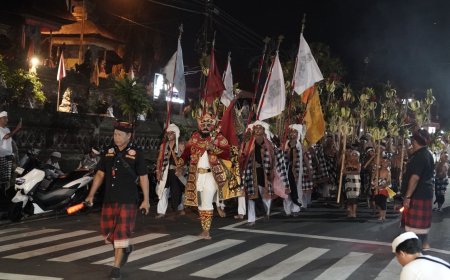
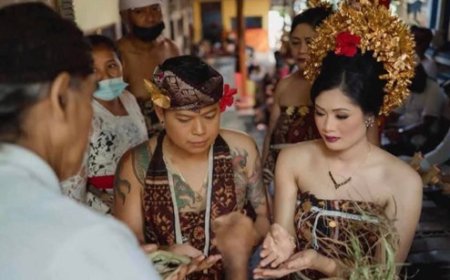
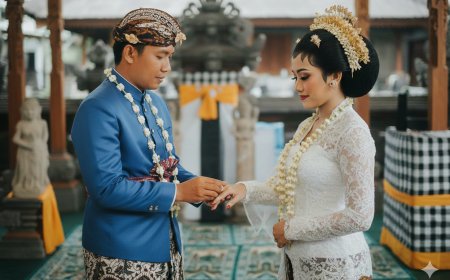
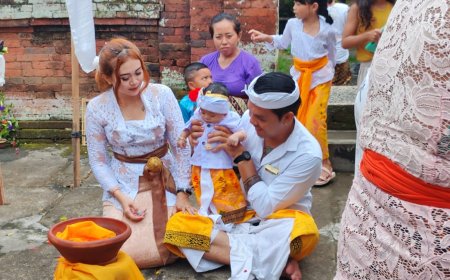
In addition to its reputation as a fishing and trading village, Bondalem is also known for its rich cultural heritage. The people uphold traditions and customs with deep respect, performing ceremonies for nearly every life cycle event—from birth and marriage to death. All of these are organized through the banjar system, a traditional social institution that coordinates religious, social, and communal activities. Through this system, the Bondalem community works together in all aspects of village life, from building temples and conducting ceremonies to community service and cooperation.
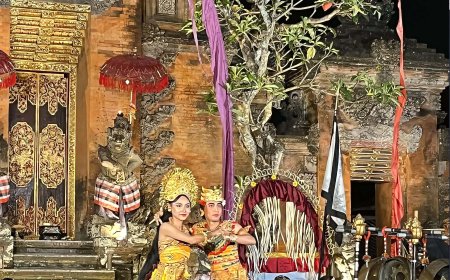
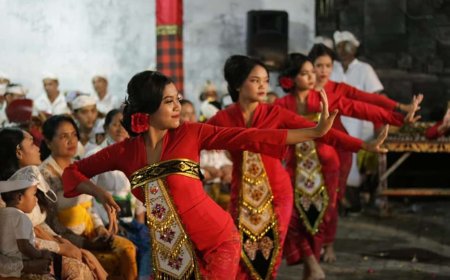
Arts and culture have also flourished in Bondalem. Gong kebyar, joged bumbung, and wayang lemah performances are commonly featured during ceremonies and local events. Dance and gamelan music are also enjoyed as entertainment, especially after the harvest or the fishing season ends. Another cherished tradition is mekidung and mabebasan, the art of reciting ancient manuscripts in a melodic rhythm. This practice is not only a form of entertainment, but also a means of preserving ancestral knowledge and teachings, passed down from generation to generation, reflecting the enduring wisdom and cultural depth of the Bondalem people.

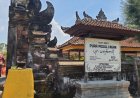
Photo of the Dharma Yudha Mandala monument in Bondalem (Source: Personal Collection)
Bondalem also holds a heroic story from its past. After World War II, the people of Bondalem joined the fight against the return of Dutch colonial forces (NICA) to Bali. Many local freedom fighters lost their lives in battle, and in honor of their sacrifice, the Dharma Yudha Mandala Monument was built in 1992. Today, this monument stands as a symbol of courage and a silent witness to the struggle of the Bondalem people in defending Indonesia’s independence.
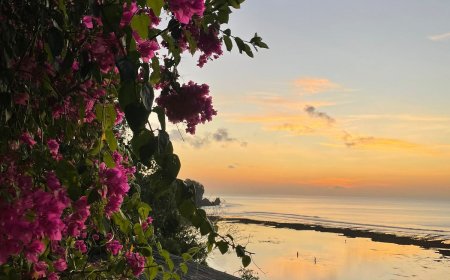
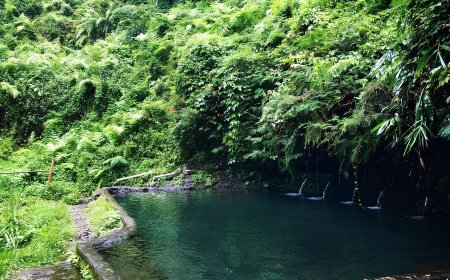
Walking through Bondalem today feels like stepping into a journey through time. The quiet beaches still whisper tales of ancient trade, the temples preserve stories of old kingdoms, the orange groves recall the memories of past prosperity, and the blue sea has transformed into a center for marine conservation. Together, these elements form a beautiful mosaic of a Balinese coastal village that thrives not only from its natural wealth but also from its deep historical roots.
Bondalem of the past is not merely a story from long ago—it is a living legacy of culture, the sea, and trade, continuing to shape and inspire the heartbeat of the community along Bali’s northern coast.
References
Desa Bondalem, SEJARAH BONDALEM ECO DIVE: KONSERVASI DAN WISATA BAWAH LAUT, 2024, Website Desa Bondalem
Dinas Kebudayaan Kabupaten Buleleng. (n.d.). Perjuangan di Bali Utara (Buleleng). Diakses 25 Oktober 2025, dari https://disbud.bulelengkab.go.id/informasi/detail/artikel/76_perjuangan-di-bali-utara-buleleng
Dinas Sosial Kabupaten Buleleng. (n.d.). Monumen Dharma Yudha Mandala: Perjuangan Rakyat Bondalem Buleleng. Diakses 25 Oktober 2025, dari https://dinsos.bulelengkab.go.id/informasi/detail/berita/83-monumen-dharma-yudha-mandala-perjuangan-rakyat-bondalem-buleleng