






Wayang Kulit Parwa Brayut: The Ramayana Epic in the Interpretation of Batuan Village Dalangs
Wayang Kulit Parwa Brayut is a unique form of interpreting the Ramayana epic through the wayang kulit tradition developed in Batuan Village, Gianyar. Unlike conventional Wayang Parwa, which generally depicts stories from the Mahabharata, this variant blends elements of the Ramayana with Balinese characters in a more intimate and localized narrative. The dalangs of Batuan Village have developed characterizations that reflect Hindu-Balinese philosophical values while preserving the spiritual essence of the classical epic.

The Origins and Development of the Parwa Brayut Shadow Puppets
Wayang Kulit Parwa Brayut began to develop in the early 20th century in Batuan Village, Sukawati, Gianyar, when senior dalangs felt the need to introduce variations in the presentation of classical stories. Born from a hereditary dalang tradition rooted for centuries, this wayang became a response to society’s demand for narratives that are easier to understand without abandoning their sacred values, while also affirming Batuan as a center of Balinese arts distinct from commercial performances in hotels or restaurants.
The terminology ‘Parwa Brayut’ refers to the combination of two concepts, namely Parwa which comes from the Sanskrit word meaning “part” or “episode”, and Brayut which in Balinese mythology refers to a supernatural figure with the ability to transform. Unlike conventional Wayang Parwa which presents episodes from the Mahabharata, this Brayut variant adapts the Ramayana with a more philosophical and spiritualistic approach.
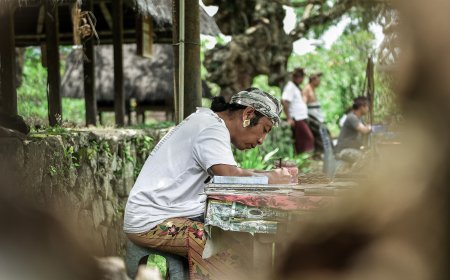
 Wayang Kulit Carving Process (Photo Source: Personal Collection)
The Uniqueness of Materials and Crafting Techniques in Parwa Brayut Shadow Puppets
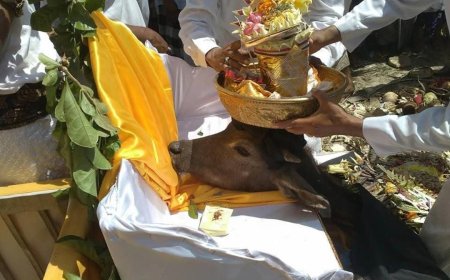
Wayang Kulit Parwa Brayut has distinctive characteristics in the selection of materials and crafting techniques that differ from other wayang kulit. The artisans in Batuan Village use selected buffalo hide that has undergone a special spiritual process, involving a purification ritual lasting three days and three nights. The carving process is carried out with finer and more detailed motifs, reflecting the Brayut character who possesses the ability to transform.
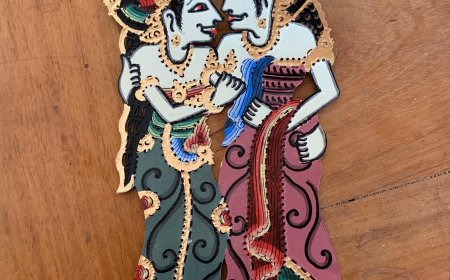
The coloring of this wayang uses a symbolic combination of colors, namely gold to represent the spiritual aspect, red for strength, and black for wisdom. Each color carries a philosophical meaning related to the teachings of Tri Guna in Balinese Hinduism, namely Satvam (goodness), Rajas (strength), and Tamas (ignorance that must be overcome).
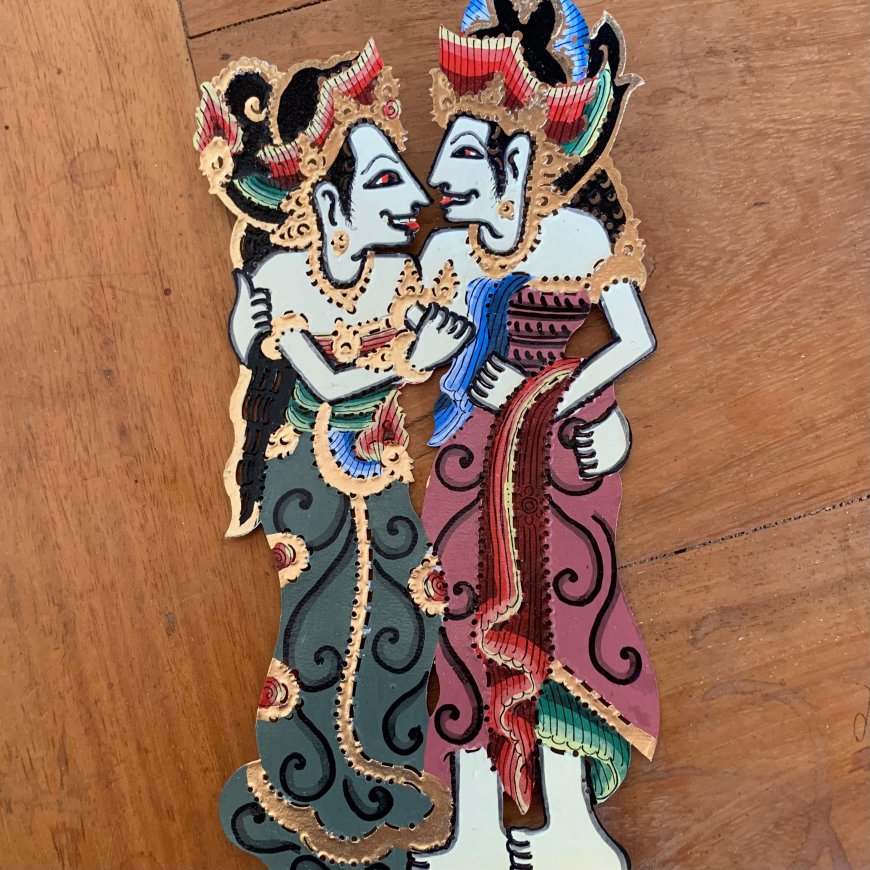
The main character in Wayang Kulit Parwa Brayut is Pan Brayut, a figure who serves as both narrator and a connector between the real world and the supernatural. Unlike the punakawan in other wayang, Pan Brayut has the ability to transform into various Ramayana characters, from Hanuman to Rahwana, depending on the needs of the narrative.
 Wayang Kulit Parwa Brayut by the Dalangs of Batuan Village (Photo Source: Personal Collection)
The dalangs of Batuan Village interpret the Ramayana epic by combining universal values with Balinese local wisdom. The story of Rama and Sita is understood as an allegory of the spiritual journey, while the concept of Dharma is expanded into responsibility toward nature and community. Rama is depicted not only as an ideal king but also as a leader who maintains ecological balance. Hanuman becomes a symbol of total devotion and Ravana represents the ego that must be subdued. Every play in Wayang Kulit Parwa Brayut always integrates Tri Hita Karana, namely harmony with God, with fellow human beings, and with nature, with Pan Brayut serving as a reminder of the importance of balance in life.
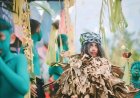
 Punakawan characters in Wayang Kulit Parwa Brayut by the Dalangs of Batuan Village (Photo Source: Personal Collection)
Wayang Kulit Parwa Brayut from Batuan Village represents the creativity and adaptability of Balinese culture in preserving classical traditions while responding to the needs of the times. With a humanistic interpretation of the Ramayana epic, unique characters, profound philosophy, and innovative performance techniques, this wayang has become a living and relevant cultural heritage. The preservation efforts of the local community need broader support so that this tradition can continue to be enjoyed by future generations, while also proving that in the currents of globalization and modernization, tradition does not have to remain static but can serve as a source of inspiration and wisdom that remains contextual to human life.