





Dancing in Fire: The Mystical Charm of Janger Maborbor in Bali
Amidst the rapid pace of modernization, Bali remains steadfast in preserving its ancestral traditions, which are full of mystical power. One cultural heritage that remains intact to this day is the Sanghyang Janger Maborbor dance, a sacred performance from the village of Yangapi, Tembuku, Bangli. Unlike the Janger dance, which is usually performed as entertainment, Janger Maborbor is part of a religious ritual to ward off evil and pray for safety.

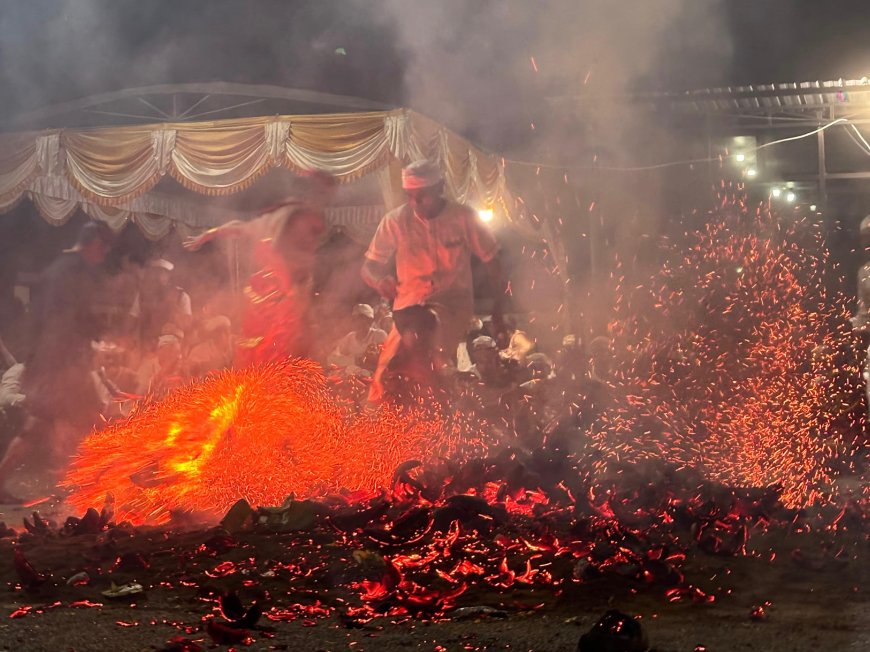
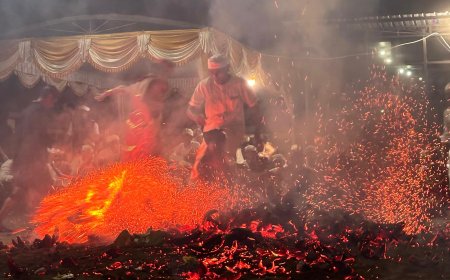
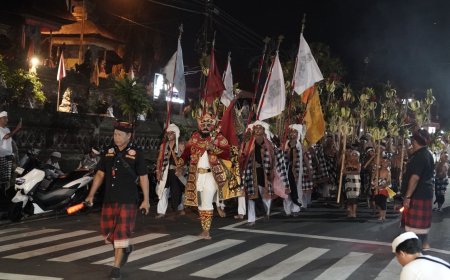
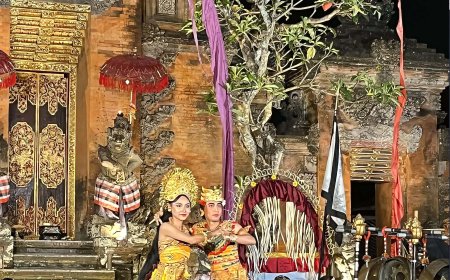
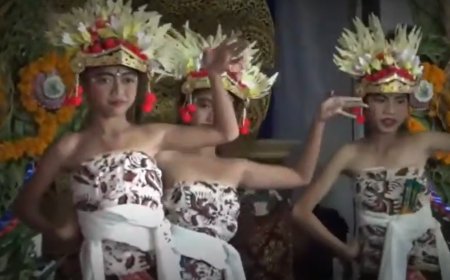
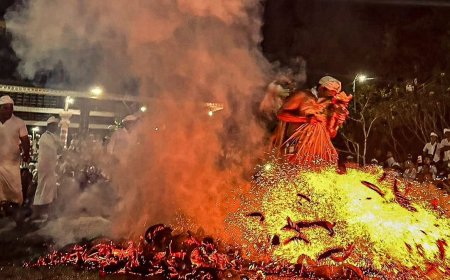
The Janger Maborbor dance developed in Metra, Yangapi Village, Tembuku District. Unlike the Janger dance in general, which is known as folk entertainment, this dance is a sacred ritual to ward off evil, prevent disease, and express the community's devotion to Sanghyang Widi. Like regular Janger, the performance involves 5-10 pairs of young men and women; the male dancers are called kecak, while the female dancers are called janger. They dance in pairs while chanting sekar rare songs in unison. The ritual culminates when the dancers enter a trance-like state (Kerasukan) after the priest or tapakan offers a sacrifice, then coconut husk embers are lit in the center of the circle as a symbol of the purification of negative energy. In a trance, the dancers unhesitatingly step on the embers, and some even hold or eat them, without suffering the slightest burn.
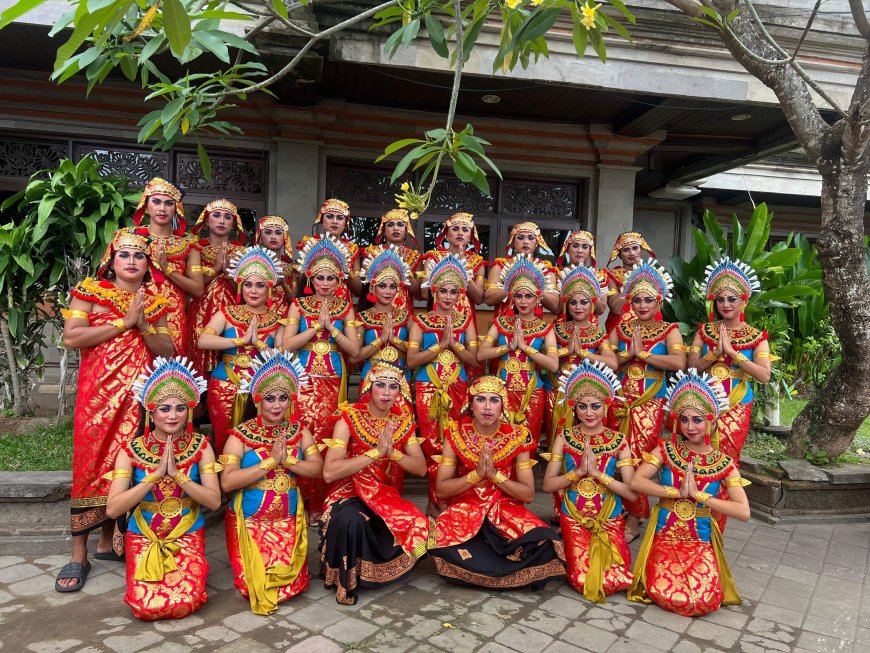
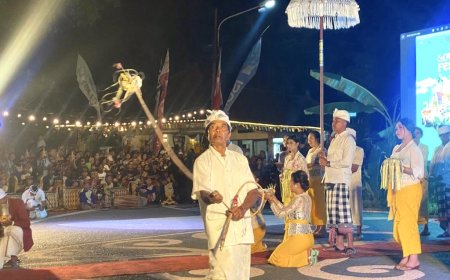
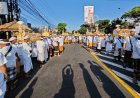
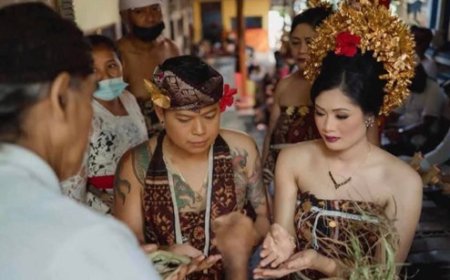
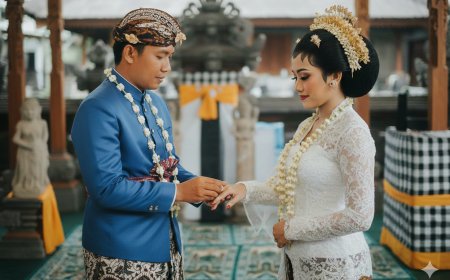
Janger Moborbor attire with distinctive traditional details (Photo Source: Personal Collection)
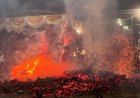
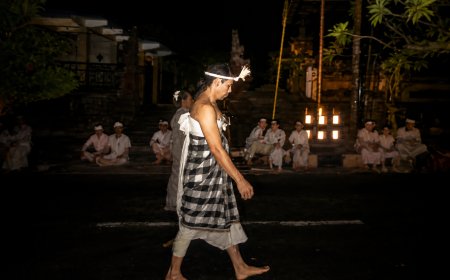
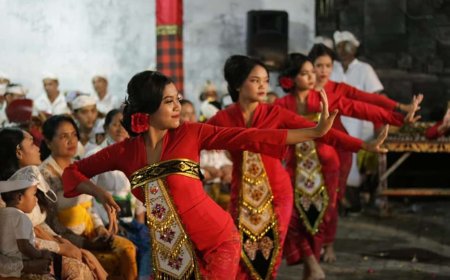
It is this uniqueness that makes Janger Maborbor believed to be a medium for manifesting supernatural powers. The community believes that the dancers are possessed by local spirits who protect the village from danger. It is not uncommon for spectators who are immersed in the atmosphere to also become possessed and dance on the fire. The ritual ends when the embers begin to die down, and the dancers are sprinkled with holy water to restore their consciousness. Everyone returns to normal, without injury or burn marks, as if proving the presence of divine power in the event. The entire performance usually lasts about an hour, leaving a mystical experience that lingers in the hearts of all who witness it.
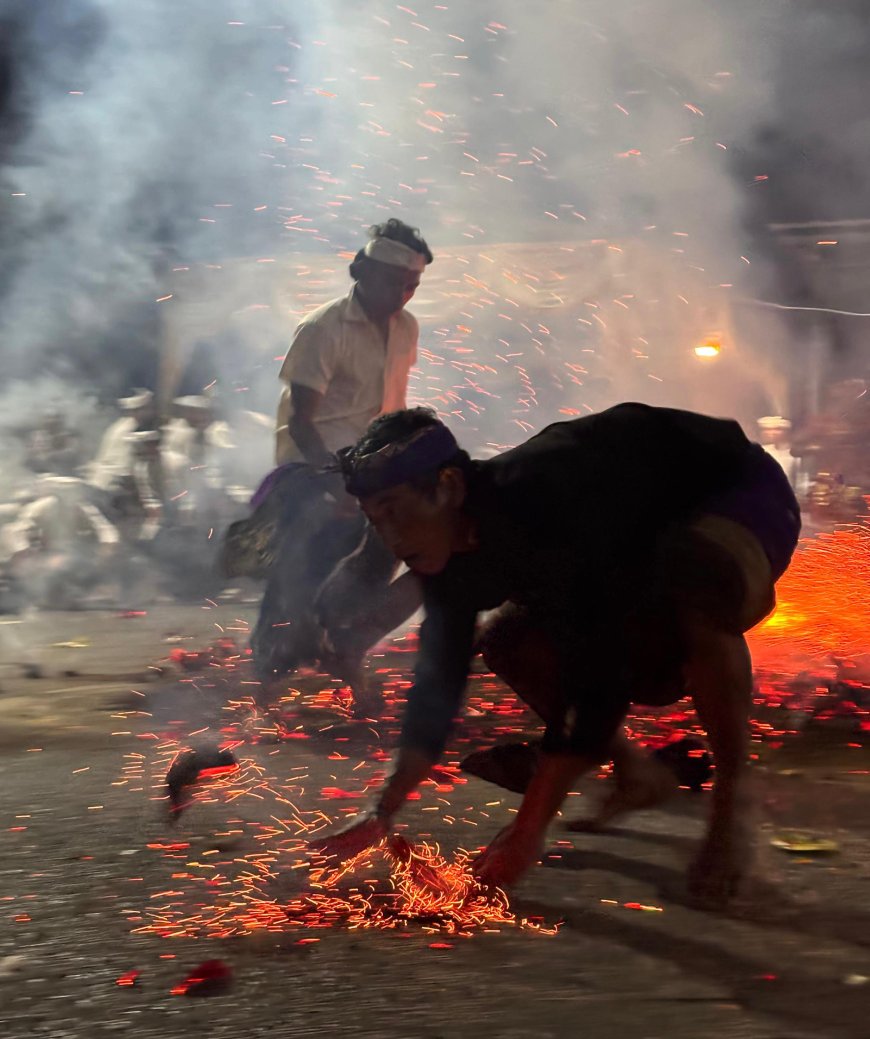
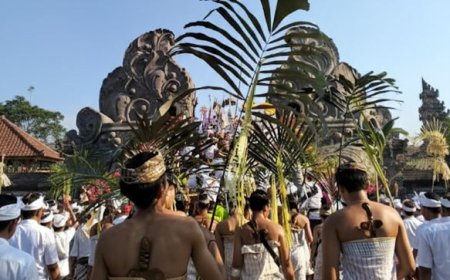
The atmosphere of trance in the Janger Moborbor procession (Photo Source: Personal Collection)
The Janger Maborbor dance has a long history. It is said that it was first performed at the Penyimpenan Dukuh Bukti Temple when the village of Yangapi was hit by an epidemic. The residents then presented this dance as a form of prayer for safety, and slowly the community began to recover. Since then, this dance has never been absent from any yadnya ceremony held at the local temple. Such strong beliefs make the community reluctant to cancel the performance because it is believed that doing so will bring disaster.
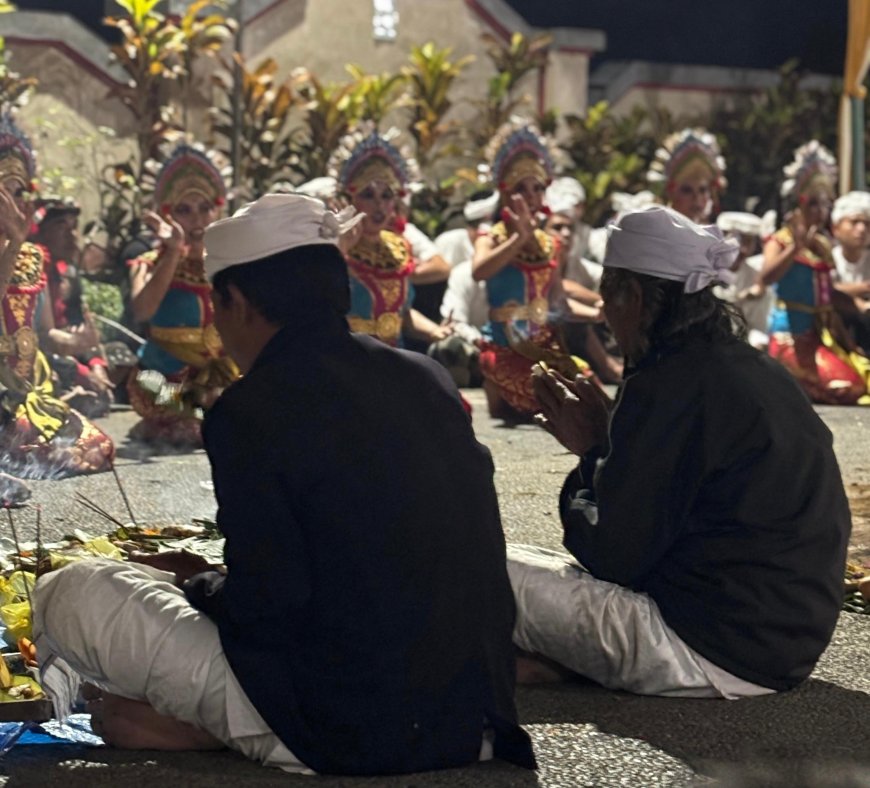
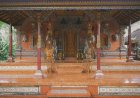
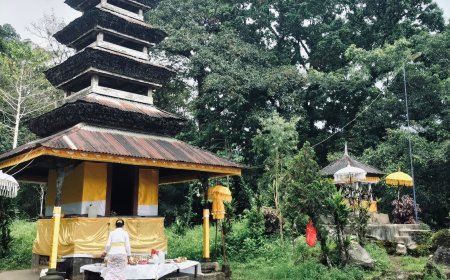
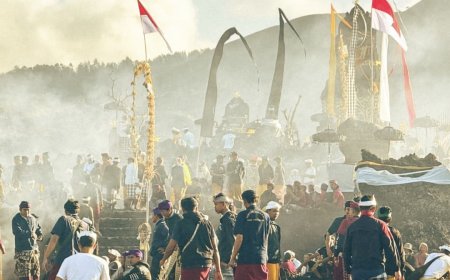
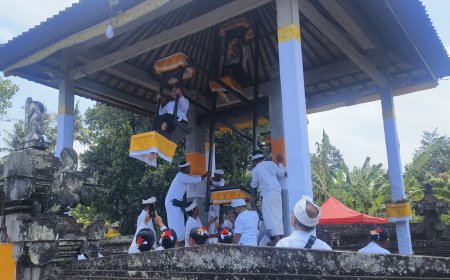
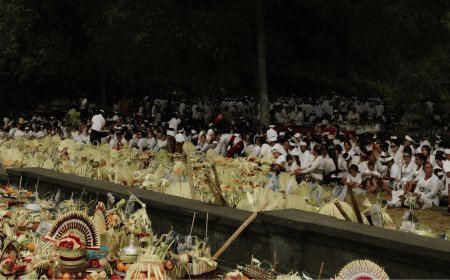
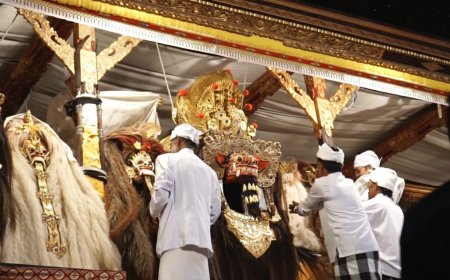
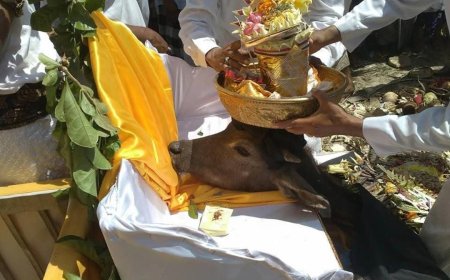
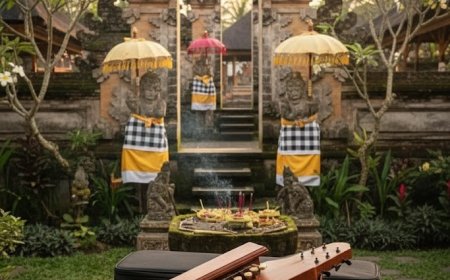
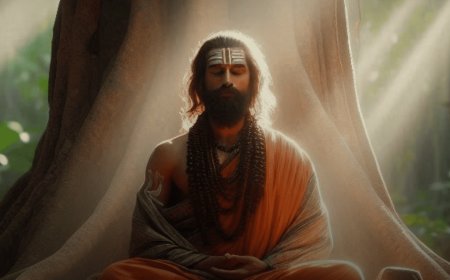
A priest presenting offerings in a sacred procession (Photo Source: Personal Collection)
In addition to its ritual function, Janger Maborbor also embodies social, aesthetic, and religious values that are integrated into the daily lives of the community. This hour-long performance consists of an opening, songs, and a climax of mystical interaction with fire before closing with a procession of awareness. Today, amid the rapid pace of globalization, Janger Maborbor remains preserved and is occasionally performed for tourists without losing its sacred elements. From the traditional village of Metra, this dance continues to thrive as an ancestral heritage, a testament to the deep connection between art and religion in Bali, born from devotion to God, embodying a balance between the physical and spiritual realms, and a mystical charm that endures through the ages.