








































Loloh Lempuyang: A Bitter Taste, a Sweet Heritage
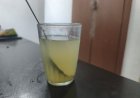
Loloh lempuyang is a traditional herbal drink that uses lempuyang as its main ingredient and is closely associated with traditional Balinese medicinal knowledge. Lempuyang is documented in various Usadha sources, including Taru Premana and Usadha Cemeng, as one of the plants used in traditional herbal remedies. Loloh lempuyang serves as an example of how Balinese traditional knowledge can continue to live on through a simple and practical preparation while still respecting the cultural heritage from which it originated.

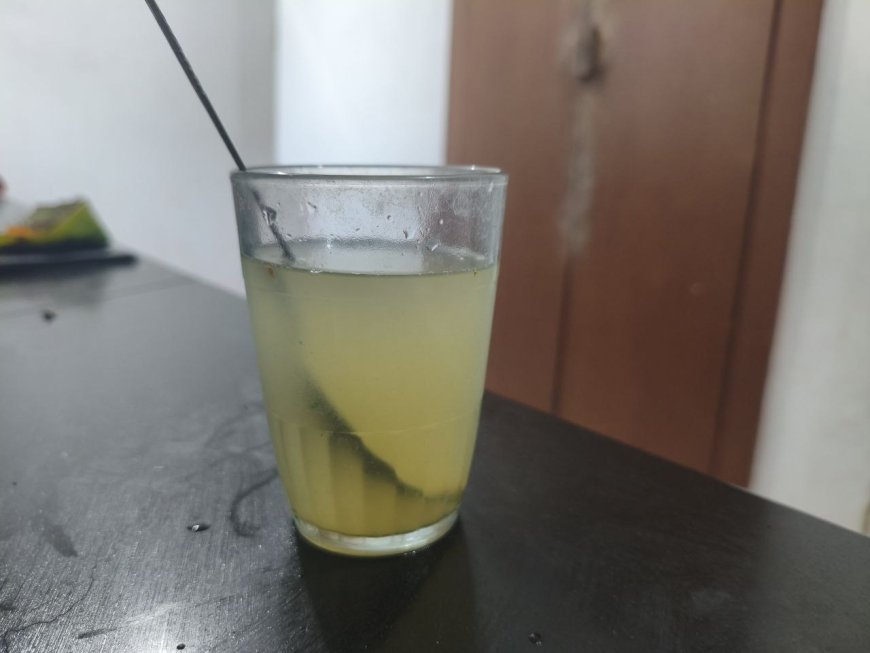
Bali has a rich tradition of knowledge surrounding traditional medicine. This knowledge has been passed down from generation to generation through community practices and ancient lontar manuscripts. One form of traditional medicine is loloh, a herbal drink made from natural ingredients and traditionally consumed as a form of herbal remedy.
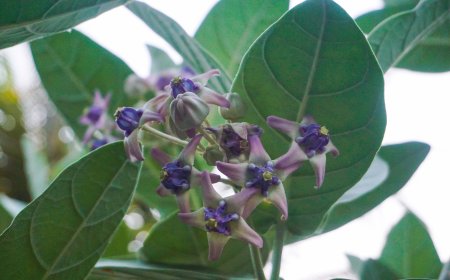
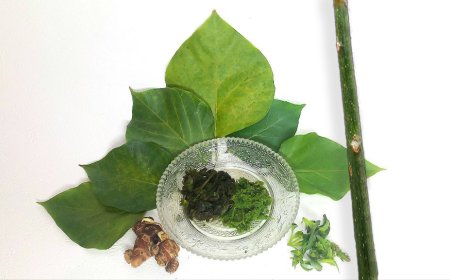
One of the plants used in traditional Balinese medicine is lempuyang. Its rhizome has a distinctive aroma and a strong, slightly bitter taste, which has led to its use as an ingredient in various traditional herbal remedies. The use of lempuyang can be found in several Usadha manuscripts, making it not only a medicinal plant but also a part of the traditional knowledge and cultural heritage of the Balinese people.
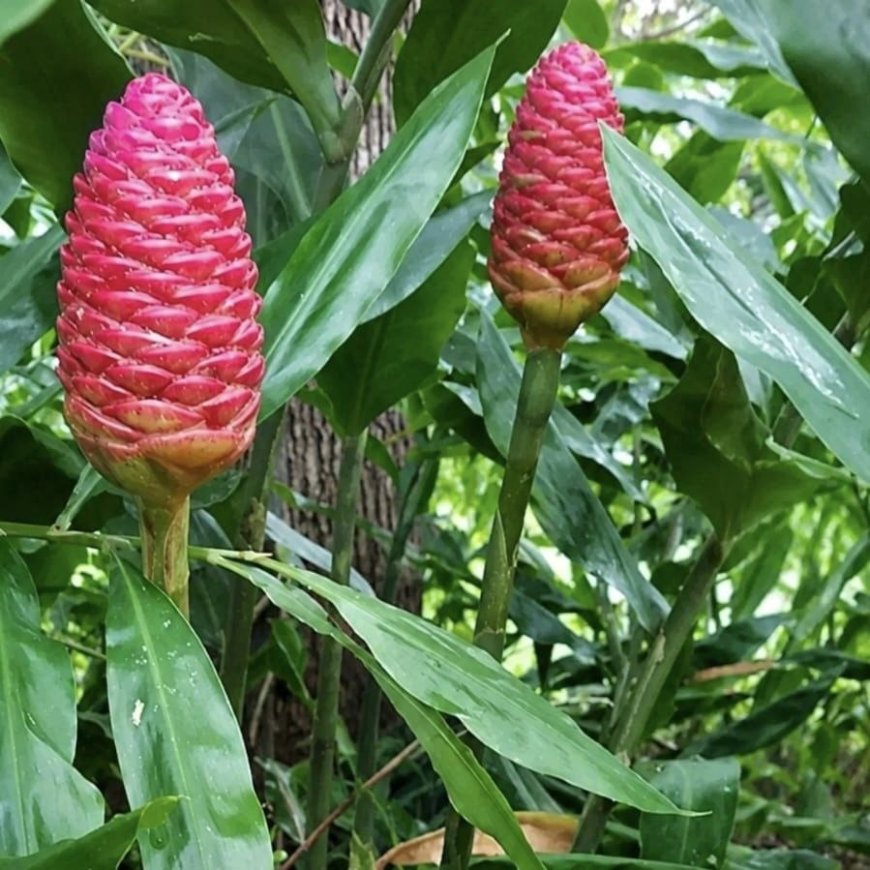
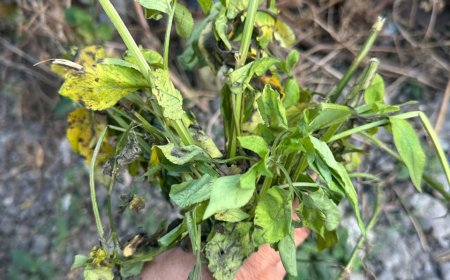
Lempuyang Plant (Source: Personal Collection)
Lempuyang is a rhizomatous plant belonging to the Zingiberaceae family that has long been used in traditional medicine. In Usada Taru Premana, knowledge about plants as medicinal ingredients is an important part of the traditional knowledge preserved in the manuscript. Lempuyang, also known as gamongan, is one of the plants documented in studies on medicinal plant use in Usada Taru Premana.
In addition, the Lontar Usadha Cemeng also documents the use of lempuyang in various herbal remedies. Lempuyang is combined with other plants and prepared according to its intended use, including remedies that are consumed orally. In traditional Usadha practices, lempuyang has been used in various remedies to help address several health complaints. Usadha Cemeng records its use in remedies associated with complaints such as stomach aches, coughs, shortness of breath, fever, and headaches, with different ingredients and preparation methods depending on the intended purpose. Therefore, loloh lempuyang can be viewed as an herbal drink rooted in traditional Balinese medicinal knowledge.
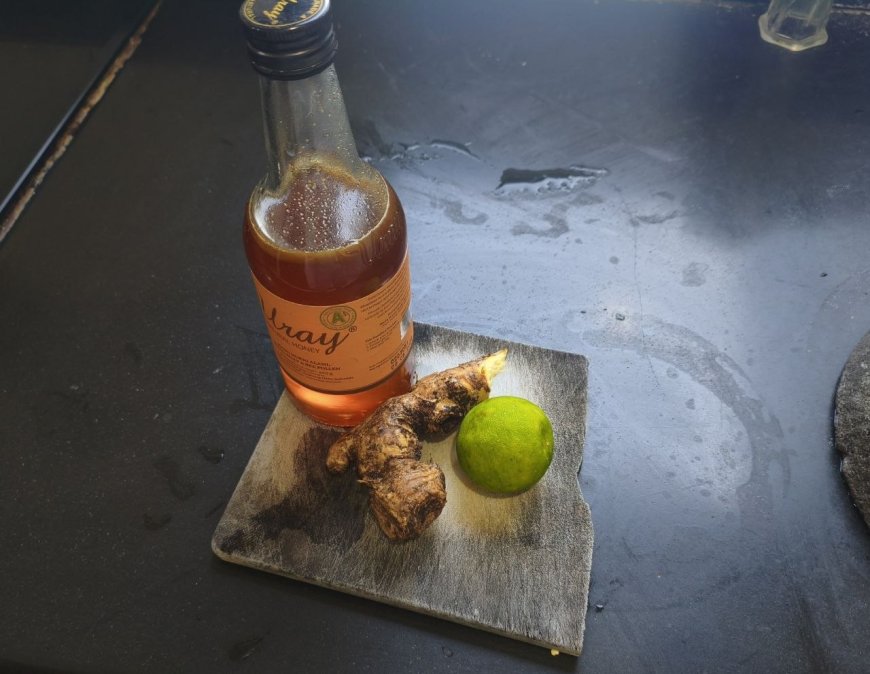
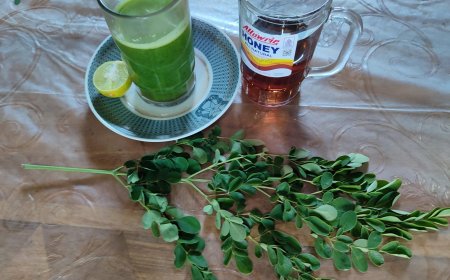
Main Ingredients of Loloh Lempuyang (Source: Personal Collection)
For one glass of loloh lempuyang, the ingredients used are:
- 50 grams of fresh lempuyang
- 300 ml of water
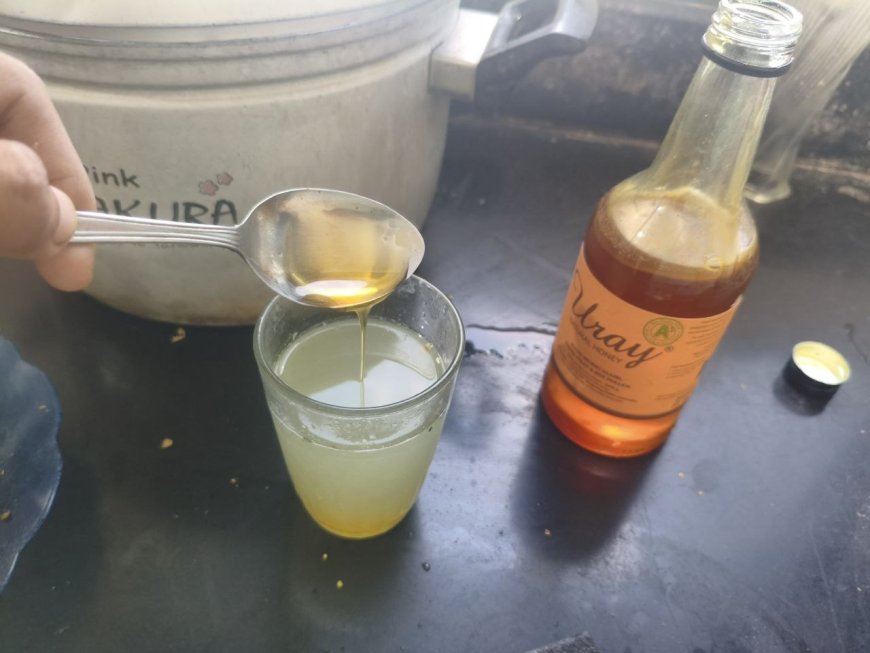
- 1 tablespoon of honey
- 1 lime
Honey and lime are added to provide sweetness and freshness, making the distinctive taste of lempuyang more pleasant and easier to consume. This combination is a simple formulation adapted for modern consumption. The following are the steps for preparing loloh lempuyang using the ingredients above.
1. Preparing and Selecting the Lempuyang
The first step in making loloh lempuyang is selecting fresh and good-quality lempuyang. The rhizomes should not have any rotten, moldy, or excessively dry parts. Selecting good-quality ingredients is important because lempuyang is the main ingredient that determines the aroma, taste, and characteristics of the loloh. After selection, the lempuyang is washed thoroughly with clean water to remove any soil and dirt attached to its surface. Any damaged parts can be cut off and discarded. The lempuyang can then be lightly peeled if necessary to further clean its surface.
2. Slicing the Lempuyang
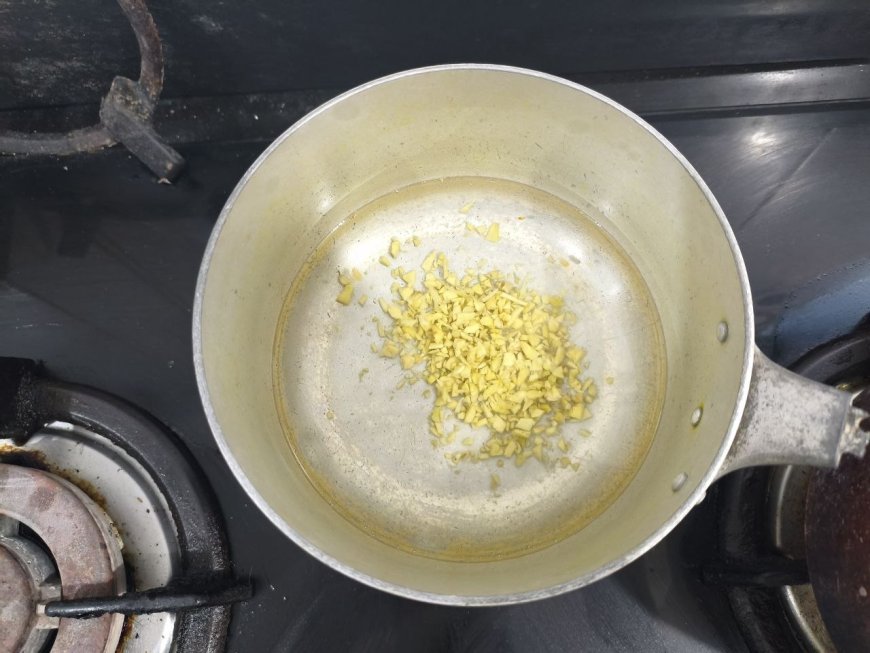
Once cleaned, the lempuyang is sliced into thin pieces. Slicing increases the surface area of the rhizome, allowing its extract and water-soluble compounds to be released more easily during the boiling process. The slices do not need to be excessively thick, as this may make the extraction process take longer. On the other hand, the slices do not need to be extremely thin either, since the rhizome will later be separated from the liquid through the straining process. For one glass of loloh, approximately 50 grams of fresh lempuyang can be used as the main ingredient.