































Balinese Milk Pie: A Popular Souvenir That Supports Local Business
A trip to Bali feels incomplete without bringing home Balinese milk pie as a souvenir. This small pastry, with its thin and crispy crust, is filled with a sweet, soft, and distinctive combination of milk custard and egg yolk. It is no wonder that milk pie has become one of the favorite souvenirs among both domestic and international tourists. Despite its simple appearance, milk pie plays an important role in supporting the local economy in Bali, particularly for Micro, Small, and Medium Enterprises (MSMEs) that have made it one of their main products.

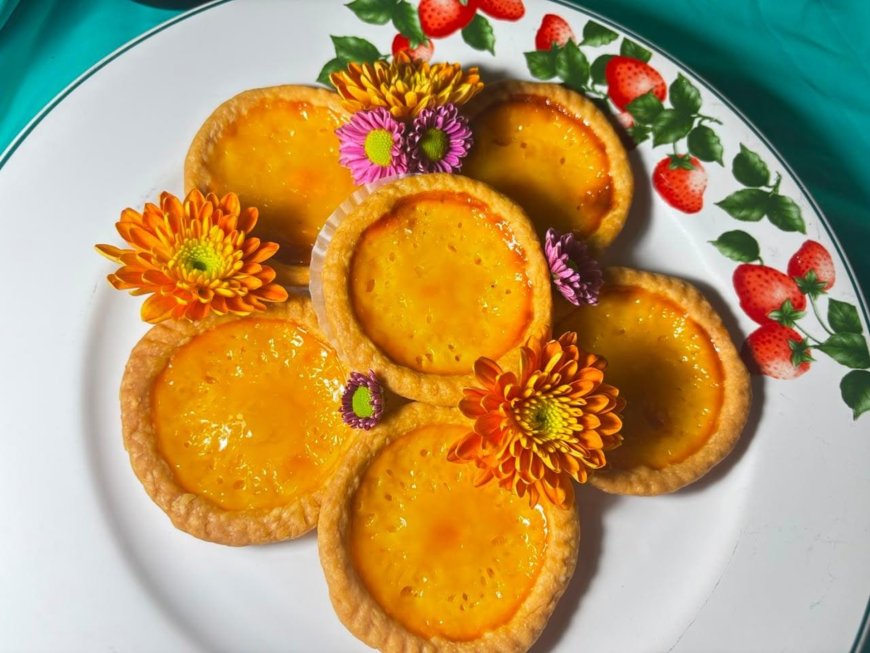
Who is not familiar with Balinese milk pie (Pie Susu Bali)? This small snack, with its crispy pastry crust and sweet filling, has become one of the most sought-after souvenirs among tourists visiting the Island of the Gods. Almost every souvenir shop, from large stores to small roadside stalls, sells milk pie in a wide variety of brands, flavors, and packaging.
Interestingly, milk pie is not a traditional Balinese snack that has existed for hundreds of years. Instead, it emerged from the creativity of local communities who adapted Western-style baking techniques and combined them with easily available ingredients, while also adjusting the recipe to suit Indonesian tastes. From this simple idea, milk pie gradually developed into a culinary product with its own unique appeal.
The popularity of milk pie has also had an impact on the local economy in Bali. Its production is not limited to large companies; many local business (UMKM) also produce it on a home-based scale. Although their production capacity may not be as large as that of factories, the quality of their products can still compete in the market. The creativity of business owners can also be seen in the growing variety of flavours. In addition to the original flavor, milk pie is now available in varieties such as chocolate, cheese, matcha, strawberry, and durian.
This situation shows that a simple culinary product can become a promising business opportunity. Tourists visiting Bali no longer bring home only T-shirts, handicrafts, or traditional foods. They also take boxes of milk pies to give to family members, friends, and colleagues. In this way, milk pie is not merely a souvenir but has developed into a product that provides economic value to local communities.
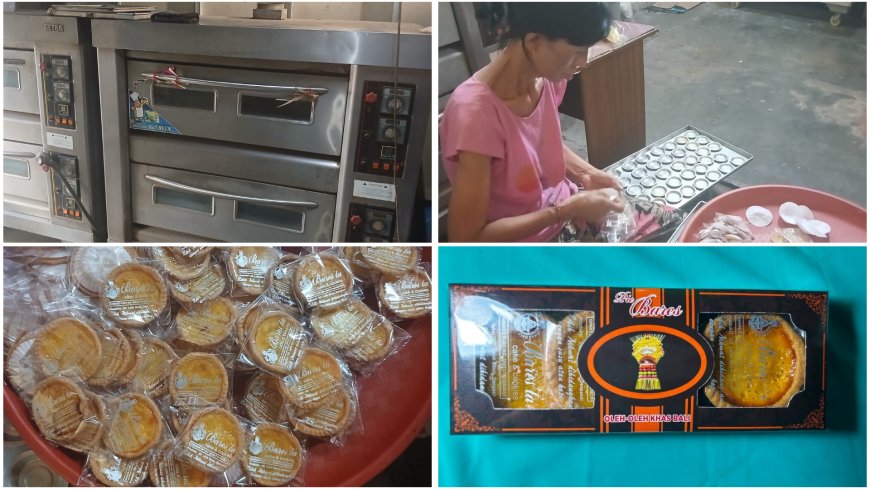
Documentation of Bares’ta Cake & Cookies (Photo Source: Personal Collection)
One of the local business that produces milk pie is Bares’ta Cake & Cookies, owned by Mrs. Sayu Made Jastrini and located at 25 Bisma Street, Denpasar. The business has been operating since 2012 and can produce around 200–500 milk pies per day, depending on the number of orders. In its production activities, Bares’ta Cake & Cookies is assisted by around five employees from the surrounding community. The milk pies are then marketed through souvenir shops and social media to reach a wider range of consumers.
In addition to Bares’ta Cake & Cookies, there is also Asih Kitchen, located in the Renon area and managed by Mrs. Suastiti Asih. The business began with her habit of making milk pies as snacks for her children. Over time, she became interested in introducing her homemade products to the public and turning them into a business opportunity. Unlike businesses that produce milk pies on a large scale, Asih Kitchen still operates as a home-based business involving family members in the production process. Its products are marketed through direct orders and social media, particularly Facebook and WhatsApp.
The story of Asih Kitchen shows that starting a milk pie business does not always require a large amount of capital or large-scale production. By utilizing existing skills, receiving support from family members, and using simple marketing methods, a home-based business can grow and generate income.
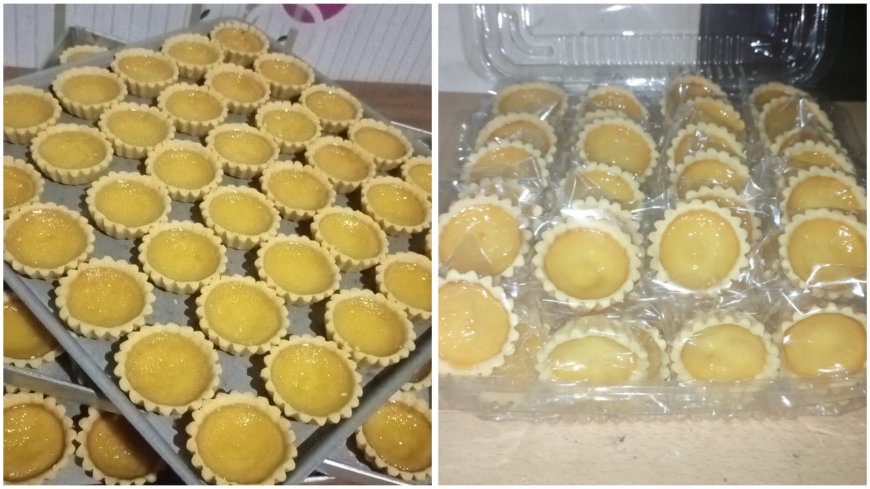
Documentation of Asih Kitchen (Photo Source: Personal Collection)
As the souvenir market becomes increasingly crowded, competition among milk pie producers is naturally becoming more intense. New brands continue to emerge with various strategies, ranging from attractive packaging to social media marketing and collaborations with influencers. This competition encourages local business owners to keep innovating, whether by creating new flavors, improving packaging, or providing better customer service.
Ultimately, the journey of Bali milk pie proves that something simple can grow into a product with significant economic value. Milk pie may not have a long history like some other traditional Balinese culinary products, but its popularity has grown from creativity, the courage to experiment, and dedication to maintaining quality. As long as tourists continue to seek a taste of Bali to take home as a souvenir, the kitchens of local business will continue producing milk pies and creating livelihood opportunities for the community. From a small pastry comes a much bigger story about creativity and an economy that keeps moving.