












Nganten Massal in Pengotan Village: The Nginang Tradition as a Mark of Legal Marriage
In Pengotan Village, Bangli, weddings are never an individual affair. Every resident is required to marry alongside dozens of other couples in a mass ceremony held twice a year. Uniquely, their official status as customary citizens is not validated by a piece of paper, but by betel leaves chewed together. Here is the full story behind this unique tradition of the Bali Aga people.

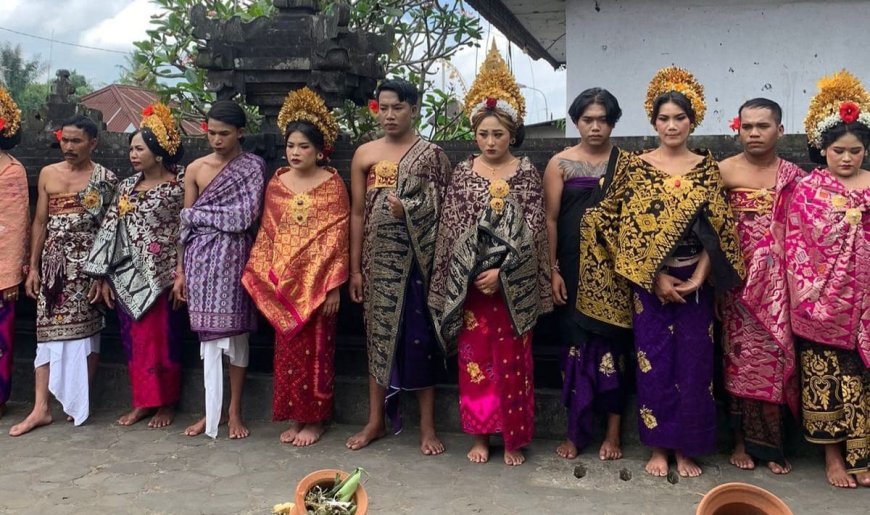
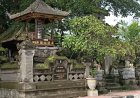
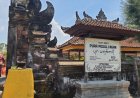
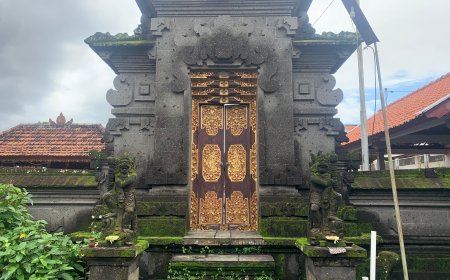
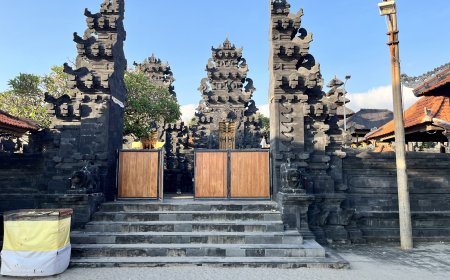
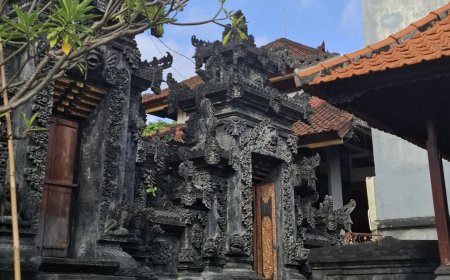
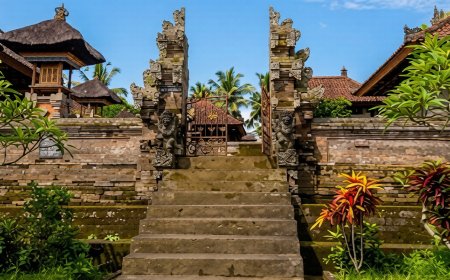
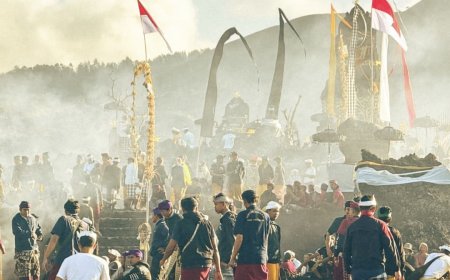
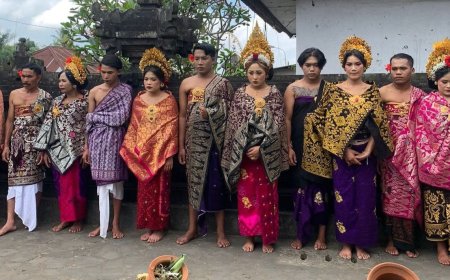
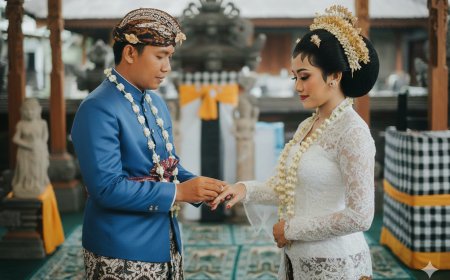
At the Pura Penataran Agung in Pengotan Village, Bangli Regency, dozens of couples stand side-by-side in matching traditional attire. There are no towering floral arrangements or grand stages. They wait their turn in a shared series of rituals because, in this village, tying the knot alone simply isn't an option.
Pengotan Village is recognized as one of the Bali Mula or Bali Aga villages. This community preserves the lifestyle and customary rules of their ancestors, long before the Majapahit kingdom's influence reached Bali. One of the legacies they strictly maintain is Nganten Massal, a mass wedding ceremony held twice a year. It serves as the only legitimate way for residents to officially become husband and wife, as well as full customary citizens. This tradition has been passed down for generations, and to this day, no resident of Pengotan has opted for a private wedding outside this system.
The schedule for Nganten Massal follows the Balinese calendar, specifically taking place during Sasih Kapat and Sasih Kadasa, which roughly translate to August-September and March-April. The exact dates are decided by the prajuru (customary village administrators) based on auspicious days, known as dewasa ayu. The community holds onto this tradition for three main reasons: to ease the financial burden of marriage since almost everything is collectively funded by the customary village, to strengthen community bonds through a shared celebration, and most importantly, to eliminate social class distinctions.
Whether it is a regular marriage or nyeburin (where the groom integrates into the bride's family line), all are brought together and treated as equals at Pura Penataran Agung. No one receives special treatment due to a higher caste. This rule is absolute. Residents who dare to marry on their own outside the Nganten Massal mechanism are deemed illegitimate under customary law. They even risk being banned from joining communal prayers during pujawali or major piodalan ceremonies at Pura Bale Agung.
Before the wedding day arrives, there is one crucial stage called Sangkepan Nganten. This is a traditional meeting held in the jaba (outer courtyard) of Pura Penataran Agung. Here, the village prajuru registers all the couples planning to marry from the eight banjar (hamlet-level customary areas) in Pengotan: Banjar Padpadan, Penyebeh, Besenge, Yoh, Delod Umah, Tiying Desa, Dajan Umah, and Sunting. Interestingly, women from Pengotan who marry outsiders must still participate in this procession in their hometown. Their status as customary citizens does not end just because they move away.
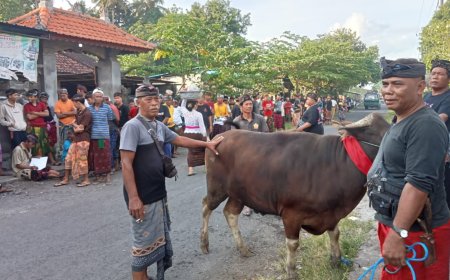
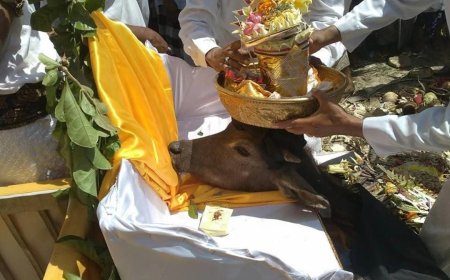
Once the list of couples is finalized, preparations shift to a more technical stage called nampah sampi, which involves slaughtering a cow purchased through collective community contributions. Unlike most Balinese ceremonies that typically use pigs, Pengotan opts for a sampi cula (castrated bull). In the past, each couple had to provide their own sapi cula, but today, residents simply chip in for a single cow to be shared among all Nganten Massal participants. Beyond mere consumption, this stage acts as a reminder that the entire event is a collective effort. The costs and labor are not solely the burden of the bride and groom's families, but the responsibility of the entire village.
When the day of the event arrives, the core of the procession kicks off with Bakti Pekala Kalaan. This purification ritual operates on two levels simultaneously: sekala (physical and visible cleanliness) and niskala (spiritual and unseen purity). Before their status shifts from single to married, their bodies and souls must be cleansed, much like wiping the slate clean before starting a new chapter in life. This stage determines if the couple is truly ready to move on to the more sacred parts of the ceremony.
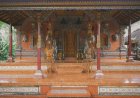
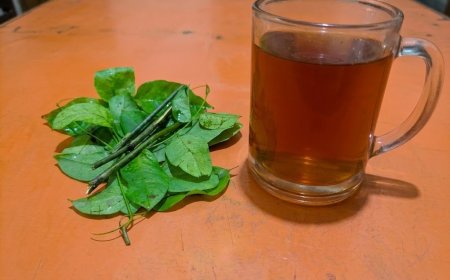
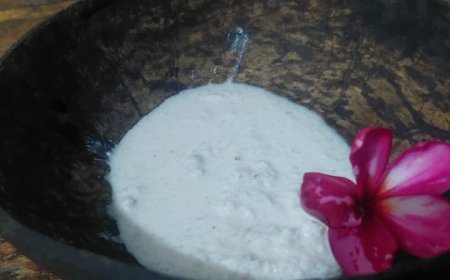
The procession at Bale Nganten is the heart of the entire ceremony. Here, each couple is offered a betel leaf complete with lime and areca nut, which they then chew together—a practice known in Balinese as nginang. Chewing betel is not uncommon in Indonesian culture; it used to be a daily habit for elders, though it is rarely seen among the youth today. However, in Pengotan, nginang is elevated to a highly sacred act, performed only during one crucial life milestone: marriage.
It might seem simple at a glance, but nginang carries profound meaning. It symbolizes the transition from being single to having a family. It also signifies that the couple is now considered mature by custom, ready to take on new responsibilities as husband and wife, and as legitimate members of the Pengotan customary community.
What makes this stage truly unique is that the shared nginang tradition is regarded by Pengotan residents as the official mark of acceptance as a krama adat (customary citizen). While civil registry documents are sorted out later, for the people of Pengotan, the chewed betel is the very first thing they recognize as the marker of a change in status.
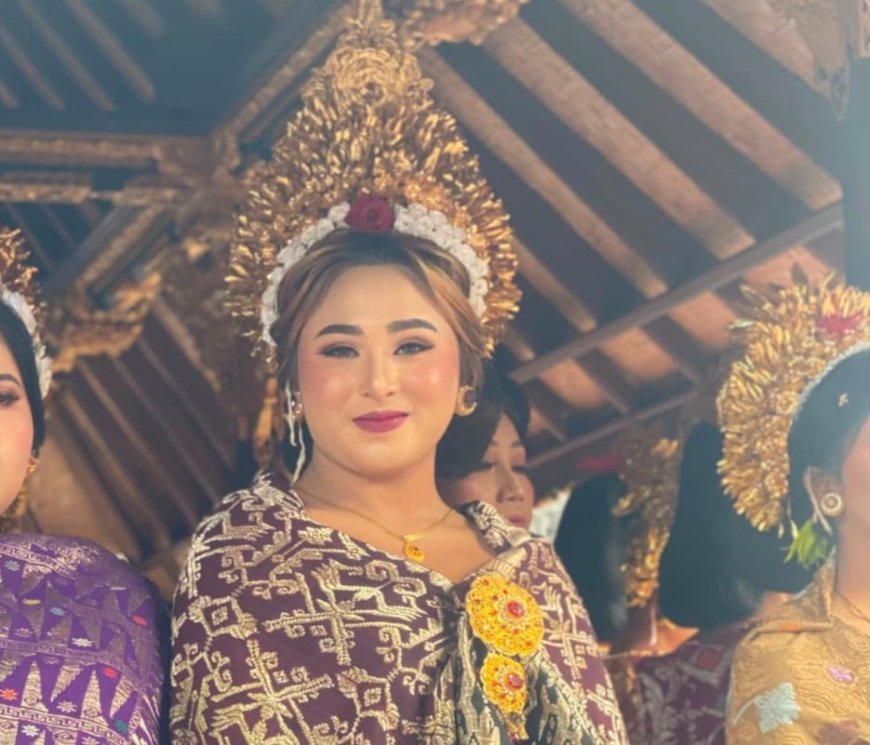
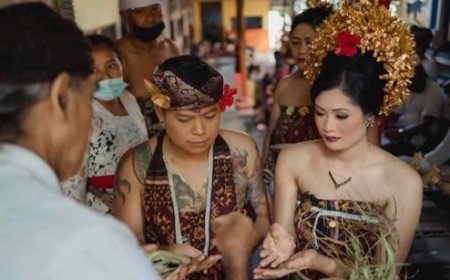
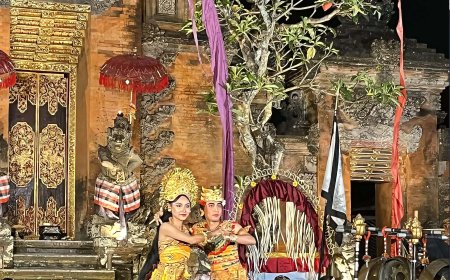
The Brides Wearing Traditional Attire at Bale Nganten, the Location of the Nginang Procession. (Source: Personal Collection)
First Prayer, Damar Kurung is Lit
Once their status is legally acknowledged by custom, the newlyweds proceed to Sanggar Agung for their first prayer as husband and wife, showing devotion to Ida Sang Hyang Widhi Wasa. If nginang validated their union before the community and ancestors, this prayer serves as a more personal validation before the Almighty.
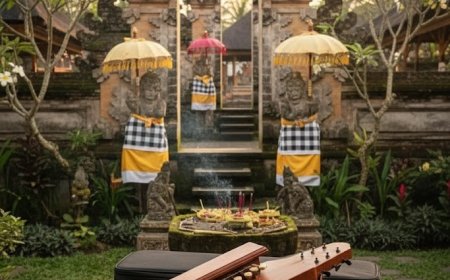
The procession then moves to Bale Agung Bedawan, where the couple offers a Damar Kurung. A Damar Kurung is a traditional lamp or lantern presented as a symbol of illumination for their new life together. The hope is that the couple's journey in building a family will not be in the dark, but guided by a clear path forward, through both good times and bad.
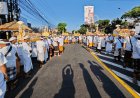
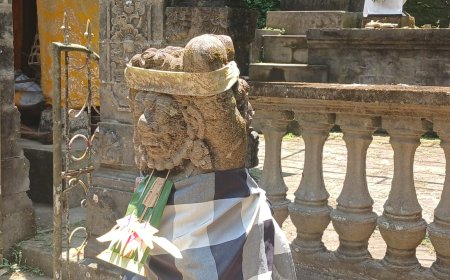
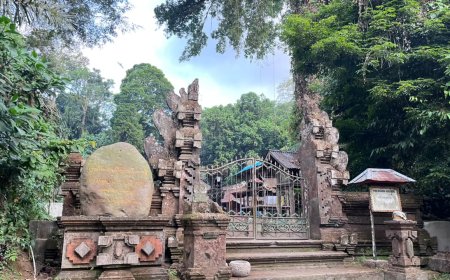
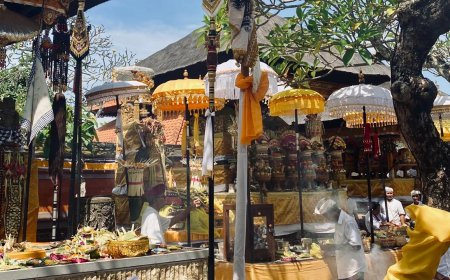
Before heading back to their respective homes, the couples have one long, mandatory task left: mepamit (bidding farewell). They travel from one pelinggih (sacred shrine) to another, visiting every dadya kawitan (ancestral origin shrine) and kemulan (family ancestral shrine) spread across Pengotan Village to seek blessings. This procession can take a considerable amount of time given the sheer number of shrines to visit, but that is exactly where its significance lies. Every ancestor throughout the village must be informed that a new family member has joined.
After visiting all the pelinggih, the couples are finally allowed to return home to continue the rituals as fully recognized husband and wife. But they aren't completely free to resume normal life just yet. They must observe a restriction for three days: they are forbidden from crossing the rurung adat, the main village road. This restriction provides a brief pause for the newlyweds to adapt to their new status before stepping back into the public life of the village.
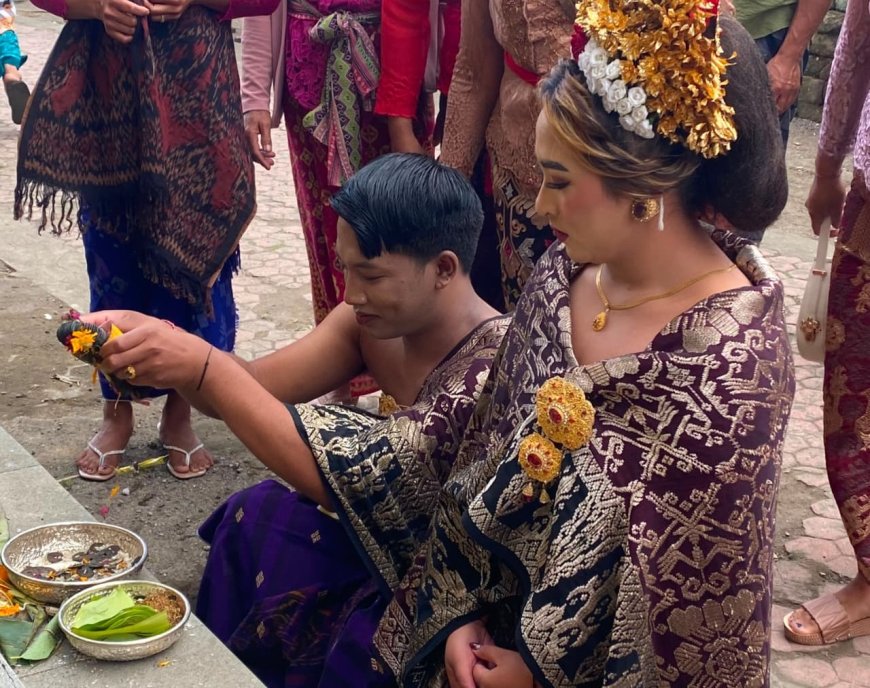
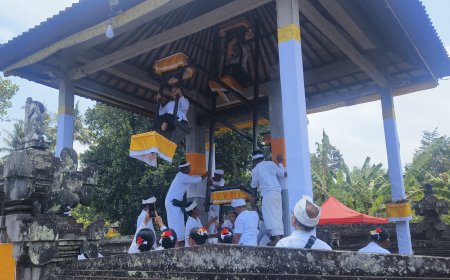
A Bridal Couple Offering Devotion at One of the Shrines During Mepamit. (Source: Personal Collection)
Nganten Massal in Pengotan is more than just a fascinating ceremony for outsiders to observe. Even the Covid-19 pandemic in 2020 couldn't put a stop to it, as 28 couples still went ahead with the mass wedding under strict health protocols. Participation remains robust today. For instance, in May 2025, 29 couples from the eight banjar of Pengotan took part, proving that this tradition is actively passed down to new generations, rather than just being a footnote in history. For the Bali Aga community there, this tradition is a way to preserve two core values simultaneously: equality, as no bride or groom receives special treatment, and togetherness, because both the burdens and the joy are shared by the entire village.
While wedding trends in many other places are shifting towards more personal and lavish celebrations, Pengotan sticks to a simpler, collective path. Sasih Kapat and Kadasa will continue to roll around every year. And every time they do, rows of newlyweds will line up once again at Pura Penataran Agung, chew betel together, and head home with a status already recognized by the village long before any paperwork is ever filed.