













Dalem Tamblingan Temple and the Tale of Tamba Eling: Traces of Healing Water on Ancestral Land
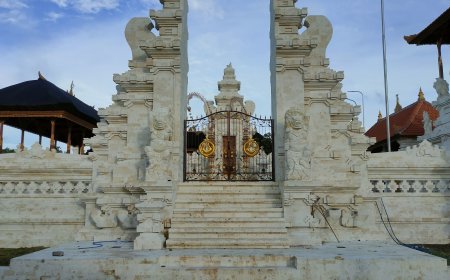
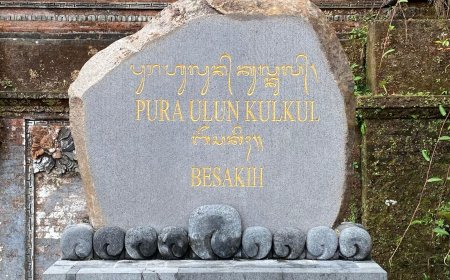
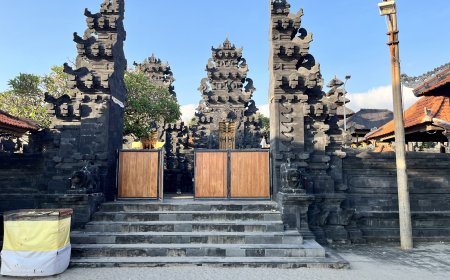
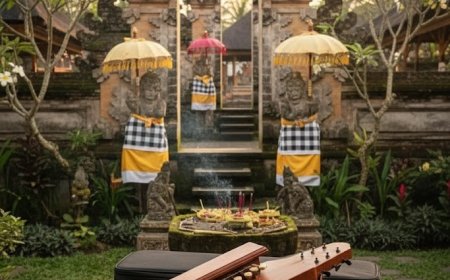
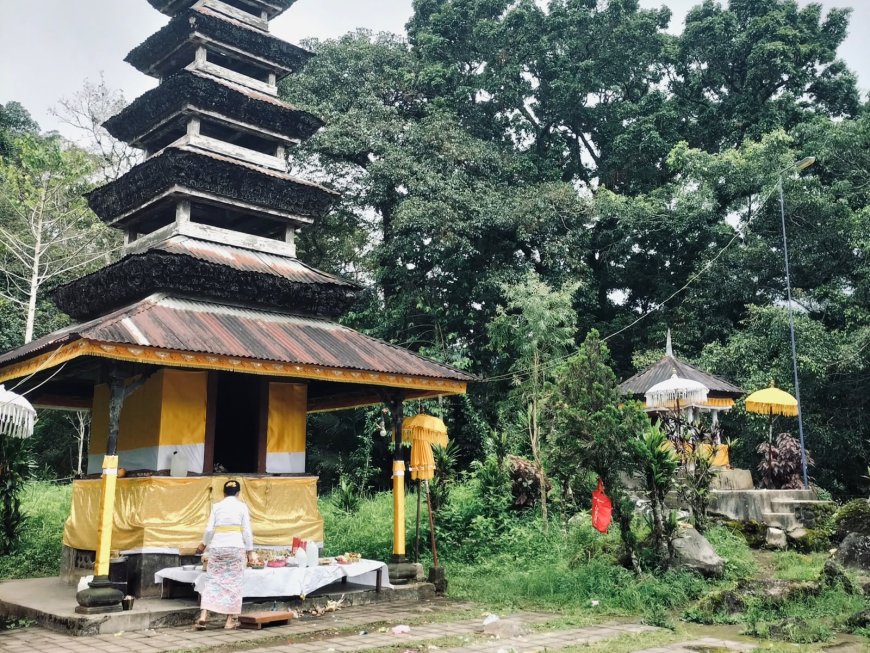
Not every story about Lake Tamblingan begins with the lake itself. In the area of Munduk Village, Banjar District, Buleleng Regency, Bali, stands Dalem Tamblingan Temple, located around Lake Tamblingan and the forest area of Alas Merta Jati. Behind the calm atmosphere of this place lies a story of a disease outbreak, water believed to bring healing, and the journey of a figure named God Bahem. From a water source later known as Tamba Eling comes a tale believed to be connected to the name Tamblingan itself. This story is not only part of the history behind the name of a lake, but is also closely tied to Tamblingan Dalem Temple and the ancestral land where the community has lived around Merta Jati since long ago.

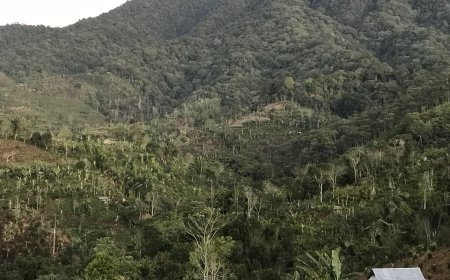
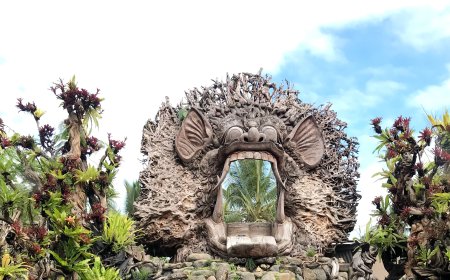
When talking about Tamblingan, the name Alas Merta Jati cannot simply be set aside. Merta Jati is a forest area located around Lake Tamblingan and has long been an important part of the local community's life. This area is not regarded as an ordinary forest, but is also known as ancestral land carrying sacred value. Based on a number of ancient inscriptions found around the lake, the oldest record mentioning the existence of Tamblingan Village is believed to date from the reign of King Ugrasena, who ruled in Bali in 837–858 Saka, or around 915–936 CE, meaning the community in this area is believed to have existed since the 10th century CE. Water originating from this area became part of the community's life, while within the Merta Jati area there are also various sacred sites connected to the spiritual life of the Tamblingan people.

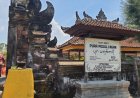
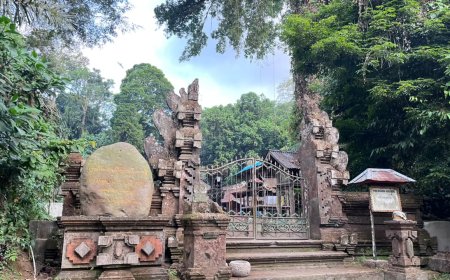
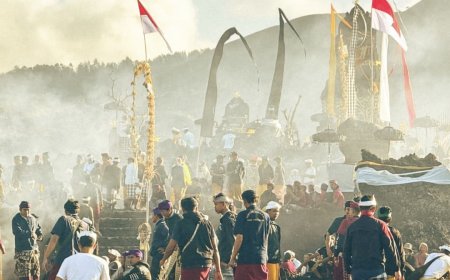
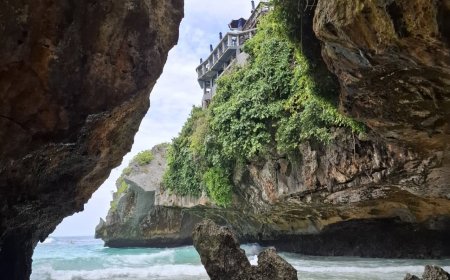
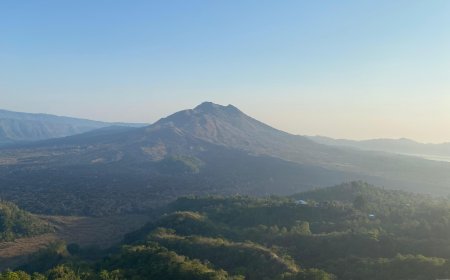
Merta Jati Area (Source: Personal Collection)
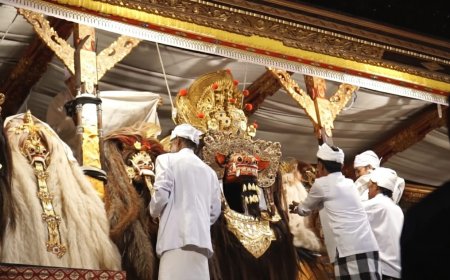
At the heart of this area emerged the story of God Bahem. In the tale passed down by the Adat Dalem Tamblingan community, God Bahem came to Alas Merta Jati when the area was already inhabited by communities such as Pasek Tamblingan, Pasek Panji Landung, and Pasek Kulisah. His arrival was then accepted by the people who had settled there before him. After receiving the gifts of a keris and wija ratus, God Bahem was subsequently confirmed as Dalem Tamblingan.

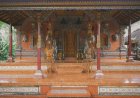
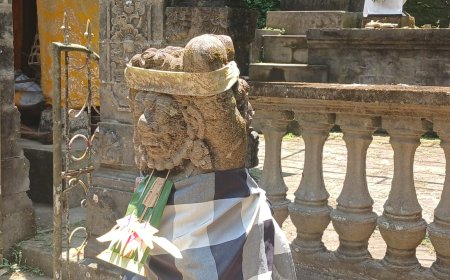
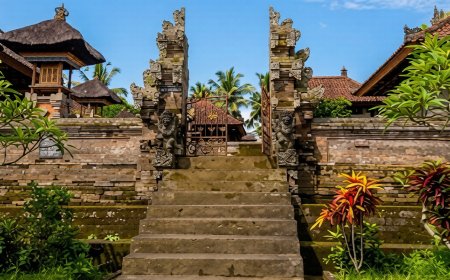
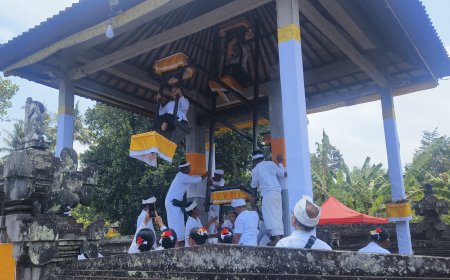
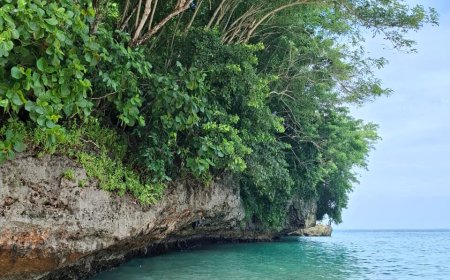
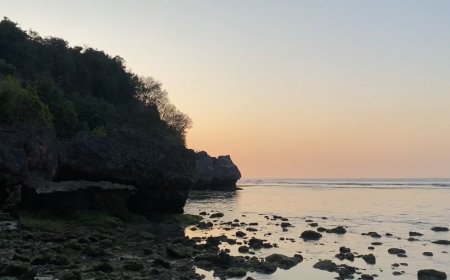
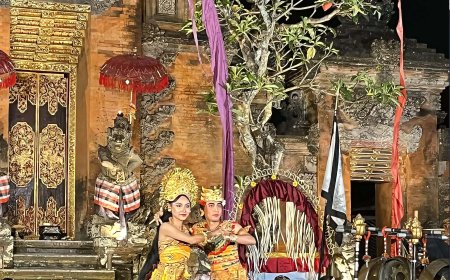
Another Part of Dalem Tamblingan Temple (Source: Personal Collection)
From that time on, the name Dalem Tamblingan became an important part of the area's history. However, the story does not end there. One event further cemented the name Dalem Tamblingan in the community's memory: the time a disease outbreak struck Merta Jati.
This event is said to have occurred during Tilem Sasih Kanem. Many people fell ill, leaving the situation in the Merta Jati area deeply worrying. Seeing this condition, Dalem Tamblingan sought a way to help the people. He went to a small pond located in the valley of the Alas Merta Jati area to draw water.

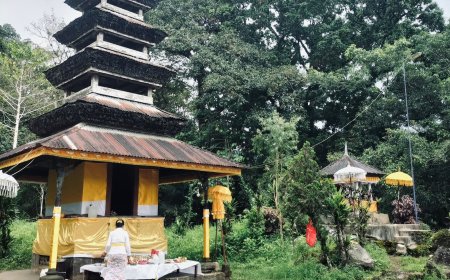
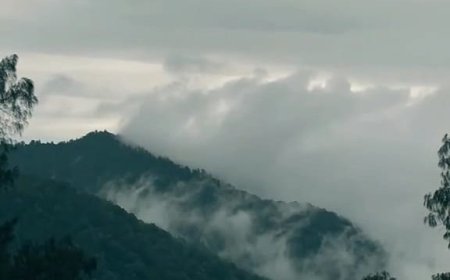
View of Lake Tamblingan Beside Dalem Tamblingan Temple (Source: Personal Collection)
The water was then drawn using a sangku Sudamala, a vessel used to carry holy water. After obtaining the water, Dalem Tamblingan performed a purification through prayer and the recitation of mantras. According to the story passed down by the community, the water was then sprinkled upon those who were ill.
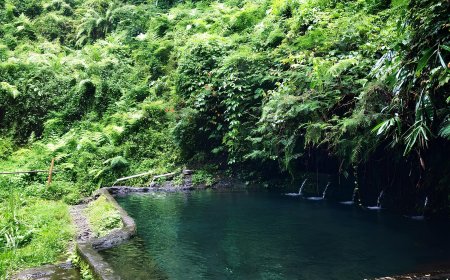
After the water was given to the people, their condition gradually improved, and the outbreak that had struck Merta Jati eventually came to an end. From this event arose the name Tamba Eling. The pond where the water had been drawn came to be known as Tamba Eling, a name that in the community's story is linked to water as a means of healing. Over time, the name changed to Tamba-Ling, until it eventually became known as Tamblingan.

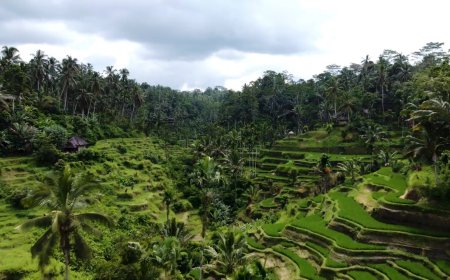
Lake Of Tamblingan (Source: Personal Collection)
The pond still exists today, hidden in the valley of Alas Merta Jati, far from the tourist paths commonly taken toward Lake Tamblingan. Few people know that at that very spot, hundreds of years ago, a Dalem Tamblingan knelt with a sangku Sudamala in hand, reciting mantras while waiting for the holy water to be ready to be carried down to a village dying from an outbreak. Villagers who could still walk waited at the edge of the pond, while others lay in their homes, hoping the water would arrive in time.
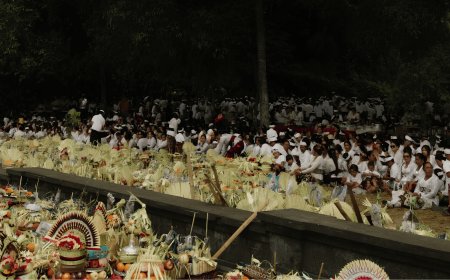
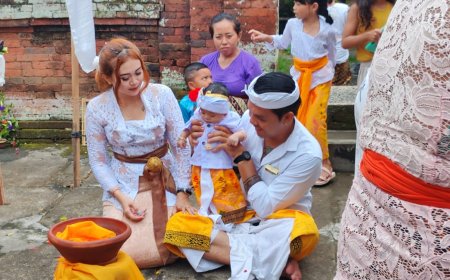
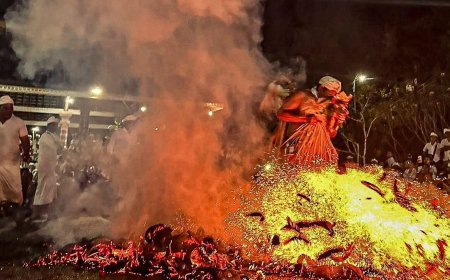
When the healing was finally achieved, the community did not simply give thanks and move on. They built Dalem Tamblingan Temple right in that area, as a place to return to whenever they wished to remember the terrifying nights before the water arrived. To this day, on every full moon and new moon, descendants of the Catur Desa communities—Munduk, Gobleg, Gesing, and Umejero—still come bringing tirta to the temple, repeating the same gesture performed by Dalem Tamblingan hundreds of years ago: sprinkling holy water, hoping that its sanctity remains preserved.

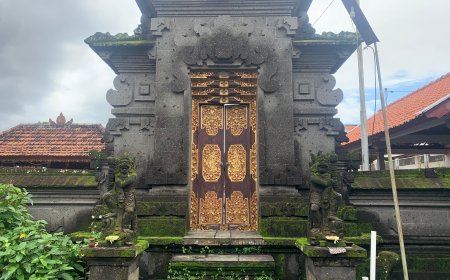
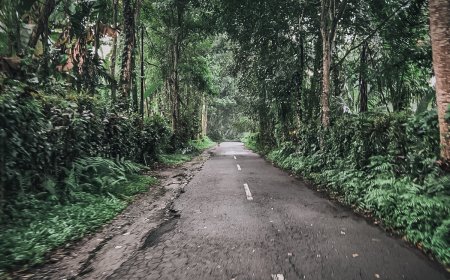
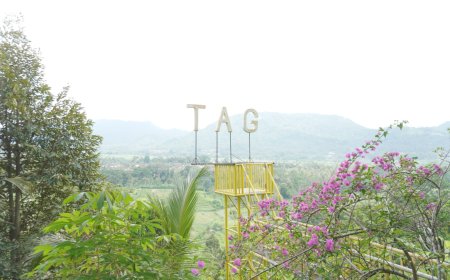
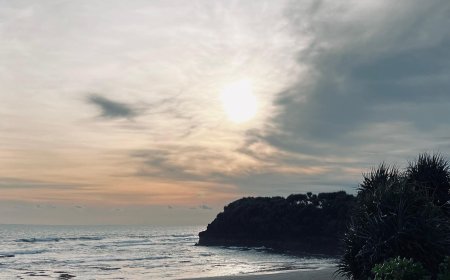
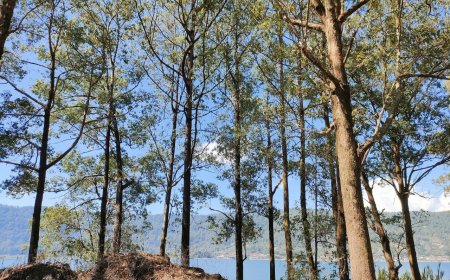
Another Side of Lake Tamblingan (Source: Personal Collection)
There is also a small group rarely known to tourists, called jaga wana and jaga teleng, the guardians of the forest and the guardians of the lake. They are not officials appointed at random, but direct descendants of the people who once helped protect this area since the time of Dewa Bahem. Their duty has been passed down from parent to child, continuing unbroken, even as the surrounding area has turned into a tourist destination complete with photo spots and canoe rentals.