














The Charm of Gitgit Waterfall: From Bustling Village Life to Natural Serenity
Located in Buleleng, North Bali, Gitgit Waterfall offers a unique nature trek hidden behind a local settlement. Before being greeted by the powerful 35-meter cascade, visitors walk past local souvenir kiosks and lush tropical foliage. Its charm is further enhanced by a traditional Candi Bentar split gate that perfectly frames the majestic waterfall from a distance.

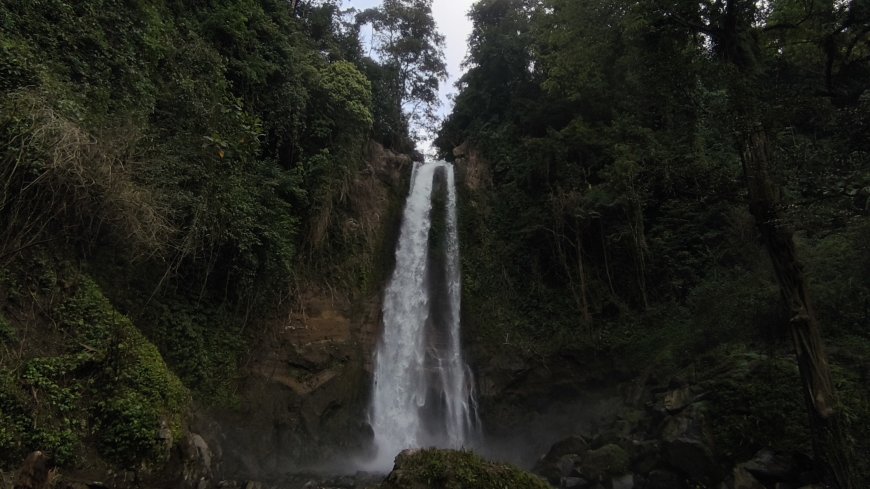
Gitgit Waterfall is located in Gitgit Village, Sukasada District, Buleleng Regency, Bali. Situated along the main highway connecting Southern Bali with Singaraja City, this destination sits at an elevation of around 300 meters above sea level. The highland altitude offers a cool mountain breeze, making it one of the most iconic natural attractions in North Bali.
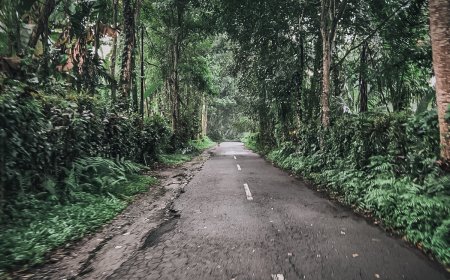
The unique sensation of visiting Gitgit Waterfall is felt as soon as visitors arrive at the main parking area. Unlike many waterfalls whose main features are visible from afar, Gitgit Waterfall remains hidden behind local houses and green valleys. From the starting point, the waterfall is completely out of sight, and even the sound of cascading water is completely inaudible. This characteristic creates a gradual journey, allowing travelers to slowly transition from a bustling local village to the quiet calm of open nature.
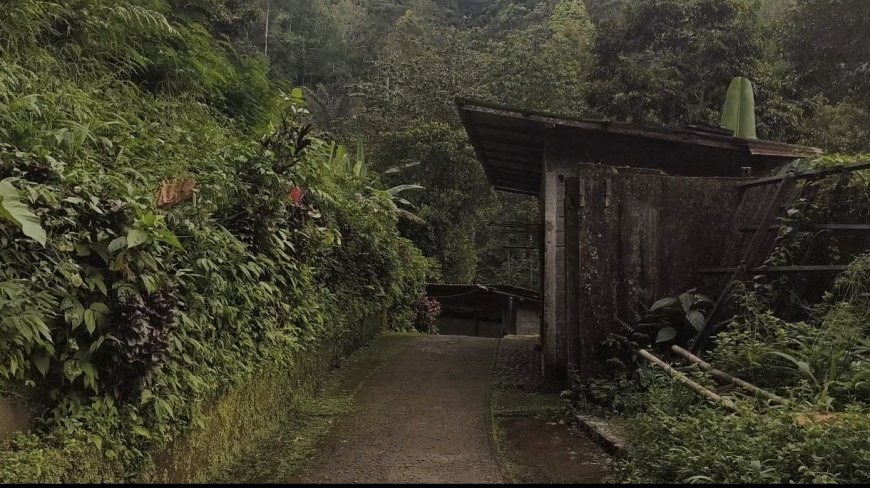
Trek to Gitgit Waterfall (Source: Personal Collection)
The primary access to the waterfall follows a paved footpath with gentle steps cutting through the residential area of Gitgit Village. The initial leg of the track offers a glimpse into the daily lives of the locals. Neatly arranged traditional houses line both sides of the pathway, showing a seamless integration between community living spaces and visitor access routes.
Daily village activities take place right alongside passing domestic and international tourists. Children playing in house yards, residents tending to their gardens, and women preparing daily floral offerings (canang sari) are natural sights along the path. This interaction highlights how tourism development in Gitgit complements rather than displaces the local community, integrating naturally into their everyday living environment.

Vendors' Kiosks Along the Gitgit Waterfall Trek (Source: Personal Collection)
Continuing down the track, residential homes are intermingled with small souvenir kiosks run by local residents. Along the path, vendors sell colorful beach sarongs, knitted bags, hats, traditional textiles, and handcrafted wooden items. This small-scale commercial activity represents the practical application of the Tri Hita Karana philosophy, specifically balancing Parahyangan, Pawongan, and Palemahan, where tourism delivers direct economic benefits to the local community without disrupting their settlement structure.
The presence of local vendors adds a welcoming flavor to the walk. Friendly greetings from residents create a warm atmosphere without being pushy. From an economic standpoint, this setup reflects community-based tourism in practice. Gitgit Waterfall directly supports the livelihoods of local families, generating sustainable, independent employment across generations.
After leaving the residential homes and souvenir stalls behind, the surrounding environment shifts dramatically. Physical structures fade away, replaced by a dense tropical forest canopy. Large trees, ferns, and lush greenery shade the pathway, while the chatter of village life gives way to chirping birds and chirping forest insects. It is at this transition point that the faint rumble of the waterfall first reaches the ears, growing steadily louder with every step down the stairs.
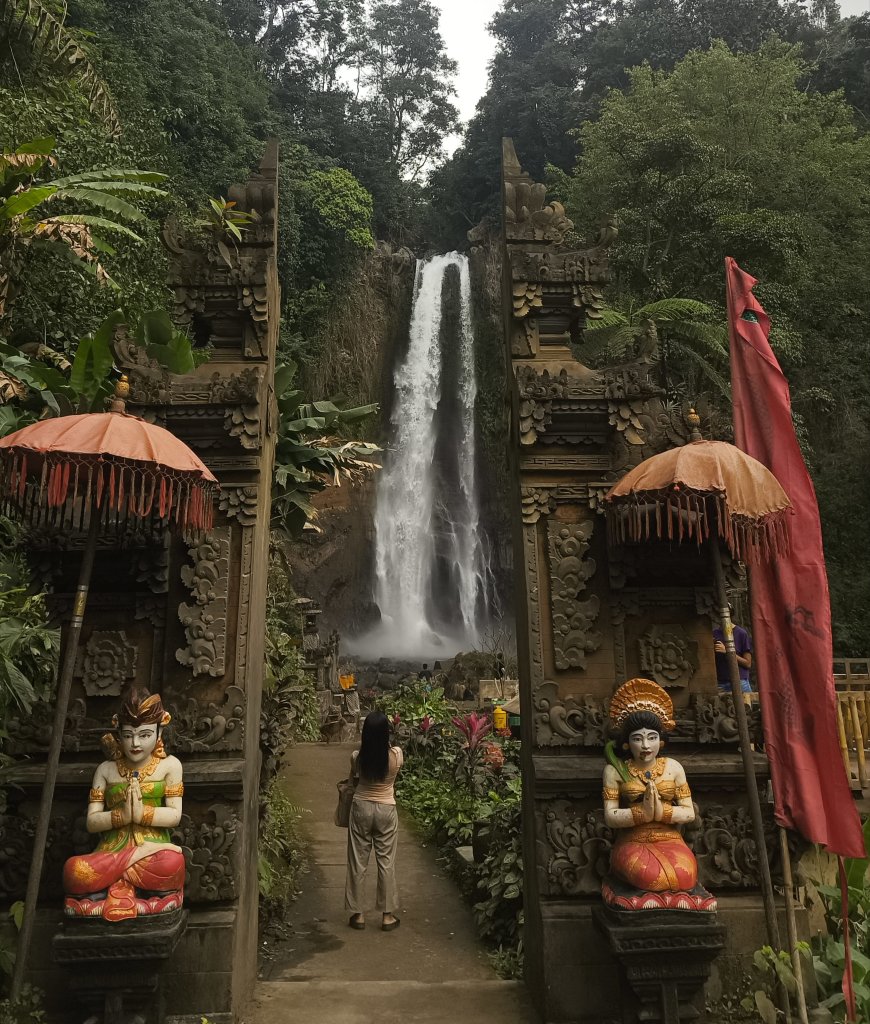
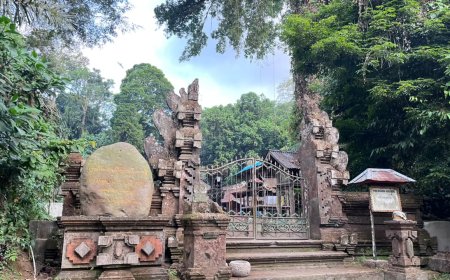
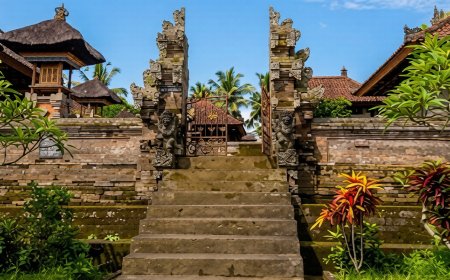
Candi Bentar Gate Framing Gitgit Waterfall (Source: Personal Collection)
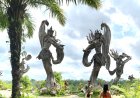
Before reaching the plunge pool, visitors pass through a distinctive piece of traditional Balinese architecture: a Candi Bentar. A Candi Bentar is a classical split gateway without a roof, symbolizing the threshold between two realms of differing sanctity or function. The gate at Gitgit is uniquely situated right in the middle of the footpath, perfectly framing the majestic view of Gitgit Waterfall through its central gap.
Beyond its aesthetic value as a popular photo spot, the Candi Bentar marks a transition into an environmental space respected and preserved by local villagers. Near this gateway, local site attendants and officers are stationed. The staff are known for being welcoming yet protective regarding safety, actively reminding visitors to watch their step on slick river stones and to exercise caution near the heavy spray of the falls.
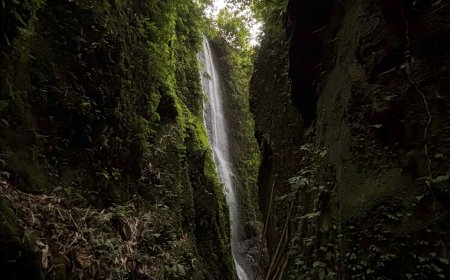
Gitgit Waterfall stands approximately 35 meters tall with a steady year-round water flow. The sheer volume crashing down the cliff face creates powerful wind gusts and a fine cloud of water mist at the base. This mist fills the cool air, coating the surrounding rocks with a fresh, damp layer.
The powerful rush of water and wind beneath the fall provides an intense sensory experience. The echoing roar of crashing water against the gorge walls creates an atmosphere that is both grand and tranquil. Visitors who venture close to the base can feel the direct rush of wind and the invigorating spray of fresh mountain water.
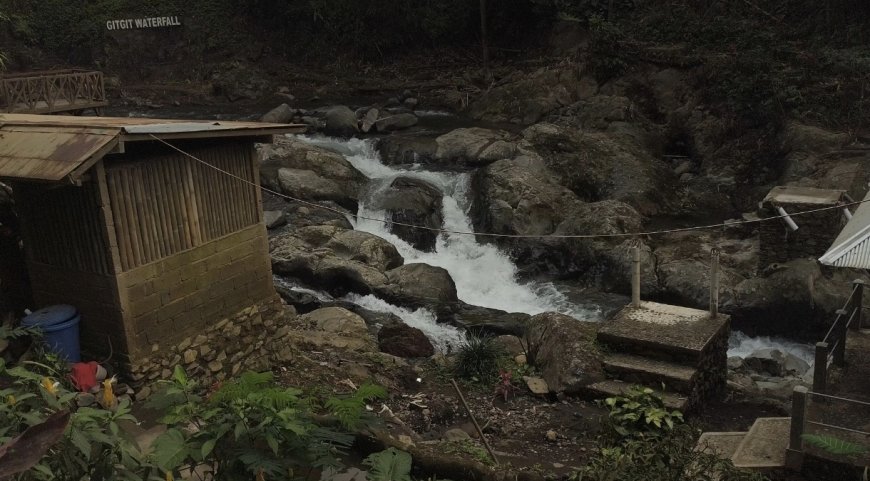
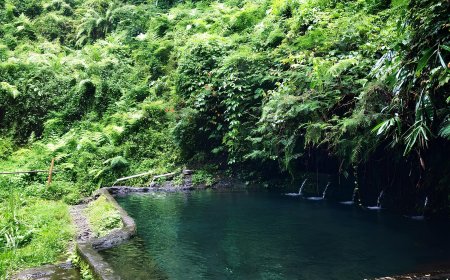
Clear, Rocky River Stream Carrying Runoff from Gitgit Waterfall (Source: Personal Collection)
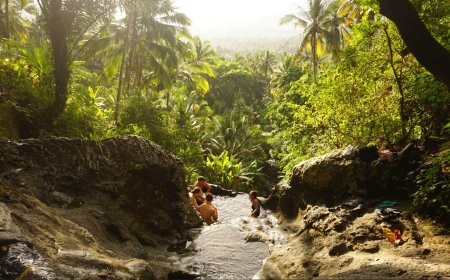
Below the main plunge pool, the water flows out into a clear, rocky river stream that winds down the valley floor. The current here is gentler and shallower than at the base of the waterfall. These rocky banks serve as a favorite spot for visitors to rest, splash their faces with crisp mountain water, or simply relax beneath the shade of forest trees.
Gitgit Waterfall remains a model example of balanced natural tourism in Bali. By combining accessible village trails, local economic involvement through souvenir kiosks, cultural landmarks like the Candi Bentar, and active environmental preservation, Gitgit offers visitors an informative, refreshing, and complete travel experience.