














Yehpoh: When the Spring Becomes Part of the Village's Identity.
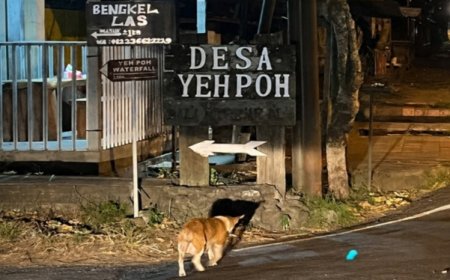
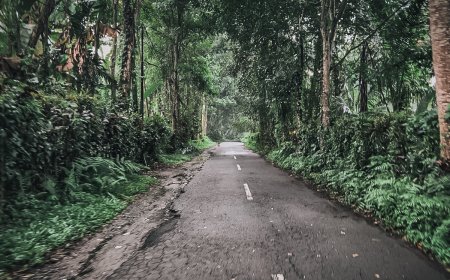
Beneath the serene hills and captivating landscapes of Karangasem lies a long historical narrative rooted in the fourth century AD. Yehpoh Traditional Village an ancient settlement in the Manggis District of Karangasem Regency, Bali is far more than just a place of residence for its inhabitants. It stands as a symbol of a way of life inextricably linked to the natural landscape, local wisdom, and the abundant water resources flowing through the land. The name "Yehpoh" itself embodies a profound philosophy reflecting how the Balinese people of the past lived in harmony with nature, basing their civilization upon its generosity.

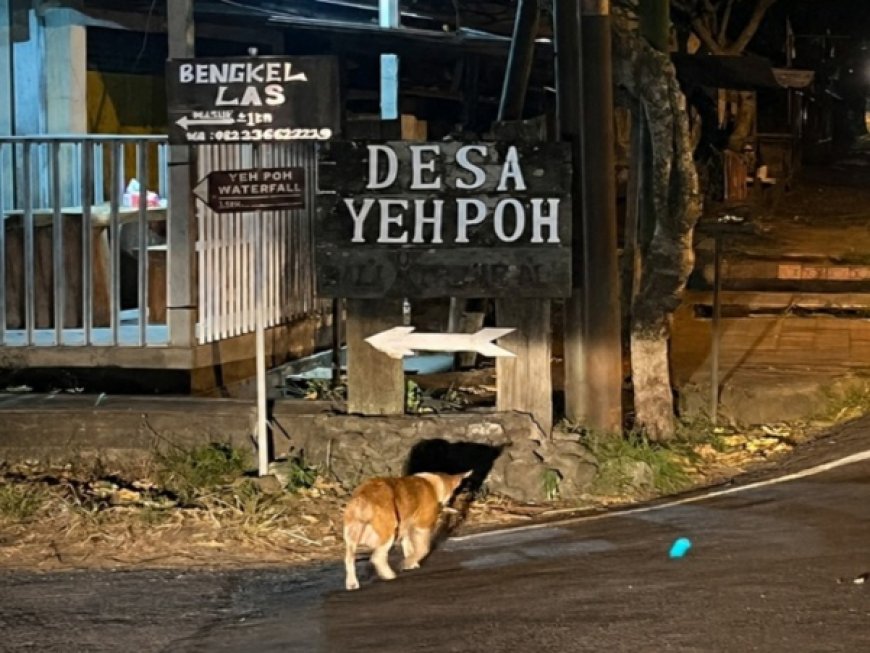
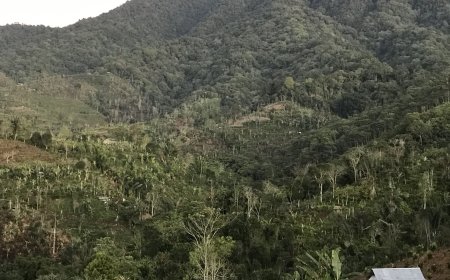
According to historical records contained in the perarem (customary regulations) of Yehpoh Customary Village, this area is one of the oldest settlements in the Karangasem region, having been continuously inhabited since the fourth century AD. In the early stages of its civilization, the settlement was not centralized like the structure of modern customary villages; instead, it was dispersed across various hills and valleys. Historical records indicate that the initial settlers consisted of small family communities distributed strategically, five families settled on Bukit Petak, four in the Kelawah area, four in Pikat, eight in Banjar Kelodan, and four in Banjar Timbul. Over time, through social interaction and developmental dynamics, the population in this hilly area steadily increased.
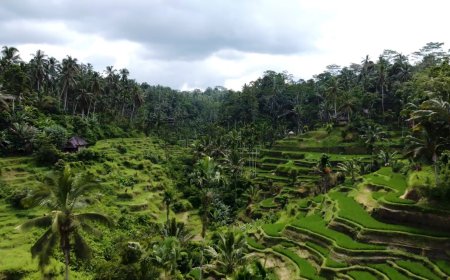
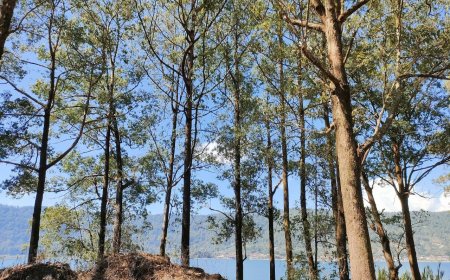
The early community of Yehpoh lived in harmony with the surrounding landscape, utilizing the richness of local flora to sustain their economy and meet daily consumption needs. A long-standing expertise of the local people is the processing of sugar palm sap (nira or tuak aren) into sugar. In addition to processing sap, they engage in regular agricultural cultivation. Every six months, the area yields a variety of fruits, with the standout commodity being the mango known in the local Balinese language as poh. These mango trees grow in abundance throughout the village, providing a plentiful source of livelihood for all the residents.
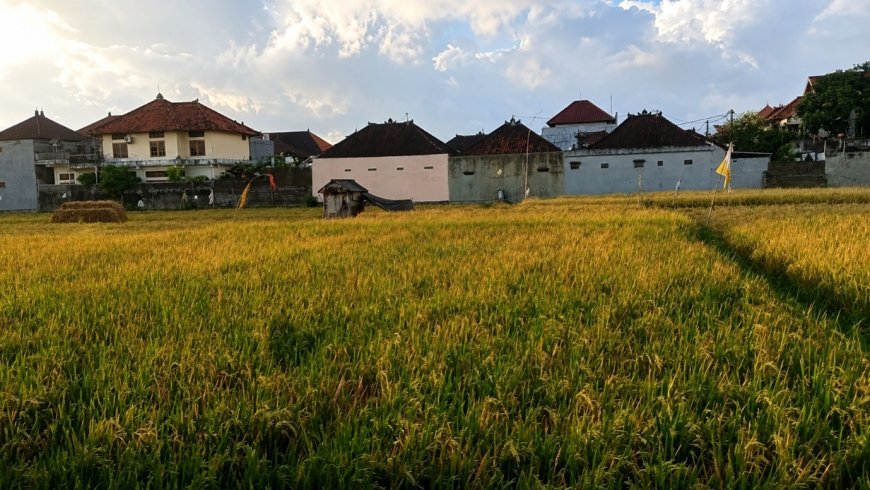 Yellowing Rice Fields and the Village Settlement of Yehpoh (Source: Personal Collection)
The community lived in peace and prosperity. This peace was not without reason, the region was blessed with highly fertile soil and abundant water sources. Water served not only to meet daily needs but also acted as the primary support for agricultural irrigation and the processing of palm sap. The sixteenth century marked the beginning of a new chapter in the region's governance and customary structures. Dalem Ki Psek Muter of Selat Duda dispatched settlers to the area and officially established the Yehpoh Customary Village, with an initial population of twenty-five people.
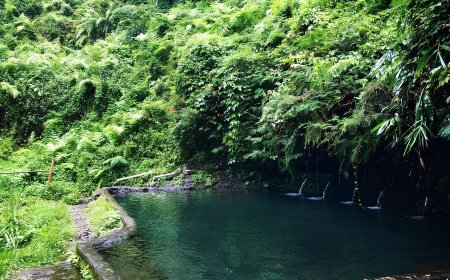
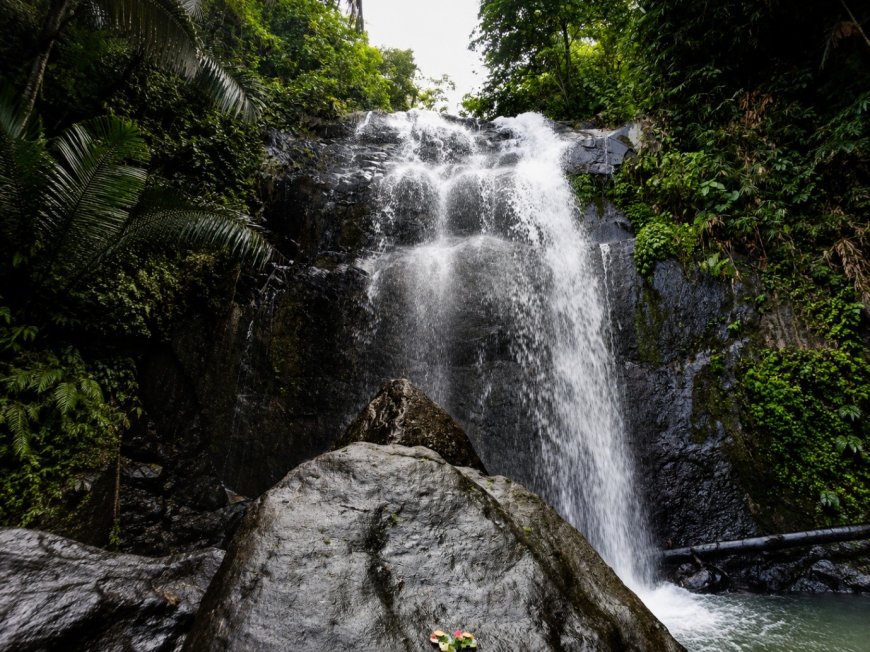 Nagrusatu Spring (Source: Personal Collection)
The name Yehpoh is rooted in strong etymological and historical foundations. The word Yeh signifies the presence of the clear and abundant Nagrusatu water source vital to the villagers' livelihoods as well as the palm sap (nira or tuak aren) processed into sugar. Meanwhile, the word Poh represents the mangoes that grow in abundance on their land, serving as a primary agricultural commodity. The refreshing flow of the Nagru water not only sustains the village's farmlands but also deepens the residents' spiritual connection to the surrounding natural environment. The combination of these two elements into the village's name underscores that the identity of Yehpoh Customary Village stems from the residents' reliance on and gratitude for the purity of the Nagrusatu water and the fertility of their soil.
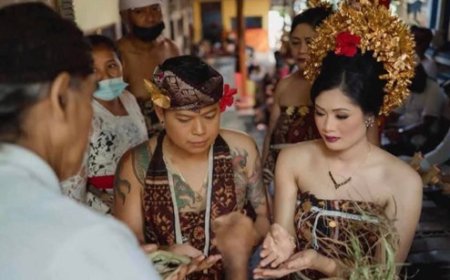
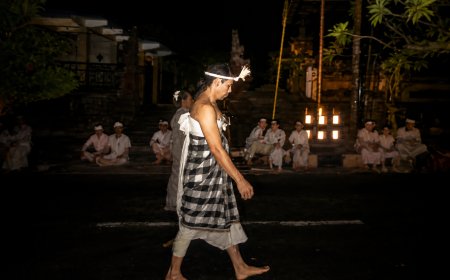
The long journey of the Yehpoh Traditional Village spanning from the fourth century to the present day demonstrates how a community has sustained its civilization through a profound bond with nature. The name Yehpoh is more than a mere geographical designation, it stands as a living monument to the harmonious relationship between humanity, water (yeh), and the land’s bounty of fruit (poh). Through the enduring legacy of Medesa Selae values and a historical awareness of the purity of the Nagrusatu water source, the residents of Yehpoh continue to nurture the noble identity that has sustained them for centuries, ensuring it remains the guiding spirit for the village's future.