





From Tradition to Creative Industry: Sandat Flower as a Potential Signature Balinese Perfume
Amid the bustle of the global perfume market, which is largely dominated by modern French-inspired fragrances, Bali holds a precious aromatic treasure: the Sandat flower (Cananga odorata). Its elegantly curved petals, with their distinctive yellowish-green color, have been an inseparable part of Balinese life for hundreds of years. As the creative industry continues to grow and the trend toward unique fragrances (niche fragrances) becomes increasingly popular, this exotic scent has great potential to move beyond traditional ritual offerings and into luxury perfume bottles for the international market.

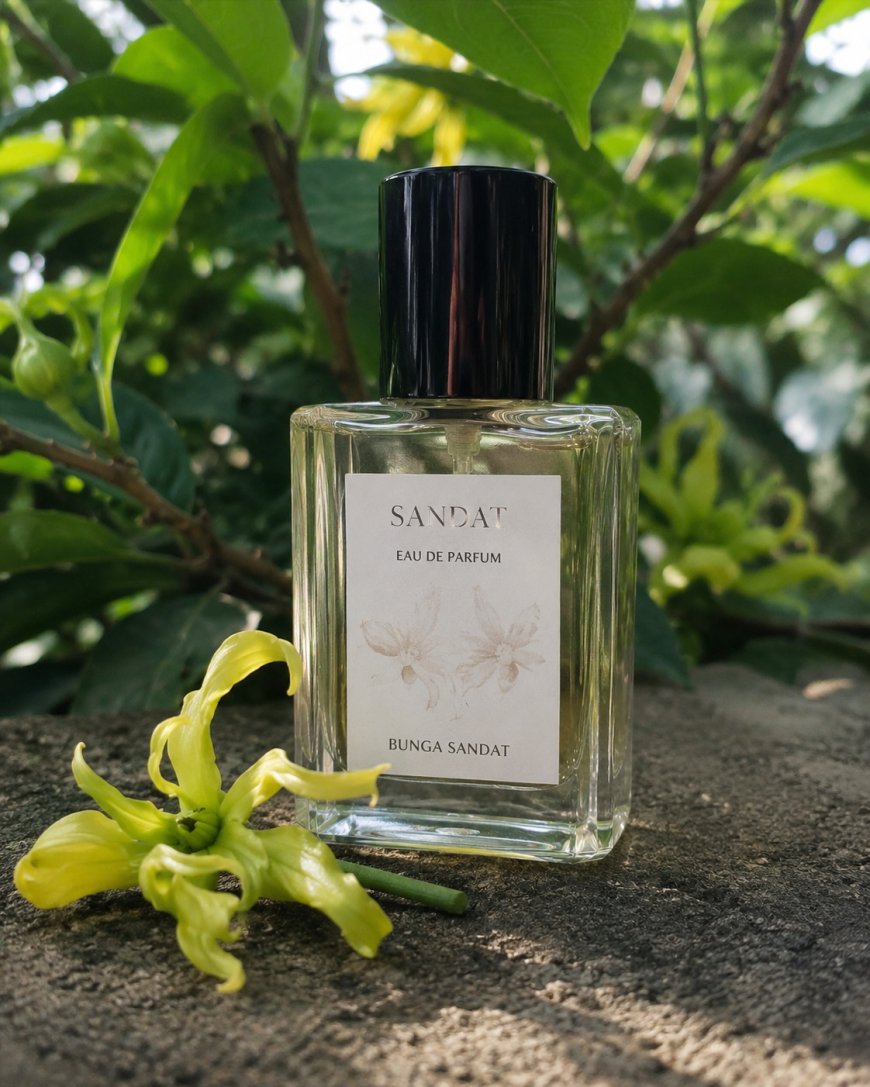
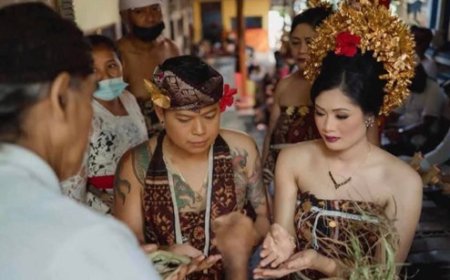
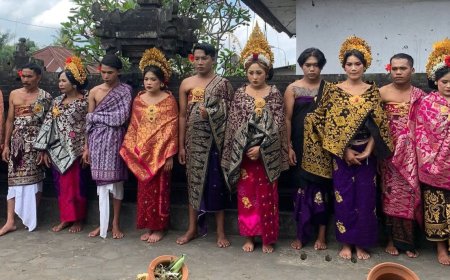
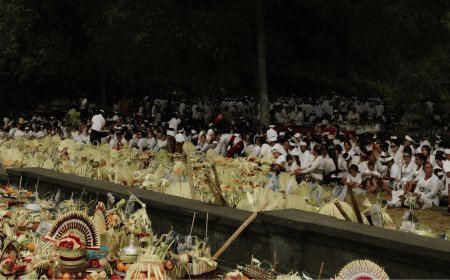
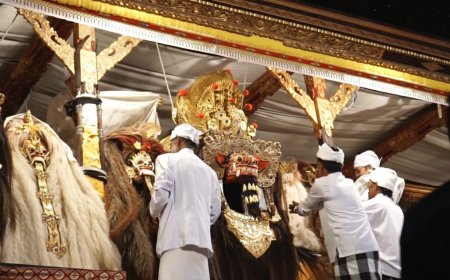
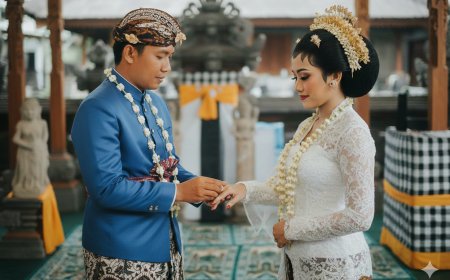
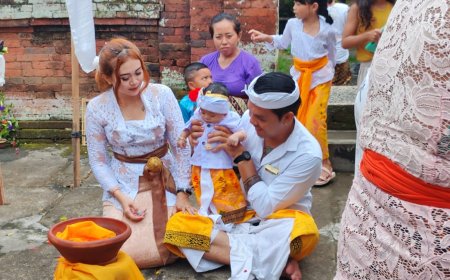
Botanically, the Sandat flower is a variety of the ylang-ylang plant that thrives in Bali’s tropical climate. Since ancient times, the plant has been cultivated in home gardens (natah) and around temples because of its fragrant aroma, which becomes particularly noticeable toward dusk. For the Balinese people, Sandat holds a sacred position within Balinese Hindu teachings and the concept of Tri Hita Karana, representing purity, peace of mind, and harmony with the Creator. The flower can often be found in arrangements of canang sari and in various traditional ceremonial equipment. Beyond its use in offerings, Sandat flowers are traditionally woven into the hairstyles of Balinese brides as a symbol of elegance. They are also used as a natural ingredient in boreh, a traditional herbal preparation believed to help relax the body and stimulate blood circulation.
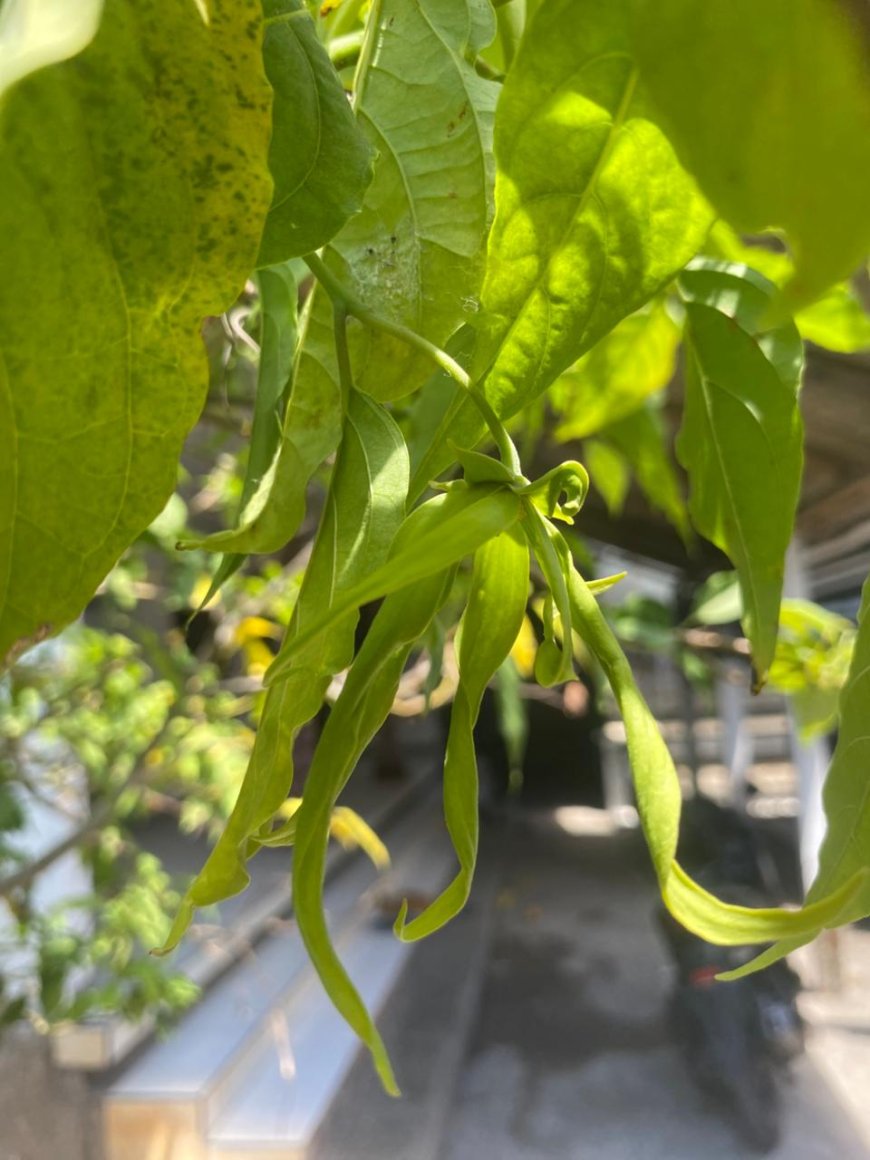
Ylang-Ylang Flowers on the Tree (Source: "Personal Documentation")
From a perfumery perspective, the Balinese sandat flower is a close relative of the renowned Ylang-Ylang in the global fragrance industry. Its aroma has a rich white floral profile, combined with balsamic nuances, subtle spicy notes, and a captivating heavy sweet undertone. Molecularly, sandat essential oil is rich in active compounds such as linalool, geranyl acetate, and caryophyllene, which are associated with calming (sedative) aromatherapy effects and anxiety relief. Its warm aromatic character makes sandat oil highly suitable as both a heart note and a base note. The processing of sandat flowers into high-quality perfume requires precision from beginning to end. The process begins with precise harvesting, in which the sandat flowers are picked at dawn, before the sunlight becomes too intense, in order to maintain optimal levels of essential oils within the flowers. The next stage is extraction. For traditional or medium-scale production, the method commonly used is steam distillation. The flowers are placed above high-pressure hot steam, causing the oil-containing cells to rupture and release their volatile compounds along with the steam. The vapor is then directed through a cooling tube (condenser) until it condenses back into a liquid mixture of water and oil. Since the oil has a lower density than water, the pure sandat essential oil can be separated from the upper layer. For luxury fragrance industry standards, a more refined solvent extraction method can be used, employing a purified solvent such as n-hexane to process fresh flower petals into concrete, a wax-like aromatic extract. This is then further purified using alcohol to produce sandat absolute—the most concentrated form of the extract, with an aroma that most closely resembles the original scent of the flower on the tree.
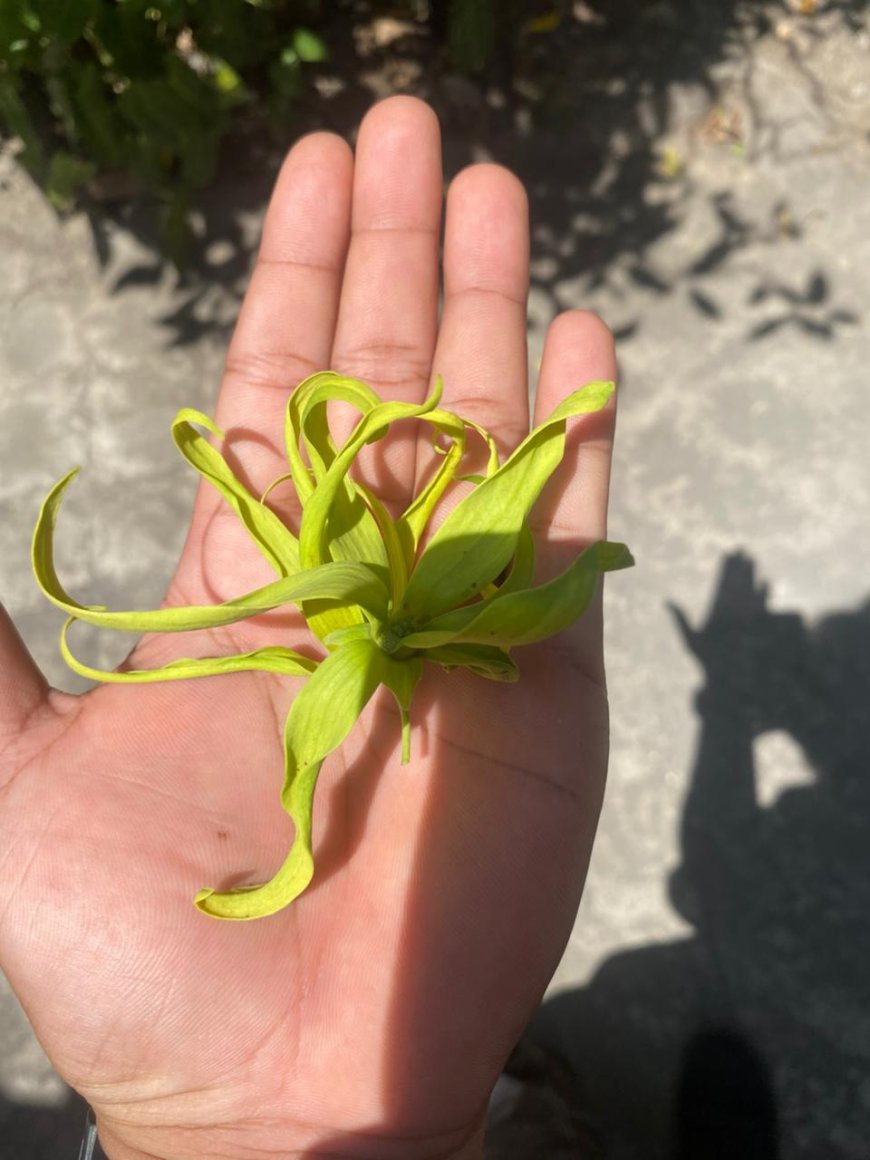
Ylang-Ylang Flower (Source: "Personal Documentation")
After obtaining the pure oil extract, the process continues to the formulation and maturation stages of the perfume. The fragrance blending process is carried out by a perfumer, who combines sandat oil as the heart note with other complementary ingredients, such as fresh top notes (for example, kaffir lime or bergamot) and strong base notes (such as Balinese sandalwood or vetiver). This concentrated oil mixture is then diluted in a specialized fragrance alcohol (denatured alcohol/perfumer’s alcohol) at a specific concentration ratio, typically around 15% to 20% for Eau de Parfum (EDP). The next important stage is maceration, or maturation, in which the perfume liquid is stored in dark glass containers in a cool, low-light environment for approximately 4 to 6 weeks. This aging process allows the various aromatic components to integrate, resulting in a more harmonious, smooth, and long-lasting fragrance. The final stage involves chilling and filtration to remove any remaining waxes or precipitates, ensuring that the perfume liquid becomes perfectly clear before being filled into an exclusive bottle. The great potential of the sandat flower is becoming increasingly apparent as global consumer interest in story-driven fragrance products continues to grow. Pure sandat oil has a versatile character that allows it to be blended with other exotic local ingredients. Combining it with Balinese sandalwood and vetiver creates a luxurious, warm, and meditative woody floral profile. Meanwhile, a combination of cloves, cinnamon, and vanilla produces an elegant spicy gourmand aroma, while blending it with frangipani and kaffir lime creates a fresh tropical scent that evokes the atmosphere of a holiday on the Island of the Gods.
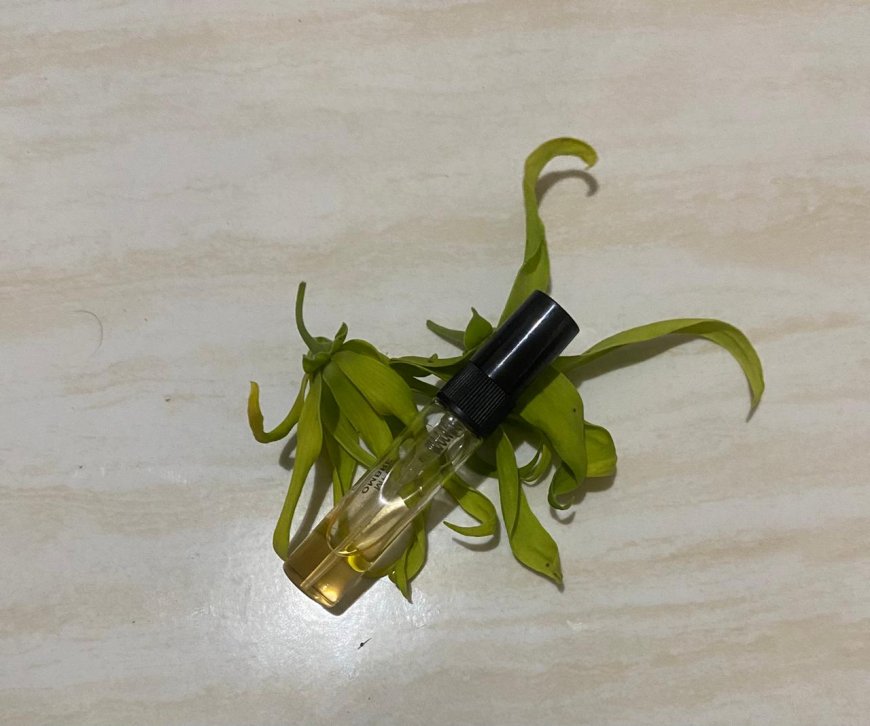
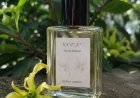
Perfume Made from Sandat Flowers (Source: "Personal Documentation")
This potential can also be holistically integrated with the tourism sector through the concept of Olfactory Tourism (Aroma Tourism). Tourists would not only enjoy the visual beauty of Bali but also be invited to visit sandat cultivation gardens, learn about the distillation process, and participate in workshops to create their own signature perfumes. Furthermore, the sustainable development of this industry would encourage sandat cultivation to evolve from merely a backyard plant into a high-value agricultural commodity. This would create tangible socio-economic impacts by providing a more certain market for local farmers, involving women farmer groups in precision harvesting, and strengthening the supply chain of Bali’s creative industry as a whole.
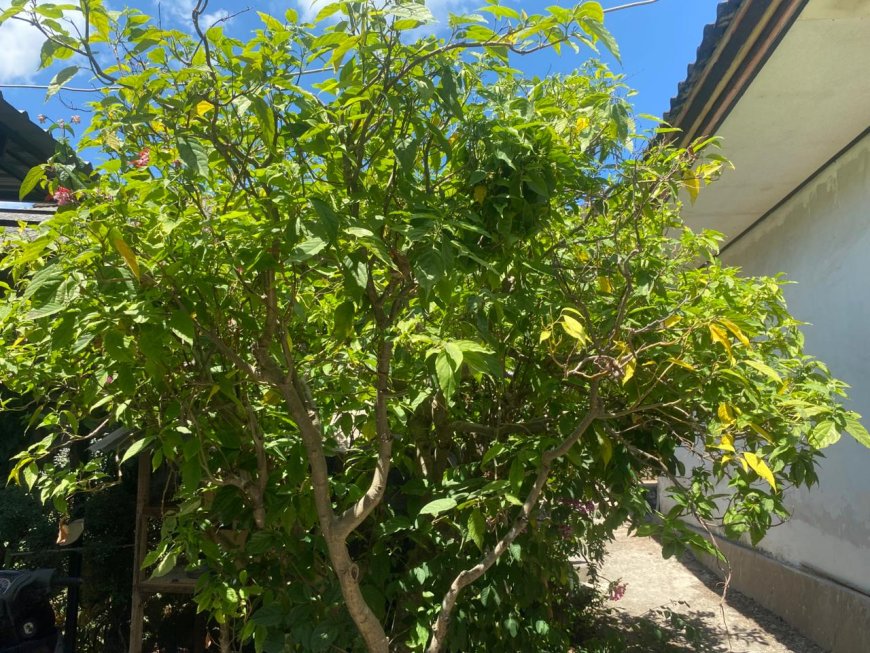
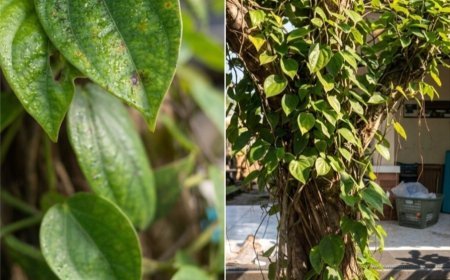
Sandat Flower Tree (Source: "Personal Documentation")
The sandat flower is a tangible example of how ancestral heritage can be transformed into a high-value economic commodity without losing its cultural identity. With the support of modern distillation research, well-developed fragrance formulations, elegant packaging design, and marketing strategies rooted in traditional narratives, sandat flower perfume not only helps preserve Bali’s cultural heritage but is also ready to elevate Indonesia’s name on the global fragrance stage.