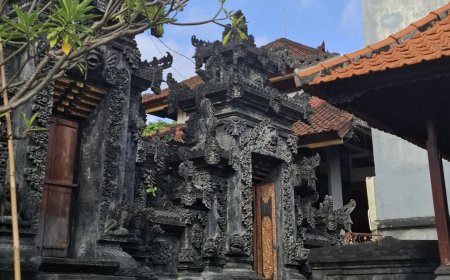
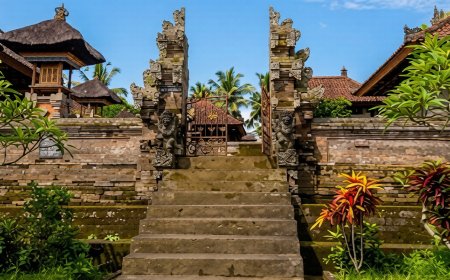










When Bali Greets the World: Architecture and the Diversity of Asia-Pacific Art at Museum Pasifika Nusa Dua
Museum Pasifika in Nusa Dua presents an encounter with Asia-Pacific art within a space rooted in Bali’s local values. Through its architecture, cross-cultural collections, and artworks that capture the spirit of the Island of the Gods, the museum positions Bali as a meeting point of world cultures.

Museum Pasifika is located within the ITDC Nusa Dua tourism complex in southern Bali, an area long known as a meeting place for international visitors. Amid Nusa Dua’s image as a modern and global tourism destination, Museum Pasifika emerges as a cultural space that offers a different experience: exploring Asia-Pacific fine art through a Balinese perspective. The museum was established in 2006, initiated by Mochtar Riady in collaboration with Philippe Augier, and officially inaugurated by the sixth President of the Republic of Indonesia, Susilo Bambang Yudhoyono.
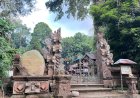
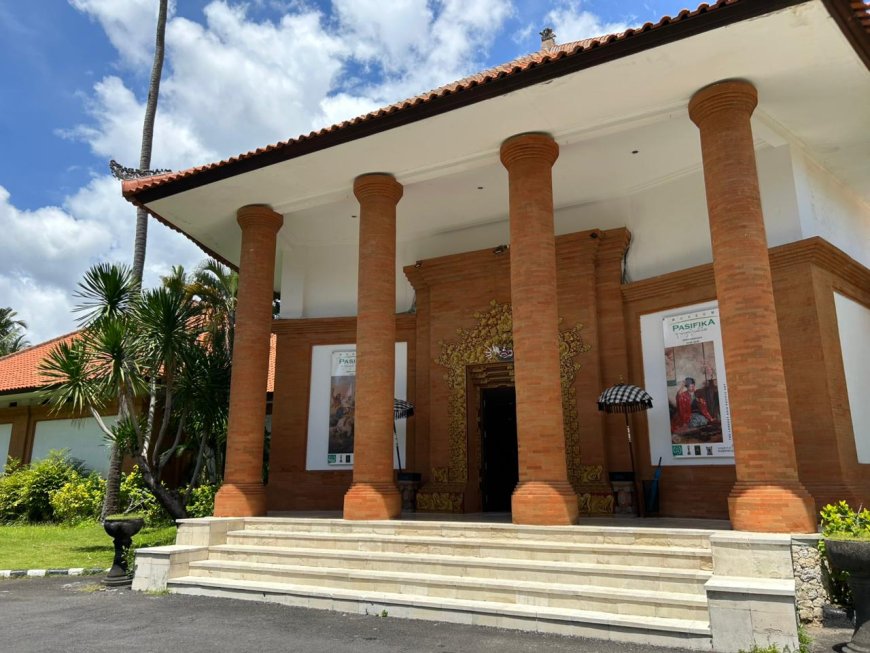
The Museum Pasifika building was designed by Balinese architect Popo Danes, who is widely recognized for his approach to integrating modern architecture with local wisdom. At first glance, the museum does not appear excessively monumental; instead, it conveys a calm and dignified presence. The use of paras stone, natural color tones, and an open architectural composition reflects Balinese architectural principles that emphasize balance between space, light, and the surrounding environment.

Architectural details of Museum Pasifika showing the integration of Balinese aesthetics (Photo Source: Personal Collection)
The architecture of Museum Pasifika functions not merely as a container for artworks, but as part of the cultural narrative itself. Wide spatial openings allow natural light to enter softly, creating an atmosphere that supports contemplation. The gallery spaces are designed so that artworks do not overwhelm visitors, but instead engage them in a gradual dialogue, aligning with the Balinese understanding of space as a place for breathing and connection.
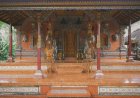
The museum houses more than 600 artworks by approximately 200 artists from 25 Asia-Pacific countries, displayed across 11 main exhibition rooms distributed within eight pavilions. Each pavilion has distinct lighting and spatial characteristics, allowing visitors to experience the collection in a continuous and non-monotonous flow.

One of the gallery rooms at Museum Pasifika displaying art collections (Photo Source: Personal Collection)
Museum Pasifika’s collection reflects the cultural diversity of the Asia and Pacific regions. It includes works by Indonesian artists and European artists who once worked in the Indonesian archipelago, Southeast Asian collections from Laos, Vietnam, and Cambodia, artworks from Polynesia and the Pacific region, as well as pieces from Japan, China, and other Asian countries. The paintings, sculptures, and artifacts on display do not merely present visual beauty, but also record social life, natural environments, spirituality, and cultural perspectives unique to each region.
Amid this wide range of international collections, Bali’s local values remain strongly and consistently present. Museum Pasifika intentionally positions works by Balinese artists and artworks inspired by Bali as an essential part of its exhibition narrative. Bali is not presented merely as a backdrop, but as an active subject within the dialogue of Asia-Pacific art.
One artwork that strongly represents Balinese local values is “The Legend of Men Brayut” by Hadi Asmoro. Crafted from mahogany wood, the piece draws upon a Balinese folktale about the figure of Men Brayut, a mother who symbolizes resilience, sacrifice, and compassion. Through powerful figurative imagery, the artwork conveys values of family and spirituality that form the foundation of Balinese society.

“The Legend of Men Brayut” by Hadi Asmoro (Photo Source: Personal Collection)
Balinese narratives are also presented in monumental form through the Ramayana painting by I Gusti Kobot, a Balinese artist known for his distinctive classical painting style. This large-scale artwork depicts the Ramayana epic within a single canvas rich in detail and visual dynamism. The piece is recognized as the largest Ramayana painting on canvas, demonstrating how Balinese literary and mythological traditions are translated into a grand visual art expression.

Ramayana painting by I Gusti Kobot (Photo Source: Personal Collection)
In addition to works by Balinese artists, Museum Pasifika also showcases artworks by foreign artists who were inspired by Bali. Through different perspectives, these artists capture Bali’s landscapes, social life, and spiritual atmosphere. These works reveal how Bali is perceived, interpreted, and reimagined within a global visual language, while simultaneously affirming the island’s role as a cross-cultural source of inspiration.

“Ni Tjawan” by Dutch artists W. Gerard Hofker (Photo Source: Personal Collection)
Museum Pasifika is open daily from 10:00 a.m. to 6:00 p.m. (WITA), with an entrance fee of IDR 100,000 for international visitors, IDR 70,000 for domestic visitors, and IDR 30,000 for university students. Further information regarding visits and collections can be accessed through the museum’s official website.
Ultimately, Museum Pasifika is not merely an art gallery, but a space where Bali greets the world through visual language. Architecture rooted in local values, diverse Asia-Pacific art collections, and the presence of works by Balinese artists alongside Bali-inspired artworks position the island as a living, serene, and meaningful cultural meeting point.