


















Harmony of Past and Present: Reviving the Legacy of Majapahit at Bali Abode Gallery
A living curation at Bali Abode Gallery reconnects the legacy of Majapahit, Balinese traditions, and Nusantara narratives within a warm and contemporary space. Through Ider-Ider, ceremonial artifacts, sacred statues, and ancient lontar manuscripts, visitors are invited to explore how Balinese culture continues to flourish amid the currents of time. A visit to this gallery becomes a journey across a bridge of time, proving that the past still pulses and finds new expression in the present.

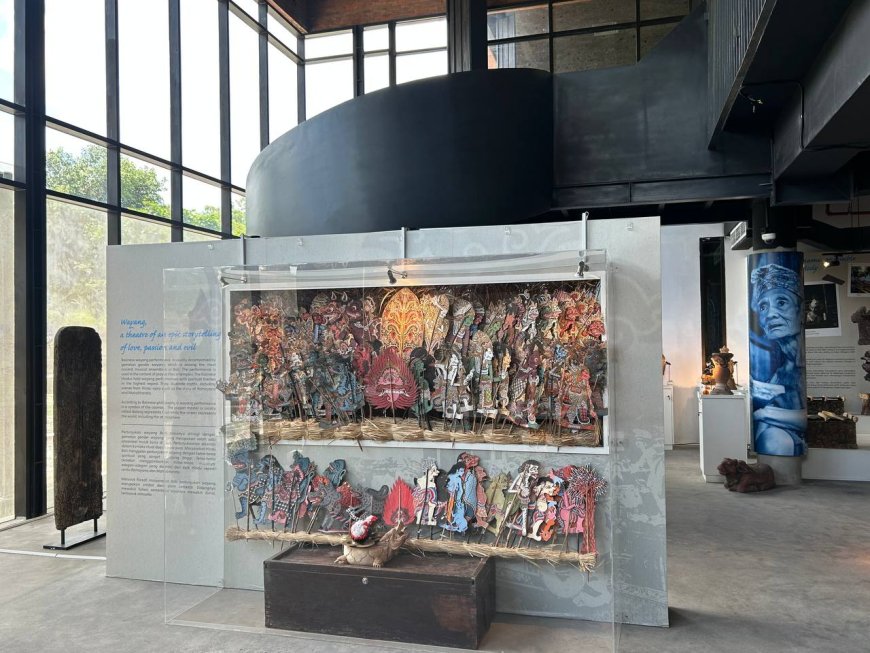
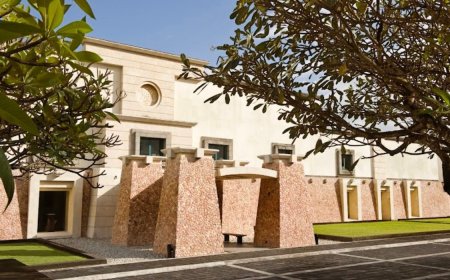
Amid Bali’s rapid modernization, Bali Abode Gallery at KEK Kura-Kura, Serangan Island, offers a serene space where the past meets the present. The gallery showcases how the influence of Majapahit, Balinese traditions, and Nusantara cultural narratives continues to live and resonate today.
Under the direction of Deasih S. Sudarman, the gallery opened during the 2022 G20 Summit and quickly attracted visitors eager to understand the roots of Balinese culture from a deeper perspective. Upon entering, visitors are immediately presented with a meaningful collection, ranging from the bronze statue of Dewi Sri, symbolizing fertility and harmony with nature, to distinctive Majapahit artifacts that reveal the enduring impact of this great kingdom on Bali’s architecture, art, and belief systems.

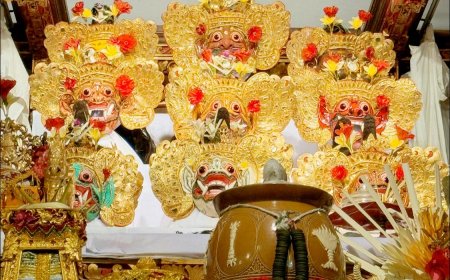
Traditional Balinese Ider-Ider (Source: Private Collection)
Among the captivating collections is the Ider-Ider, a long decorative Balinese cloth adorned with narrative motifs. At Bali Abode, the Ider-Ider presents a tapestry of cross-cultural stories, including the legendary tale of Sampek Ingtai from China, a classic love story often referred to as the Chinese “Romeo and Juliet.” It doesn’t stop there the Ider-Ider also depicts episodes from the Ramayana, alongside other epic tales commonly featured in Balinese visual arts. Through the intricacy of its motifs and craftsmanship, visitors can witness how Balinese communities have long used cloth not merely as decoration, but as a medium for storytelling.

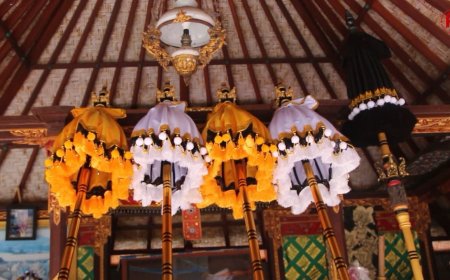
Ceremonial Instruments (Source: Private Collection)
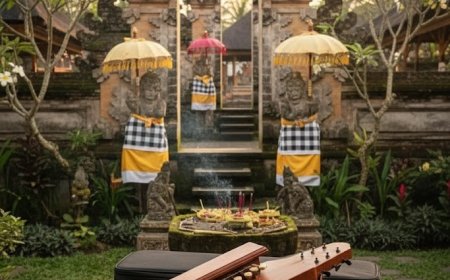
In addition, the gallery showcases a variety of ceremonial instruments used by Balinese communities for yadnya (offerings), such as bokor, dulang, worship tools, and ritual equipment that highlight the close relationship between humans and the spiritual realm. This collection helps visitors understand that ceremonies are not merely traditions, but a way of life for the Balinese in maintaining harmony with nature and showing respect to their ancestors. Equally significant, Bali Abode preserves lontar, traditional manuscripts that serve as sources of knowledge on law, medicine, literature, and spiritual teachings. These lontar are carefully stored in lontar cases intricately carved boxes or containers designed to protect the sacred texts from light, humidity, and damage.

Bali Abode Museum (Source: Private Collection)
The overall experience of visiting Bali Abode feels like walking across a bridge of time, witnessing how the legacy of Majapahit, Balinese traditions, and cross-cultural influences coexist in a warm, contemporary curation that sparks curiosity. The gallery is open to everyone and can be visited daily from 9:00 AM to 5:30 PM Central Indonesia Time, allowing visitors to enjoy each collection at their own pace. Through this space, Bali Abode not only invites people to understand history but also to feel that culture is alive retold, reimagined, and passed down from one generation to the next.