













From Clay to the World’s Table: Jenggala Ceramics as an Expression of Modern Balinese Culture
Jenggala Ceramics is a compelling embodiment of Balinese tradition reimagined through modern design. Each ceramic piece is not only functional, but also carries a deeper philosophy of balance and harmony. By bridging traditional artistry with contemporary innovation, Jenggala stands as a timeless symbol of Bali’s cultural richness.

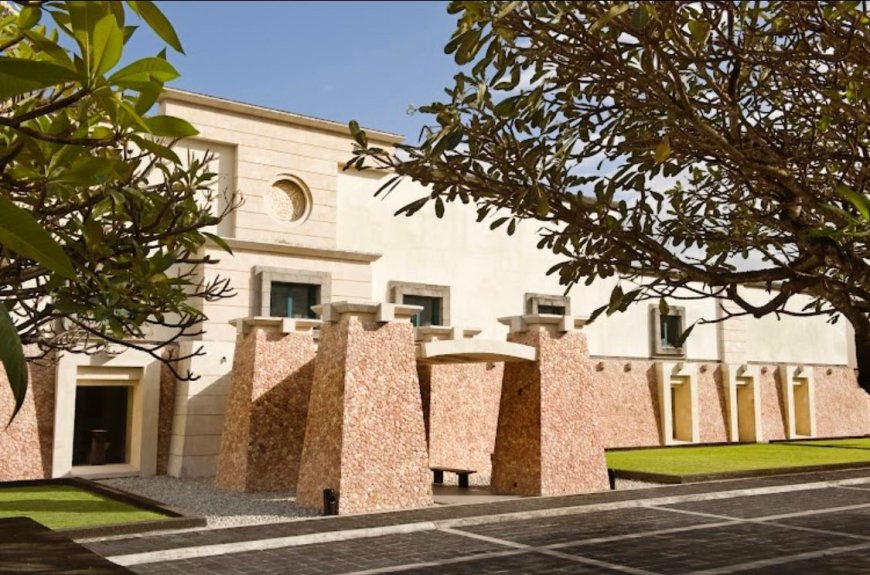
In the Jimbaran area of Bali, art does not only live through sacred dances, traditional ceremonies, and temple architecture, but also grows through a quieter medium with long-lasting endurance: ceramics. Behind its functional nature, ceramics hold traces of the human relationship with nature, earth, and handcrafted skills passed down across generations. One tangible manifestation of the development of ceramic art in Bali is Jenggala Keramik, a center of production and creativity that for decades has become a space for dialogue between tradition and the needs of the modern era. Jenggala Keramik does not merely produce utilitarian objects; it presents works that carry aesthetic value, function, and Balinese cultural identity in a contextual form. Established in 1976, Jenggala Keramik was born from the idea of developing high-quality ceramic craftsmanship through a professional approach, without letting go of the roots of Balinese art and culture that serve as its spirit. Starting on a relatively small scale, Jenggala grew and developed into a pioneer of modern ceramics in Indonesia. Its growth process cannot be separated from the involvement of local artisans, designers, and skilled experts who consistently transform clay into works of high artistic value. Along the way, traditional skills were not abandoned; instead, they were inherited, refined, and renewed through design innovation that meets global market needs without losing local character.
The presence of Jenggala Keramik in Jimbaran carries a meaning far beyond being merely a production site. Jimbaran is known as a coastal area that has grown rapidly within the tourism sector, yet it still preserves space for artistic and cultural activities. Amid these dynamics, Jenggala exists as a production space as well as a gallery, where visitors can directly witness how ceramics are created through the stages of shaping, firing, and final finishing. This process builds an understanding that every ceramic piece is not produced instantly, but through a sequence of work that demands meticulousness, patience, and experience. Thus, Jenggala functions not only as a creative industry, but also as a cultural education platform that brings together artists, artisans, and the wider public.
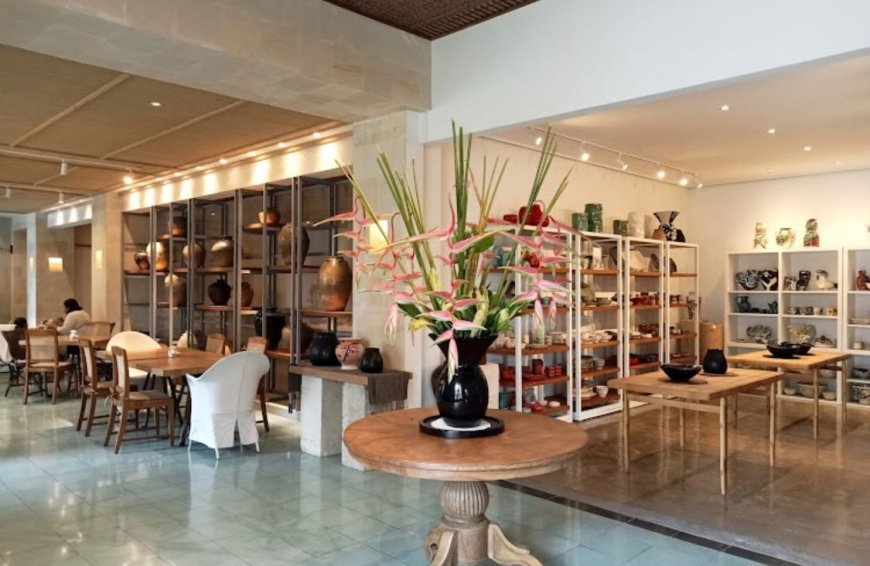
The Atmosphere of the Jenggala Keramik Gallery (Source : Personal Collection)
Jenggala Keramik’s products include a wide range of forms, from tableware and vases to decorative objects widely used in hotels, restaurants, and star-rated resorts in Bali as well as in various countries. Behind their practical function, each work carries a design concept inspired by Balinese nature, everyday life, and the philosophy of balance and harmony that forms part of the local worldview. The colors, textures, and shapes presented reflect an effort to maintain harmony between visual beauty and usability, making ceramics not merely room accessories, but part of an aesthetic and cultural experience.
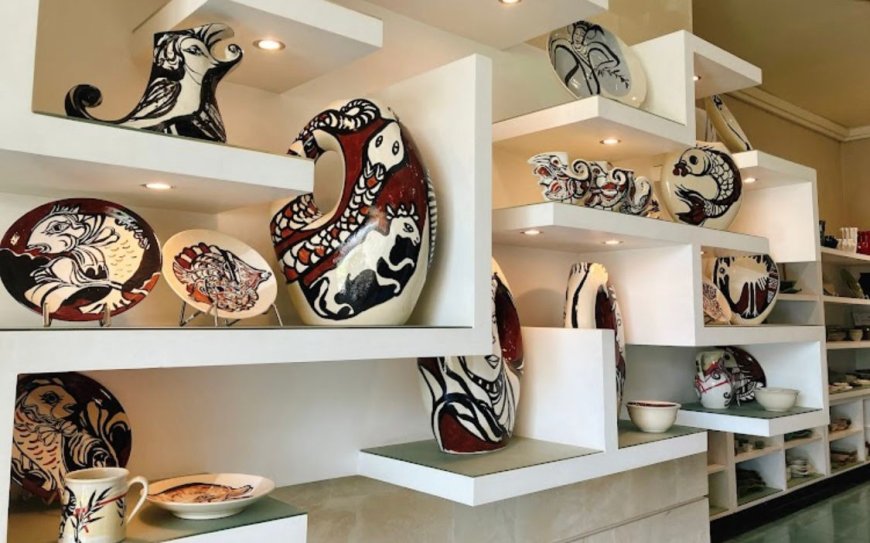
Jenggala Keramik Products with Modern Design and Color Variations (Source : Personal Collection)
The uniqueness of Jenggala Keramik lies in its ability to combine traditional techniques with a modern approach in balanced proportions. The production process is carried out through material exploration, design experimentation, and strict quality control. Although contemporary technology is used in certain stages, the artisans’ touch remains the main element that gives character to every product. Small differences in shape, texture, and final results become markers of authenticity, showing that ceramics are the result of a dialogue between humans, material, and process.
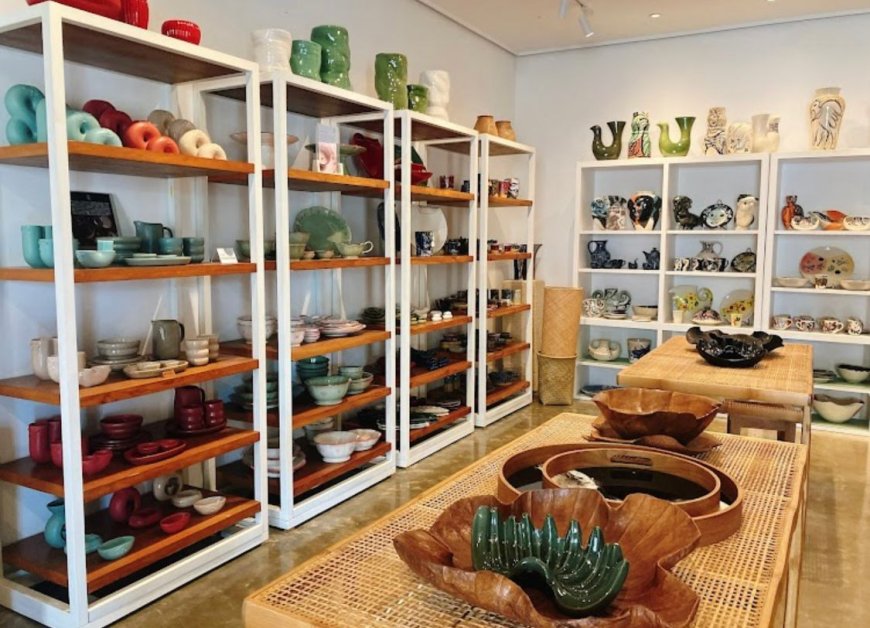
A Variety of Products and Works Produced by Jenggala Keramik (Source : Personal Collection)
More than a business unit, Jenggala Keramik also serves as a medium for spreading Balinese culture on a global level. Through products used in various international public spaces, Balinese aesthetic values and philosophies become present in the daily lives of people around the world. This presence shows that culture does not always have to be displayed through rituals or performances, but can also live and carry meaning through functional objects used routinely. In this sense, ceramics become a visual language that conveys cultural values without needing to be spoken.
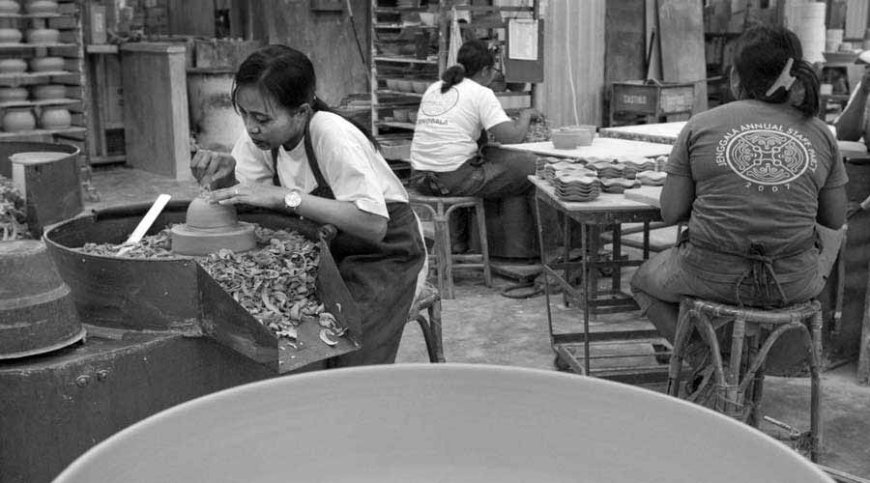
The Ceramic-Making Process by Jenggala Artisans (Source : Special permission from Jenggala)
Within the landscape of contemporary Balinese cultural development, Jenggala Keramik is an example of how tradition can adapt without losing its identity. It bridges the past and the present, the local and the global, art and function. Through ceramics, Jenggala affirms that culturally rooted creativity has enduring vitality, as long as it continues to be nurtured, developed, and interpreted contextually in response to changing times.
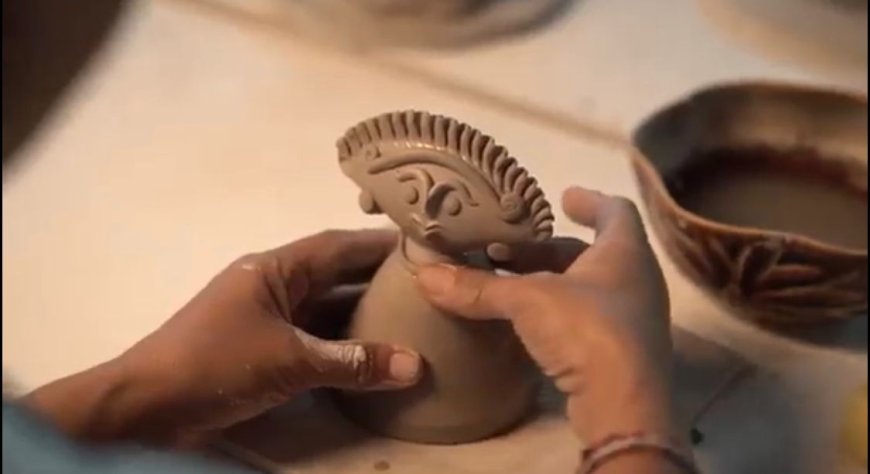
Ceramic Details with Hand-Carved Ornamentation (Source : Special permission from Jenggala)