
















Rejang Sutri: An Apotropaic Dance to Soothe the Wrath of Ida Ratu Gede Mas Mecaling
Rejang Sutri is a sacred wali dance preserved by the people of Desa Pakraman Batuan, Gianyar, Bali. It functions not only as a religious offering but also as a symbol of spiritual reconciliation and an apology to Ida Ratu Gede Mas Mecaling for conflicts of the past. Performed by women of all ages, the dance originates from oral tradition and is believed to maintain balance between the seen (sekala) and unseen (niskala) realms, especially during the fifth to ninth lunar months, a period considered vulnerable to spiritual disturbances. Beyond serving as a protective ritual (tolak bala) and a prayer for safety, Rejang Sutri reflects values of purity, sincerity, communal harmony, and cosmic balance, affirming the Batuan community’s commitment to preserving ancestral heritage and sustaining spiritual equilibrium for collective well-being.

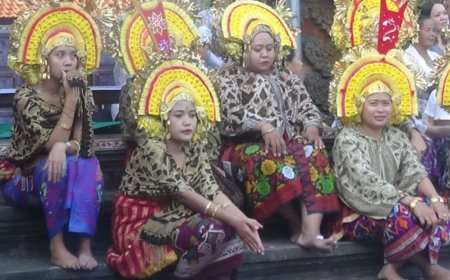
Rejang Sutri is one of the sacred wali dances that continues to be preserved by the people of Desa Pakraman Batuan, Sukawati District, Gianyar Regency, Bali. For the Batuan community, the dance is not merely a form of religious artistic expression but also a symbol of the village’s spiritual history, rich with meanings of reconciliation, apology, and the effort to maintain balance between the sekala (visible) and niskala (invisible) worlds. Rejang Sutri is performed by women from various age groups children to the elderly who dance with sincerity as an act of devotion and reverence toward sacred forces.
The history of Rejang Sutri is not recorded in lontar manuscripts or written documents but has been transmitted through oral tradition across generations. Its origin story is linked to a spiritual conflict between the powerful figure Ida Ratu Gede Mas Mecaling of Nusa Penida and I Dewa Babi, believed to have occurred around the 17th century during the reign of I Dewa Agung Anom in the Kingdom of Sukawati. In this spiritual battle, Ida Ratu Gede Mas Mecaling was said to have been defeated, leading to profound anger and a vow of vengeance against the descendants of I Dewa Babi and the people of Batuan.
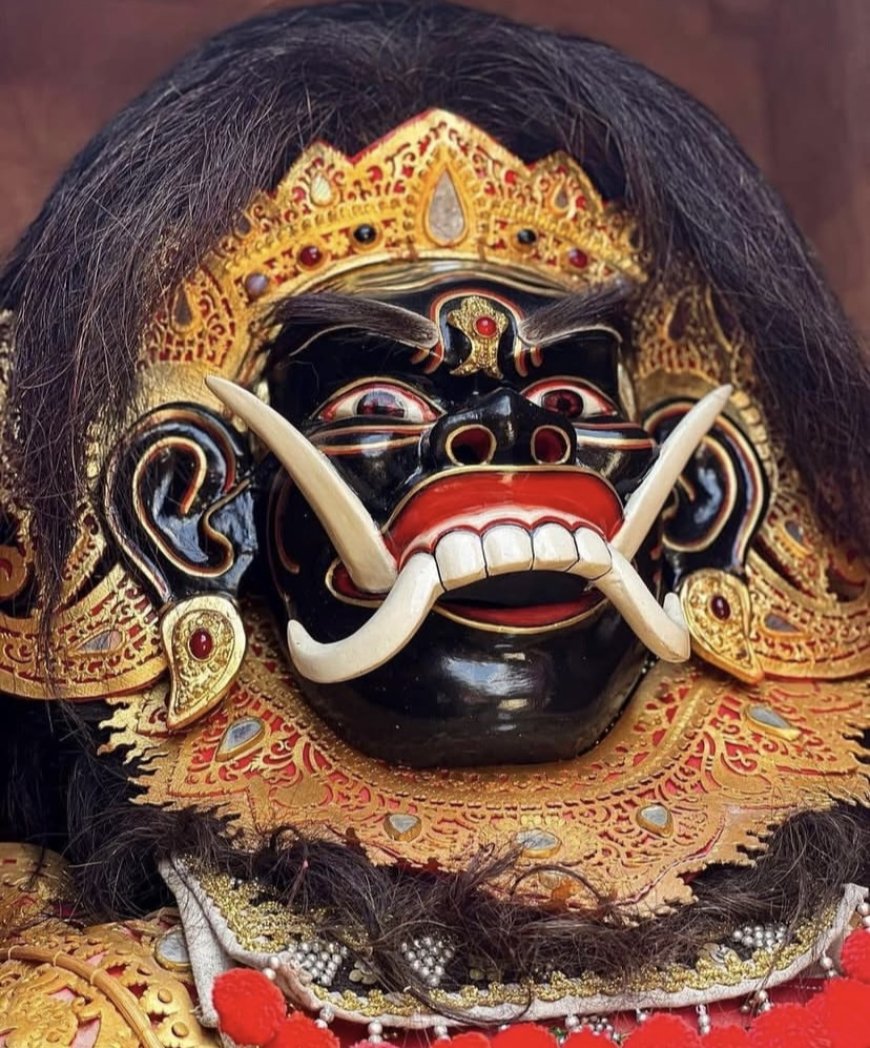
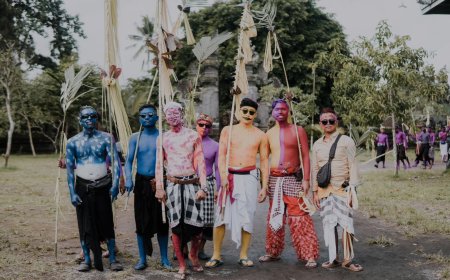
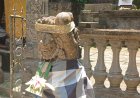
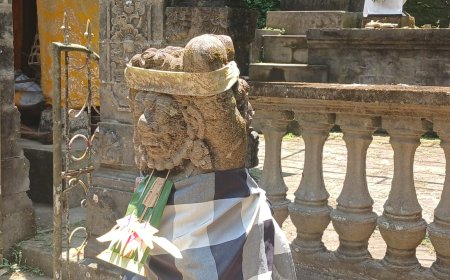
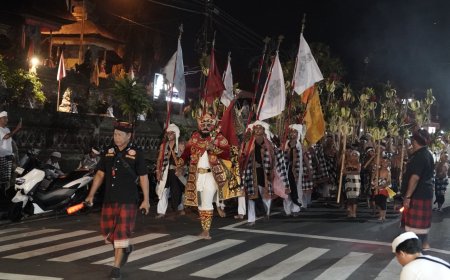
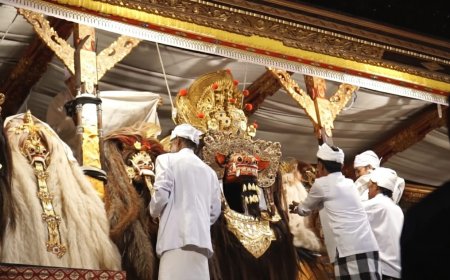
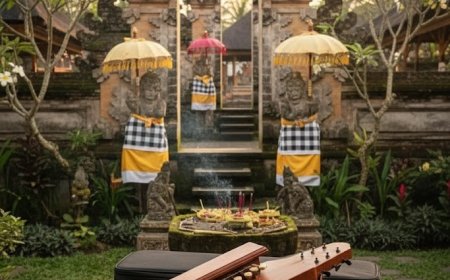
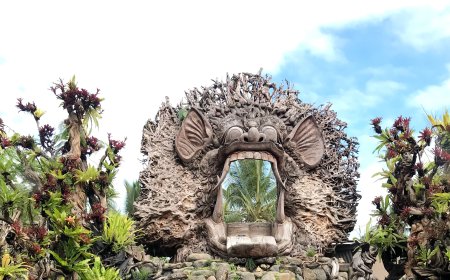
Sesuunan Ida Ratu Gede Mas Mecaling (Source: Personal Collection)
Following this event, Ida Ratu Gede Mas Mecaling is believed to have left Batuan and taken residence in Jungut Batu, Nusa Penida. Nevertheless, the community believes that his spiritual power continues to influence the balance of the village if not properly honored. This belief is not rooted in fear alone but in a spiritual awareness that the relationship between humans and unseen forces must be maintained through respect and ritual balance.
Based on this belief, the people of Batuan created the Rejang Sutri dance as a symbol of apology and reverence to Ida Ratu Gede Mas Mecaling and his followers. The dance represents the humility of the community in seeking to calm past anger and restore spiritual harmony. Thus, Rejang Sutri functions not only as an offering dance but also as a medium of spiritual reconciliation between the community and supernatural forces believed to have been disturbed by past conflicts.
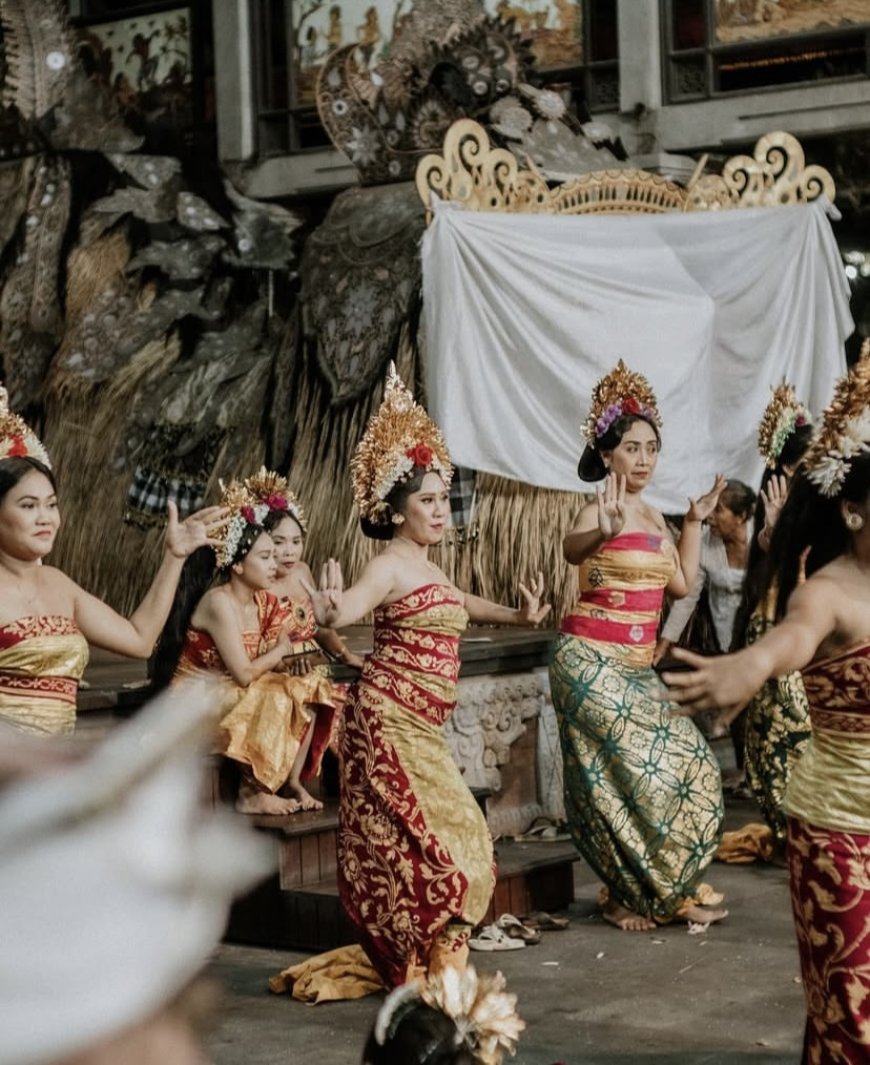
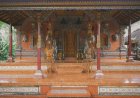
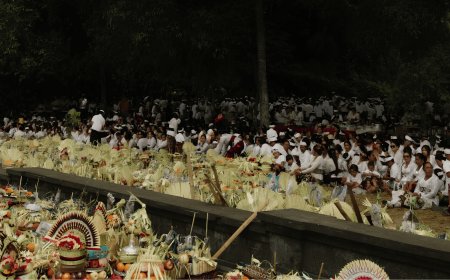
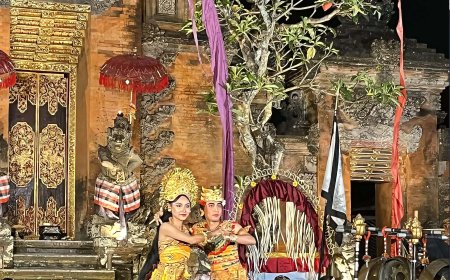
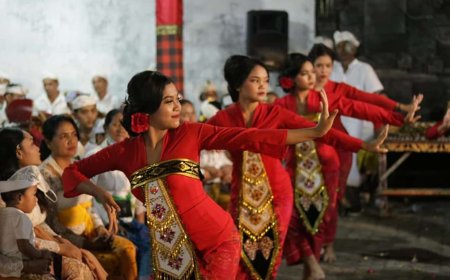
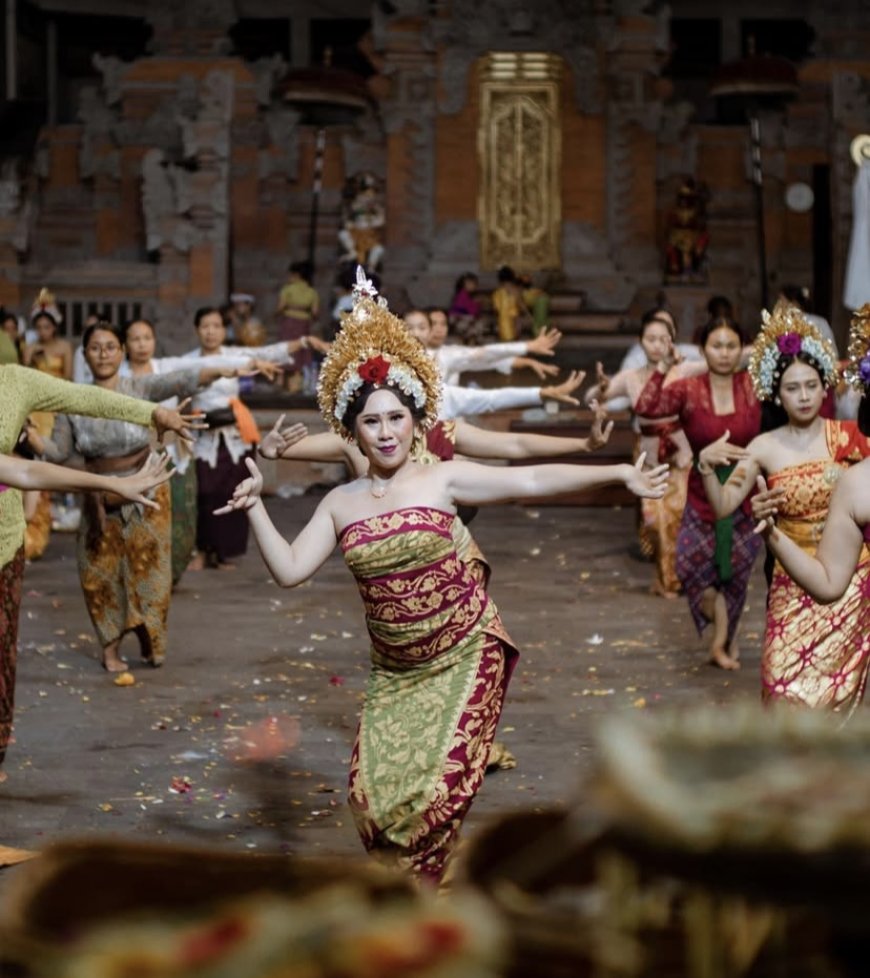
Rejang Sutri Dance Performance (Source: Personal Collection)
In addition to symbolizing apology, Rejang Sutri is closely connected to sacred time cycles in the Balinese calendar. The period from the fifth to the ninth lunar month (approximately November to March) is believed to be vulnerable to disease outbreaks (gering) and spiritual disturbances. This time is thought to be when negative forces wander in search of “labaan” or offerings. Therefore, the performance of Rejang Sutri serves as a protective ritual intended to neutralize negative influences while praying for the safety of all village members.
The performance begins in the fifth lunar month based on pawisik (spiritual guidance) received by the village priests. Performance days are typically chosen on sacred days such as Kajeng Kliwon, Purnama (full moon), Tilem (new moon), or other auspicious days according to customary and religious decisions. In the Gregorian calendar, the performance cycle lasts about four months and concludes in the ninth lunar month, precisely on the night of Ngembak Geni, the day after Nyepi, which marks the Balinese Saka New Year.
During this period, Rejang Sutri is performed daily in rotation by the banjar communities responsible for temple duties, including Banjar Puaya, Jeleka, Tengah, Pekandelan, Dentiyis, Delodtunon, Peninjoan, Jungut, and one Tri Wangsa group. This rotational system reflects communal solidarity and collective responsibility in maintaining the village’s spiritual balance. Each performance is accompanied by ceremonial offerings (banten) as expressions of devotion and reverence.
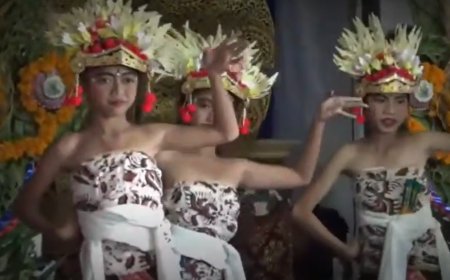
From an aesthetic perspective, the movements of Rejang Sutri are simple, gentle, and graceful. Dancers move in lines or circular formations with calm rhythms and deep concentration. This simplicity does not indicate artistic limitation but reflects sincerity and purity of intention in presenting the sacred offering. In the concept of wali dance, beauty lies not in complex choreography but in the sanctity of the offering and the spiritual sincerity that accompanies it.
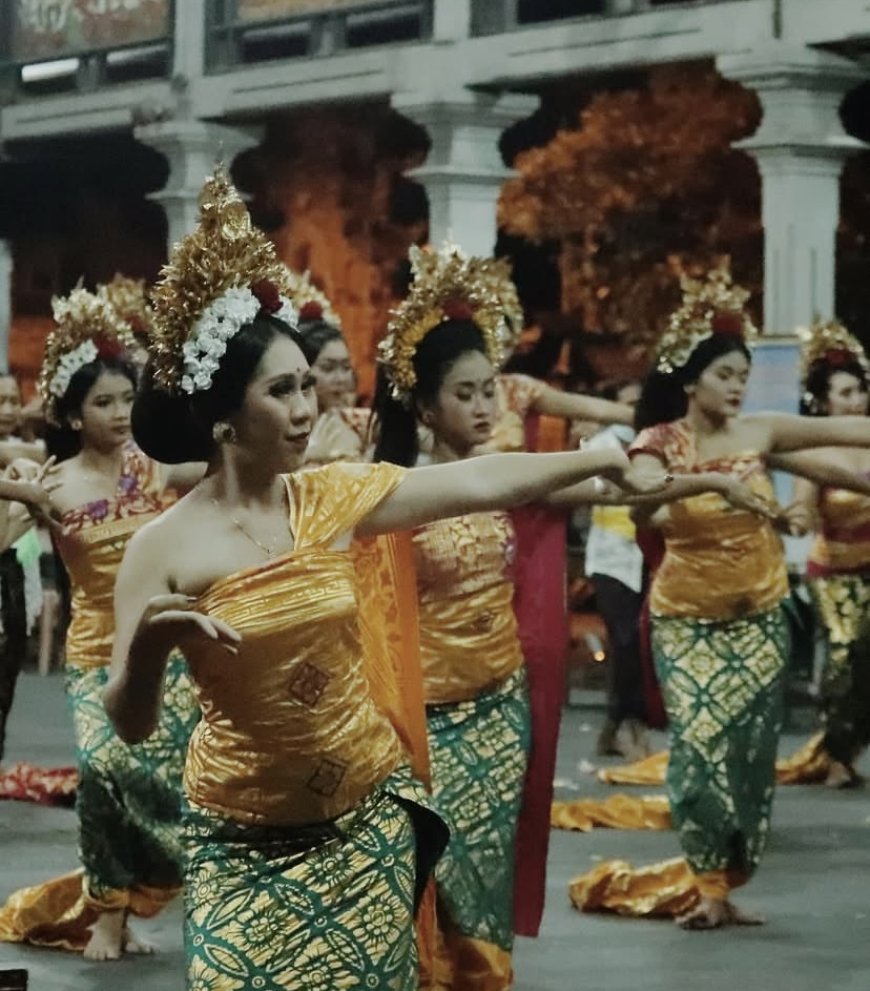
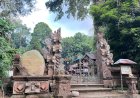
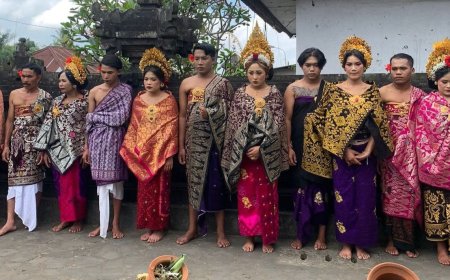
Rejang Sutri Dance (Source: Personal Collection)
Philosophically, Rejang Sutri embodies profound meanings, reflecting values of purity (Siwam), compassion, sincerity, and cosmic harmony. Through the dance, the community prays for physical and spiritual safety, health, and peace. It also symbolizes balance between humans, nature, and divine forces, which lies at the heart of Balinese philosophy of life.
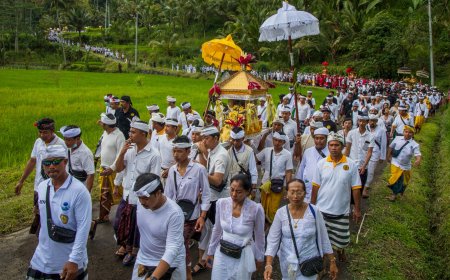
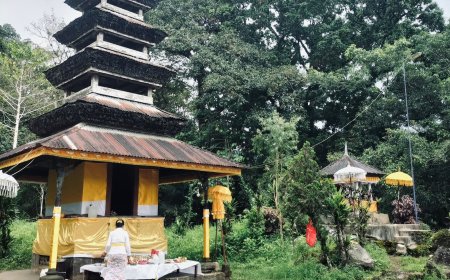
In contemporary practice, the people of Batuan not only preserve the performance tradition of Rejang Sutri but also strengthen their spiritual relationship with Ida Ratu Gede Mas Mecaling through pilgrimage prayers at Pura Dalem Peed in Nusa Penida, where he is believed to reside. This visit is viewed as an act of reverence and a request for blessings to maintain spiritual harmony. Interestingly, pilgrims no longer experience disturbances described in older myths, fostering the belief that past anger has subsided and spiritual relations have returned to harmony.
Today, Rejang Sutri remains an ancestral heritage with strong religious, historical, and social value. The dance is not only a cultural identity of the Batuan community but also a reminder of the importance of maintaining spiritual balance, respecting unseen forces, and nurturing harmony in life. Through its continued performance, the community reaffirms its commitment to preserving tradition, seeking protection, and sustaining spiritual harmony for collective well-being.