




The Tale of Rsi Markendya: A Journey to Spread Spiritual Enlightenment
Telling the Extraordinary Journey of Rsi Markendya, Who Brought Hindu Teachings to Bali in the 8th Century AD. From his adventures traversing natural disasters and spiritual mysteries in East Java, to establishing important temples such as Pura Besakih in Bali.

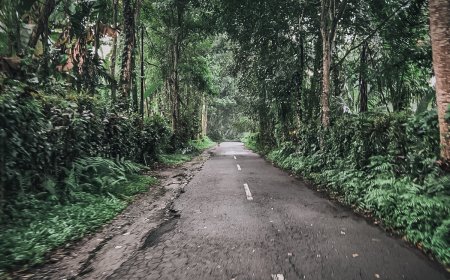
In the 8th century AD, Rsi Markendya, a revered Hindu Shaiva Tattwa priest from India, embarked on a transformative journey that would profoundly impact the island of Bali. His voyage began as he traveled through the ancient Mataram Kingdom in Central Java, which had recently been devastated by the eruption of Mount Merapi. The disaster forced the Mataram Kingdom to relocate to East Java, where Markendya settled temporarily at Mount Raung. From this new base, Markendya and his 400 devoted followers set their sights on Bali, a largely unexplored island. They first arrived at Mount Agung, where they attempted to clear the forest for agriculture. Unfortunately, their initial efforts were marred by disasters many of Markendya’s followers fell victim to mysterious deaths caused by wild animals or sudden illness.
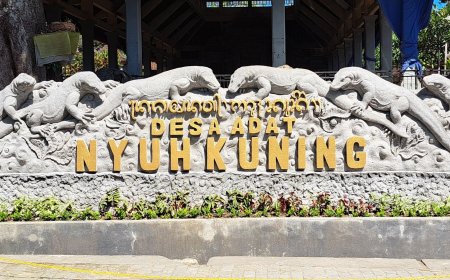
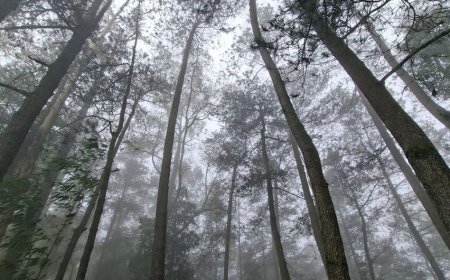
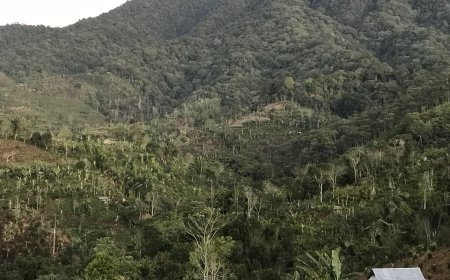
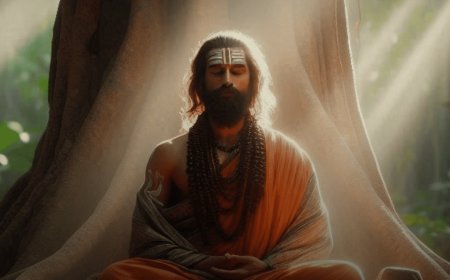
 Rsi Markendya Traverse Through a Forest (Source : Personal Collection)
Feeling profoundly disheartened after multiple setbacks, Markendya decided to withdraw from the activities at hand and retreat to the secluded, sacred heights of Mount Raung. He sought solace and enlightenment through deep and focused meditation, hoping to uncover the reasons behind their persistent failures. In the midst of his spiritual reflection, a divine revelation came to him, illuminating the root cause of their misfortunes—it became clear that their previous failures were not merely due to physical challenges or lack of effort, but rather stemmed from the improper execution of vital ritual practices that should have been performed before embarking on their tasks. These neglected ceremonies were essential for securing divine protection and ensuring the harmony of their actions with the spiritual forces of the universe.
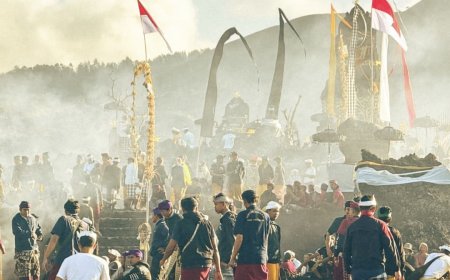
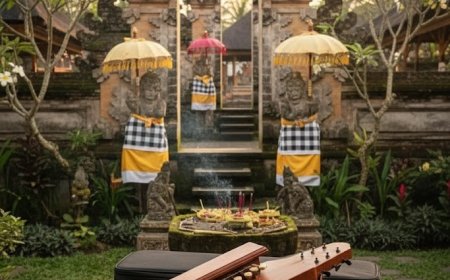
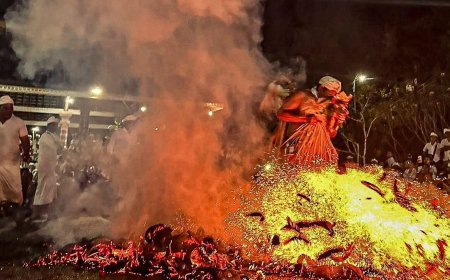
With this newfound understanding, Markendya realized the paramount importance of conducting the correct sacred rituals to pave the way for their success. Driven by a renewed sense of purpose and determination, he prepared himself and his followers for their return to Bali, where they would put into practice the spiritual wisdom he had gained. Upon his return to the island, Markendya wasted no time in organizing and leading his followers in the preparation for a solemn and deeply reverent ceremony. They gathered at the highest and most sacred point of the island, believing that this was the place where the blessings of the gods could be most fully invoked. With great care and devotion, they performed the Panca Datu ritual, a powerful and ancient ceremony intended to neutralize any lingering negative energies and consecrate the land, ensuring its sanctity for future endeavors.
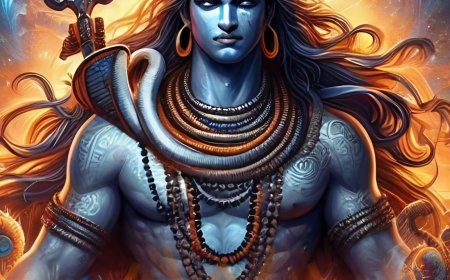
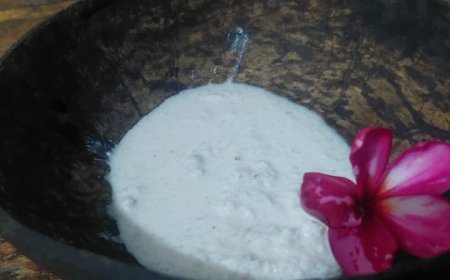
During this sacred ritual, they planted five revered metals: gold, silver, bronze, copper, and iron into the earth, each one representing a different force and serving as a means to harmonize the spiritual and material worlds. These metals were believed to be imbued with protective powers, capable of warding off evil forces and restoring balance. This time, unlike before, the spiritual and ceremonial preparations were flawless, and as a result, their efforts were finally met with success. Markendya and his followers felt a profound sense of peace, knowing that they had secured the blessings they needed, and that their endeavors from this point forward would be supported by both the divine and the natural forces of the land.
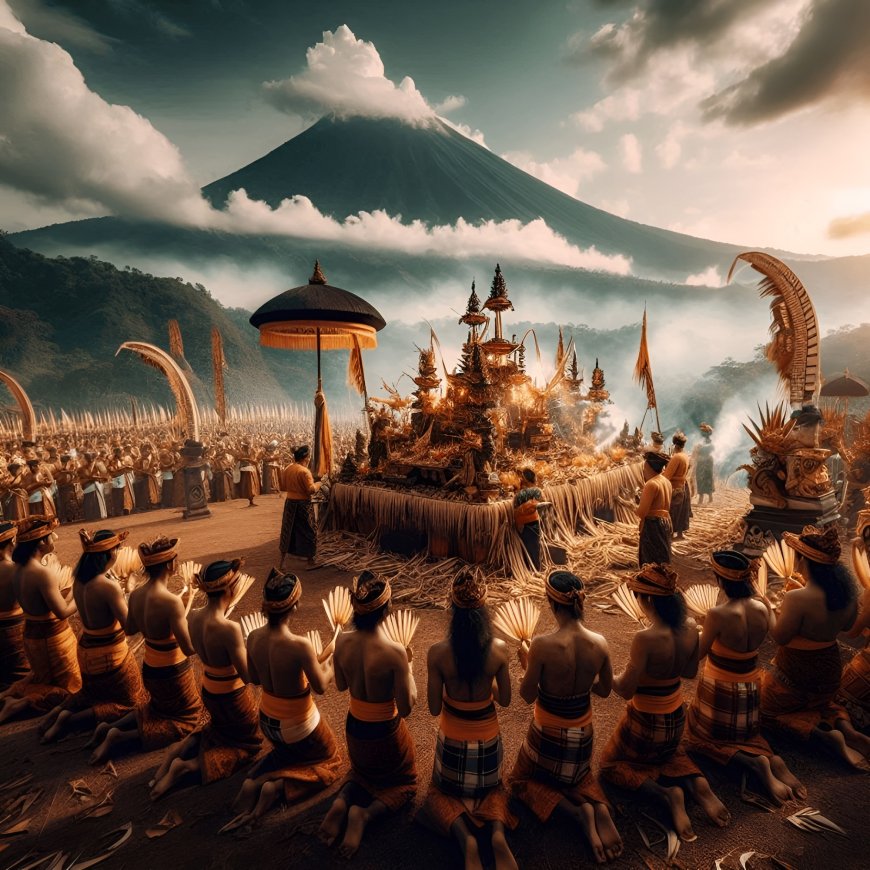
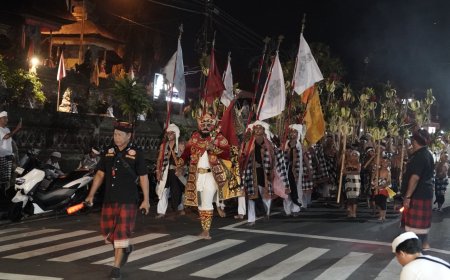
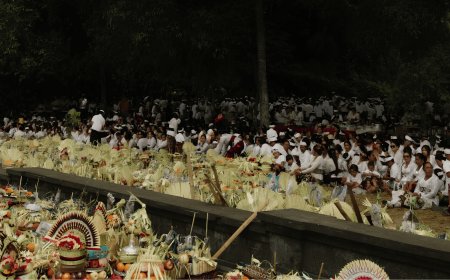
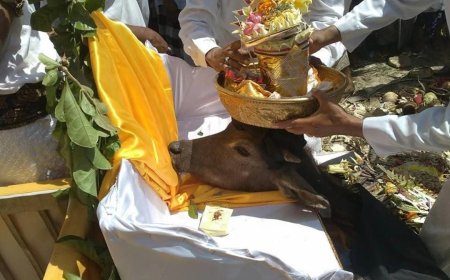
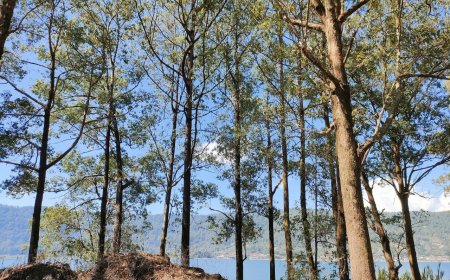
 Panca Datu Ritual (Source : Personal Collection)
Markendya, in his wisdom and deep spiritual connection to the divine, decided to bestow a name upon the island where he and his followers had settled. He chose to call it “Bali,” a term derived from the ancient Palawa language, which holds the profound meaning of “offering.” This name was not chosen lightly, for it symbolized the sacredness of the land itself and reflected the devotion and commitment that Markendya and his followers felt toward preserving and honoring the island through their spiritual practices and daily lives. The name "Bali" became a reminder of their dedication to the divine, and the island was viewed as a perpetual offering to the gods, a place where spiritual and earthly life would coexist in harmony.
As Markendya’s influence grew, he undertook the monumental task of establishing a central spiritual site for the Balinese Hindu community. He selected a location at the foot of the towering and sacred Mount Agung, the highest point on the island, which was considered to be the axis of the world by the Balinese. Here, he founded Pura Besakih, a temple that would become the most important and revered temple complex in all of Bali. Pura Besakih not only served as a place of worship and religious gatherings but also as a symbol of the spiritual foundation that would guide the Balinese people for generations to come. The temple, nestled in the shadow of Mount Agung, became a focal point for religious ceremonies and offerings, attracting devotees from all over the island.
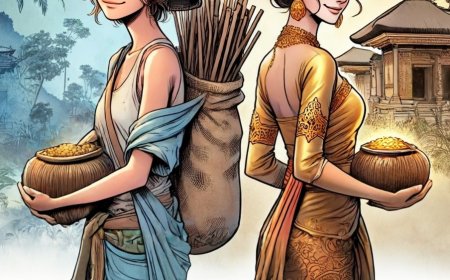
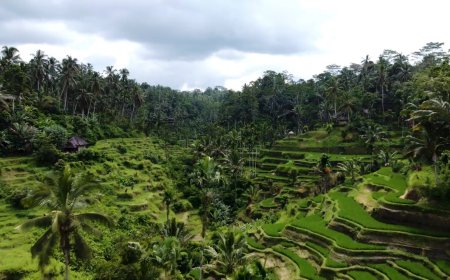
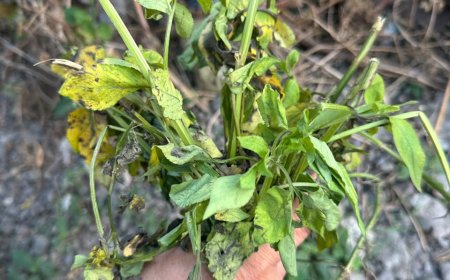
Continuing his journey of spiritual leadership and agricultural innovation, Markendya ventured further across the island and eventually arrived at a fertile plain known as Puakan. Recognizing the potential of the land for agricultural development, he and his followers began the arduous work of clearing the land for cultivation. This was no easy task, as the terrain needed to be carefully prepared to ensure it would sustain the crops that would feed their growing community. Drawing on his knowledge and the collective wisdom of his people, Markendya introduced new farming techniques and innovative irrigation systems, which greatly improved the productivity of the land. The most significant of these innovations was the establishment of the Subak irrigation system, a communal water management method that would become the lifeblood of Balinese agriculture. Subak, rooted in principles of cooperation and sustainability, allowed for the efficient distribution of water to rice fields, ensuring that the island could support its population.
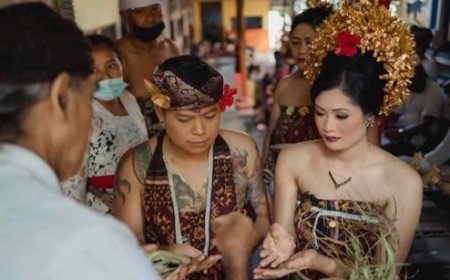
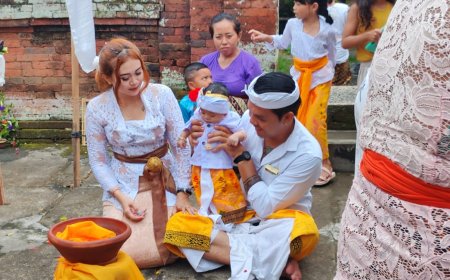
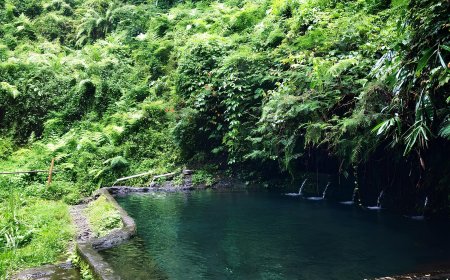
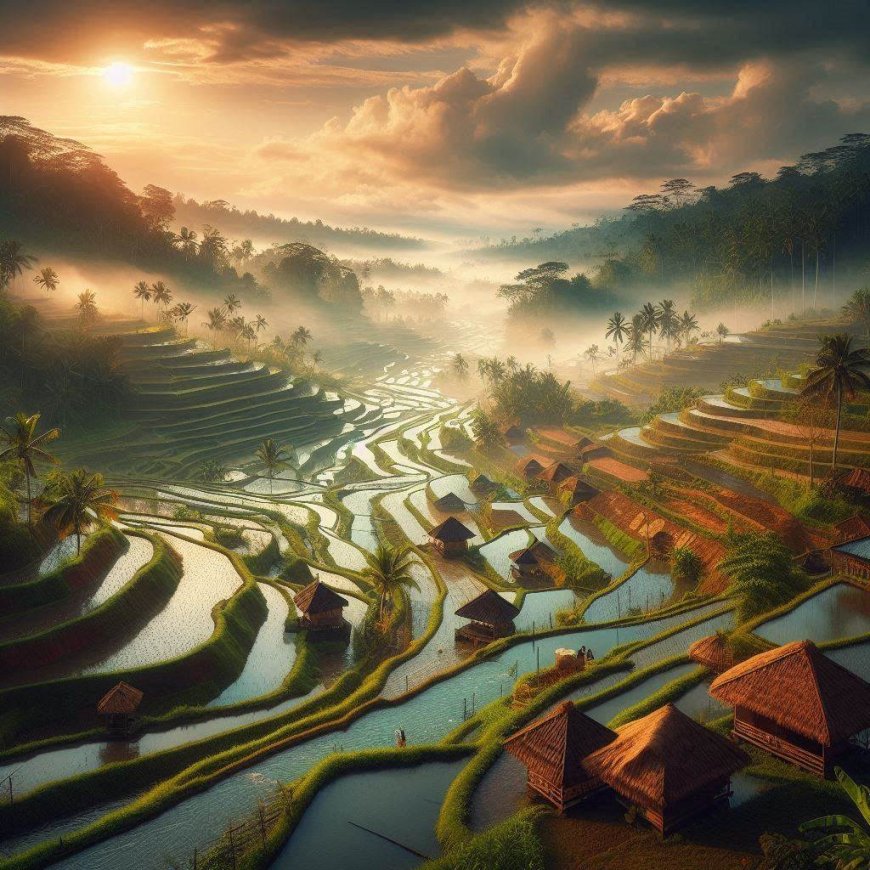 Subak Irrigation System (Sumber : Koleksi Pribadi)
Over time, the area that began as Puakan evolved through various stages of development. As it flourished agriculturally, the name changed to reflect its success. It first became known as Swakan, and later, the region became widely recognized as Subak, a name that came to symbolize not just a physical place, but the advanced agricultural methods and irrigation systems that had been introduced there. The legacy of Subak became a cornerstone of Balinese culture, representing both the ingenuity and the spiritual connection of the people to the land.
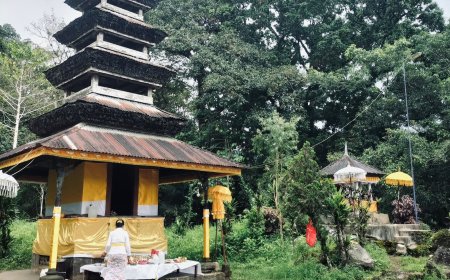
In honor of the sacred site where he had once meditated and received his spiritual revelations in Java, Markendya also founded a temple in Bali known as Pura Gunung Raung. This temple was a tribute to his time on Mount Raung and served as a reminder of the spiritual insights he had gained there. The surrounding area was named Taro, a name derived from the word “Taru,” meaning wood or plant, in recognition of the region’s abundant agricultural success. Taro, much like Subak, became a symbol of the harmonious relationship between the Balinese people and their natural environment, further solidifying Markendya’s lasting influence on both the spiritual and agricultural development of the island.
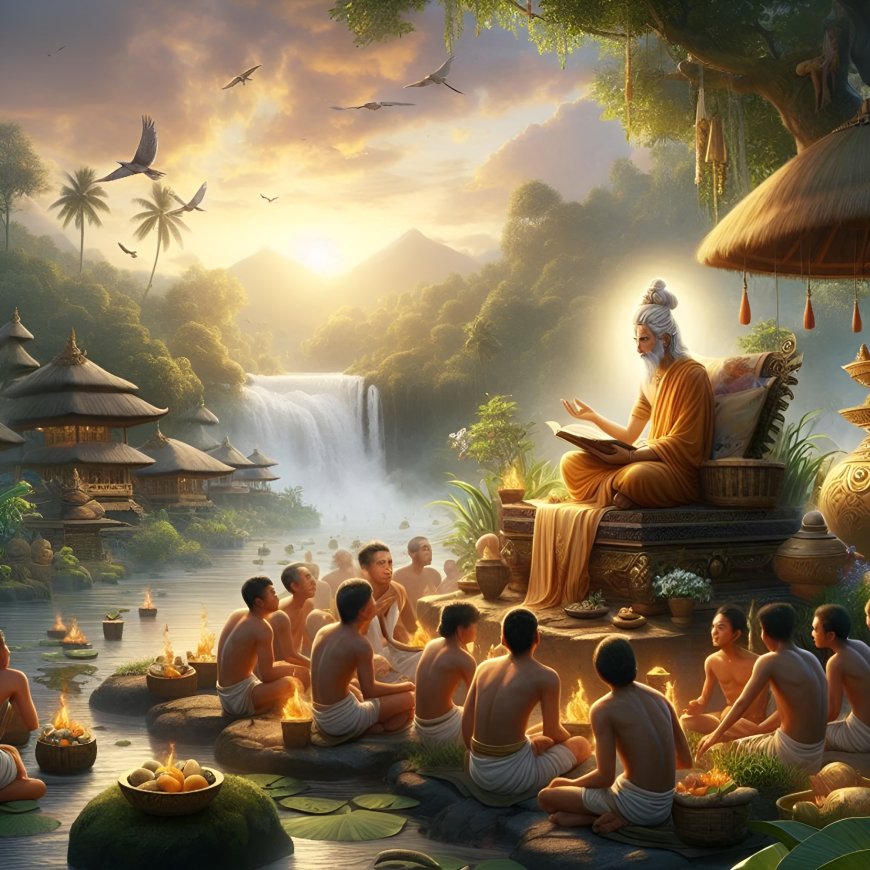
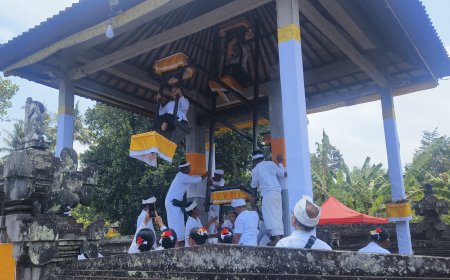
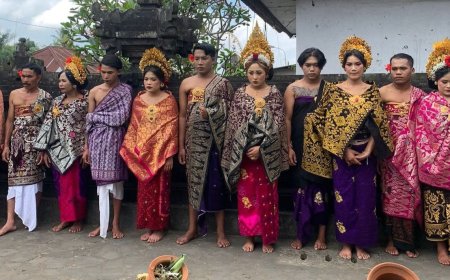
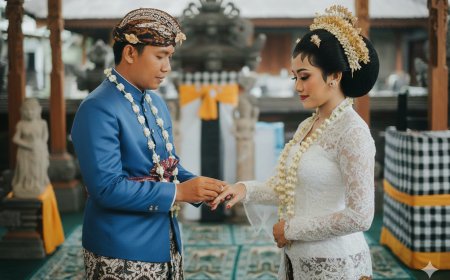
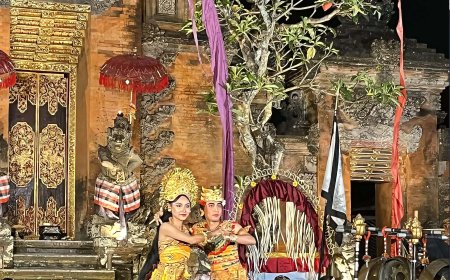
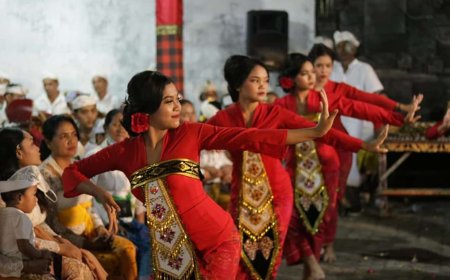
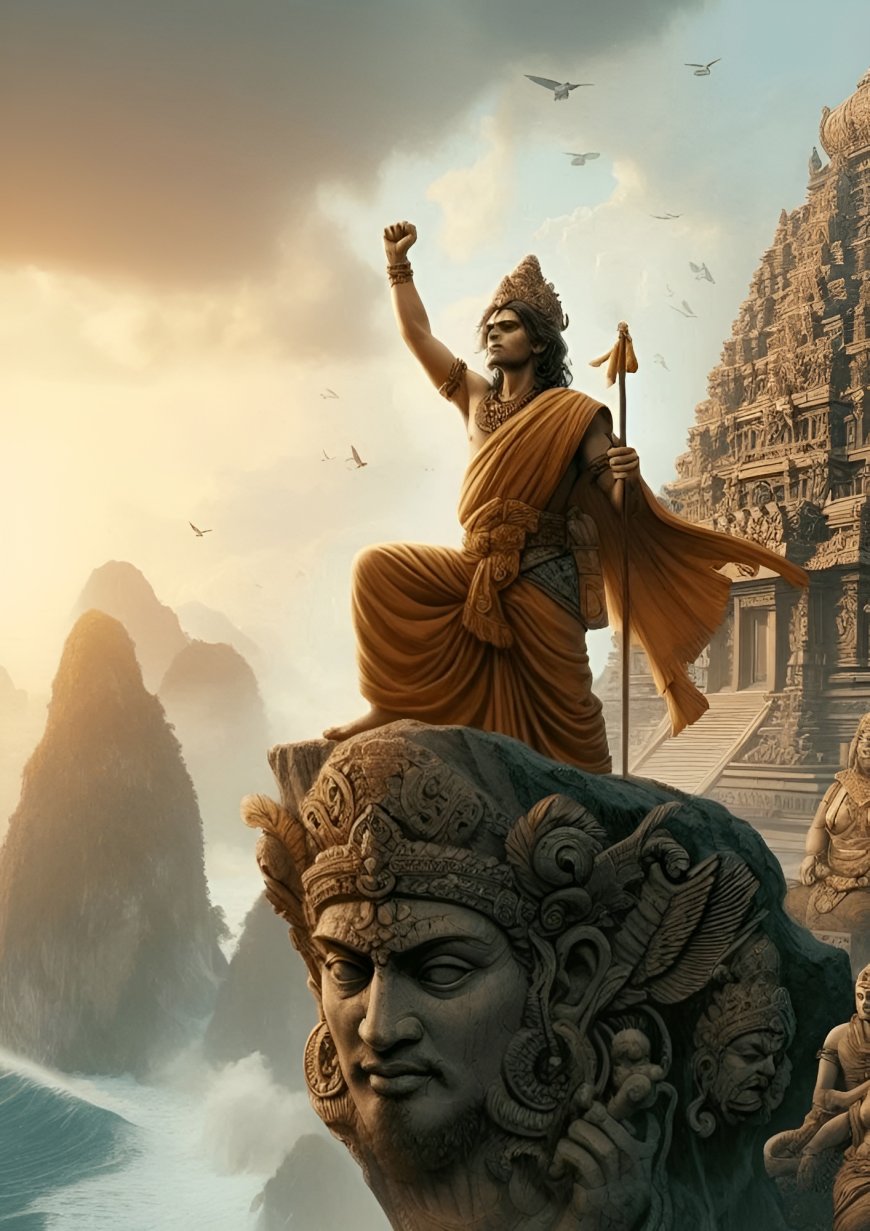
 Rsi Markendya With His Followers (Source : Personal Collection)
The last place visited by Rsi Markendya was Ubud, where he established Pura Pucak Payogan, which to this day is considered one of the most important spiritual centers in Bali. In this location, Markendya not only spread his spiritual teachings but also guided the community in performing Hindu rituals, which later became an integral part of religious traditions in Bali. Additionally, he introduced agricultural practices that were in harmony with nature, teaching the importance of maintaining a balance between spiritual and material life. Through his teachings, Rsi Markendya laid a strong foundation for religious and cultural life in Bali, integrating Hindu teachings into everyday life, both in spiritual, social, and economic aspects.
Rsi Markendya's influence was not only limited to religious rituals but also permeated into the social and cultural fabric of Bali. He taught values of wisdom, harmony, and togetherness, which are still upheld by the Balinese community to this day. Under his leadership, Bali developed into a society rich in spiritual traditions, where the agricultural practices he introduced helped the community achieve prosperity and well-being. The temples he established remain important centers in the spiritual lives of the people, places where they offer prayers and honor their ancestors.
The legacy left by Rsi Markendya lives on in every aspect of Balinese life. Pura Pucak Payogan symbolizes his dedication to creating harmony between humans, nature, and God. His vision and teachings have transformed Bali into a land blessed with spiritual balance and material prosperity, where Hindu culture continues to thrive and is preserved with deep respect. To this day, the presence of Rsi Markendya remains strongly felt, illustrating how profoundly he influenced the formation of Bali's unique identity and culture.