


























The Buddha's Journey: Spreading the Dharma across the World
Siddhartha Gautama, an Indian prince, left his luxurious palace in search of the meaning of life after witnessing the suffering of the world. Through deep meditation, he achieved enlightenment and became the Buddha. Buddhism, centered on the Four Noble Truths and the Eightfold Path, offers a way out of suffering and into Nirvana.

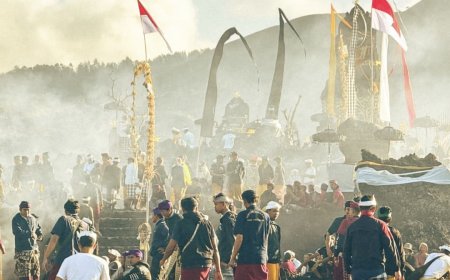
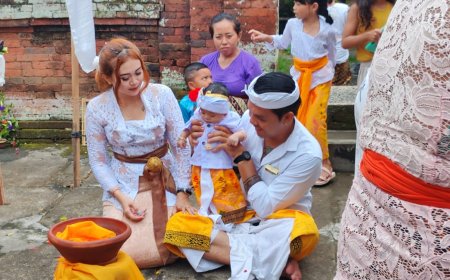
In a peaceful kingdom at the foot of the Himalayas, Siddharta Gautama was born in the luxury of the Kingdom of Kapilavastu around the 6th century BC, the son of King Suddhodana and Queen Maha Maya Dewi. The entire court celebrated his birth, and astrologers predicted that this prince would become a great ruler of the world or someone who brought enlightenment to mankind.
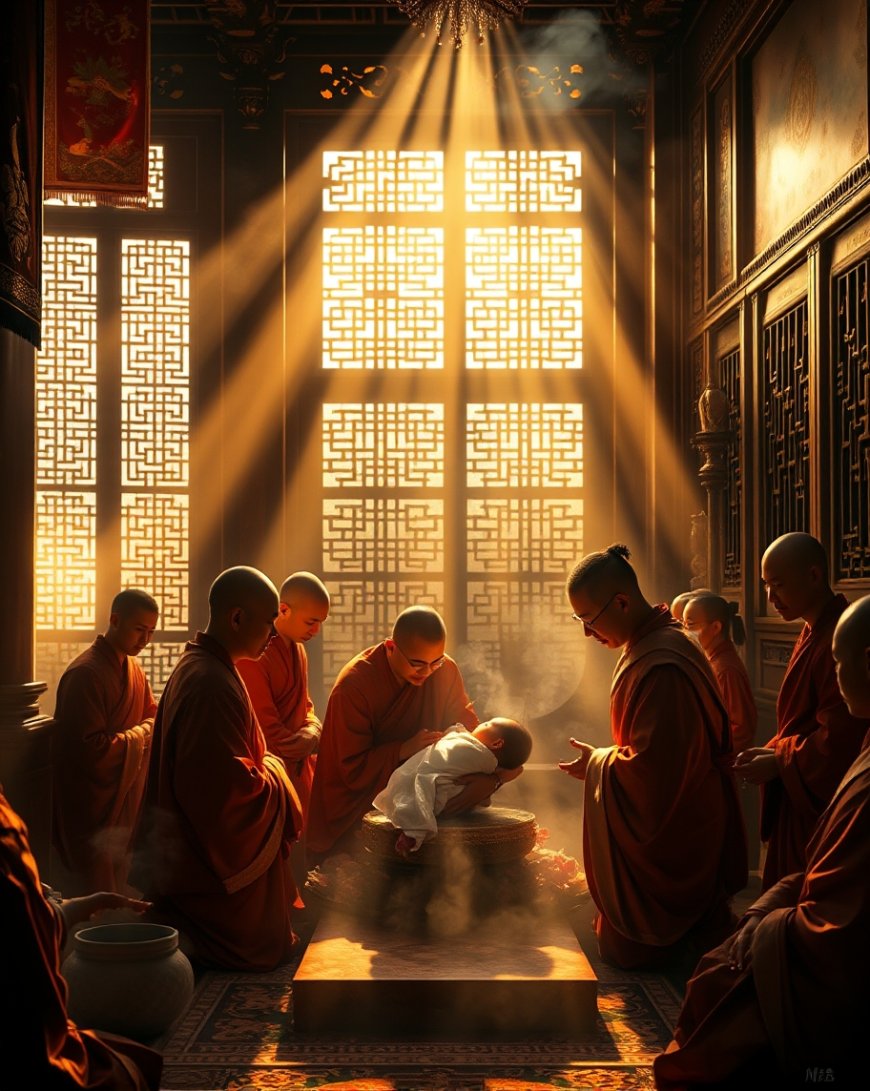 Birth of Siddhartha (Source: Personal Collection)
However, happiness in the palace did not last long. Queen Maya died seven days after giving birth to Siddhartha. Even so, Siddhartha grew up surrounded by luxury, comfort and love. King Suddhodana, who wanted his son to become a great king, tried to protect Siddhartha from all the suffering of the world.
As an adult, Siddhartha married Princess Yasodhara, and they had a son named Rahula. Although he had everything a man could want, wealth, power, and a family that loved him, Siddhartha felt an emptiness in his life.
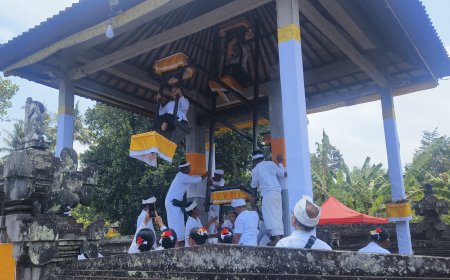
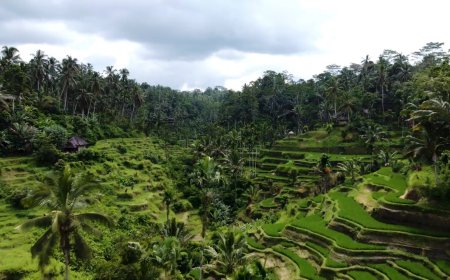
Behind all the worldly pleasures, there are deep questions that plague his heart: What is the meaning of life? Why is there suffering? What is the true purpose of human existence? One day, when Siddhartha stepped out of the palace for the first time, he saw an apparition of his people that made him realize that in this world there is cruel suffering.
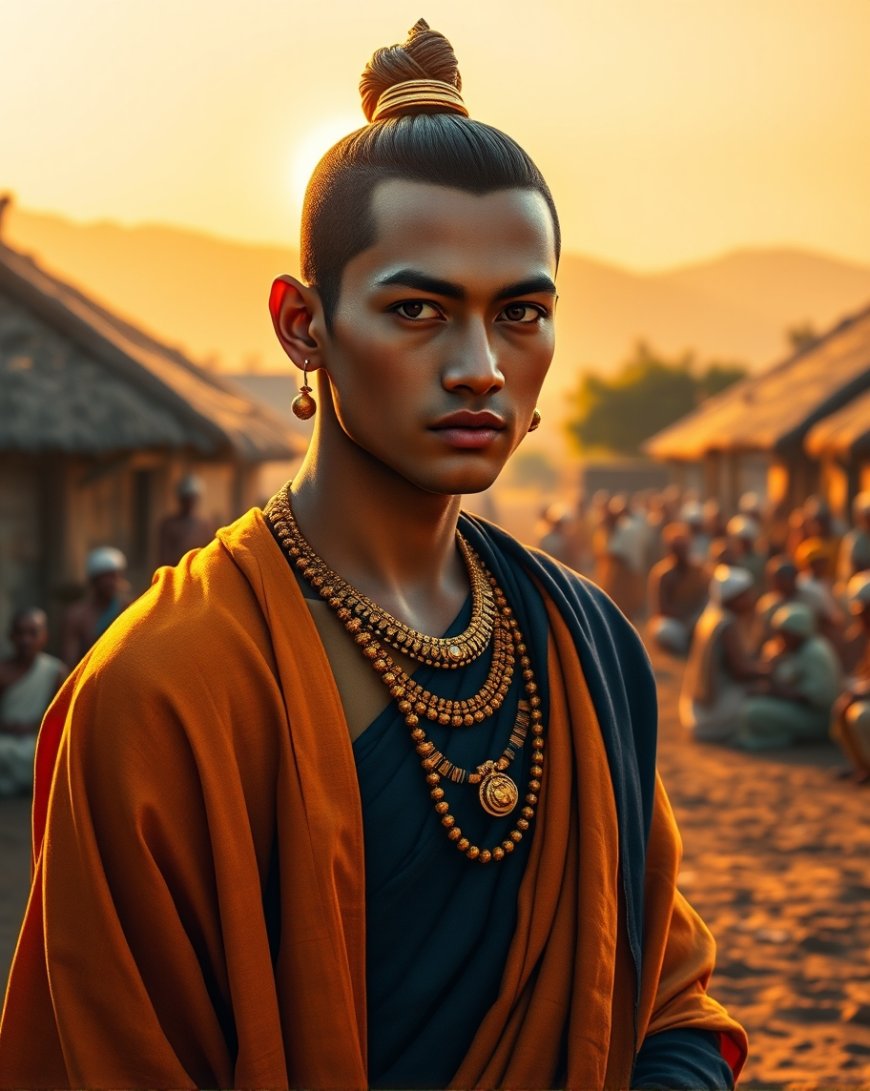 Siddharta sees the outside world (Source: Personal Collection)
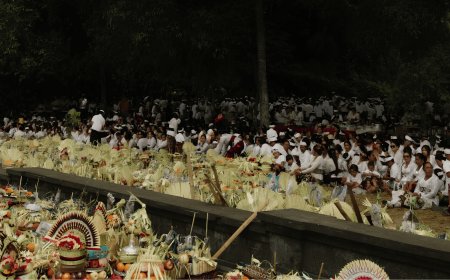
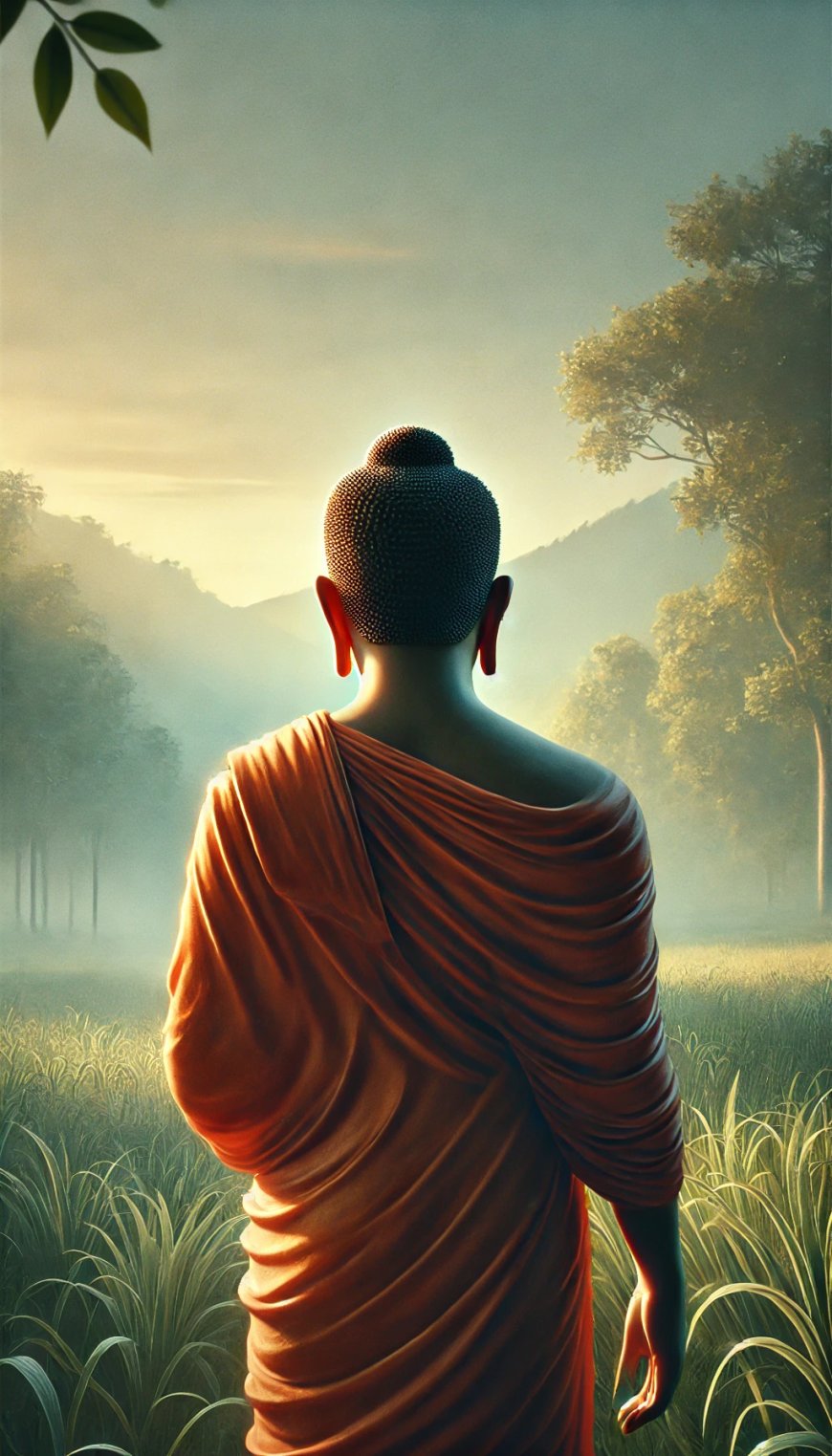
After seeing the suffering in the world, Siddhartha felt that he could no longer live in the luxury of the palace. In the middle of the night, when everyone was asleep, he left the palace, his family, and all his possessions. He put on the simple clothes of a hermit and began his spiritual journey to seek the truth about life and suffering.
For six years, Siddhartha lived the life of an ascetic, trying to find enlightenment through meditation and self-denial. He learned from many teachers, undergoing various extreme spiritual practices. However, even though he had taken this extreme path, he had not found the answers he sought.
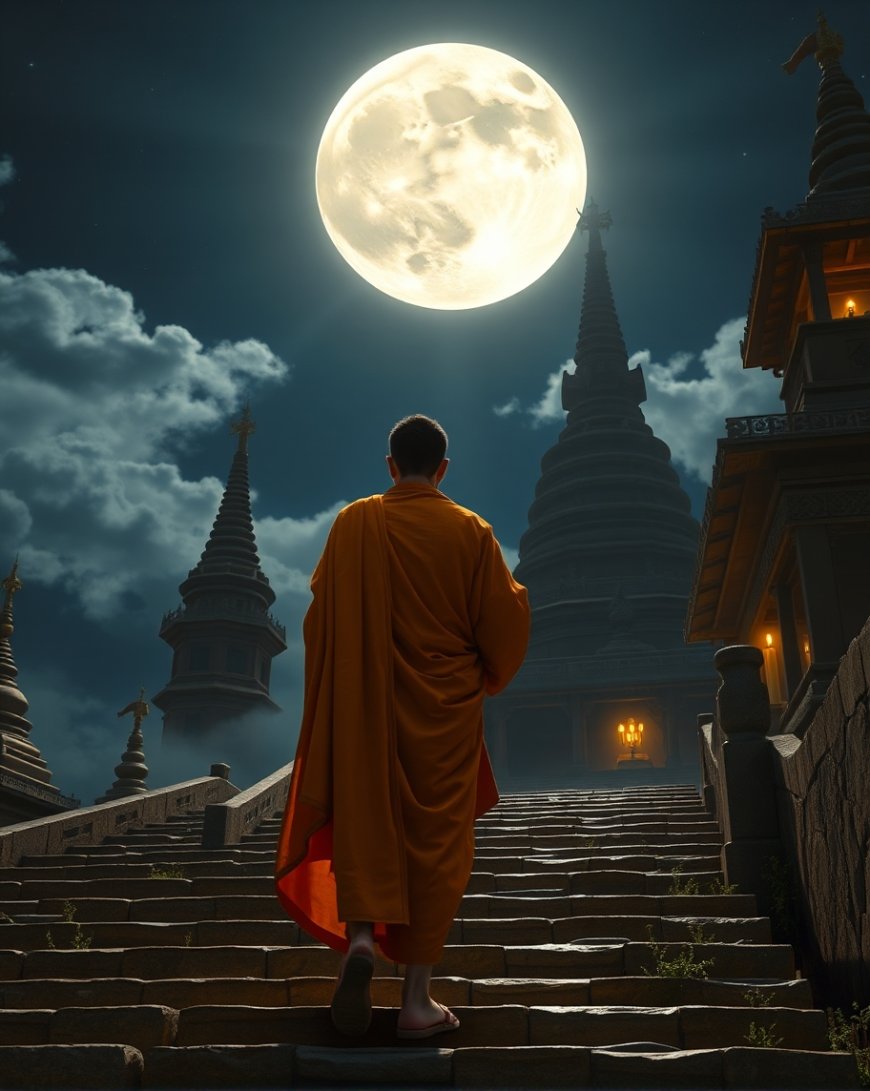 Siddharta leaving the palace (Source: Personal Collection)
At this point, Siddhartha realized that extreme self-denial was as useless as a life of luxury. He understood that enlightenment could not be achieved through either path. With this understanding, he decided to follow the middle path, which balanced between physical needs and spiritual pursuits.
Siddhartha went to a place now known as Bodh Gaya. There, he sat under the Bodhi tree and vowed not to rise until he attained enlightenment. In deep meditation, Siddhartha experienced various distractions and temptations, from Mara, the god of death and worldly desires. However, Siddhartha remained steadfast in his meditation, resisting temptation and fear.
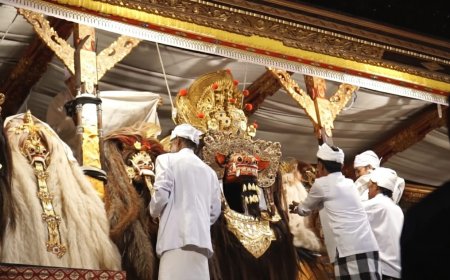
On the night of the full moon, after meditating all night, Siddhartha achieved enlightenment. He understood that suffering is part of existence, suffering is caused by desire and attachment, and suffering can be ended by overcoming these desires through the Noble Eightfold Path. At that moment, Siddhartha became Buddha, which means “The Enlightened One.”
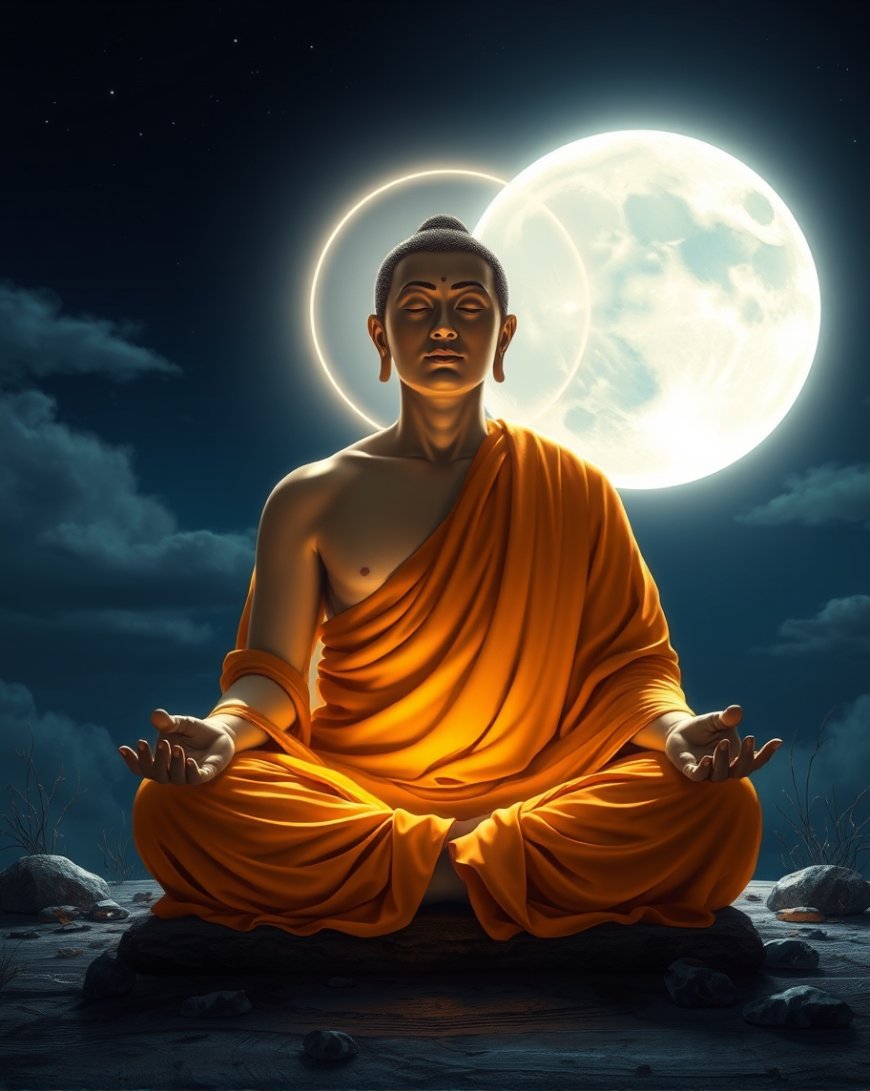 Siddharta gained enlightenment (Source: Personal Collection)
After attaining enlightenment, Buddha did not immediately rise from meditation. He sat under the Bodhi tree for seven weeks, contemplating what he had discovered.Then, he decided to spread his teachings to others, to help them also achieve enlightenment and be free from suffering.
The Buddha's first journey after attaining enlightenment was to the Deer Park in Sarnath, where he gave his first sermon to the five ascetic companions who had accompanied him on his journey. This sermon is known as the Turning of the Dharma Wheel, in which the Buddha explained the Four Noble Truths as well as the Noble Eightfold Path as the path to enlightenment.
The five ascetic friends became Buddha's first disciples, and from then on, Buddhism began to spread. Buddha spent the rest of his life traveling from place to place in Northern India, teaching the Dharma to a variety of people, from kings to beggars.
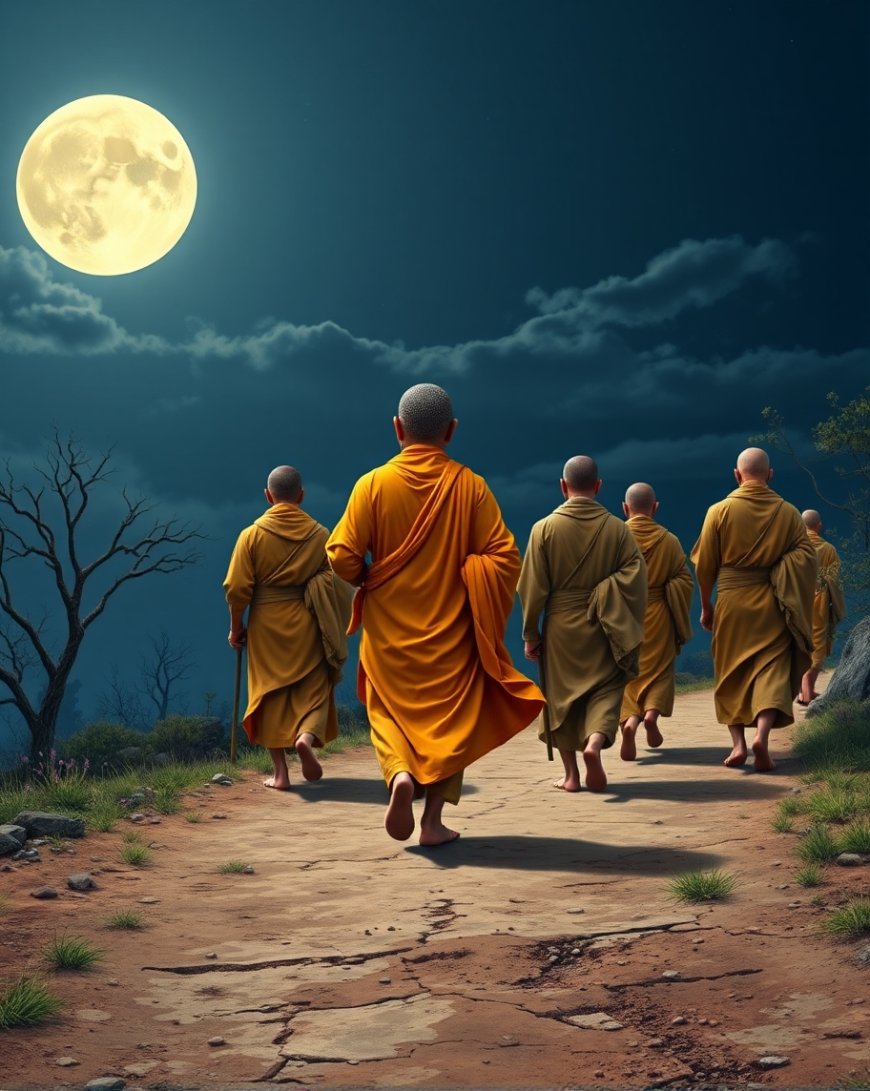 Buddha and the five ascetic friends (Source: Personal Collection)
Buddhism developed quickly due to its simplicity and universality. Buddha did not look at caste or social status, and he taught that anyone can achieve enlightenment through proper practice. His teachings did not rely on gods or rituals, but on self-development, morality, and wisdom.
For over 45 years, Buddha spread his teachings and guided many people to enlightenment. He refused to be revered as a god and always emphasized that he was just a human being who found the path to liberation. His goal was not to worship himself, but to understand and practice the Dharma.
At the age of 80, Buddha felt that his time on earth was almost up. In a small town called Kusinara, he gave his last teaching to his disciples: “Everything that is conditioned will experience destruction. Make every effort.” Afterwards, Buddha lay down between two sala trees and passed away peacefully.
After Buddha's death, his disciples collected and compiled his teachings, which became known as the Tripitaka, or “Three Baskets,” the foundation of Buddhism. The teachings continued to develop and spread throughout the world, from India to Southeast Asia, China, Japan, to the West. Buddha is now remembered as the great teacher who brought enlightenment to millions of people.
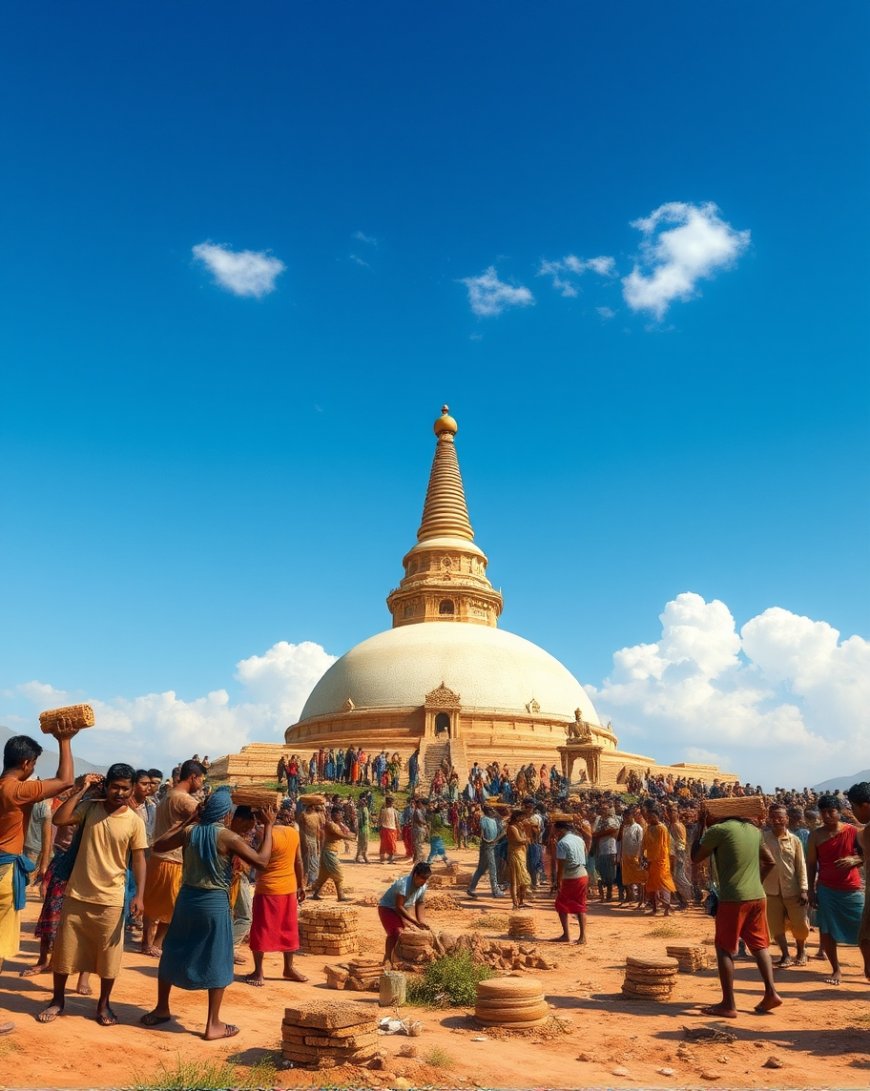 Stupa construction (Source: Personal Collection)
Buddha's body was treated with great reverence by his followers. His body was cremated, and his cremated ashes were divided into several parts. These relics were scattered to various kingdoms, and stupas were built on them as places of reverence that became pilgrimage centers for Buddhists around the world, serving as symbolic reminders of the Buddha's teachings and his spiritual journey.