










Whispering Gender, Resonating Selonding: Cahya Art Baliqui Arts Studio, the Beating Heart of Balinese Gamelan
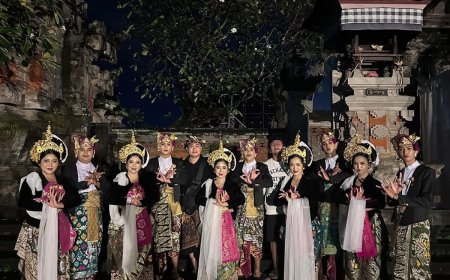
In a corner of Bali, Cahya Art Baliqui Arts Studio has grown into a home for children and young generations eager to preserve the pulse of gamelan. From the sacred resonance of Selonding to the gentle tones of Gender, this studio stands as the heart of preserving a traditional music that is nearly forgotten. Led by a dedicated founder, it is more than just a practice space, it is a place of togetherness, learning, and love for culture.

Cahya Art Baliqui Arts Studio was founded on June 11, 2011, at Jalan Muding Indah II No. 5B, Petingan, Kerobokan Kaja, North Kuta, Badung, Bali. The studio was born from the initiative of I Wayan Cahya Hendra Sujana and his father. The name “Cahya Art Baliqui” carries a special meaning: “Cahya” comes from the founder’s name, “Art” stands for arts, “Bali” emphasizes the local cultural identity, and “qui” is derived from the Javanese or Sanskrit word “kuwi,” which means ancient. This name symbolizes the meeting point between personal identity, art, and Bali’s cultural roots.
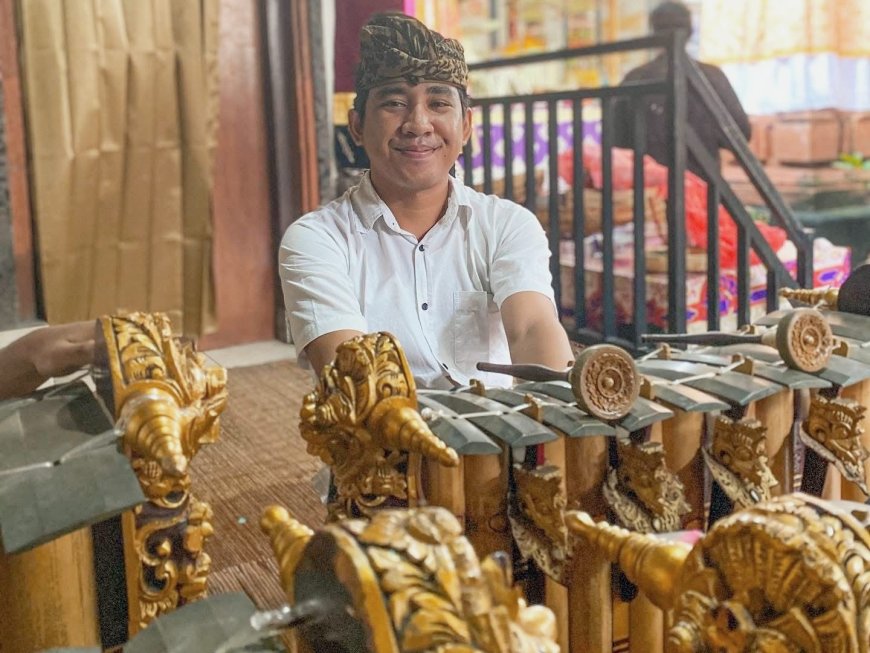 I Wayan Cahya Hendra Sujana, founder of Cahya Art Baliqui Arts Studio (Photo Source: Personal Collection)
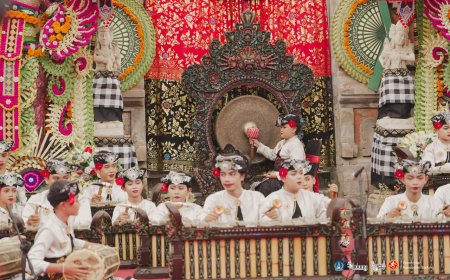
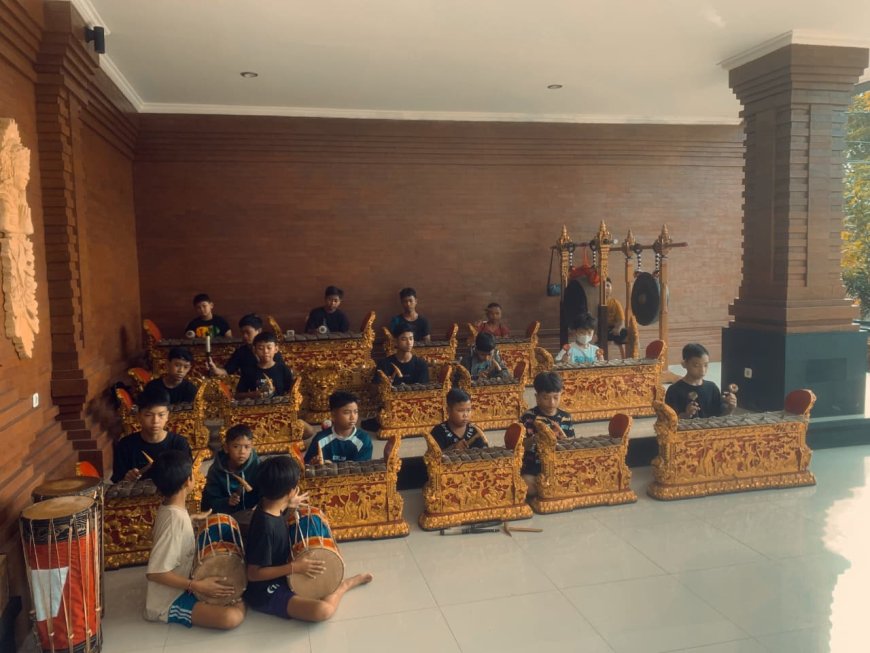
From the beginning, the studio has focused on teaching Balinese karawitan (traditional music) to children and teenagers. The lessons cover various gamelan instruments such as Gender Wayang, Selonding, Rindik, Kendang, and the Semar Pegulingan ensemble. Beyond instruments, the children also learn traditional vocals, from megeguritan and mekidung to sekar alit, mesatua, and mepidarta. All activities take place in a collective atmosphere, so every child, whether already talented or just beginning, they can learn together.
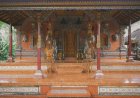
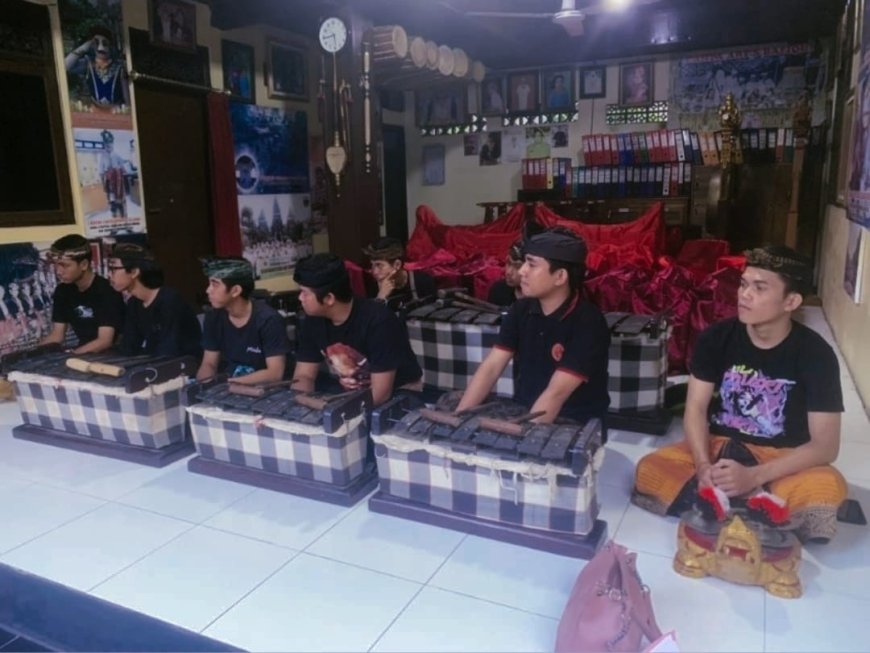 One of the gamelan instruments taught at the studio, Selonding (Photo Source: Studio Collection)
The studio is rarely empty. Practices are held every day in two sessions, morning and afternoon, adjusted to the children’s school schedules. Those who attend school in the morning can practice in the afternoon, and vice versa. This flexibility keeps the studio alive and bustling. According to Cahya Hendra, teaching children from diverse backgrounds comes with challenges. Some come out of love for the arts, others simply want to try, and a few attend at their parents’ encouragement. Bringing together these different personalities in a collective practice is not always easy. Yet through the process, the children learn discipline, togetherness, and harmony, values reflected in the sound of the gamelan itself.
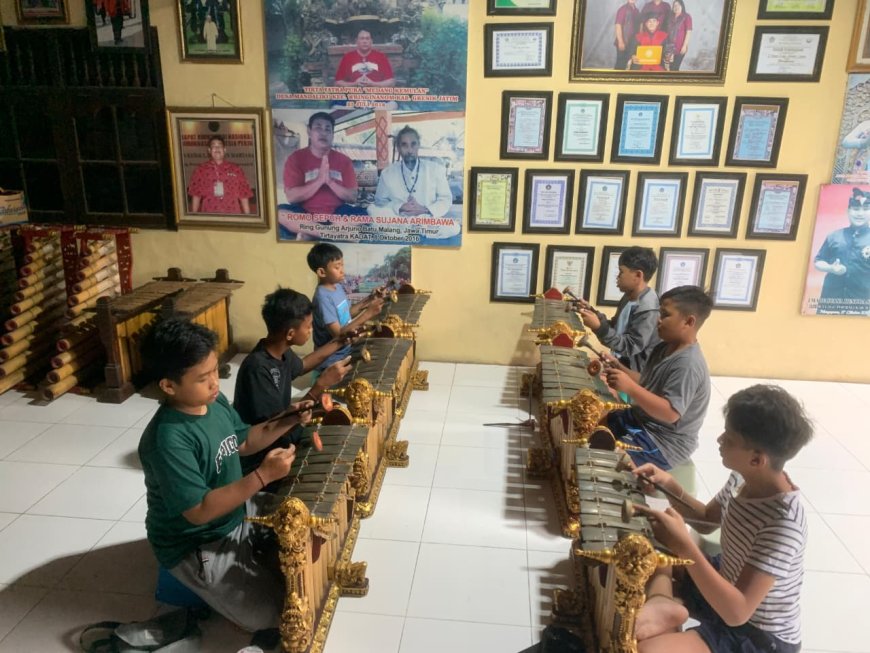 Gender Wayang, one of the main instruments in practice (Photo Source: Personal Collection)
This hard work has borne fruit in the form of achievements. The studio has won several awards, such as 2nd Place in the Gender Wayang Competition at Banjar Pande Mas Kuta in 2022, 3rd Place in the Gender Wayang Competition for the Canggu LPD Anniversary in 2023, 3rd Place in the Children’s Gender Wayang Competition at the 2019 Bali Arts Festival as a representative of Badung Regency, and various other awards at junior and senior high school levels. They also won 1st Place and the Favorite Award at the Virtual Rindik Competition of FAD 2021 in Badung Regency, proving that the sound of their gamelan can resonate beyond local stages.
However, the studio’s main goal is not merely to win trophies. According to its founder, the studio exists to preserve and pass on Balinese karawitan. Children who study here are expected not only to gain musical skills but also to apply them in the community, for example by performing in temples or traditional ceremonies. Beyond that, there is hope that they can bring Balinese gamelan to international stages.
Great expectations rest on the young generation who practice here. With the determination to balance tradition and modernity, Cahya Art Baliqui Arts Studio strives to ensure that Balinese gamelan remains alive. From a small room in Kerobokan Kaja, the sound of Selonding and the whispers of Gender Wayang continue to echo, a living proof that this cultural heritage will not fade, but will be passed on from one generation to the next.