












Subak Pulagan: UNESCO World Heritage Site in Tampaksiring
Subak Pulagan in Tampaksiring is an ancestral heritage that combines an irrigation system with the Tri Hita Karana philosophy. In addition to maintaining the balance of nature, culture, and spirituality, this subak has also been recognized by UNESCO as a World Cultural Heritage Site.

History and Existence of Subak Pulagan
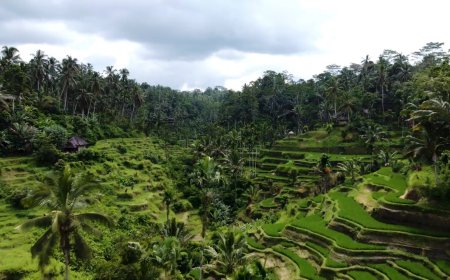
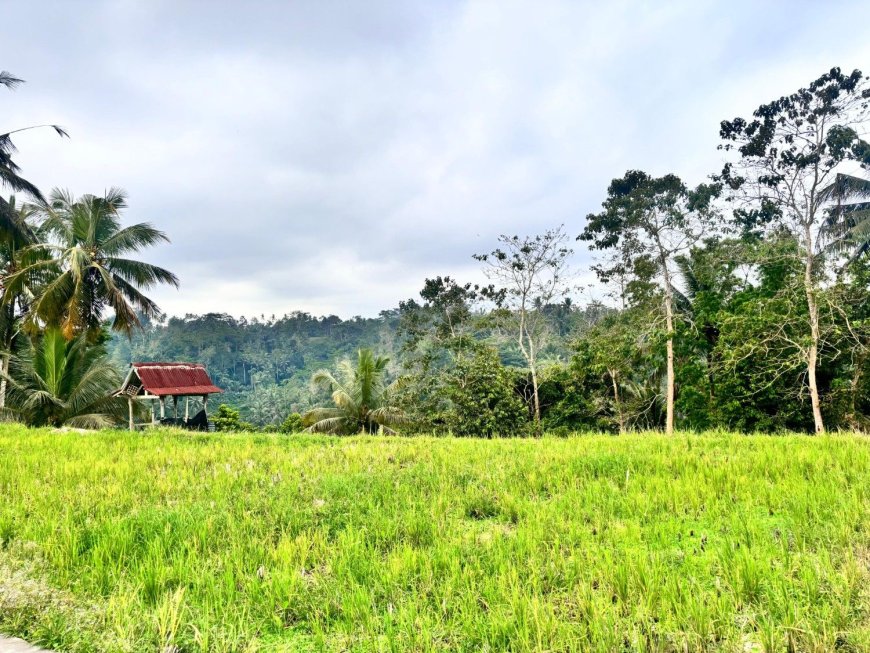
Subak Pulagan is located near Tirta Empul Temple, a sacred site famous for its holy spring. The relationship between the subak and the temple is very close, as the water source of Tirta Empul serves as the main support for the irrigation system in the Tampaksiring area. The existence of Subak Pulagan is believed to date back to the era of ancient Balinese kings, when rice cultivation was the center of community life.
For the local people, Subak Pulagan is not merely an irrigation system but also a heritage passed down from their ancestors and preserved until today. Water and land management is carried out collectively under customary rules agreed upon by the farmers, creating harmony within the community while maintaining balance between humans, nature, and tradition.
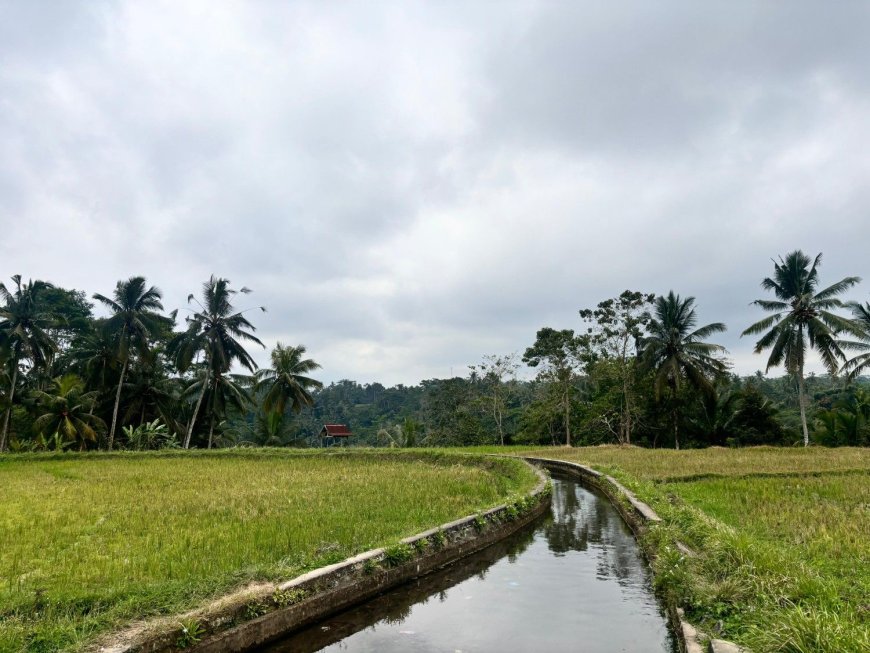
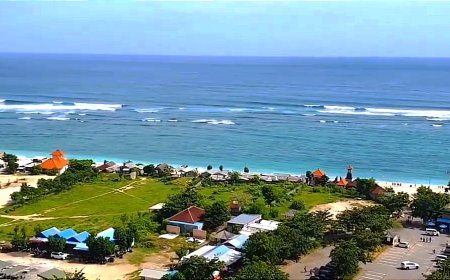
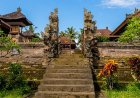
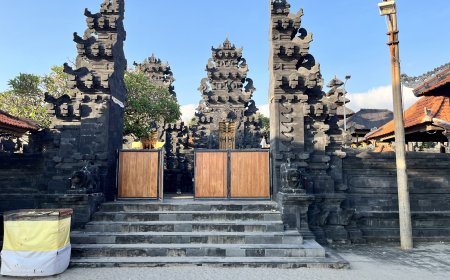
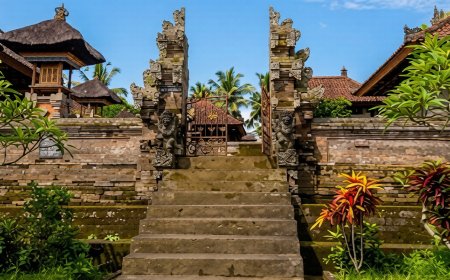
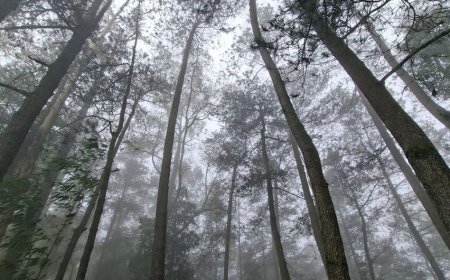
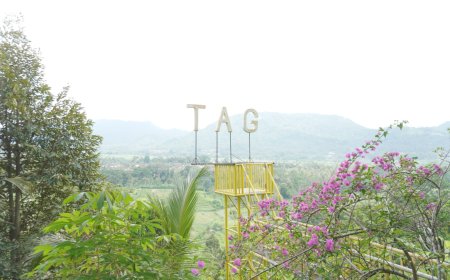
Subak Pulagan (Source: Personal Collection)
The Philosophy of Tri Hita Karana in Subak Pulagan
The uniqueness of Subak Pulagan lies not only in its irrigation techniques but also in the philosophy behind it. The subak system is rooted in the concept of Tri Hita Karana, the three sources of happiness and well-being: maintaining harmonious relationships between humans and God (parhyangan), humans and fellow humans (pawongan), and humans and nature (palemahan).
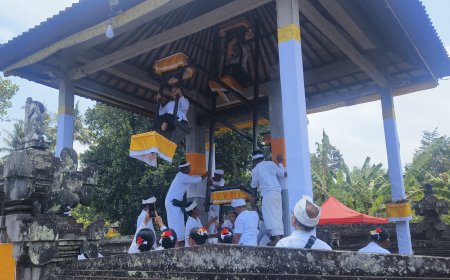
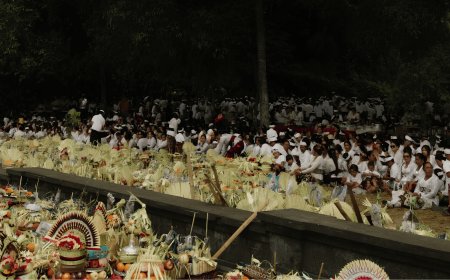
This principle is reflected in the daily lives of the farmers. The water that irrigates the rice fields is regarded as a sacred blessing, and therefore must be used with respect. Religious ceremonies are regularly held at the subak temple to pray for abundant harvests. At the same time, cooperation among subak members illustrates the spirit of gotong royong (mutual cooperation), a defining value of Balinese society.
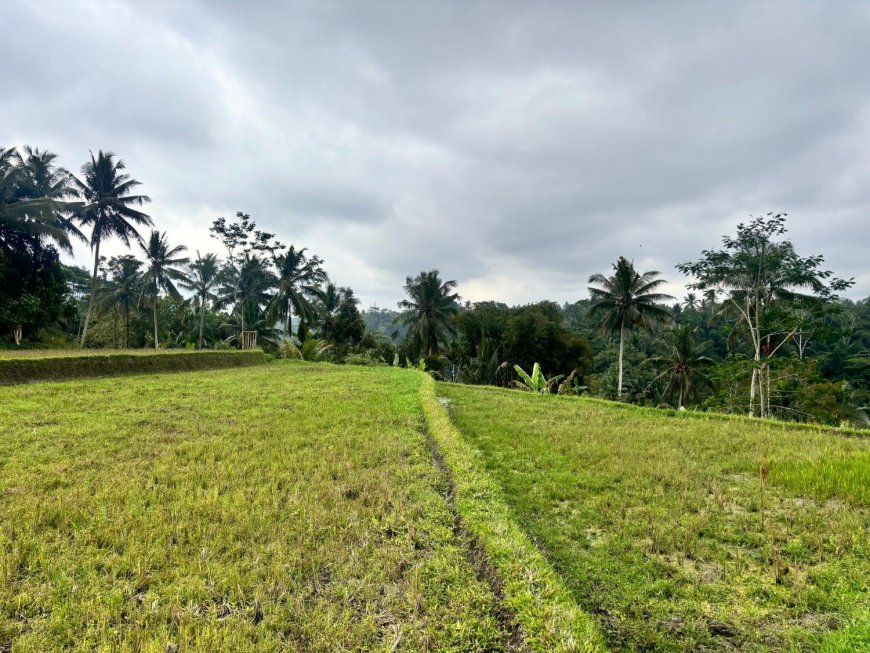
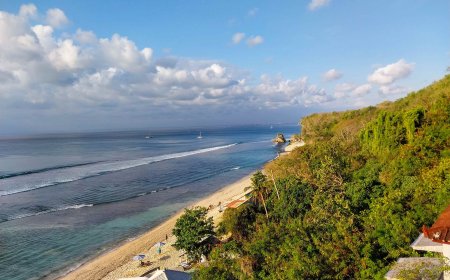
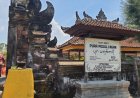
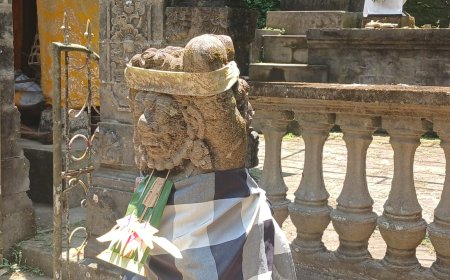
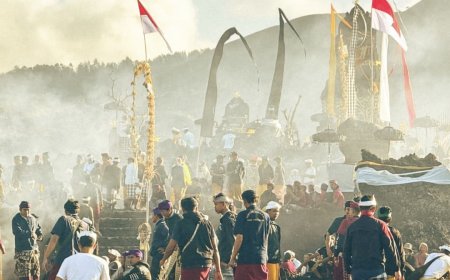
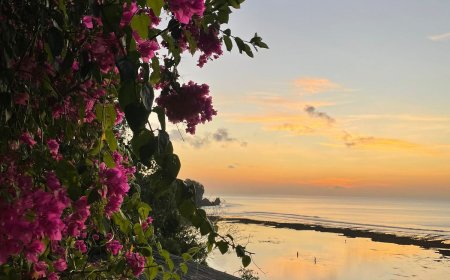
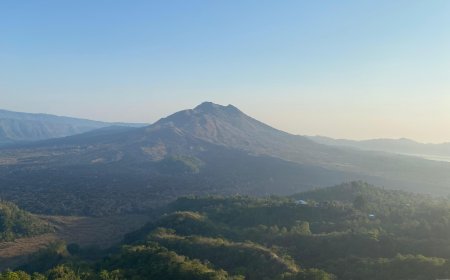
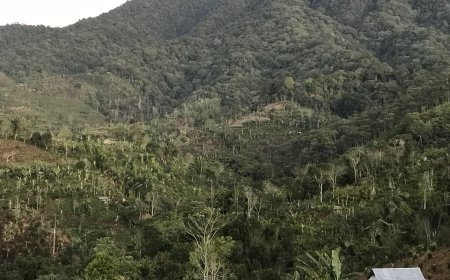
Subak Pulagan (Source: Personal Collection)
UNESCO Recognition and the Importance of Subak Pulagan
In 2012, UNESCO inscribed Cultural Landscape of Bali Province: the Subak System as a Manifestation of the Tri Hita Karana Philosophy as a World Cultural Heritage site. Subak Pulagan is part of this designation, as it represents the unique way Balinese culture manages natural resources. This recognition affirms that Subak Pulagan is not only valuable to the local community but also part of the world’s cultural legacy.
For the Balinese, the recognition brings both pride and responsibility. Today, Subak Pulagan serves not only as an agricultural system but also as a cultural site that must be preserved for future generations. It also creates opportunities for developing educational tourism, where visitors can directly learn about local wisdom in environmental management.
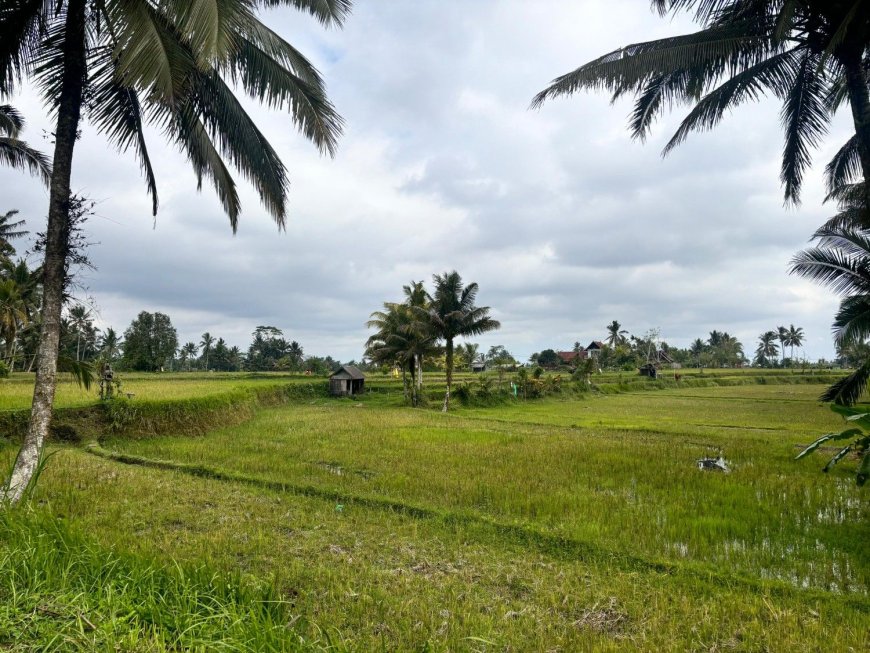
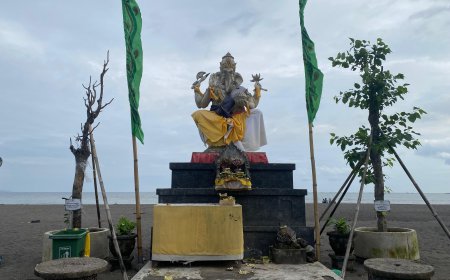
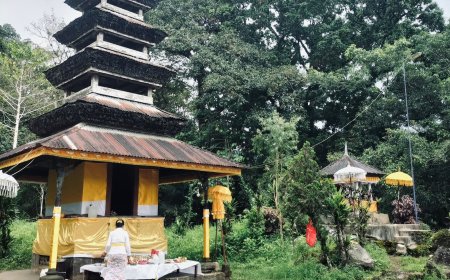
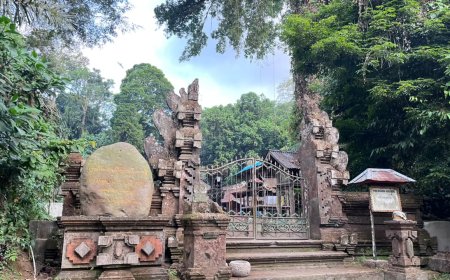
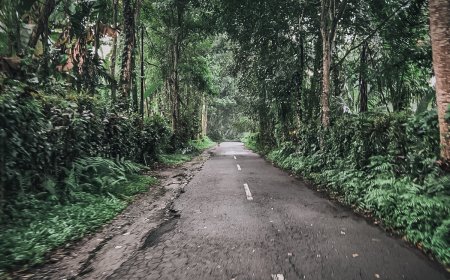
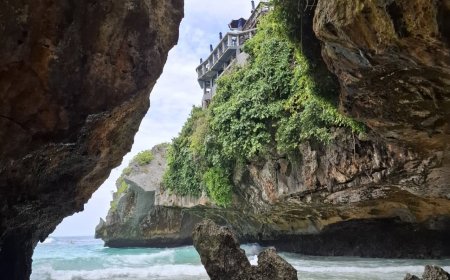
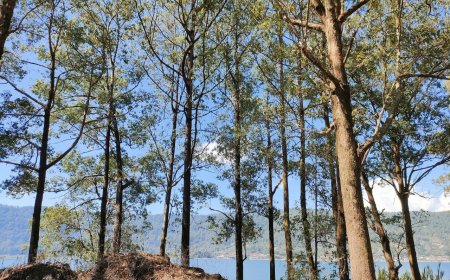
Subak Pulagan (Source: Personal Collection)
Nevertheless, Subak Pulagan faces challenges such as land conversion, declining interest among younger generations to pursue farming, and pressures from modernization. To address these issues, local government, traditional villages, and subak communities work hand in hand to safeguard the balance between nature, culture, and spirituality. The hope is that Subak Pulagan will endure not only as a traditional irrigation system but also as an educational and inspirational space that showcases Balinese local wisdom to future generations.
Bibliography:
Geria, I. M. (2018). Berpetualang ke Pulagan yuuk...! Jakarta: PT. Artha Kreasi Aksara.