









Powerful Medicinal Potion for Healing Tuju Disease (Rheumatism) in Balinese Traditional Medical Palm Leaf Manuscript
Tuju disease, known in medical terms as rheumatism, is one of the diseases that commonly affects the Balinese community, particularly those of advanced age. This disease is characterized by the main symptom of pain in the joints or waist. Interestingly, Bali has a cultural heritage in the form of Traditional Medical palm leaf manuscripts, which contain various traditional recipes for treating various diseases, including Tuju disease.

What is Lontar Usadha?
Lontar Usadha (Traditional Medical Palm Leaf Manuscript) is an ancient manuscript that preserves the traditional healing knowledge of Bali. Within its pages are various herbal recipes and healing techniques that have been passed down through generations. This manuscript is a precious cultural heritage for the Balinese people, especially in alternative health practices that are deeply intertwined with spiritual and traditional values.
Paneseh Usadha is a healing tradition that has existed in Bali for centuries, handed down from generation to generation. This practice focuses on the use of natural herbal ingredients from the local environment to treat various diseases, including the condition known as rematik (rheumatism), which is referred to as Tuju Disease in Bali. Tuju Disease is often marked by pain and stiffness in the joints, particularly around the waist. In Lontar Usadha, this disease is recognized as one of the conditions that can be treated through natural remedies made from Bali's abundant natural resources.
What is Tuju Disease?
Tuju disease is a term used in Bali to describe rheumatic conditions or arthritis, which are characterized by pain, swelling, and stiffness in the joints. These symptoms often appear suddenly and may be triggered by cold or humid weather, excessive physical activity, poor diet, and some local beliefs suggest that the disease may also be caused by evil spirits or an imbalance of energy in the body.
Rheumatic disease is often marked by pain and stiffness in the joints, particularly around the waist. In the Lontar Paneseh Usadha, various herbal concoctions are specifically designed to alleviate these symptoms and support healing. One such remedy is a mixture of the pulp of kemiri (candlenut), soaked rice, and roasted shallots.
Ingredients for the Tuju Disease (Rheumatism) Remedy
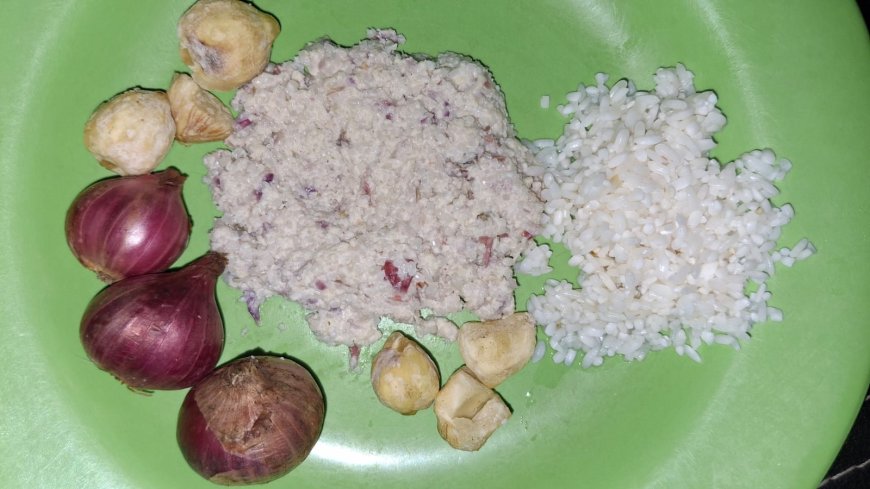
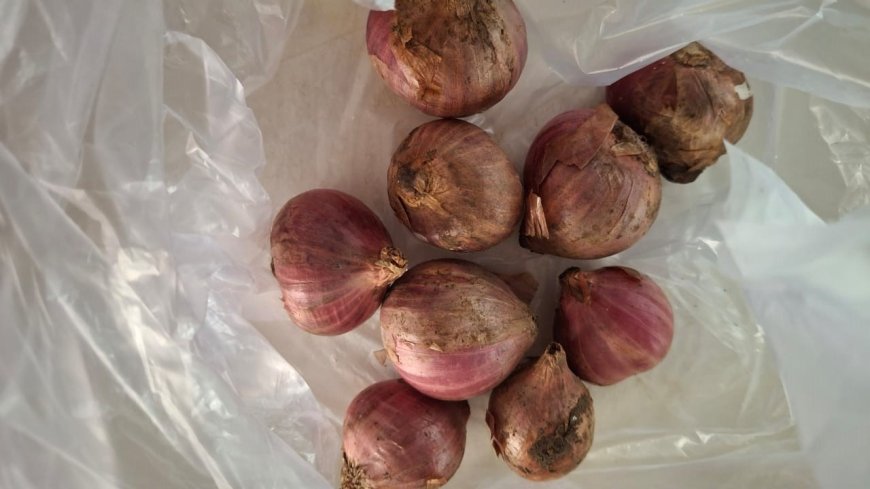
Shallots, scientifically known as Allium cepa var. aggregatum, have strong anti-inflammatory properties due to their sulfur and flavonoid content. In traditional healing, shallots are commonly used to reduce inflammation and alleviate pain. To prepare the remedy, fresh shallots are usually roasted over a small fire until the skin turns black and a strong aroma is released. This roasting process helps to release the therapeutic essential oils contained in the shallots. Once roasted, the shallots are mashed into a fine paste and mixed with other ingredients.
Shallots (Allium cepa var. aggregatum) (Source: Personal Collection)
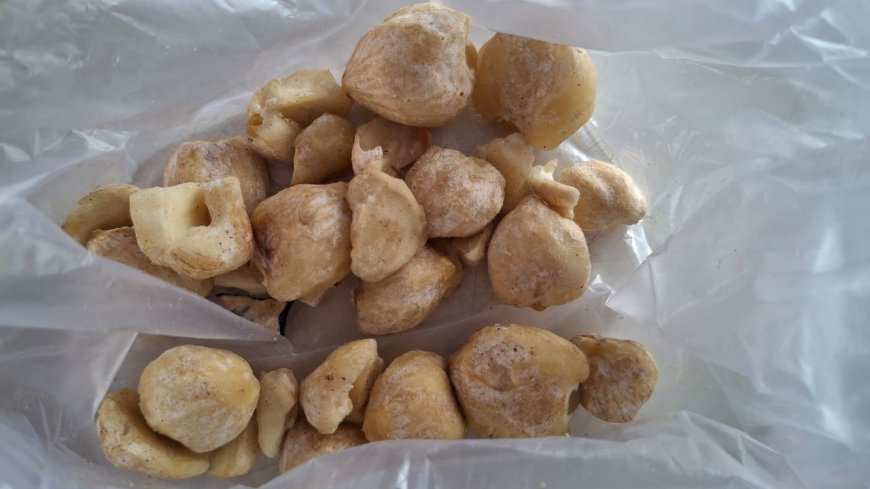
Candlenut, or Aleurites moluccanus, is another key ingredient in this remedy. Candlenut is known for its high oil content, which not only softens the skin but also has a warming effect on the muscles and joints.
Candlenut (Aleurites moluccanus) (Source: Personal Collection)
In addition to shallots and candlenut, rice also plays an important role in this traditional remedy. The rice used is regular white rice that has been soaked in water for several hours. After soaking, the rice becomes soft and easy to crush into a fine paste. In traditional medicine, rice is known for its cooling properties, which help reduce inflammation and provide comfort to the skin. The ground rice is often used as a binding agent to make the remedy easier to apply to the body.
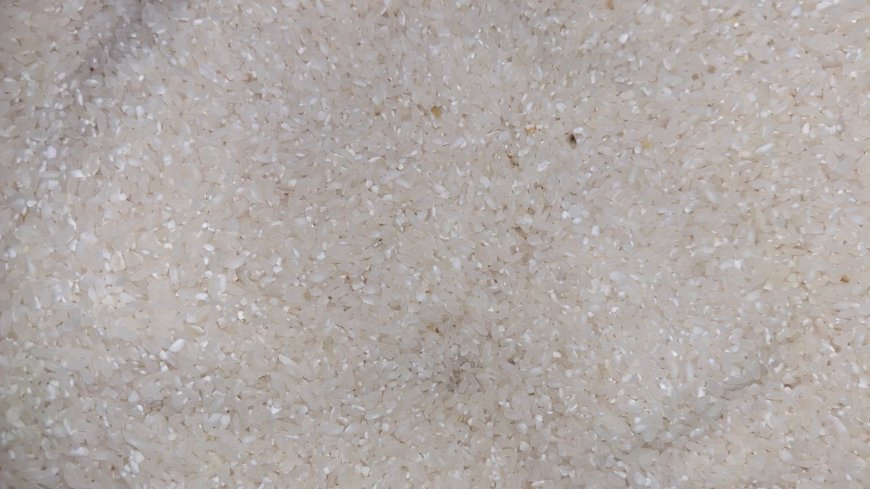
White Rice (Source: Personal Collection)
How to Prepare:
Ingredients:
1. Kemiri (candlenut) pulp: 5-10 nuts
2. Shallots: 3-5 cloves
3. White rice: 100 grams, soaked in water
4. Water: just enough to soak the rice
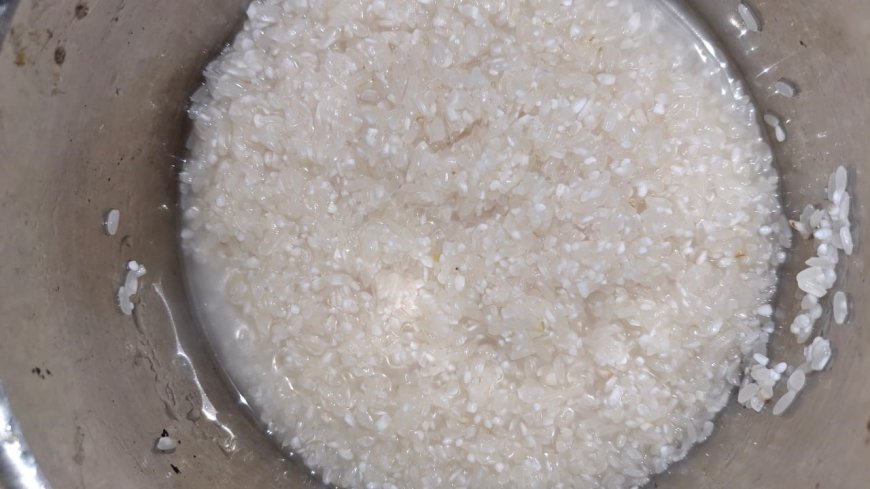
1.Soak the white rice in water for 2-4 hours until soft.
This soaking process softens the rice, making it easier to crush and helps release beneficial compounds that aid in healing.
Soaked White Rice (Source: Personal Collection)
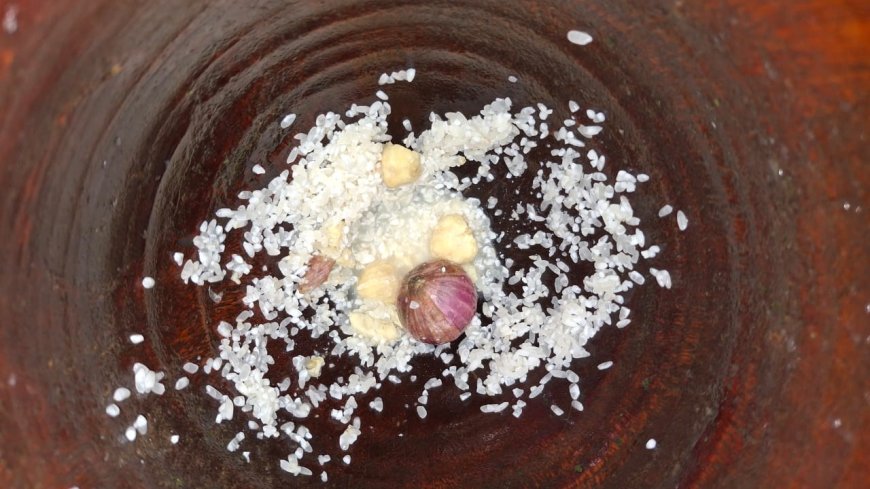
2. Drain the rice, then mash the rice, shallots, and kemiri until smooth.
The mashed rice acts as a cooling binder, enhancing the effectiveness of the remedy when applied to the skin. This process breaks down the plant cells, allowing the active compounds in the shallots and kemiri (Candlenut) to be more easily released, boosting their healing potential to reduce pain and inflammation.
The Process of Grinding Rice, Shallots, and Candlenut Until Smooth (Source: Personal Collection)
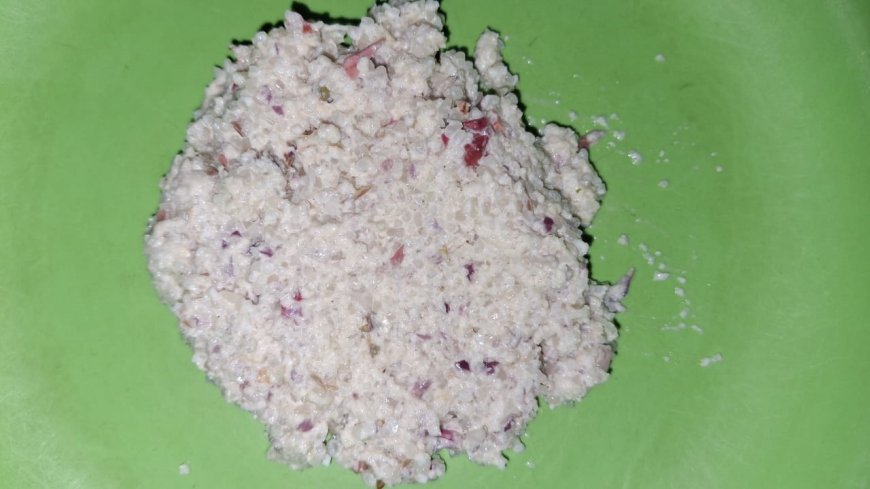
3. Combining all the ingredients
Combining all the ingredients ensures that each part of the remedy has a consistent concentration, so the effectiveness is maintained when applied.
The Result of Making a Medicinal Potion for Tuju Disease (Rheumatism) Ready to Use (Source: Personal Collection)
4. Apply or sprinkle the mixture on the painful area, let it sit for 30-60 minutes, then rinse off.
Allowing the remedy to sit on the skin allows the active compounds to be absorbed properly, providing maximum healing effects before being washed off.
As a cultural heritage rich in historical and spiritual values, the healing traditions of Bali found in Lontar Usadha and Paneseh Usadha are a testament to local wisdom that remains relevant even today. Natural remedies such as shallots (Allium cepa var. aggregatum), kemiri (Aleurites moluccanus), and soaked rice exemplify the utilization of local resources to treat diseases like tuju (rheumatism). This combination of ingredients, with their anti-inflammatory and muscle-warming properties, is not only therapeutically effective but also reflects the harmony between humans and nature. The simple yet meticulous preparation process of the remedy shows the importance of patience in creating treatments that are safe and environmentally friendly. This tradition not only heals the body but also strengthens the spiritual connection with nature, making it more than just a physical therapy, but a valuable heritage that continues to thrive within modern society.
.