























Baris Cina Dance: A Legacy of Chinese Acculturation in Balinese Cultural Life
Baris Cina Dance is a distinctive variation of the Baris dance tradition in Bali that reflects Chinese cultural influence. The dance presents strong warrior-like movements combined with unique costumes and visual elements. Its existence represents a long process of cultural acculturation within Balinese society. Today, Baris Cina Dance continues to be performed in ritual, communal, and cultural events, maintaining its relevance in contemporary Balinese life.

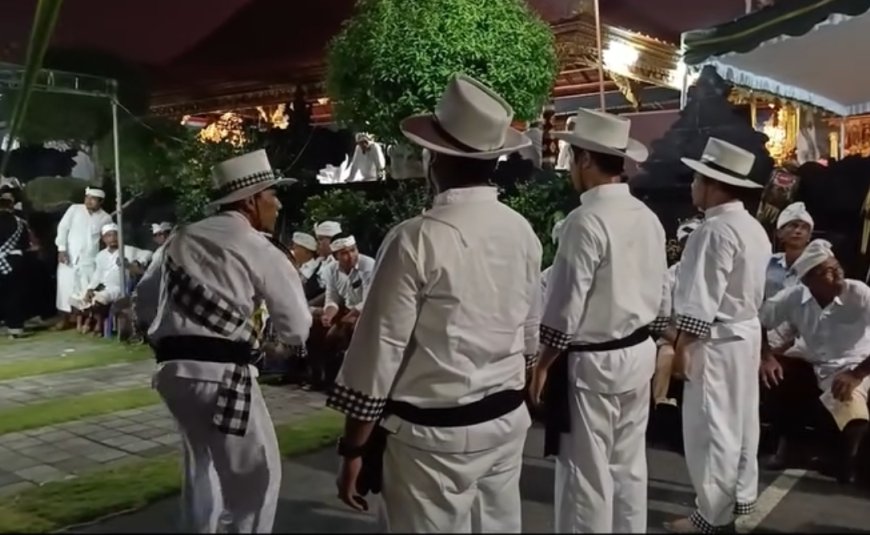
Baris Cina Dance within Balinese Tradition
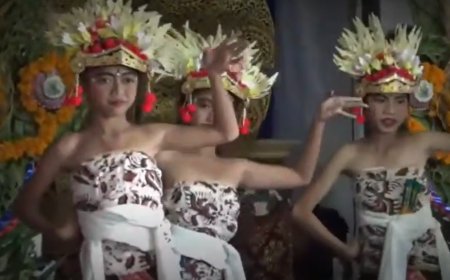
Baris Cina Dance forms part of the diverse landscape of Balinese traditional dance, highlighting the interaction between local culture and external influences. Like other Baris dances, it portrays the figure of a warrior through firm posture, controlled movements, and focused expressions. However, Baris Cina Dance is distinguished by its costume style and visual identity, which differ from other Baris forms.
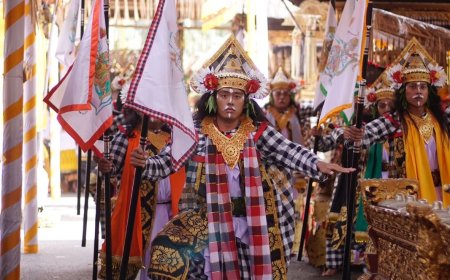
The dancers commonly wear black or white costumes, complemented by distinctive hats and accessories. These visual differences serve as clear markers of the dance’s historical background and cultural significance.
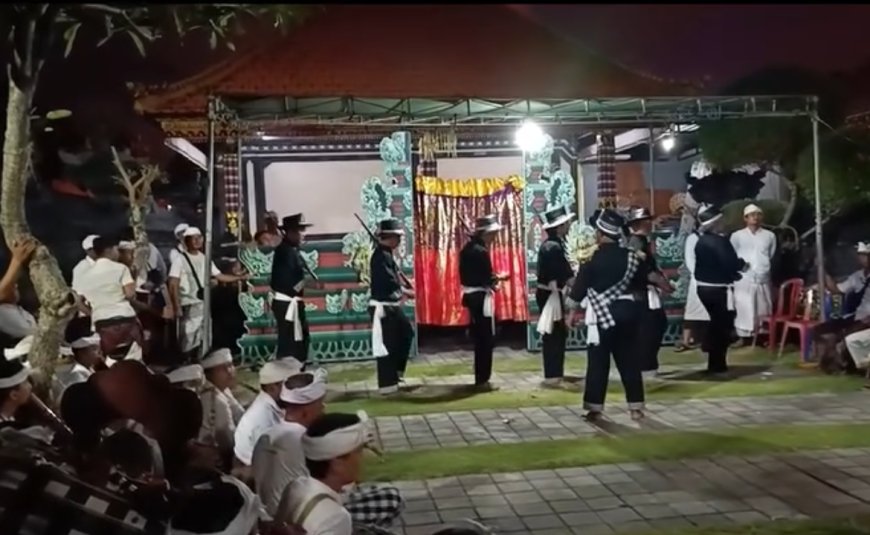
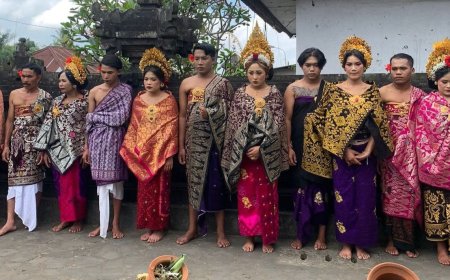
Formation of Baris Cina dancers displaying distinctive costumes and warrior stances (Source: Special permission from @iwayangandita)
Movement, Music, and Expression
The movements of Baris Cina Dance emphasize discipline, alertness, and strength, symbolizing the character of a warrior on duty. Each step, hand gesture, and gaze direction carries symbolic meaning related to readiness and responsibility. The dance is accompanied by gamelan music, which reinforces the rhythm and intensity of the movements.
Facial expression plays an essential role in the performance. Sharp gazes and controlled body language strengthen the portrayal of courage and vigilance. Together, these elements create a performance that communicates meaning beyond aesthetic movement.
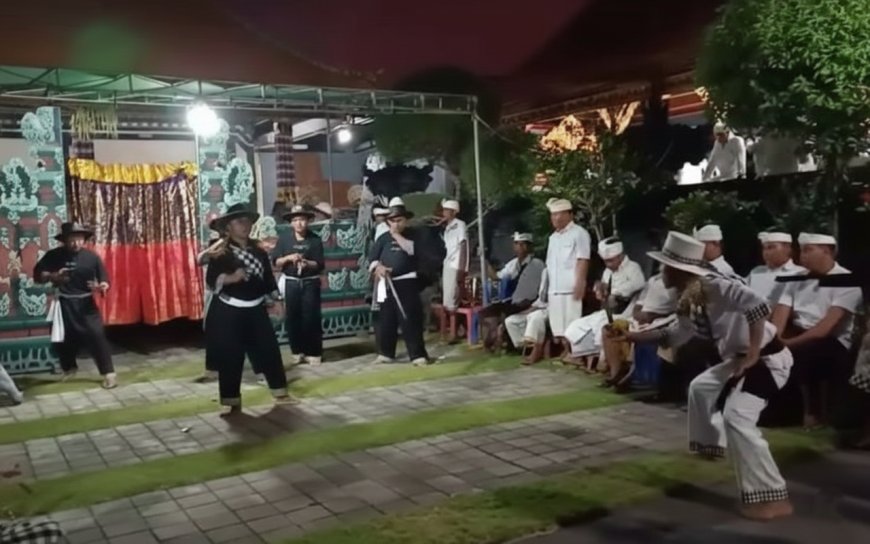
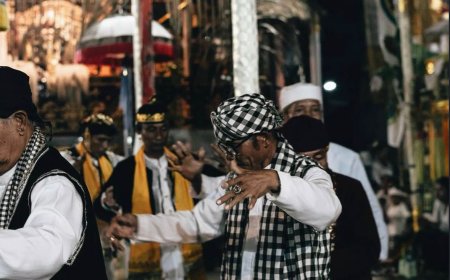
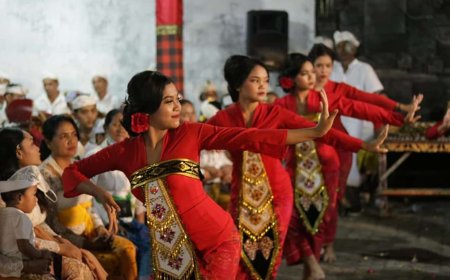
Interaction of movement and expression during a Baris Cina Dance performance (Source: Special permission from @iwayangandita)
Function in Ritual and Community Life
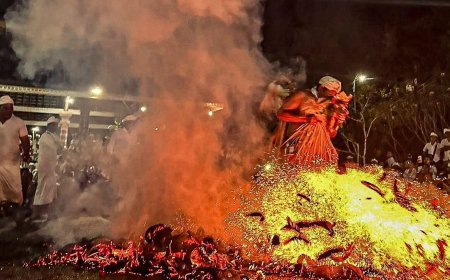
Baris Cina Dance is not performed solely for entertainment purposes. In several regions, the dance holds a ritual function and is presented as part of religious ceremonies. Its presence in ritual contexts emphasizes the role of dance as a form of offering and devotion in Balinese spiritual life.
In addition to ritual settings, Baris Cina Dance is also featured in village events and cultural performances. This practice ensures that the dance remains active within the community and continues to be transmitted across generations.
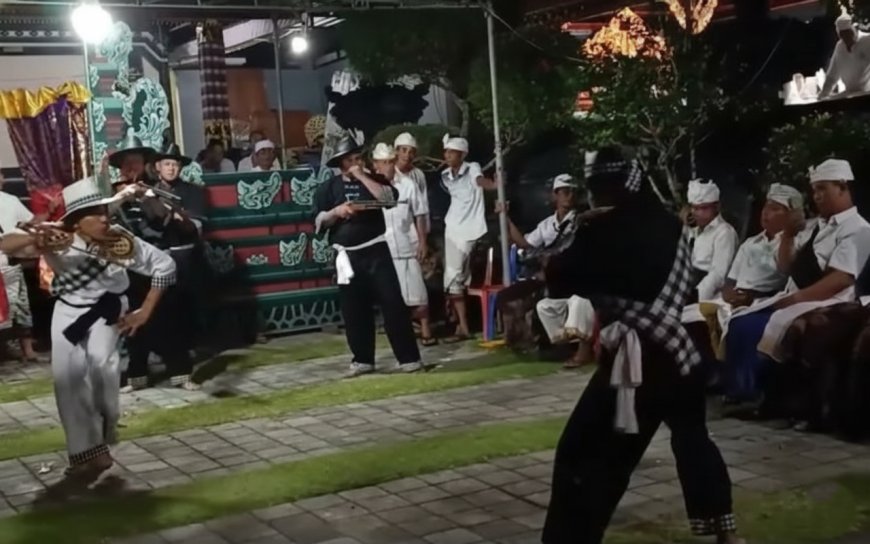
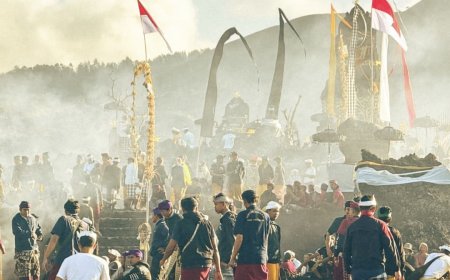
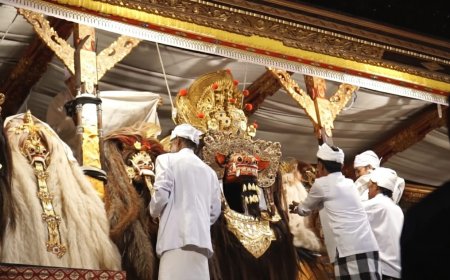
Baris Cina Dance performed during a traditional ceremony witnessed by the community (Source: Special permission from @iwayangandita)
Meaning of Cultural Acculturation
The uniqueness of Baris Cina Dance lies in its representation of Balinese–Chinese acculturation. Chinese influence is visible in the visual aspects of the dance, yet it does not diminish the Balinese identity. Instead, these elements merge and form a distinct artistic expression rooted in local tradition.
The continued performance of Baris Cina Dance demonstrates how cultural interaction can produce meaningful artistic forms. It stands as evidence that Balinese culture remains open, adaptive, and capable of preserving identity while embracing diversity.
As part of Balinese traditional arts, Baris Cina Dance holds a significant cultural position. Through warrior movements, distinctive costumes, and ritual functions, the dance reflects a long cultural journey shaped by interaction and adaptation. Its continued presence today confirms that traditional dance serves not only as artistic expression but also as a medium for preserving historical and cultural values.