












Munjung ke Setra: A Unique Pagerwesi Tradition in Buleleng That Few People Know
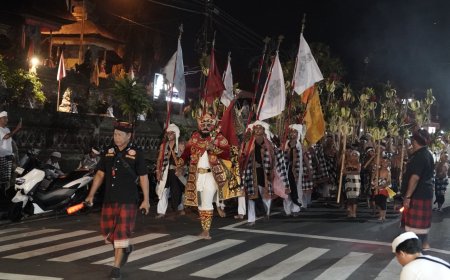
In many parts of Bali, Pagerwesi passes quietly and simply. But in Buleleng, the story is very different. This sacred day feels vibrant and significant so much, so that it is often called “the Galungan of the Buleleng people.”. There is something about Pagerwesi in North Bali that never feels ordinary. It goes beyond rituals and ceremonies; it is about ancestral bonds, the strengthening of one’s inner self, and beliefs carefully preserved across generations. Within its celebration lie traces of history, spirituality, and a way of life that can only be truly understood when experienced up close. How can the same sacred day be felt so differently in one place? What makes the people of Buleleng honor it with such deep devotion? That is the quiet allure of Pagerwesi a celebration rich with meaning, inviting anyone who hears about it to want to know more.

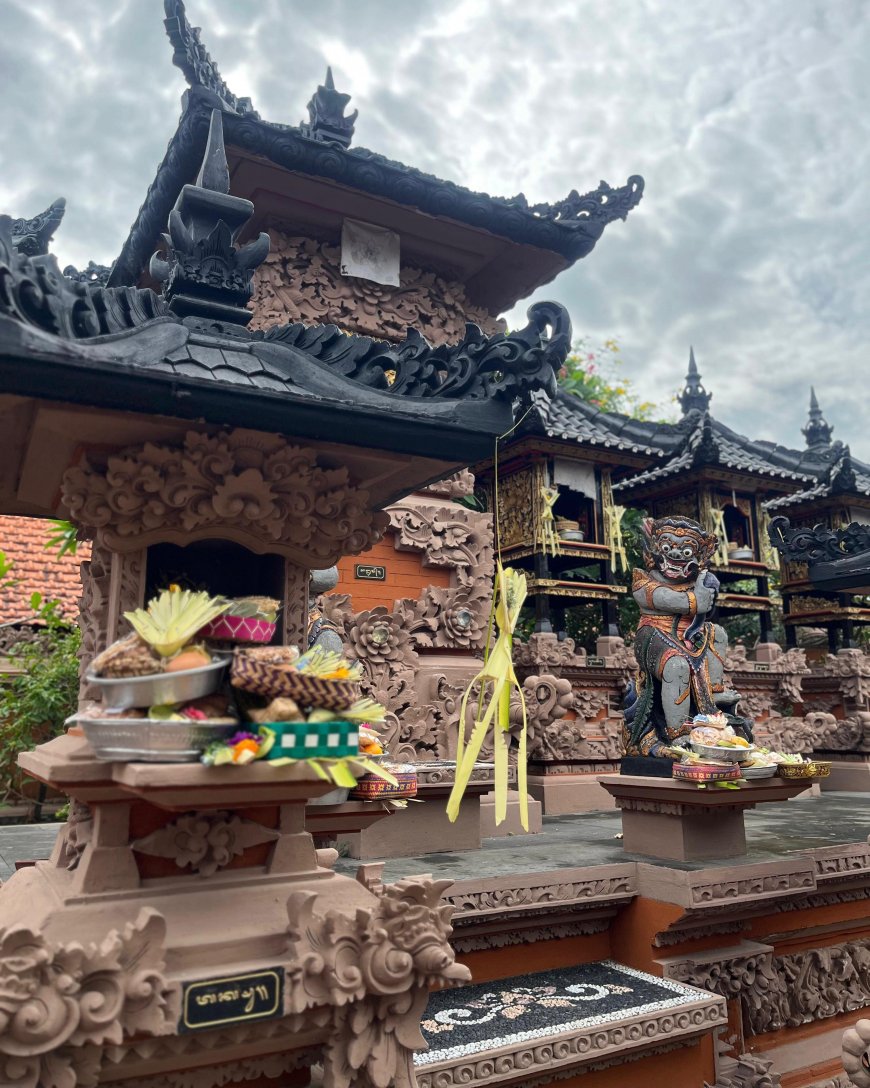
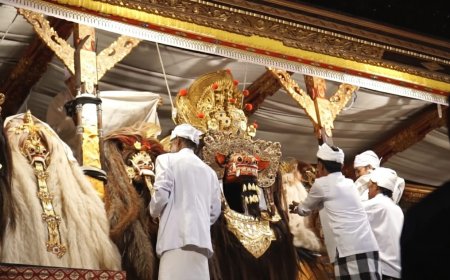
When you hear the word Pagerwesi, many people immediately think of it as one of the sacred Hindu holy days in Bali. That’s right. Pagerwesi comes every 210 days, falling exactly on Rabu Kliwon Wuku Sinta in the Balinese calendar. The word itself comes from pager meaning fence, and wesi meaning iron. So, the name basically means “iron fence,” a symbol of strong protection to keep people steady in spirit and safe from negative influences.
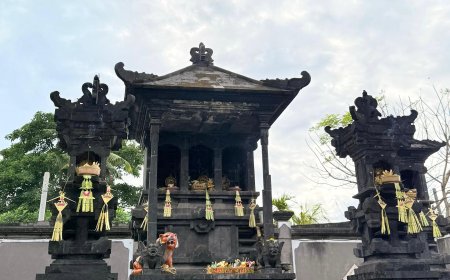
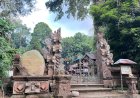
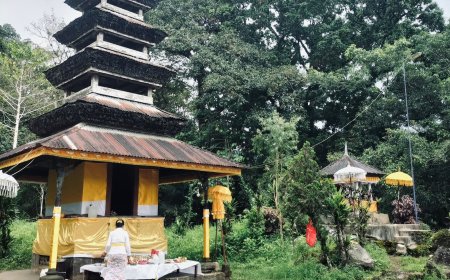
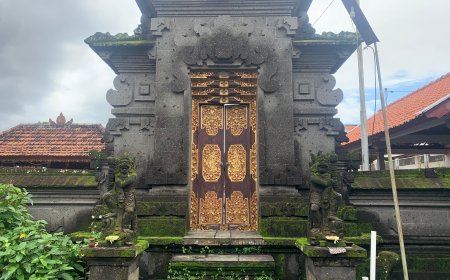
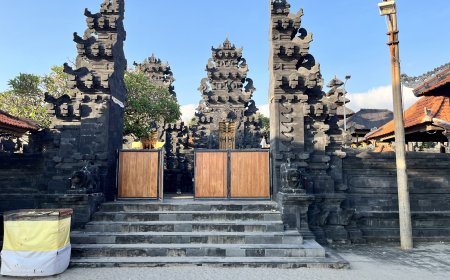
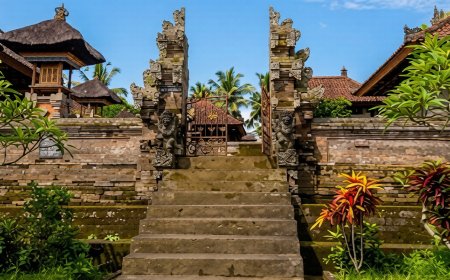
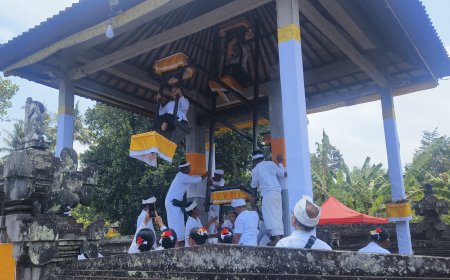
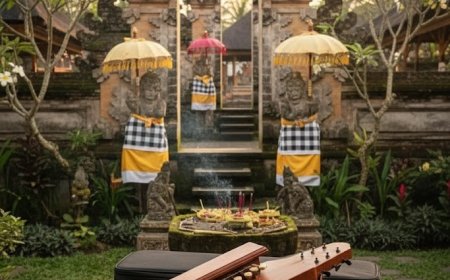
Family Temple (Source: Private collection)
Buleleng’s Own “Galungan”
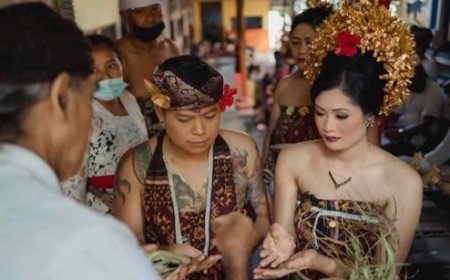
Locals in Buleleng often call Pagerwesi their very own “Galungan of North Bali.” Some even pronounce it uniquely as “Pegorsi,” showing their strong sense of pride and identity. The vibe is almost identical to Galungan, like families busy preparing offerings, weaving jejaaitan, and making lawar (a traditional dish). The main difference is that during Pagerwesi, people don’t have to put up a penjor (decorated bamboo pole) in front of their homes.
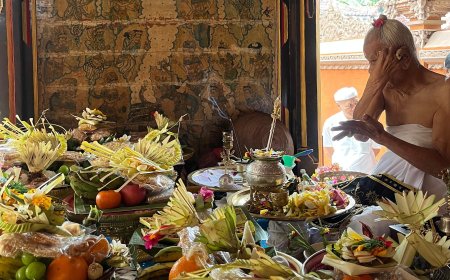
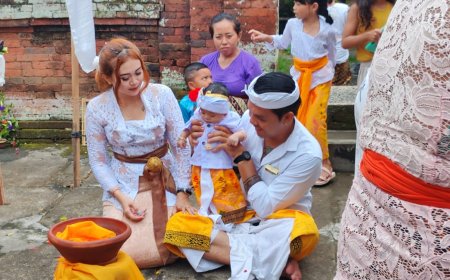
Natab Banten (Source: Private collection)
Unique Pagerwesi Traditions in Buleleng
If you look closer, there are several traditions in Buleleng that you won’t really find elsewhere in Bali.
Penampahan Pagerwesi
The day before Pagerwesi, locals observe Penampahan. Usually, this word is linked to Galungan, but in Buleleng, it’s also tied to Pagerwesi. Families and neighbors come together for mepatung, the communal slaughtering of a pig, which is then cooked into lawar or other traditional dishes. This ritual adds warmth and togetherness to the celebration.
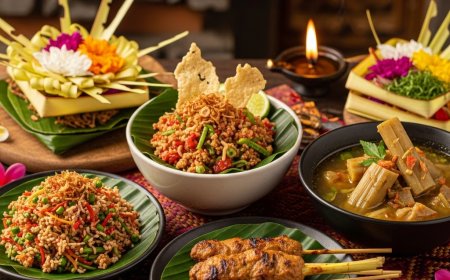
Balinese Traditional Dishes, AI illustration (Source: Private collection)
Munjung to the Cemetery
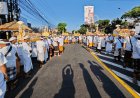
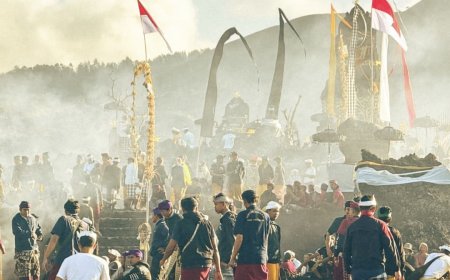
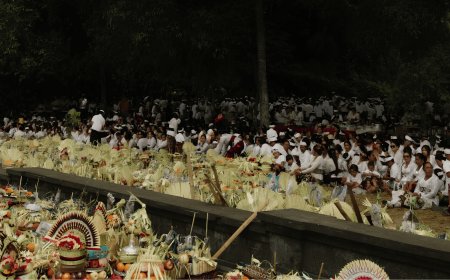
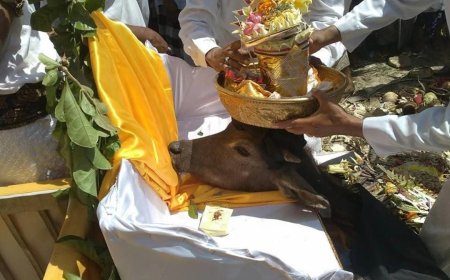
This is the most iconic tradition. On Pagerwesi, many Buleleng families visit the cemetery in a ritual called Munjung. They bring special offerings (banten) filled with rice, tipat blayag (a local rice cake), chicken, vegetables, and bananas, and dedicate them to ancestors who have not yet been cremated.
After the prayers, families usually sit down and eat together right there in the cemetery. The atmosphere feels almost like a little picnic among the graves. For the community, this isn’t just ritual, it’s a way to honor ancestors and ask for their continued protection over future generations.
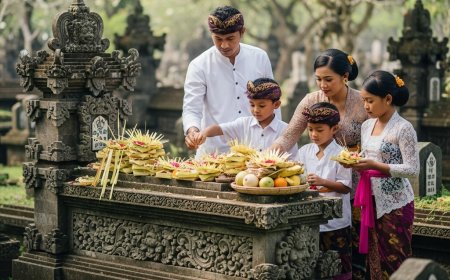
Munjung ke Setra, AI illustration (Source: Private collection)
The uniqueness of Pagerwesi in Buleleng comes from a blend of old teachings that once flourished in the region. In East Buleleng, the Siwa Pasupata tradition developed, focusing on self-control and balance. Meanwhile, in West Buleleng, Mahayana Buddhism emphasized compassion and devotion. Instead of clashing, the two traditions merged into a “local genius” a cultural blend that still shapes Buleleng’s spirituality today.
Pagerwesi in Buleleng vs. Other Parts of Bali
Compare this to the south of Bali, like Denpasar or Gianyar, you’ll notice the difference. In the south, Pagerwesi tends to be celebrated more simply: just family prayers at home temples, without Penampahan or cemetery visits. The mood there is more solemn and private, while in Buleleng it’s more communal, festive, and unique.