




Puseh-Desa Temple: A Kahyangan Three Temple Located within the Sad Kahyangan Area of Penataran Sasih Temple
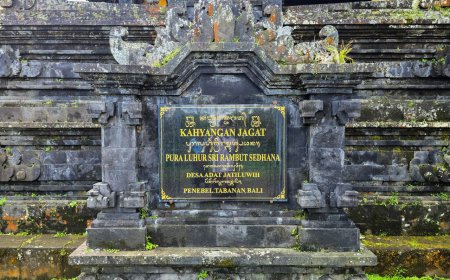
Pejeng Village, located in Tampaksiring District, Gianyar Regency, Bali, is a village rich in historical value. Known as an ancient or traditional village, Pejeng holds a significant place in history. As a royal temple in Ancient Bali, Penataran Sasih Temple does not stand alone. Several other temples are located within the same area, one of which is the Puseh-Desa Temple.

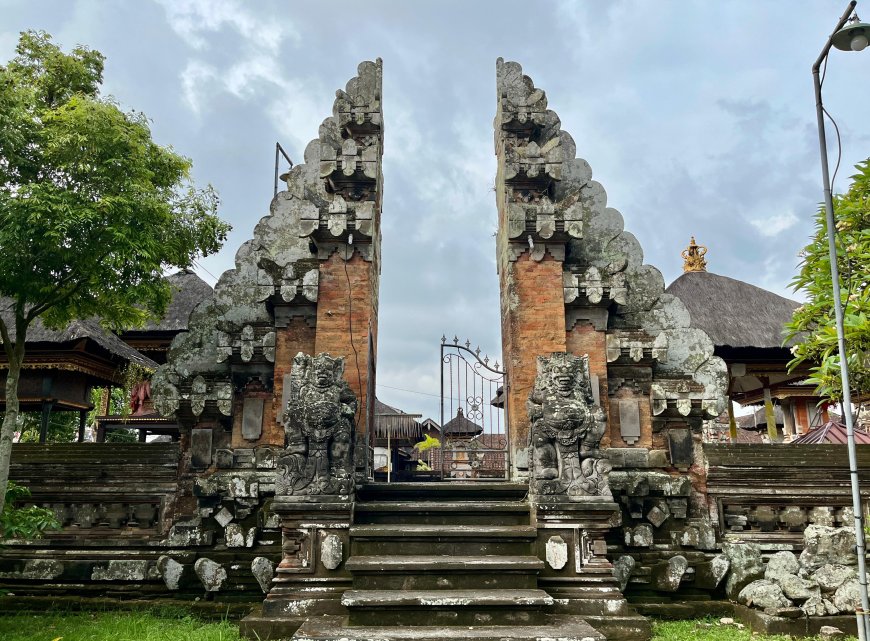
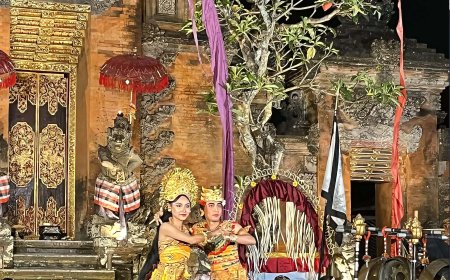
Puseh-Desa Temple is an essential part of the religious structure of Balinese society, particularly in Pejeng Village. This temple symbolizes the community's connection with Lord Vishnu as the guardian of fertility and nature’s sustainability. The name "Puseh" refers to the center or core of life, making this temple the starting point in the worship of the Tri Murti.
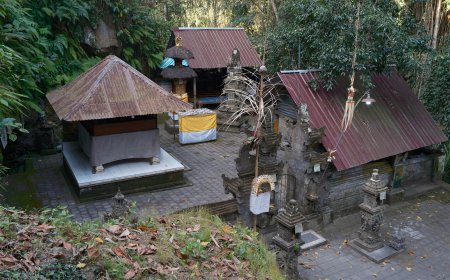
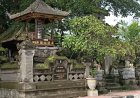
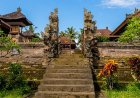
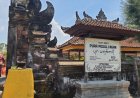
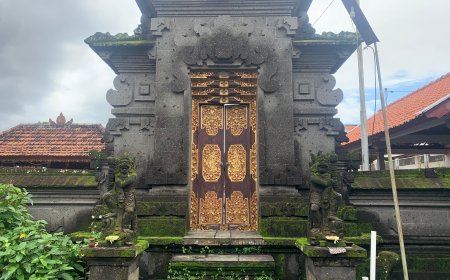
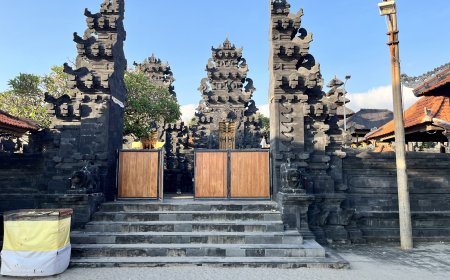
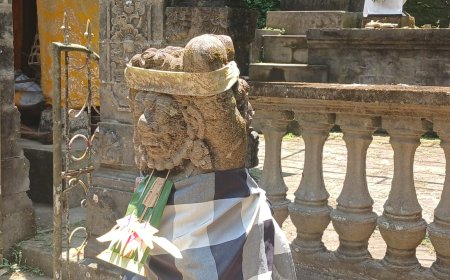
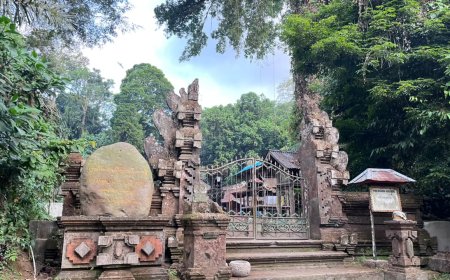
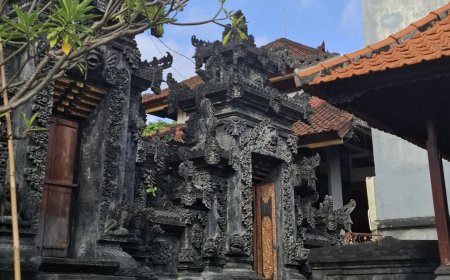
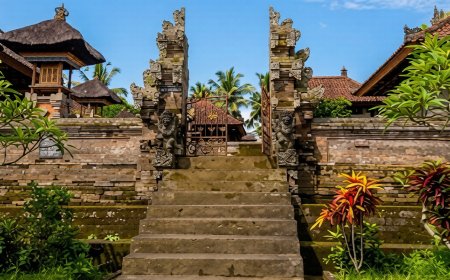
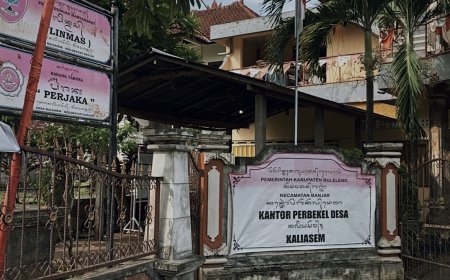
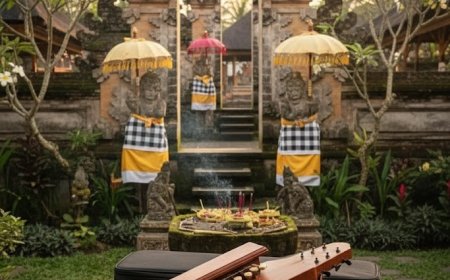
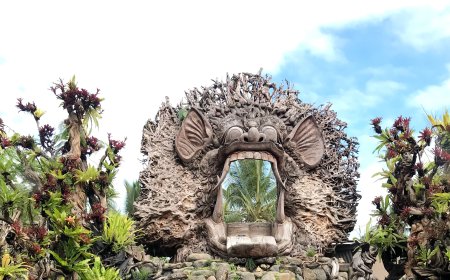
The Architectural Structure of Puseh-Desa Temple (Photo Source: Personal Collection)
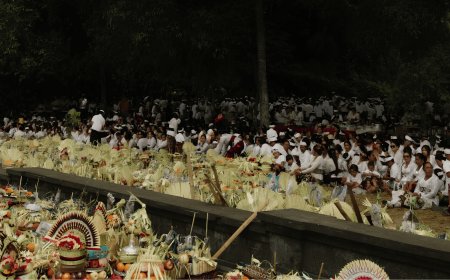
The presence of Puseh-Desa Temple within the Pura Penataran Sasih complex emphasizes the importance of the connection between spiritual life and the balance of nature in Balinese tradition. This temple is not only a center for religious activities but also a symbol of the community's unity in preserving ancestral traditions, while serving as a reminder of the importance of living in harmony with nature and Ida Sang Hyang Widhi.
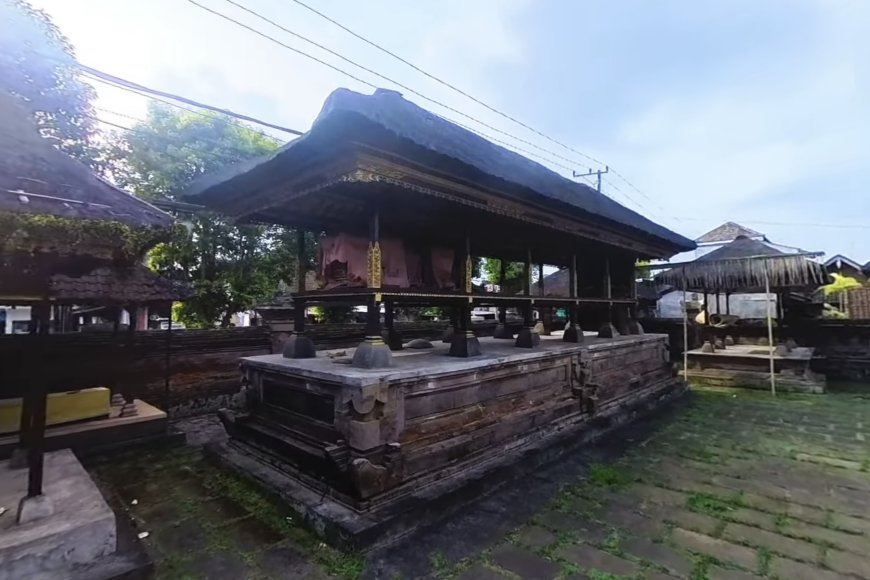
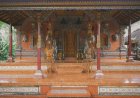
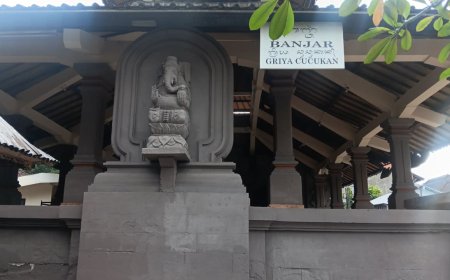
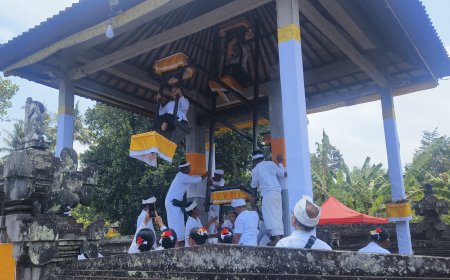
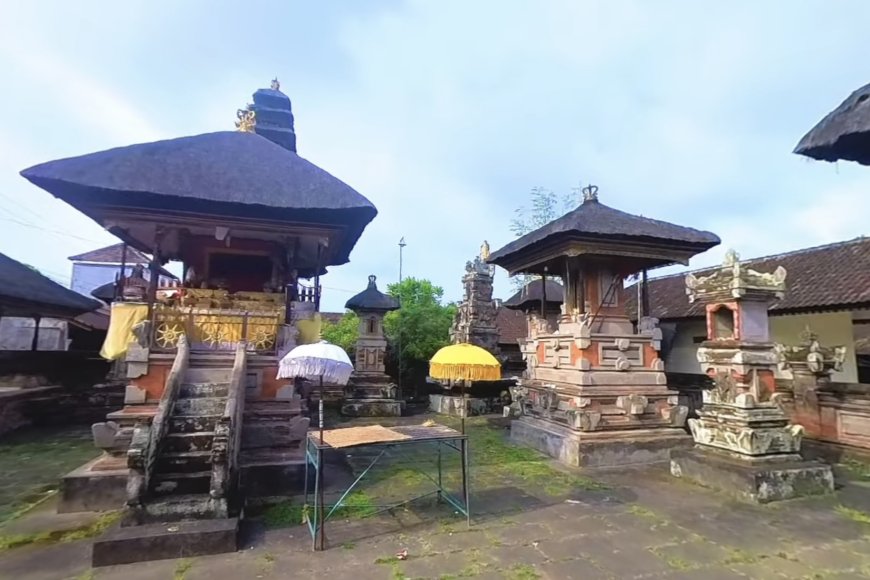
Bale Agung at Puseh-Desa Temple, Pejeng (Photo Source: Personal Collection)
In the temple, there are various shrines and buildings, each serving a specific function. The shrines and structures at Puseh-Desa Temple, Pejeng include:
- Padmasana Stana Hyang Widhi: This is a sacred shrine used to worship Lord Iswara, one of the manifestations of Lord Shiva in Hinduism. Iswara is often associated with the east, so this shrine is usually placed in the eastern part of the temple.
- Palinggih Ratu Ketut Petungan: A place of worship dedicated to the deity or ancestor known as Ratu Ketut Petungan, believed to offer protection and prosperity.
- Gedong Pasimpenan: Gedong is an enclosed building used to store pratima (statues or sacred symbols of gods and goddesses) and other sacred objects.
- Palinggih Sedahan Pengrurah: Located in the southern part of the temple, facing west, this shrine is typically made entirely of stone, like Gedong.
- Bale Peselang: Physically, this is a six-pillar structure situated in the corner of the temple, functioning as a resting or ceremonial space.
- Bale Pewedaan: A building prepared for the sulinggih (priests) during ceremonies.
- Bale Panggungan: A space used for temporary offerings or to place ceremonial equipment.
- Bale Agung: A long building with 11 pillars, used as a place for meetings or discussions among temple administrators. It is also used for placing offerings during ceremonies.
- Pelinggih Ratu Mas: A place of worship for the spiritual manifestation known as Ratu Mas, believed to bring blessings and protection.
- Pelinggih Ratu Ibu Pertiwi: A shrine dedicated to Dewi Pertiwi, symbolizing the fertility and abundance of the earth.
- Meru Tumpang Tujuh Stana Ida Ratu Pasek: A seven-tiered meru shrine dedicated to Ida Ratu Pasek, an ancestor or spiritual entity honored by the Pasek community.
- Pelinggih Ratu Made Jelewarang: A place of worship for Ratu Made Jelewarang, a specific spiritual manifestation believed to bring blessings and prosperity.
- Pengaruman: A Bale Pengaruman is the sthana (place) for Bhatara and Bhatari during the piodalan ceremony, where idols or symbols of Ida Sang Hyang Widhi Wasa are placed during the ritual.