







Traces Preserved by Time: Pura Kawitan Pusat Pasek Dalem Ciwa Gaduh
Pura Kawitan Pusat Pasek Dalem Ciwa Gaduh in Gelgel Village, Klungkung, serves as a spiritual center and a source of kawitan identity for the descendants of Pasek Gelgel Dalem Ciwa Gaduh. The temple preserves traces of ancestral migration from Java to Bali, the tradition of kawitan sanak pitu worship, and its enduring role as a living space of kinship that continues to be maintained to the present day.

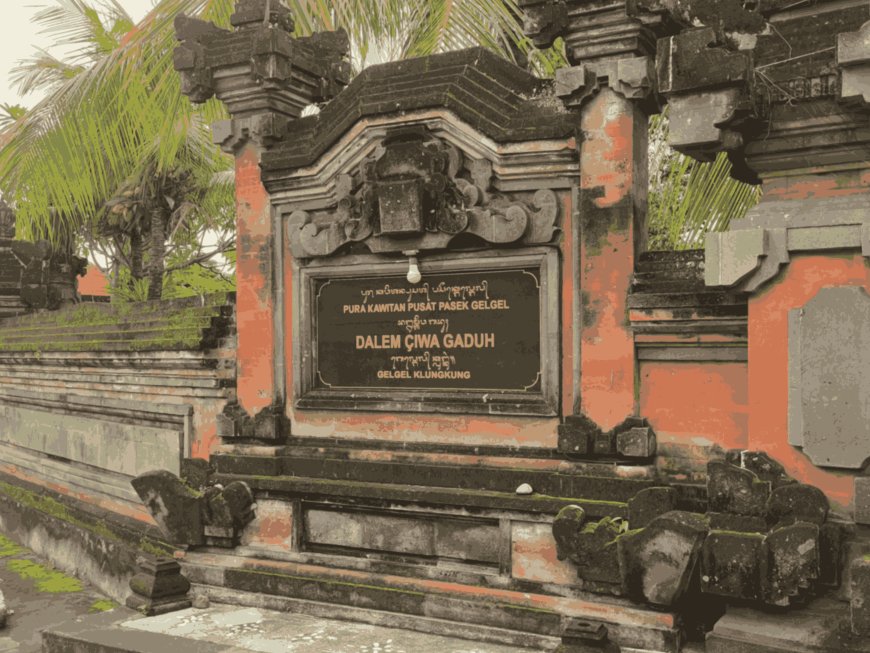
Pura Kawitan Pusat Pasek Dalem Ciwa Gaduh, located in Gelgel Village, Klungkung, Bali, stands as a spiritual center and a source of kawitan identity for the descendants of Pasek Gelgel Dalem Ciwa Gaduh. The presence of this temple not only represents a place of ancestral worship but also serves as an important marker of the historical connection between Java and Bali, preserved through babad narratives, oral traditions, and religious practices that continue to this day.
According to babad sources and the accounts of temple custodians, the ancestral lineage of Pasek Dalem Ciwa Gaduh traces back to Mpu Wiradangka in Java. From this lineage emerged De Pasek Lurah Gaduh, who later migrated to Bali during the early period of the Gelgel Kingdom. This migration is believed to have occurred before the Balinese royal system was fully established, which is why the kawitan temple was founded as a parahyangan dewa pitra, a sacred space dedicated to ancestral worship that predates formal political authority.
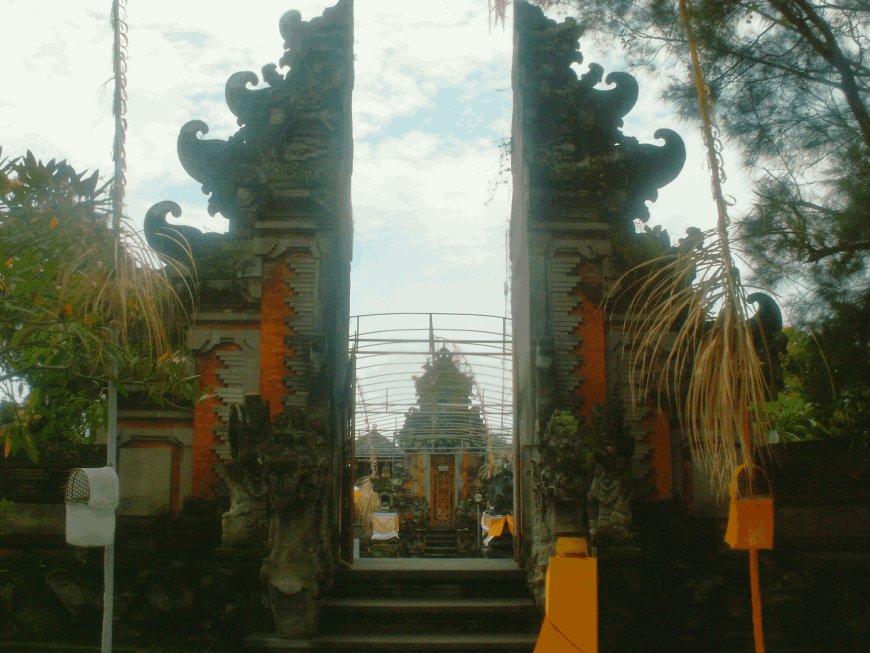
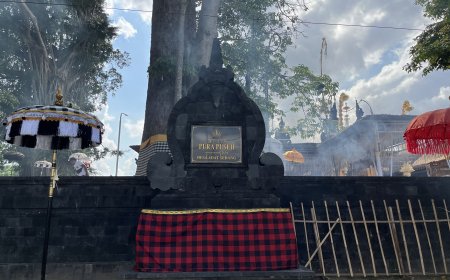
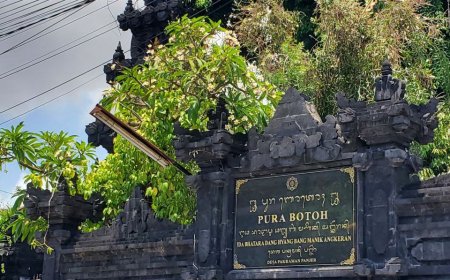
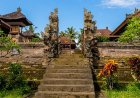
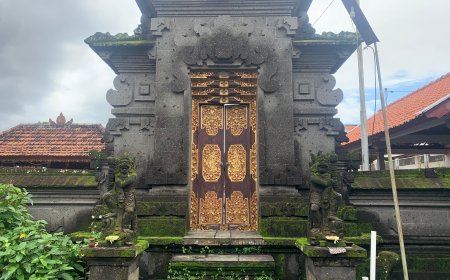
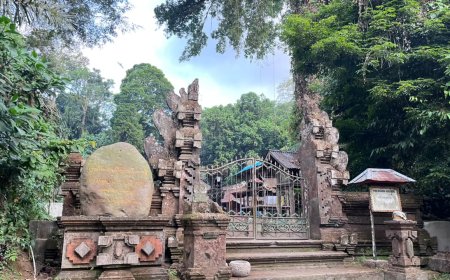
Entrance Gate of Pura Kawitan Pusat Pasek Dalem Ciwa Gaduh (Source: Personal Collection)
Oral tradition recounts that the original temple returned from Java through a spiritual journey from Paku Alam to Basak, Bali. This narrative also includes accounts of early Muslim escorts who arrived in several waves and became involved in the political dynamics of the kingdom. They are said to have taken part in rebellions and were later granted land as a form of reward, an episode often interpreted as balipat geger, referring to the adaptation of conflict and social transformation from Java into the Balinese cultural context.
The traces of this migration and adaptation are also reflected in the development of language and place names. The influence of Old Javanese gave rise to local names such as Gede, Kota Klungkung, Sekowati, Gedong, and Pasar, marking the spread of Pasek descendants across various banjar and regions in Bali. This aligns with records found in the Babad Pasek, which describe processes of cultural integration and the strengthening of Pasek identity within Balinese society.
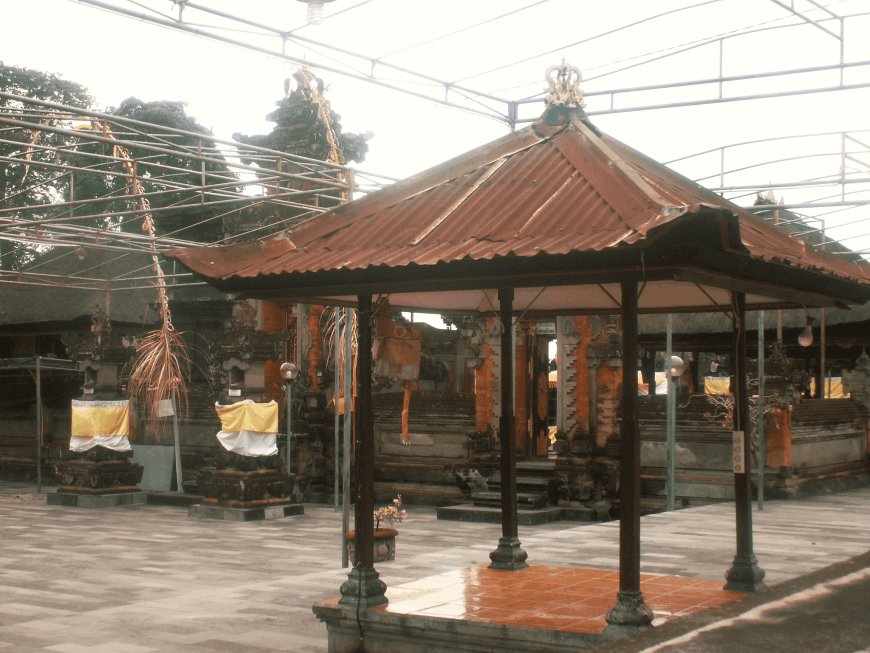
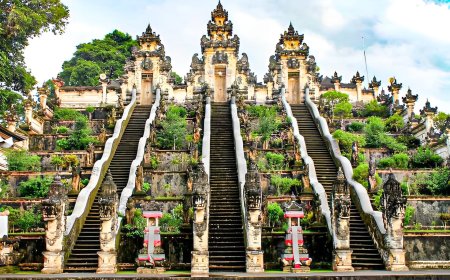
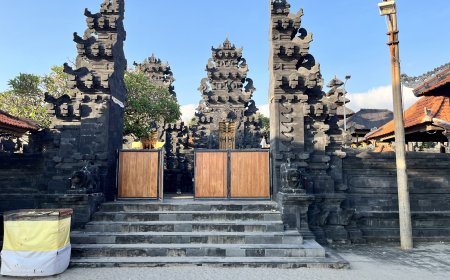
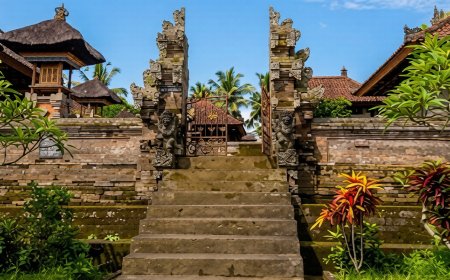
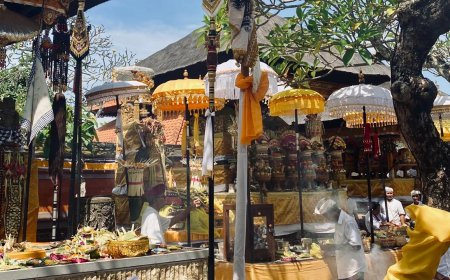
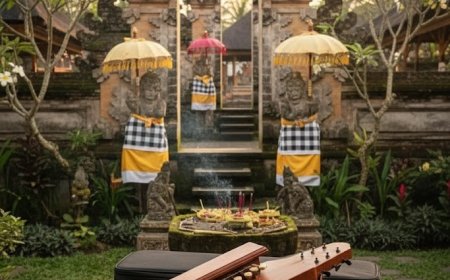
Jabe Tengah of Pura Kawitan Pusat Pasek Dalem Ciwa Gaduh (Source: Personal Collection)
It is believed that the earliest kawitan temple housed artifacts or replicas of ancient relics now known as the Javanese Lingga-Lingga, which were reportedly studied by foreign scholars. The presence of these symbols reinforces the view that Pura Kawitan Pusat Pasek Dalem Ciwa Gaduh has roots in the pre-kingdom era, while also serving as a spiritual link between ancestors in Java and their descendants in Bali.
In its religious practice, the temple emphasizes the concept of kawitan sanak pitu, referring to the veneration of the origins of seven siblings within a single family lineage. This orientation places blood ties and spiritual bonds at the core of worship rather than positions of authority or power. The influence of Mpu Kuturan’s teachings and the Tri Murti concept in the fourteenth century further shaped the temple’s ritual system, with the Lingga or Linglinga understood as a sacred symbol of ancestral presence that continues to be revered.
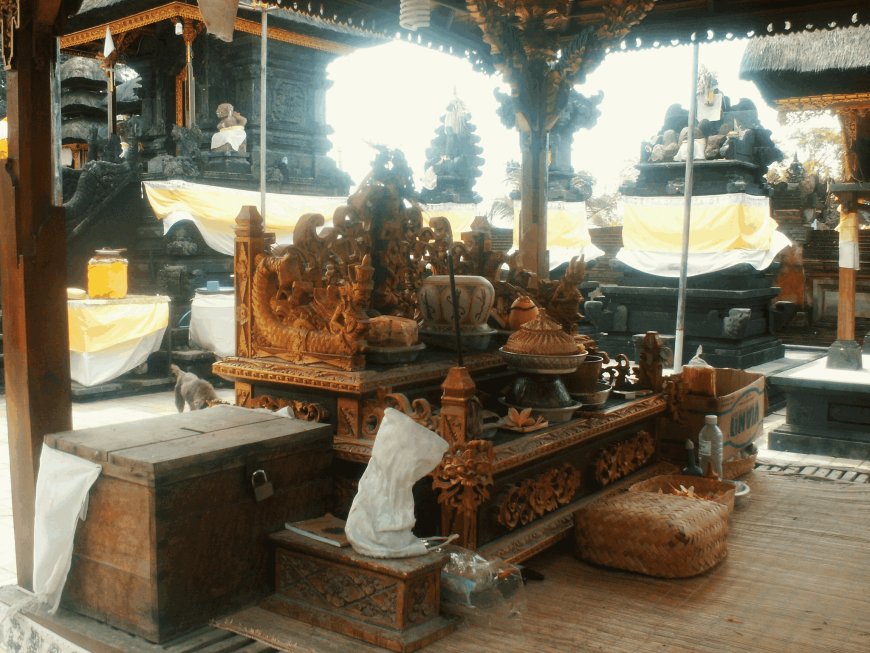
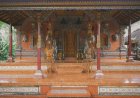
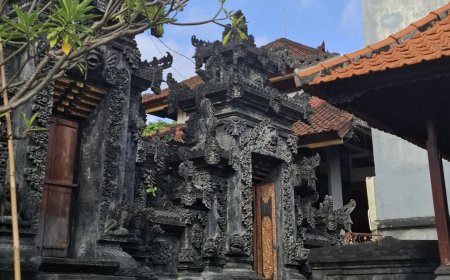
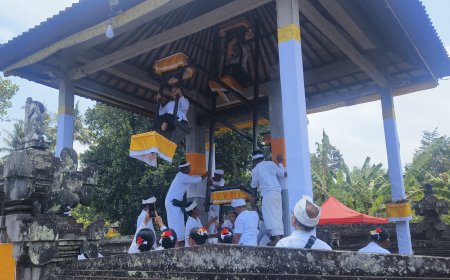
Bale Pawedan of the Temple (Source: Personal Collection)
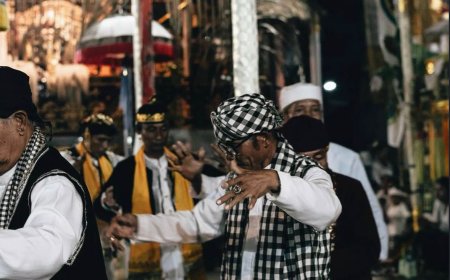
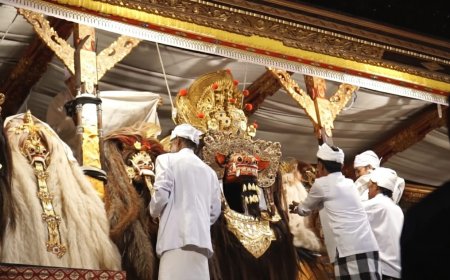
In contemporary times, Pura Kawitan Pusat Pasek Dalem Ciwa Gaduh continues to play a vital role in the social and religious life of the pasemetonan. The year two thousand twenty-three marked an important milestone with the first Paruman Agung of the Pasek Gelgel Dalem Ciwa Gaduh community held at this temple. Sacred activities such as ngewacen prasasti rituals, collective prayers, and tangkil pasemetonan are now further strengthened through the use of social media as a means of communication and reinforcement of kinship ties.
Situated along the historic Gelgel Jumpai route in Banjar Peminggir, Gelgel Village, the temple stands as a quiet space where ancestral memory is continually nurtured. It is here that ancestral prayers meet the footsteps of the present generation, weaving a story that remains unbroken by time. Pura Kawitan Pusat Pasek Dalem Ciwa Gaduh lives on through the collective awareness of its descendants who return to remember their origins, as a place of return where kinship is renewed and the identity of Pasek Gelgel Dalem Ciwa Gaduh is preserved amid the changes of the modern world.