





Hidden Behind Time, Pakakalan as a Tradition Determining Sacred Days in Bali (Part 2)
Pakakalan is a system of calculation used to decide whether a day is considered good or bad (padewasan), based on the appearance of certain Kala. In this Part 2, eleven important types of Kala in the Wariga tradition will be explained: Kala Magelut, Kala Buingrahu, Kala Tukaran, Kala Malanan, Kala Geger, Kala Tiga Pasah, Kala Mina, Kala Susulan, Kala Bancaran, Kala Muncar, and Kala Pegatan.

Each kala's influence various aspects of daily life, ranging from energy stability, social communication, changing conditions, travel, alertness, to abundance and continuity of activities. Each kala has its own unique characteristics that affect different dimensions of Balinese life.

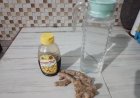
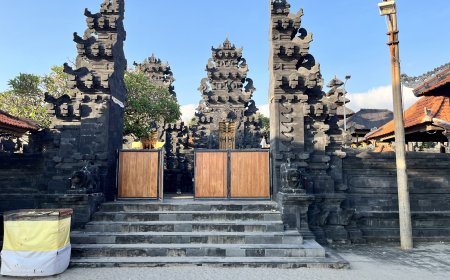
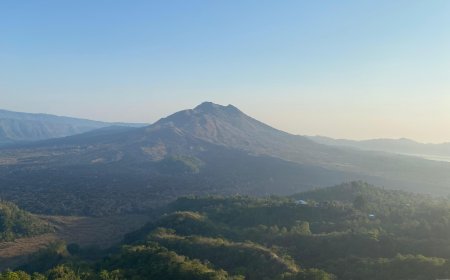
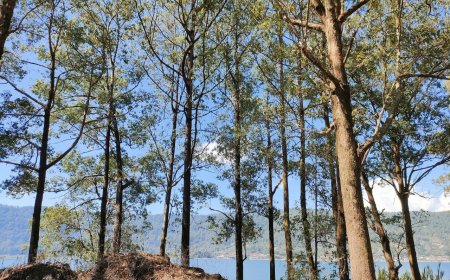
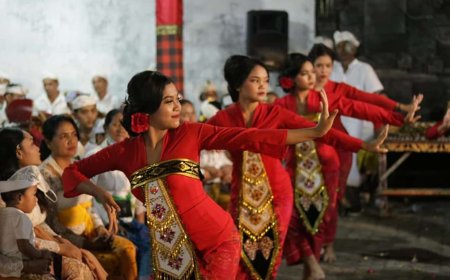
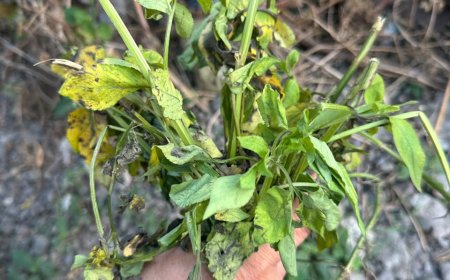
Kala Magelut supports calm activities such as meditation. (Photo Source: Personal Collection)
Kala Magelut is not an appropriate day for hunting activities such as catching birds, hunting with air rifles, fishing, or even simply setting mouse traps. This is because the cosmic energy is in a state of magelut (struggling), making it unfavorable for activities that require harmony with the rhythms of nature and animal behavior.
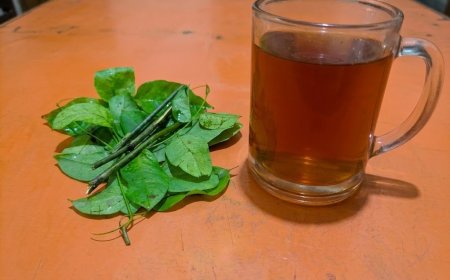
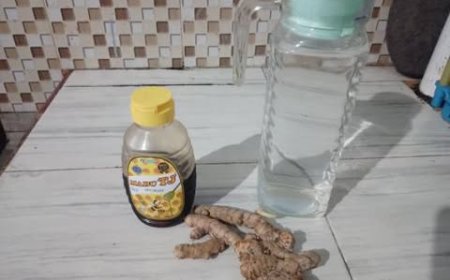
However, the period commonly known as Lutung Magelut is suitable and highly recommended for activities that require full awareness and deep concentration, such as meditation (tapas) and preparing medicine. To harness this positive energy, it is important to know that the appearance of Kala Magelut falls on Redite Wuku Ukir and Budha Wuku Sungsang.

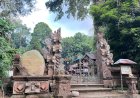
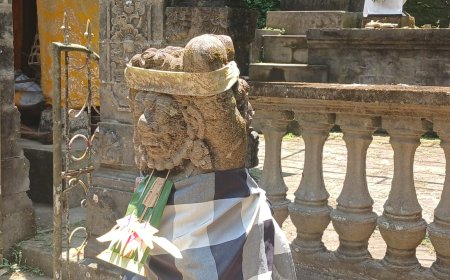
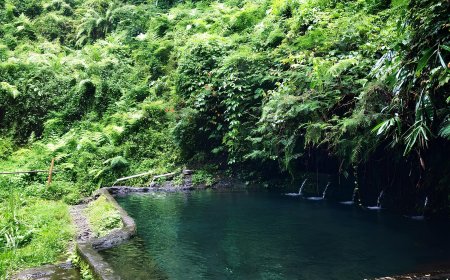
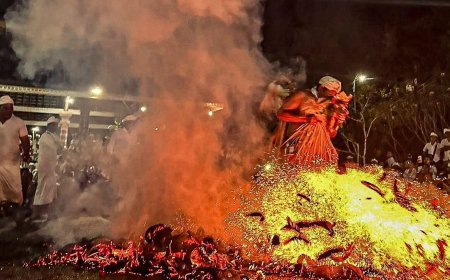
Burning citakan during Kala Buingrahu (Photo Source: Personal Collection)
In Balinese tradition, Kala Buingrahu is known as a period that brings unfavorable timing for installing building roofs. However, this period instead offers blessings for those who wish to burn citakan, whether in the form of unfinished bricks or roof tiles. The energy radiating during Kala Buingrahu supports the process of firing and transforming clay into strong and durable building materials.
For craftsmen and builders who want to take advantage of this momentum, it is important to carefully observe its occurrences. Kala Buingrahu appears on various days with different wuku combinations, namely Redite coinciding with Wuku Warigadean, Medangsya, Uye, and Watugunung; Soma during Wuku Kerulut and Bala; Anggara on Wuku Wariga, Langkir, Matal, and Dukut; Budha coinciding with Wuku Wariga, Langkir, and Matal; Wrhaspati during Wuku Ukir, Kerulut, and Bala; Sukra on Wuku Gumbreg, Warigadean, Kuningan, Medangkungan, Uye, Bala, Kelau, and Watugunung; and Saniscara coinciding with Wuku Kulantir, Ugu, and Landep.

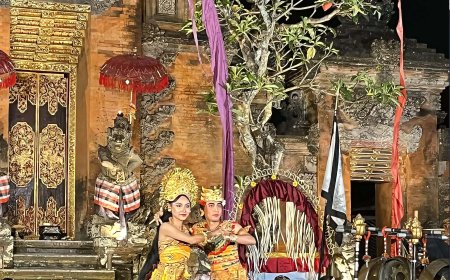
Kala Tukaran is believed to enhance the quality of capturing fighting roosters and success in trading activities. (Photo Source: Personal Collection)
Kala Tukaran brings a positive timing that strongly supports various activities such as making nets, capturing fighting roosters, mapikat (bird catching), and designing containers for storing valuables.
To fully harness this favorable day, traders and craftsmen need to pay close attention to the occurrence of Kala Tukaran, which falls on Anggara Wuku Ukir and Wuku Warigadean.

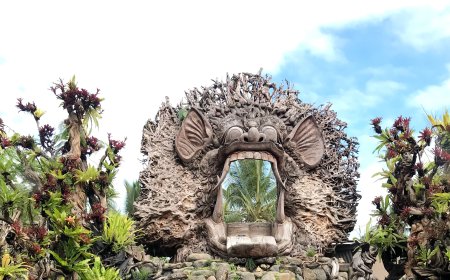
Kala Malalanan provides auspicious timing for building bird cages like this one. (Photo Source: Personal Collection)
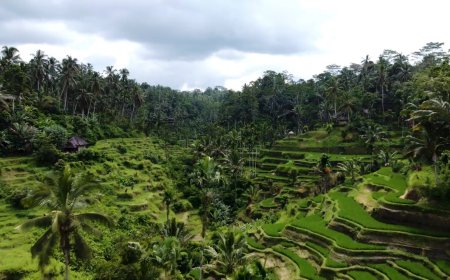
The period of Kala Malalanan is considered highly significant in the Balinese calendar as it brings blessings of favorable timing for various construction and agricultural activities. This momentum is strongly recommended for building gelodokan (bird houses) to be used as cages for birds or chickens, as well as for establishing rice barns such as Jineng.
The energy present during Kala Malalanan offers support for activities related to dwellings for living beings and the storage of agricultural yields. It can be observed on Soma during Wuku Kulantir.

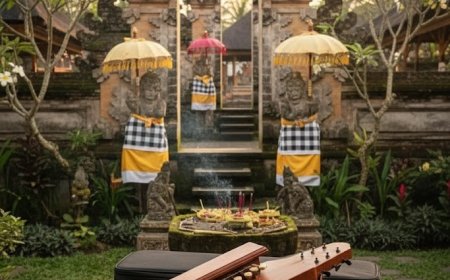
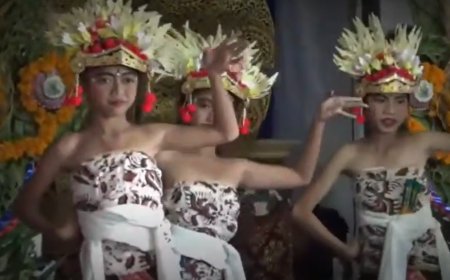
Kala Geger is considered an auspicious day for musical instruments such as gambelan. (Photo Source: Personal Collection)
The presence of Kala Geger in the calculation of padewasan brings highly positive energy for producing anything related to music. This period is regarded as the best momentum for making kentongan, genta, cow bells, kendang, as well as all kinds of gambelan and other musical instruments connected to the world of sound and harmony.
The positive vibrations radiating during Kala Geger resonate with the frequency of musical instrument creation, resulting in optimal and long-lasting sound quality. Kala Geger occurs on Wrhaspati and Saniscara that coincide with Wuku Wariga.
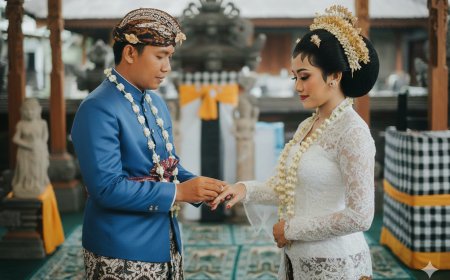
Kala Tiga Pasah is a highly crucial day in determining auspicious timing for marriage, as its occurrence in certain combinations of wuku and wewaran is regarded as a major prohibition for holding wedding ceremonies. Tradition believes that if someone insists on choosing this day as their wedding timing, the couple will eventually face divorce. Kala Tiga Pasah occurs on Redite coinciding with Wuku Warigadean.

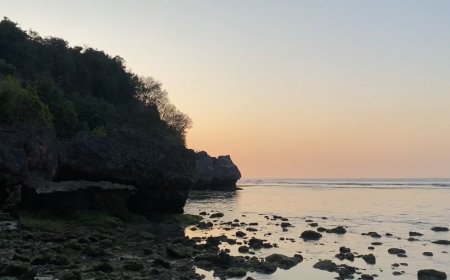
Kala Mina: Auspicious Timing for Fishermen. (Photo Source: Personal Collection)
Kala Mina is known as a highly favorable period for fishermen and craftsmen of fishing gear. This time offers auspiciousness for creating various tools such as nets, fishing rods, pencar, bubu, and other catching equipment. In addition, Kala Mina also serves as the right momentum to begin fishing activities using newly crafted tools. Kala Mina occurs on Sukra coinciding with Wuku Warigadean and Medangsya.
Kala Susulan is recommended for activities such as weaving nets, making pencar, and designing tapis (money wrappers) of high quality. The cosmic energy radiating during Kala Susulan guarantees optimal and long-lasting results. This kala occurs on Soma coinciding with Wuku Dungulan.
Kala Bancaran is a highly recommended period for crafting war weapons and rooster spurs, as the “radiating” energy during this time is well-suited for activities that produce outputs or products to be released and utilized. On the other hand, practitioners must exercise caution, as this period should be avoided for activities related to wealth management, since the outward-oriented energy may lead to wastefulness and financial losses. Kala Bancaran occurs on Redite Wuku Sinta and on Anggara during Wuku Tolu, Tambir, and Dungulan.
Kala Muncar shares similar characteristics with Kala Bancaran in terms of crafting weapons and war equipment. This period is considered highly proportional for producing various types of war weapons as well as sharp and high-quality rooster spurs. The main focus of Kala Muncar lies in the sharpness and penetrating power of the weapons produced. Kala Muncar occurs on Budha Wuku Dungulan.
Weaning a child from breastfeeding (melas rare) is an important phase in a child’s development that requires proper timing to ensure a smooth transition. Kala Pegatan is known as a period that brings auspicious timing for this weaning process, as the prevailing cosmic energy supports the natural shift from dependence on breast milk to the consumption of solid food. Kala Pegatan occurs on Budha Wuku Kuningan.