

Bebalang Pakraman Village: Preserving Tri Hita Karana Through Tradition and Religious Tourism
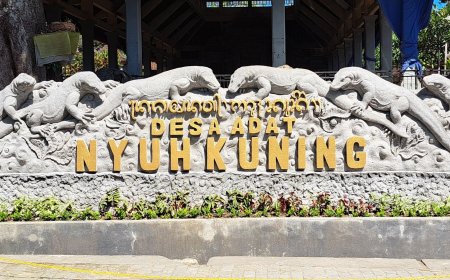
Bebalang Pakraman Village is a clear example of how Balinese people preserve culture and traditions rooted in the philosophy of Tri Hita Karana. The existence of temples, mutual cooperation, and environmental preservation are just some of the cultural treasures that the villagers still hold dear. With unique traditions such as Ngunying and Megoak-goakan, Bebalang Pakraman Village is even richer and a strong symbol of Bali's cultural heritage.
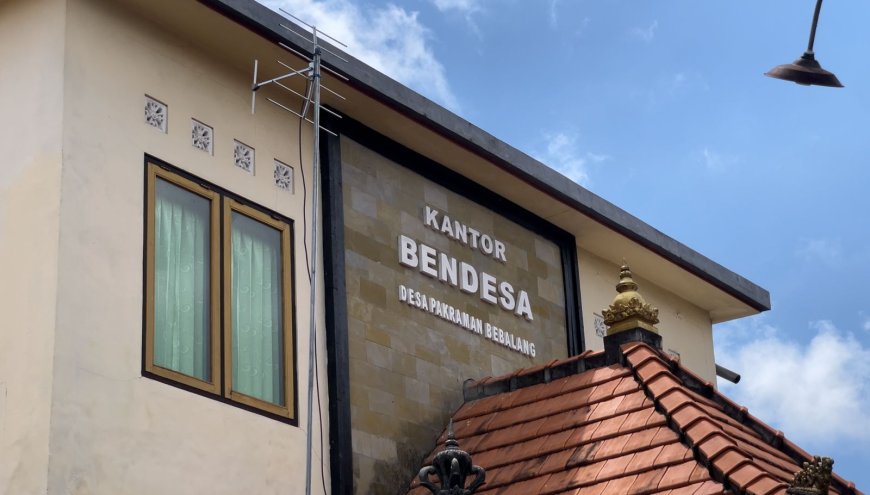
Bali is known as the Island of the Gods because strong religious rituals influence almost every element and movement in Balinese life. This makes Bali not only a beautiful landscape, but also a unique and exotic culture. The Balinese people adhere to the Tri Hita Karana philosophy of life which contains three elements of building balance and harmony between man and God, man and man, and man and nature. Tri Hita Karana is a source of prosperity, peace, and happiness for human life. In Bebalang Bangli Pakraman Village, the application of the Tri Hita Karana concept is very thick and very well maintained. This can be seen from the many temples and shrines that exist in this village. In addition, the people of Bebalang Pakraman Village also highly uphold the values of togetherness and mutual cooperation. They always work together to preserve nature and the environment.
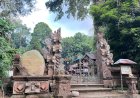
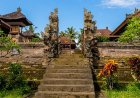
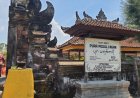
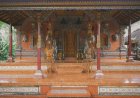
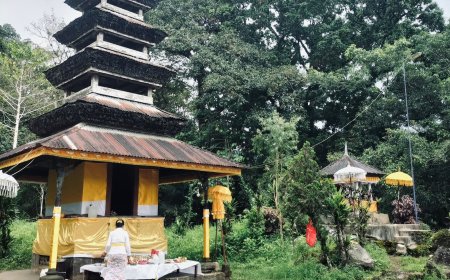
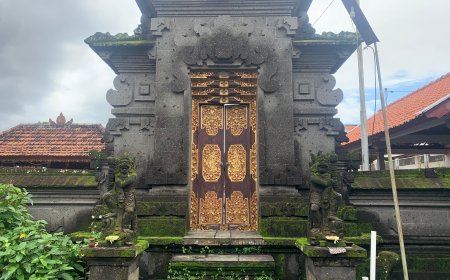
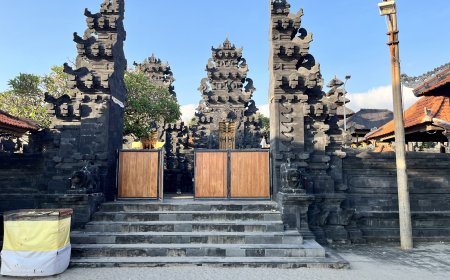
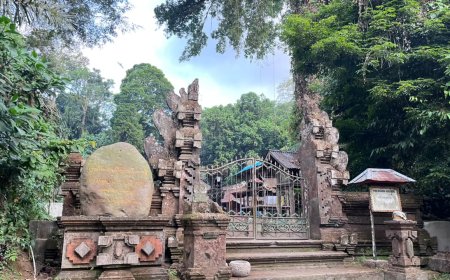
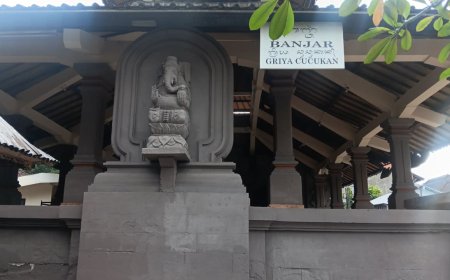
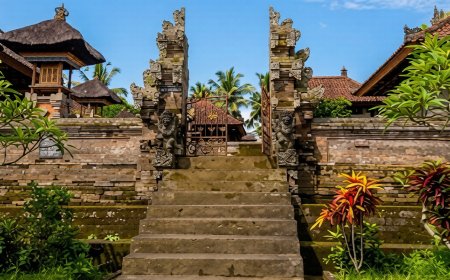
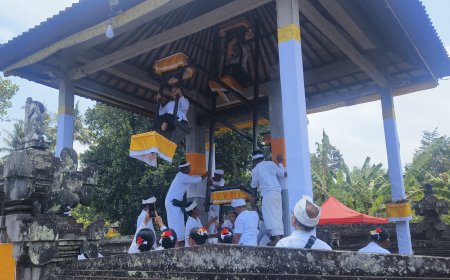
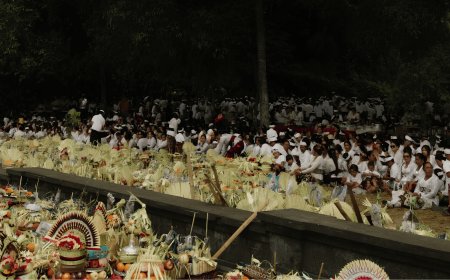
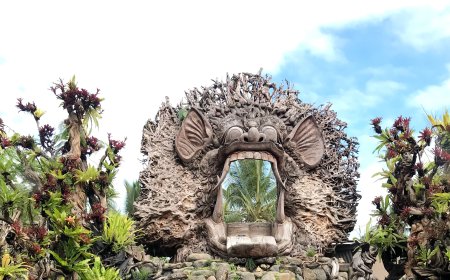
Parhyangan, or man's relationship with God, is one of the elements of Tri Hita Karana, the philosophical concept underlying Balinese life. Parhyangan is a spiritual and sacred relationship, which is realized in the form of worship to Ida Sang Hyang Widhi Wasa, God Almighty. In Bebalang Pakraman Village, parhyangan is reflected in the existence of the temple, which is a sacred place to worship Ida Sang Hyang Widhi Wasa and the gods and goddesses. Temples in Bebalang Pakraman Village have an important role in the life of the village community, namely as a place to worship, ask for blessings, and get closer to God. Every traditional village in Bali has three main temples, referred to as Tri Kayangan Tiga. These three main temples have different functions, namely Pura Puseh, Pura Dalem, Pura Bale Agung. In addition to these three main temples, Bebalang Pakraman Village also has many other temples scattered throughout the village. These temples are usually built by each Banjar Adat or Traditional Village to worship deities and ancestors who are believed to be protectors.
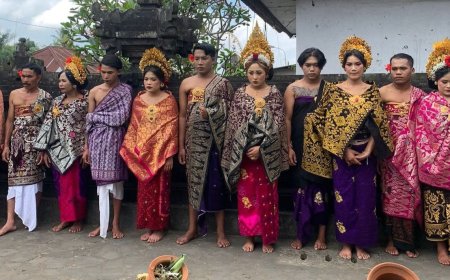
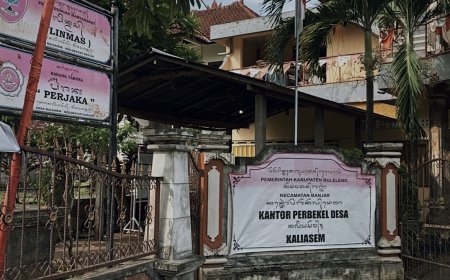
The second element of Tri Hita Karana is Pawongan or the relationship between humans and humans. This is reflected in the harmonious and respectful relationship that exists in Bebalang Pakraman Village. This can be seen from the many activities carried out together, such as gotong royong, traditional ceremonies, and art performances. In addition, pawongan in Bebalang Pakraman Village is also reflected in the number of residents known as "Gebog three hundred" or divided into three magnitudes, namely one hundred Bebalang Traditional Banjars, one hundred Tegal Traditional Banjars, and one hundred Kelod Kauh Traditional Banjars. Kelod Kauh itself consists of four Banjar Adat, namely Banjar Adat Petak, Banjar Adat Sedit, Banjar Adat Gancan, and Banjar Adat Sembung.
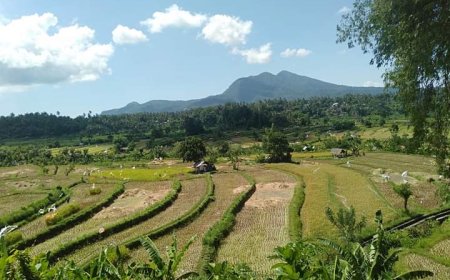
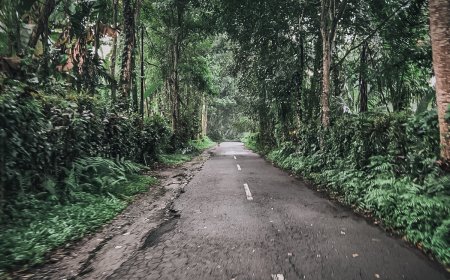
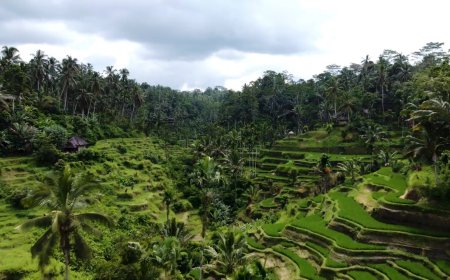
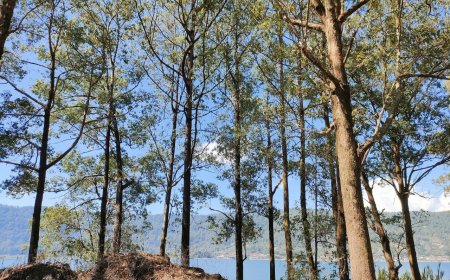
The third element of Tri Hita Karana is Palemahan or human relationship with nature. Bebalang Pakraman Village has a harmonious relationship with nature. This can be seen from the many shady trees that grow in this village. The trees not only serve as shade, but also as a source of oxygen and water. In addition, the people of Bebalang Pakraman Village are also very protective of the surrounding nature. They do not litter and always plant trees. This is done to maintain the balance of nature and the surrounding environment for future generations.
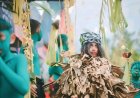
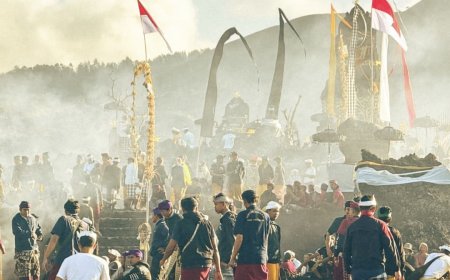
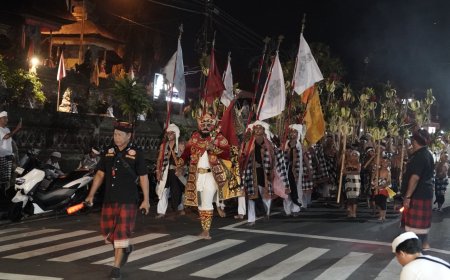
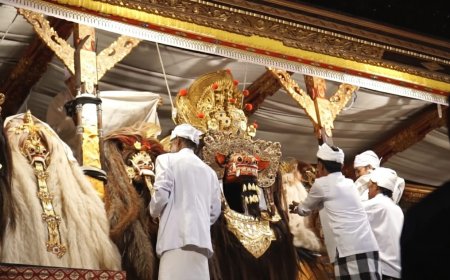
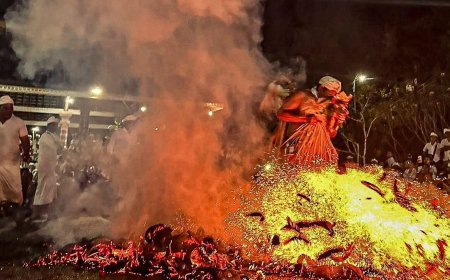
In addition to the application of Tri Hita Karana which is still maintained in Bebalang Pakraman Village, there are also two unique traditions, namely the Ngunying and Megoak-goakan Traditions. The Ngunying tradition comes from the word unying which means urek, lobangi, or stab. So nguying can be interpreted as trying to pierce or stab parts of one's own body with a kris or spear when one is possessed. However, unlike the Ngunying tradition in Bebalang Village, people who are possessed by Bhuta kala will dance by eating live chicks. Usually, this Ngunying tradition is held every Kuningan Day, which takes place at Jaba Pura Puseh Bebalang Village.
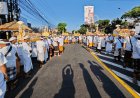
The second unique tradition in Bebalang Village is Megoak-goakan. This tradition is usually held on the second day after Nyepi. Megoak-goakan is a traditional game that is carried out in groups divided into two groups. Each team consists of five people to 11 people. Each group plays the role of goak and prey. The leader of the goak must try to catch the participants of the opponent who are in the back row. This tradition is usually carried out by teenagers and adults from various Banjar Adat in Bebalang Pakraman Village. This makes this tradition a means to foster a sense of togetherness and intimacy between communities.
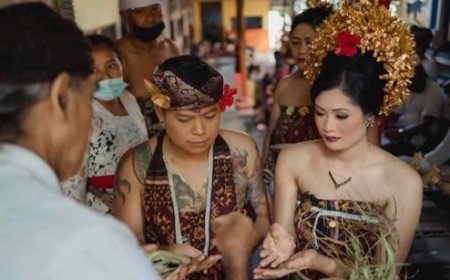
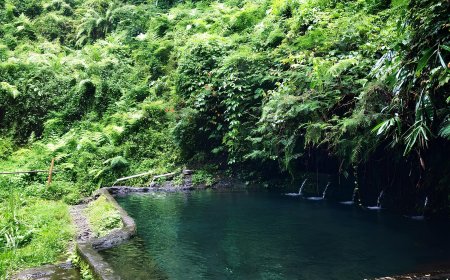
Bebalang Pakraman Village has two religious tourism objects, namely Penglukatan Tirta Sudamala and Penglukatan Mas Madewi. Penglukatan Tirta Sudamala is located in Banjar Adat Sedit Bebalang Bangli. Penglukatan Tirta Sudamala is a sacred place used for melukat, a spiritual cleansing ceremony. The holy water from Tirta Sudamala shower is believed to cure various diseases, both physical and non-physical. Tirta Sudamala showers have different heights. The nine highest showers are believed to be the panglukatan of Dewata Nawa Sanga, the nine gods who rule the nine cardinal directions. The two lower showers are believed to be the blessings of Widyadara and Widyadari.
This shower is usually reserved for people who have just finished undergoing a mepandes or tooth cutting ceremony. In addition, there is one special shower that is used when there is a Pitrayadnya ceremony. The water from the Tirta Sudamala shower is very multifunctional, besides being used for treatment, this water is also used by the surrounding community to irrigate rice fields, drink, sell, and even the water that flows into the river is used for bathing. Tirta Sudamala is a religious tourist attraction that is interesting to visit. Besides having high spiritual value, this tourist attraction also offers beautiful natural beauty.

Penglukatan Mas Madewi (Source: Personal Collection)
Penglukatan Mas Madewi is a sacred place used for melukat, or spiritual cleansing ceremonies. The holy water from the Tirta Mas Madewi shower is believed to cure various diseases, both physical and non-physical, and is also believed to provide fertility for couples who do not have children. The blessing of Mas Madewi has its own uniqueness, which is that people who want to bathe around the Mas Madewi spring should not wear a piece of cloth or clothing. This belief is based on the belief that the water flowing from the Mas Madewi spring has sacred and holy properties.
Penglukatan Tirta Mas Madewi is sanctified and it is appealed to anyone who wants to take tirta or water from this Mas Madewi penglukatan to arrange at least canang sari and if bathing should not wear a piece of cloth. However, if you only take tirta or water, you can wear traditional clothes. The uniqueness of the tradition of bathing without clothes at Penglukatan Mas Madewi has attracted the attention of many tourists, both from within and outside the country. This tradition has also become a tourist attraction for Bebalang Pakraman Village.