








Sacred Traces of Dalem Putih and Sri Karang Buncing at Pura Dalem Sarin Bwana

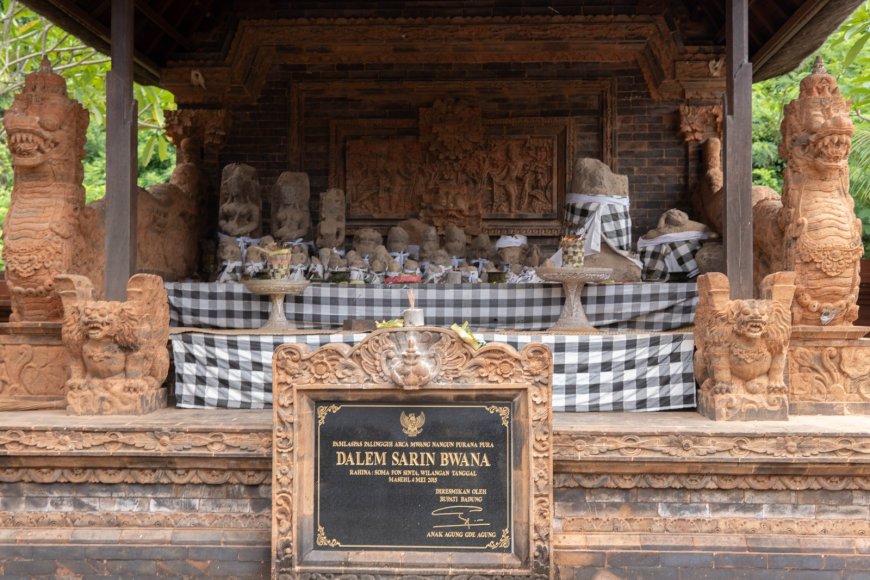
Pura Dalem Sarin Bwana is a sacred site in Jimbaran that preserves traces of Bali’s historical, spiritual, and cultural past. The temple stands as an important marker in the life journey of Sri Batu Putih, also known as Dalem Putih, while also safeguarding archaeological remains in the form of a lingga and dozens of anthropomorphic statues. Beyond its physical presence, Pura Dalem Sarin Bwana also holds the story behind the birth of its name, which is rich in philosophical and religious meaning.
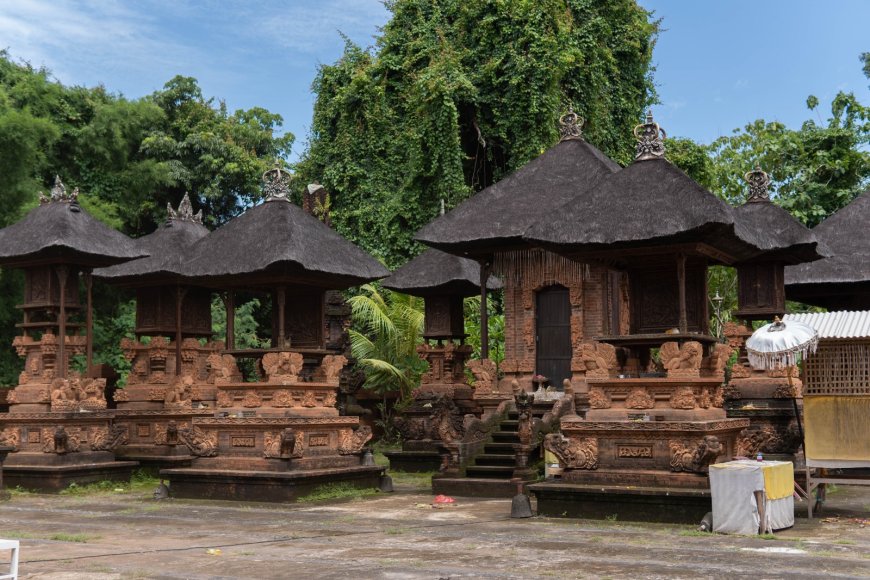
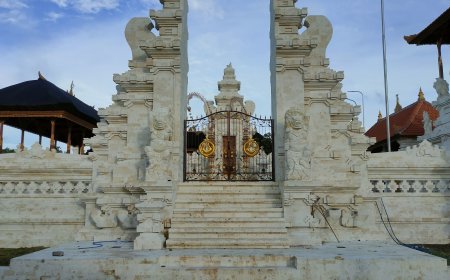
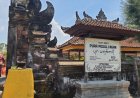
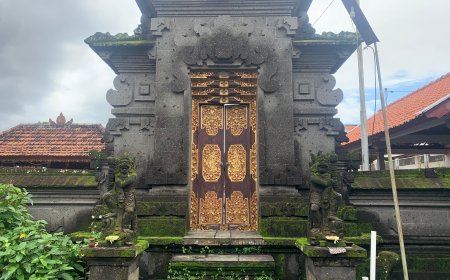
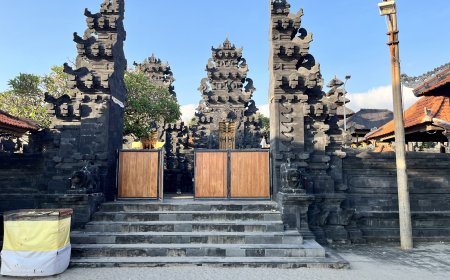
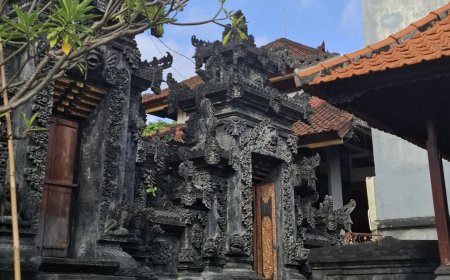
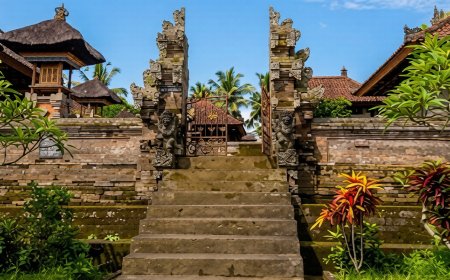
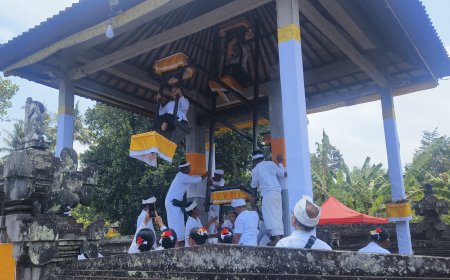
The courtyard of Pura Dalem Sarin Bwana (Source: Personal Collection)
Pura Dalem Sarin Bwana is located in Jimbaran Village, South Kuta District, Badung Regency. Conceptually, the temple is situated within the parahyangan domain, a sacred space closely connected to the spiritual, social, and environmental life of the Jimbaran community in accordance with the Tri Hita Karana concept.
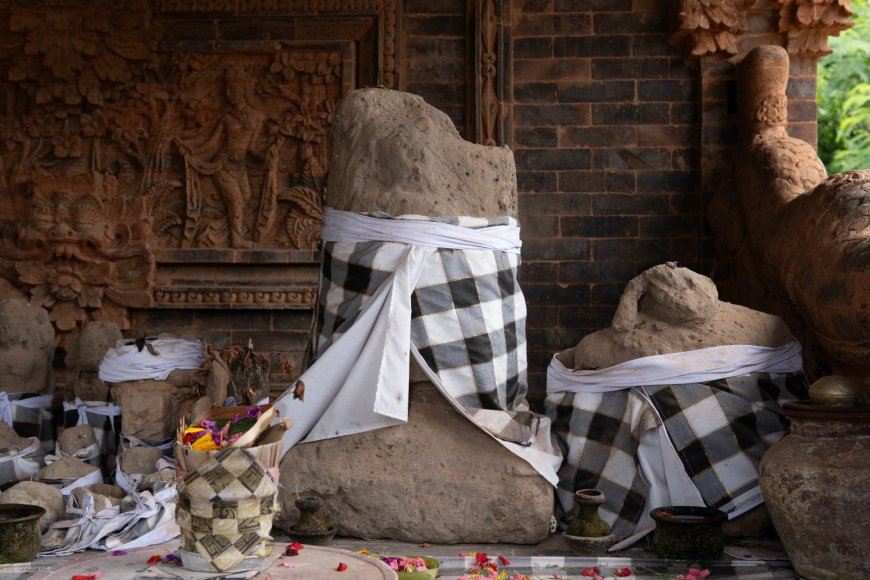
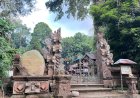
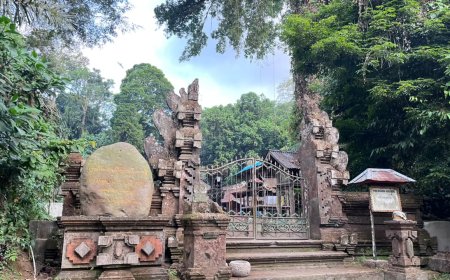
The inscription remains at Pura Dalem Sarin Bwana (Source: Personal Collection)
The main figure in the history of Pura Dalem Sarin Bwana is Sri Batu Putih (Dalem Putih), the twin brother of Sri Batu Ireng (Dalem Badhahulu/Sri Astasura Ratna Bumi Banten). Dalem Putih was not chosen as king and subsequently pursued a spiritual path of life in the Jimbaran area. From his marriage was born Dalem Petak Jingga, a figure who later established three important sacred sites in Jimbaran: Pura Dukuh, Pura Ulun Swi, and Pura Dalem Kahyangan.
Another spiritual figure recorded in lontar manuscripts is Danghyang Nirartha, who played a role in bestowing the title Dukuh Gamongan and served as a spiritual reference during the reign of Dalem Baturenggong.
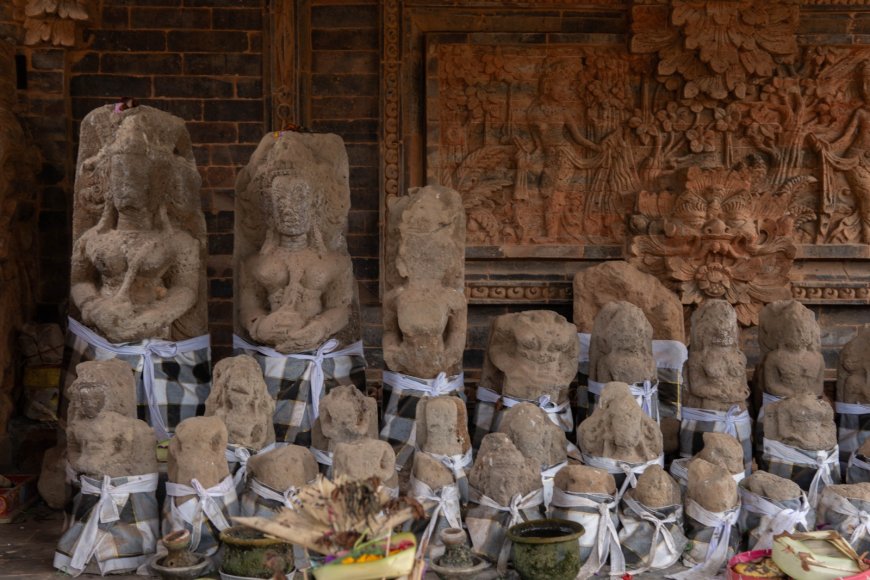
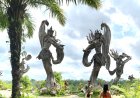
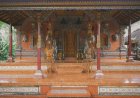
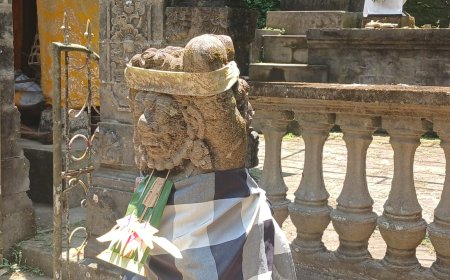
The statues of Dalem Putih and Sri Karang Buncing (Source: Personal Collection)
The name Sarin Bwana did not emerge by chance. In babad and lontar narratives, the name originated from an accidental meeting between Dalem Putih and Dalem Ireng. After living a simple spiritual life with his wife, Dalem Putih built a fertile garden and orchard in a secluded mal or hermitage, far from residential crowds. A sacred way of life and harmony with nature became the defining characteristics of this place.
When Dalem Ireng visited and witnessed firsthand the fertility of the garden and the sanctity of the area, he was deeply impressed. As a gesture of respect for Dalem Putih’s spiritual discipline and his devotion to Hyang Pramawisesa, Dalem Ireng named the area Sarining Bwana, meaning “the essence” or “the core of the world.” This name reflects the view of the place as a center of sanctity, balance, and harmony between humans, nature, and the Divine.
Over time, the name Sarining Bwana was later simplified and became known as Sarin Bwana, which remains the name of the temple and the sacred area to this day.
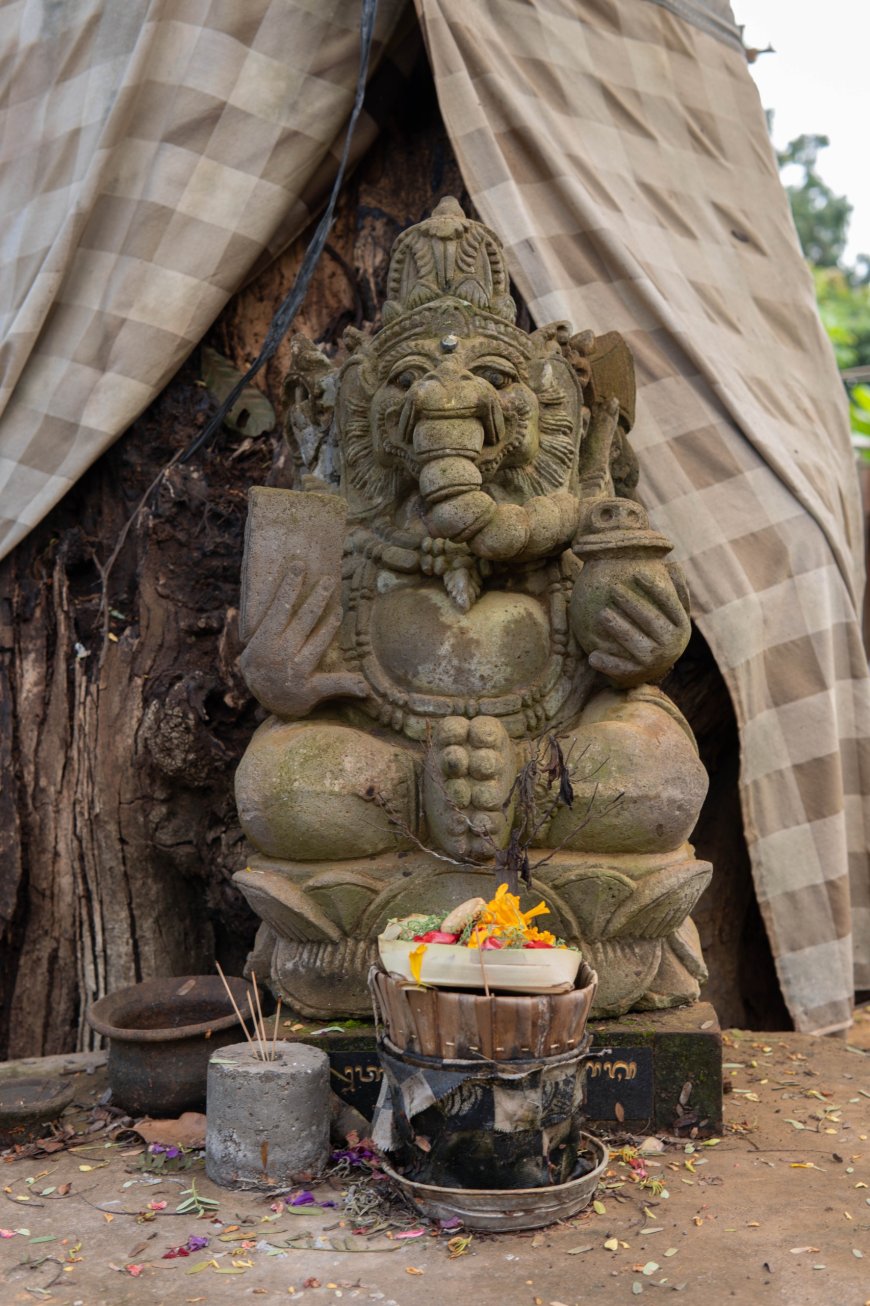
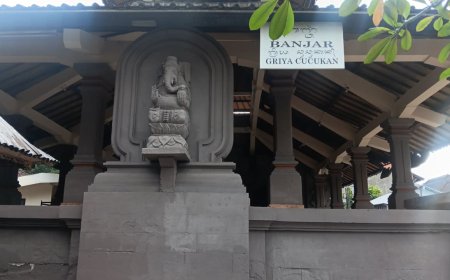
A statue of Ganesha on one of the tamarind trees (Source: Personal Collection)
Understanding Pura Dalem Sarin Bwana is developed through the study of inscriptions, purana, piagem, prakempa, and babad, combined with archaeological evidence in the field and the community’s oral traditions. Remains in the form of a lingga with three sections—Brahma bhaga, Wisnu bhaga, and Siwa bhaga—as well as 43 statues and fragments of representational sculptures serve as strong evidence of past spiritual activities.
These statues are characterized by distinctive iconography, featuring hands folded in front of the body with a lotus symbol, which represents liberation and the release of the soul. To this day, Pura Dalem Sarin Bwana continues to function as a center of worship, cultural heritage preservation, and communal unity, while also serving as a reminder of the values of simplicity, sanctity, and harmony passed down by Dalem Putih.