















Penataran Agung Temple Padangbai: A Spiritual Journey on the Shores of Bali
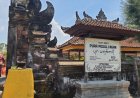
Who doesn't know Bali, the heavenly island blessed with its enchanting natural beauty and adorned with captivating temples? One of the spiritual destinations not to be missed in the eastern part of Bali is the "Pura Penataran Agung Desa Adat Padang Bai". Located on the coast of Padang Bai Village, this temple is not only a place of worship but also showcases beautiful architecture, rich spiritual history, and breathtaking sea views.

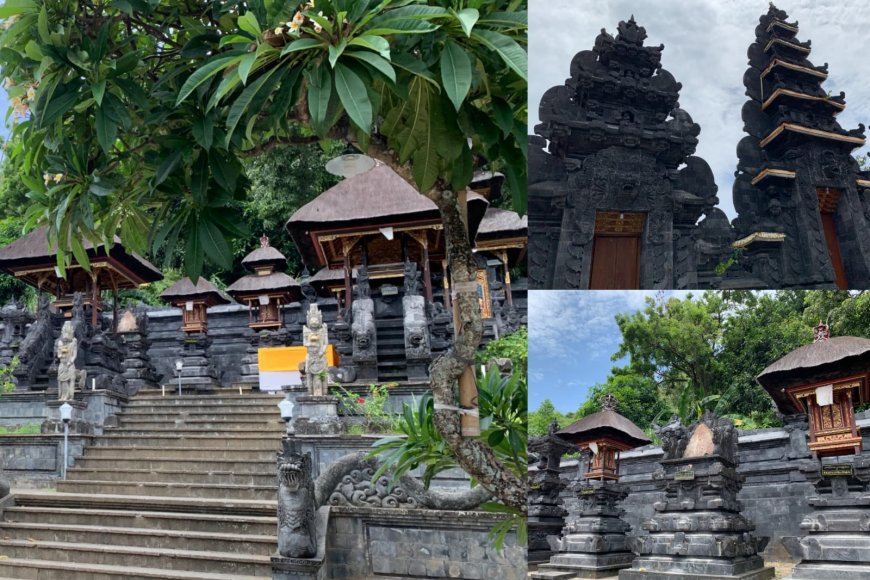
The Pura Penataran Agung Desa Adat Padang Bai is situated in Padang Bai Village, Manggis District, Karangasem Regency, Bali, Indonesia. Padang Bai itself is a small village known as a sea port in Bali and serves as the gateway to the journey to the Gili Islands in Lombok. The temple's location near the beach gives it a unique charm, standing majestically with Bali's characteristic grand architecture and surrounded by beautiful natural scenery. To reach the Pura Penataran Agung Desa Adat Padang Bai from Denpasar, the capital of Bali, it takes approximately 54 km and can be accessed by land travel, taking around 80 minutes to 2 hours, depending on traffic conditions.
Behind the grandeur of the temple near the Padang Bai port lies a story that has been passed down through generations regarding the existence of the Pura Penataran Agung Desa Adat Padang Bai. According to historical records, the temple was built around the 16th century AD by a Brahmin named Dang Hyang Niratha or Dang Hyang Dwijendra. He is also known as "Pedanda Sakti Wawu Rauh" and is a descendant of Mpu Kuturan. It is said that during that time, Dang Hyang Niratha played a significant role in spreading Hinduism in Bali, and the Pura Penataran Agung Desa Adat Padang Bai is believed to be one of the places associated with his presence in Bali. Today, the temple serves as the main temple in the Padang Bai area, hosting religious activities and rituals involving the local community. The temple bears witness to the sacred development of Hindu religious life in Bali. In the past, it was also believed to be a place where fishermen and sailors sought safety, protection, and good fortune for their sea voyages, honoring Dewa Baruna, the sea god in Hindu belief.
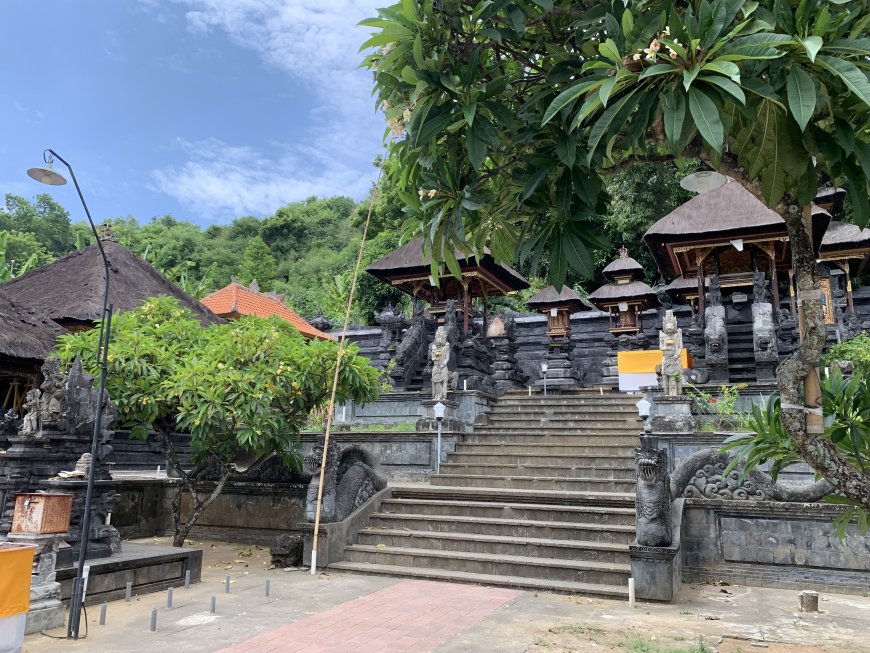
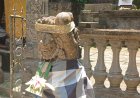
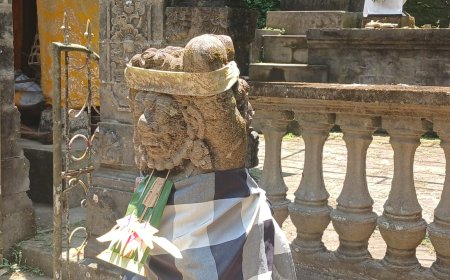
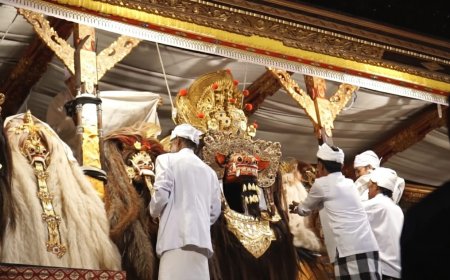
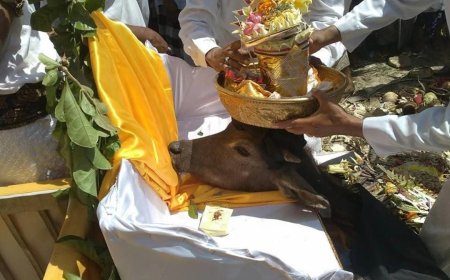
Although the Pura Penataran Agung Desa Adat Padang Bai is located on the mainland of Bali, it is believed to have a strong connection with the Pura Penataran Ped on Nusa Penida. In the main area of the Pura Penataran Agung Desa Adat Padang Bai, there is a sacred object believed to be a continuation of the sacred head in Pura Penataran Ped. This sacred head is considered the center of spirituality, serving as a medium of communication between humans and the sacred spirits overseeing the universe. The worship of the sacred head is not only symbolic but also a spiritual entity believed to possess wisdom and power to protect and guide the community. Worshiping the sacred head is an essential ritual in daily life, involving prayers and offerings to seek blessings and guidance. The spiritual journey from the sacred head to the sacred body reflects the flow of spiritual energy connecting these two sacred places. Rituals and traditional ceremonies at the Pura Penataran Agung involve honoring the sacred body as a spiritual guardian, bridging the gap between the human world and the spirit world.
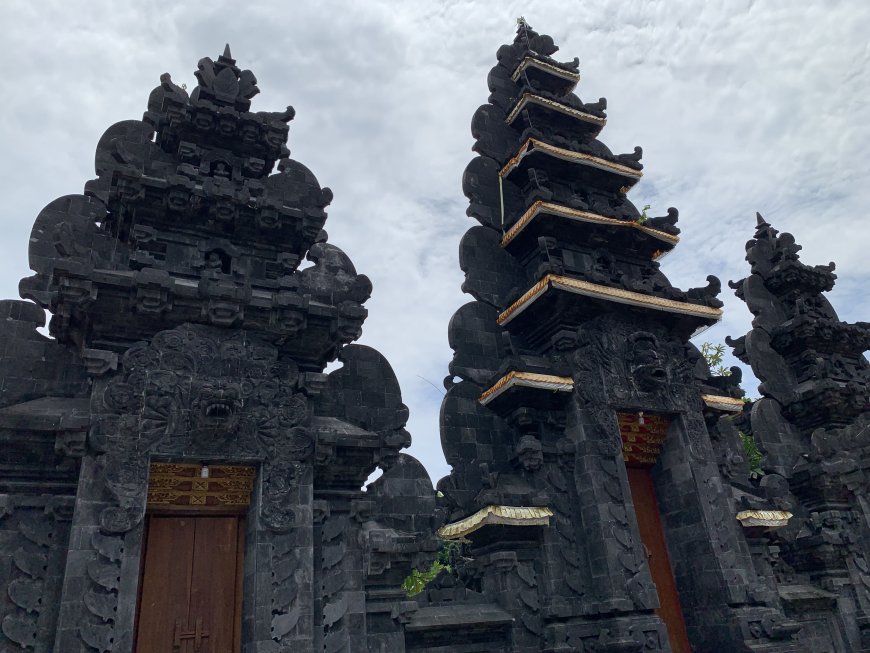
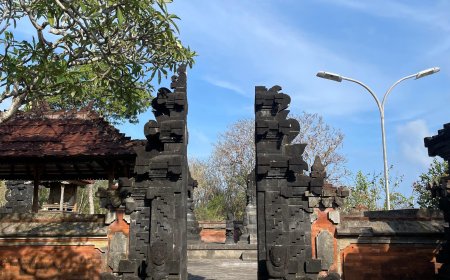
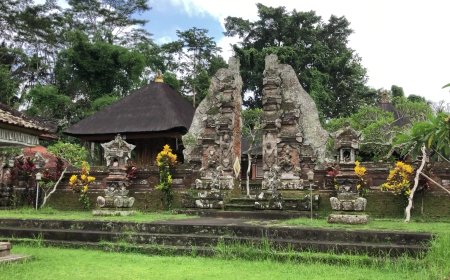
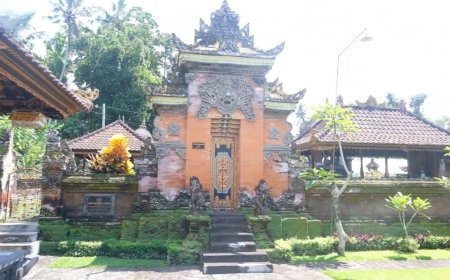
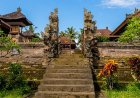
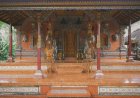
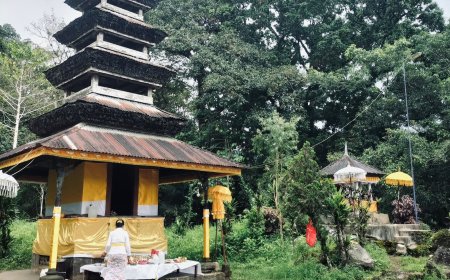
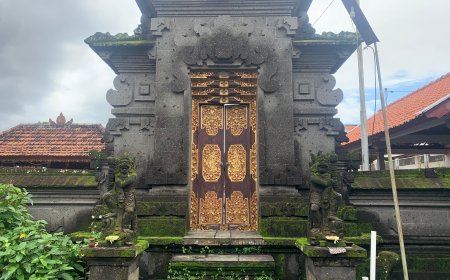
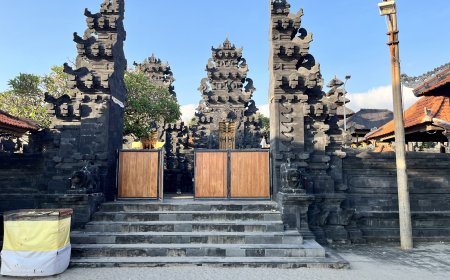
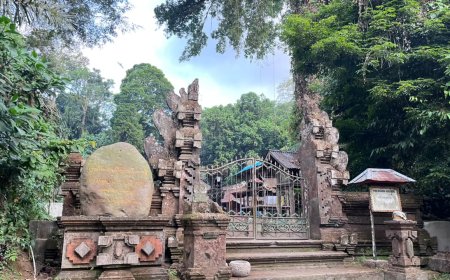
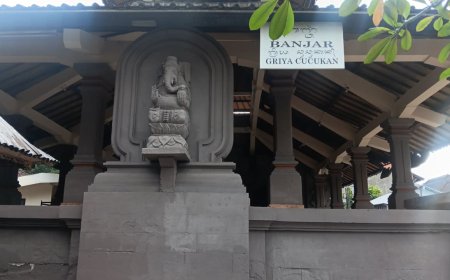
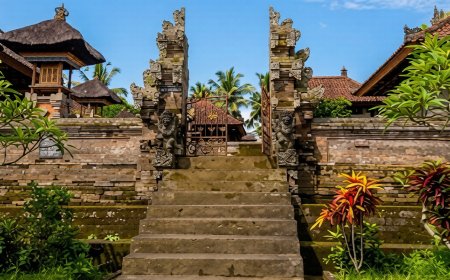
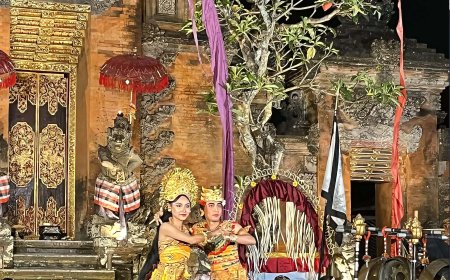
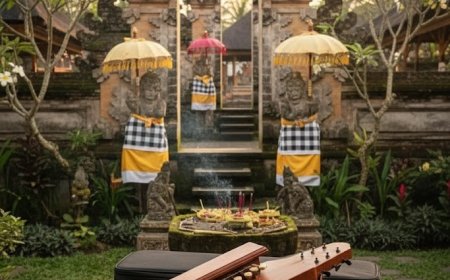
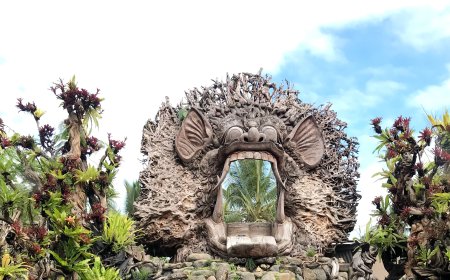
Beyond the history of the establishment of the Pura Penataran Agung Desa Adat Padang Bai, the temple also features a unique blend of artistic beauty and religious significance embedded in Balinese culture. The intricate carvings and sharp sculptures on each shrine and at every corner of the temple's structure are visually appealing to anyone witnessing the grandeur of the Pura Penataran Agung Desa Adat Padang Bai. The layout of the temple area is also fascinating and unique, with the main part of the temple, known as "Jeroan", containing the main shrines, including temples and meru towers, situated at the top and reached by climbing several steps to the courtyard or "natar" area. Some of these shrines include the Palinggih Pengayengan Pura Andakasa, Palinggih Sang Hyang Pasupati, Gedong Betel, and Ngurah Agung. Another intriguing feature of the Pura Penataran Agung is the "candi bentar", a characteristic Balinese architectural gate. This tall and sturdy gate symbolizes the duality in life, such as dharma and adharma (good and evil) or heaven and earth, serving as the gateway to the main temple area.
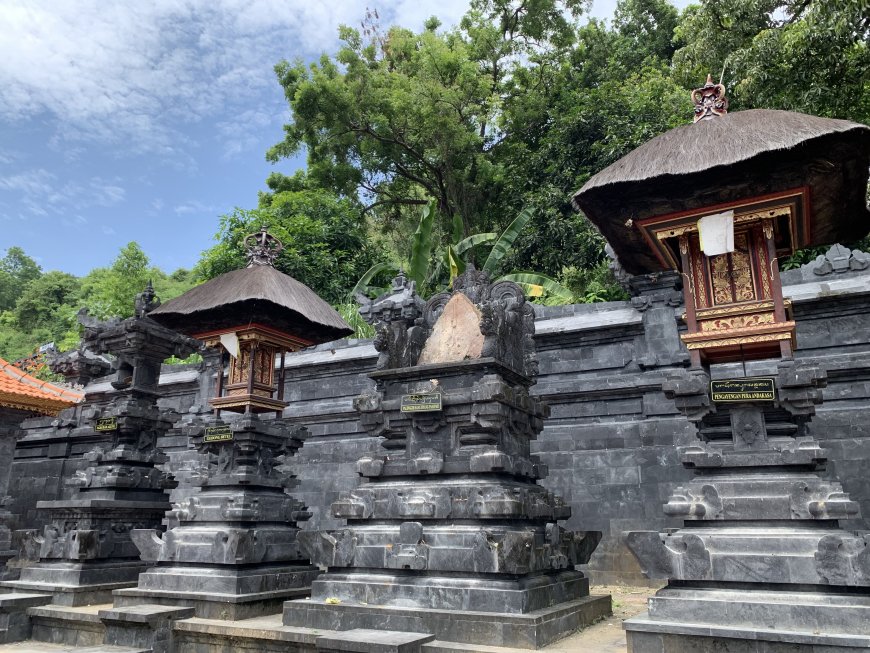
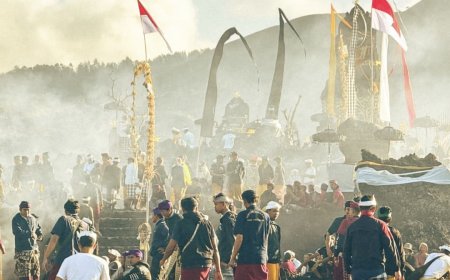
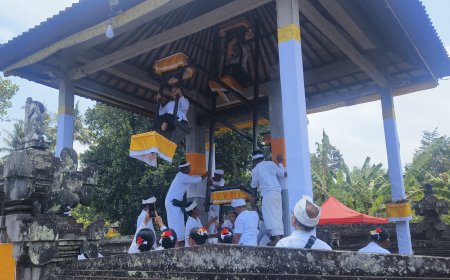
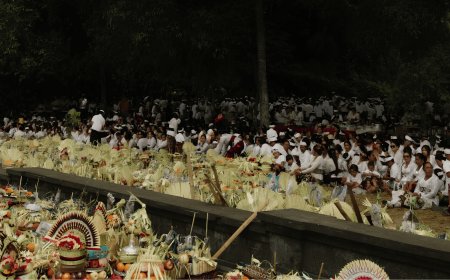
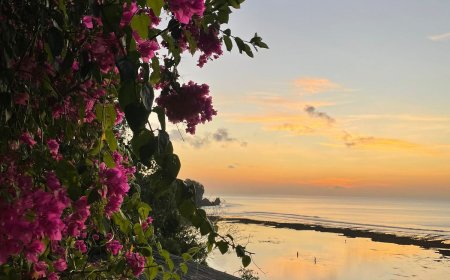
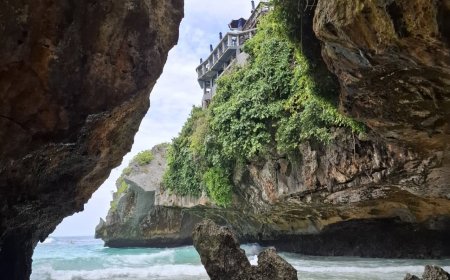
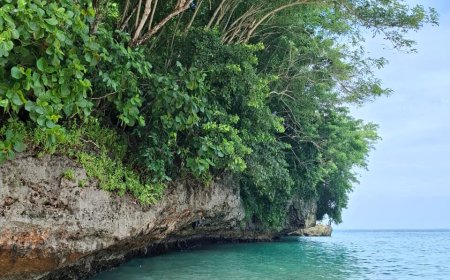
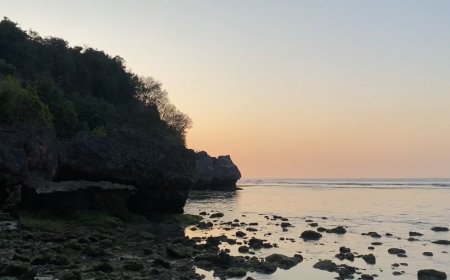
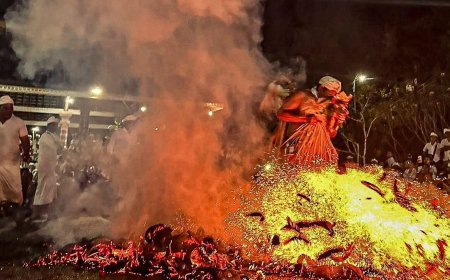
In addition to its captivating architecture, the Pura Penataran Agung Padang Bai offers a profound spiritual experience for visitors. The serene and reverent atmosphere makes it an ideal place for contemplation and inner peace. The religious rituals conducted here provide an opportunity for tourists to witness and gain a deeper understanding of Balinese beliefs and traditions. Enchanted by its spiritual ambiance and beautiful architecture, the Pura Penataran Agung Desa Adat Padang Bai also presents a stunning natural panorama. Located by the seaside, the temple offers a tranquil sea view and rocky cliffs, creating a powerful coastal temple atmosphere. The combination of spiritual elements and nature makes the experience of visiting this temple truly special and unforgettable. The Pura Penataran Agung Desa Adat Padang Bai continues to maintain its authenticity as a place of worship and a spiritual center in Padang Bai Village. Religious events, such as piodalan ceremonies, are still regularly held at the temple, attracting participation from local residents and visitors who want to experience the Balinese religious atmosphere firsthand. Thus, the Pura Penataran Agung Desa Adat Padang Bai is not only a spiritual tourism destination but also a valuable legacy that narrates the long journey of spiritual life and Hindu beliefs on the Island of the Gods, Bali.