






















Stepping into Peguyangan Spring: A Blend of Spiritual Journey, Nature, and Adventure on the Cliffs of Nusa Penida
Not only a source of fresh water for thousands of locals, Peguyangan Spring also offers a complete travel experience. Walking down the iconic blue stairs along the Indian Ocean towards the temple and natural pools, every step tells a different story full of meaning. Peguyangan is not merely a tourist destination, but a place where nature, spirituality, and community needs unite in harmony.

A Glimpse of Peguyangan
Beneath the steep cliffs and crashing waves of southern Nusa Penida lies a unique destination cherished by locals: Peguyangan Spring. The site is not only admired for its natural beauty but also for its deep spiritual and social significance. The name Peguyangan is believed to derive from the word guyang, which means bathing or relating to water, perfectly reflecting the character of this spring. It is located in Batukandik Village, Nusa Penida District, Klungkung Regency, right on the southern coast facing the Indian Ocean. The area is also close to other destinations such as Tembeling and Manta Point, often included in southern Nusa Penida tour packages.
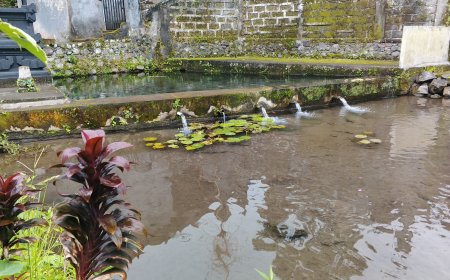
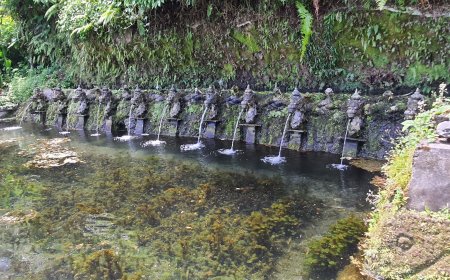
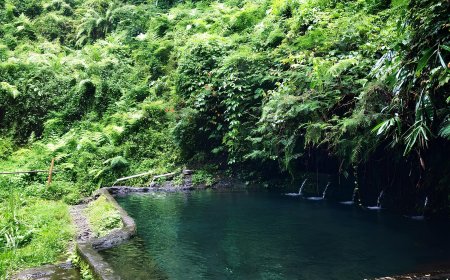
Locals often introduce Peguyangan to visitors using the term “waterfall.” This description is chosen for easier understanding, although in reality, Peguyangan is not a large waterfall. The water comes from natural springs in the hills, channeled through pipes, and then falls directly into the open sea. This simple flow creates a distinctive sight on the cliffs of southern Nusa Penida.
Peguyangan’s uniqueness lies in its dual role. It serves as a tourist destination with adventurous yet captivating landscapes, while also functioning as a vital water source managed by the local water company (PDAM) for community needs. This combination of functions is what makes Peguyangan different from other destinations in Bali.
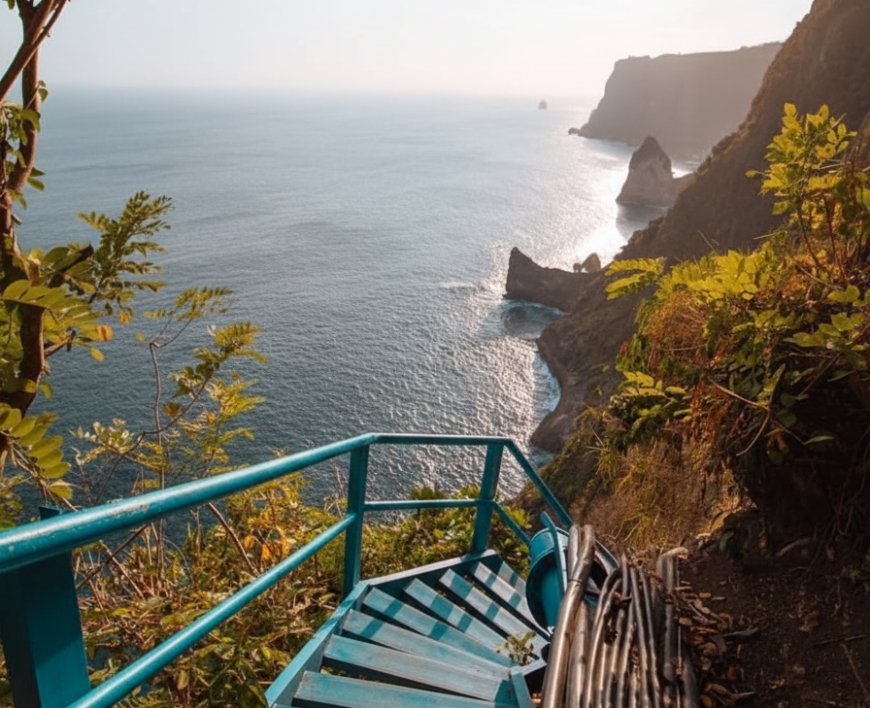
The journey to Peguyangan begins at the parking area and continues by descending hundreds of blue-painted steps. These stairs cling directly to the cliff wall, numbering around 700 to 870 steps. Some sections reach an inclination of 70–80 degrees, requiring stamina, focus, and courage. The average descent takes 20–30 minutes, while the climb back up can take longer due to the steep path. Going down the blue stairs is an exhilarating experience. The vast Indian Ocean stretches endlessly, waves crash against the cliffs, and the gusts of sea breeze intensify the dramatic atmosphere. Many visitors choose to stop briefly to take photos or catch their breath. This challenge itself becomes the main attraction, blending adrenaline with the beauty of nature.

Blue Stairs to Peguyangan (Source: Private Collection)
Pura Segara Kidul
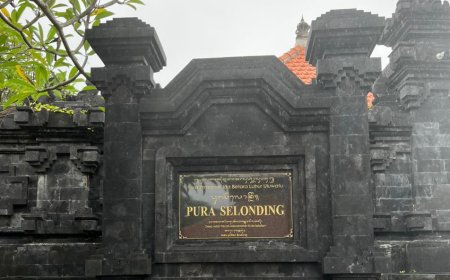
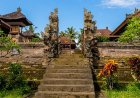
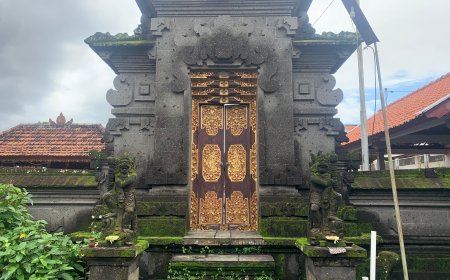
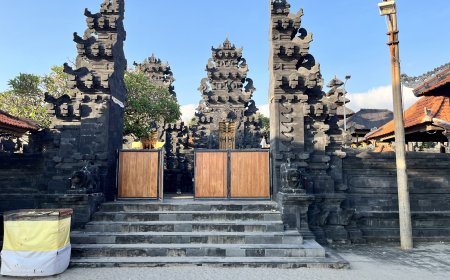
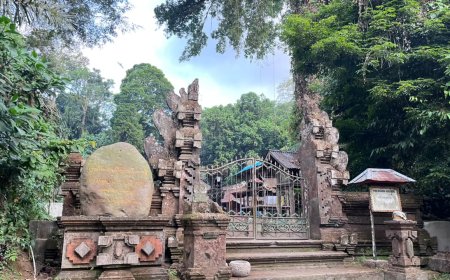
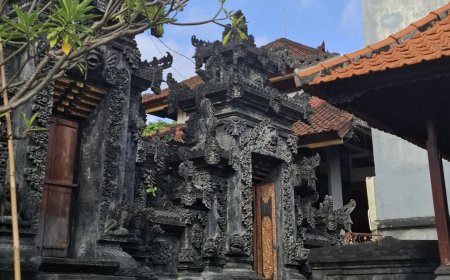
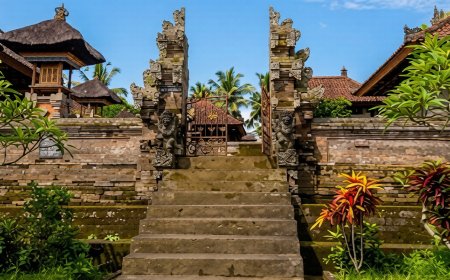
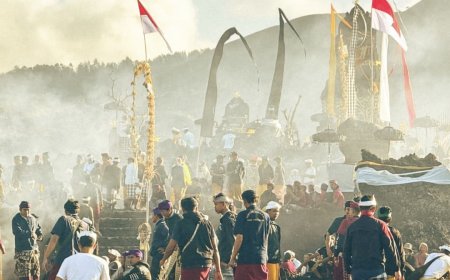
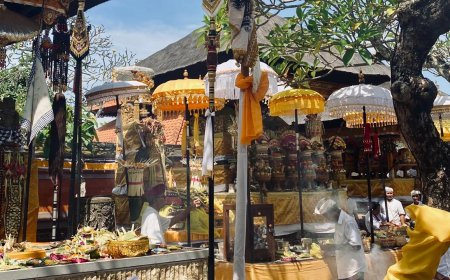
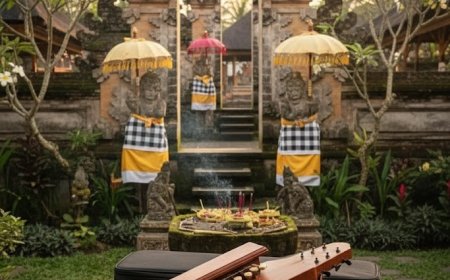
At the end of the stairs stands Pura Segara Kidul, an important place of worship for Hindus in Nusa Penida. This temple is often used for melukat, or purification rituals. Its position facing directly south towards the ocean reflects the community’s spiritual connection with the sea, which is believed to hold sacred power. At certain times, Peguyangan also becomes the site of mass melukat ceremonies attended by devotees from various regions.
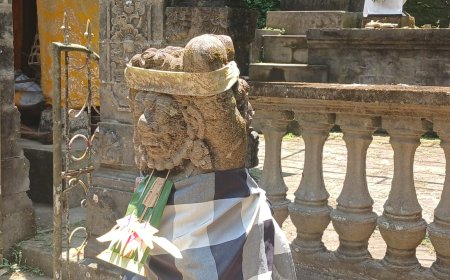
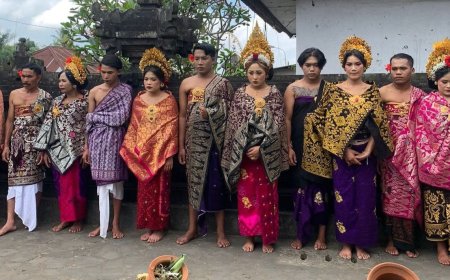
Traditional etiquette must be upheld when entering the temple grounds. Visitors are required to wear a kamen, the traditional Balinese cloth wrapped from the waist down, along with a selendang (sash) as a symbol of alignment and respect. Women on their menstrual cycle are not permitted to enter the temple area. Both kamen and selendang can be rented at the entrance for an affordable fee. Honoring the serenity of the space, maintaining proper conduct, and following customary rules are all part of the visiting experience.
Natural Pools & Cliff Panorama
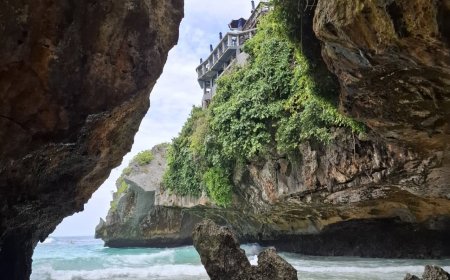
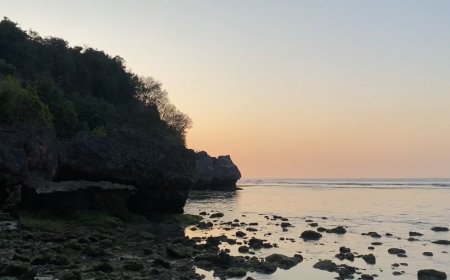
Not far from the temple lies a natural pool formed by rock depressions at the cliff’s edge. Visitors often call it an infinity pool because its position seems to merge with the ocean. Crystal-clear spring water fills the basin, yet this beauty comes with real risks. The rocks are slippery with moss, the pool edges are uneven, and sudden surges from the Indian Ocean can create strong currents, especially during high tide. For this reason, activities in the pool are only recommended when the sea is calm and at low tide.
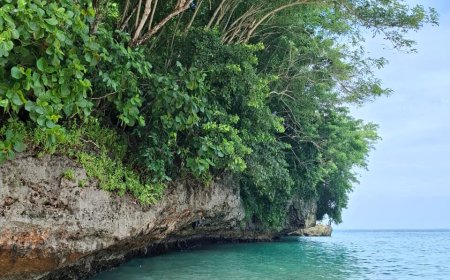
The vast Indian Ocean serves as the backdrop for Peguyangan’s dramatic scenery. Towering cliffs blend with the deep blue sea to present a majestic view. The best time to enjoy it is during the golden hour—about one hour after sunrise (06:15–07:15 WITA) and one hour before sunset (17:30–18:30 WITA). The warm light during these hours creates a stunning photographic atmosphere. In addition, mornings and late afternoons are safer, as daily wind patterns make the waves relatively calmer compared to midday.

Infinity Pool at Peguyangan (Source: Private Collection)
From several spots along the stairs or near the pool, silhouettes of manta rays can sometimes be seen gliding in the waters of the Indian Ocean. The presence of Manta Point, located not far from Peguyangan, makes the experience of enjoying the seascape even more special. Visitors can witness the dramatic panorama of towering cliffs while also having the chance to encounter these magnificent marine megafauna.

View of Manta Rays (Source: Private Collection)
Springs & Social Role
Peguyangan Springs are not only beautiful, but also vital for the lives of local residents. Its water flow reaches about 178 liters per second, making it one of the largest water sources in Nusa Penida. PDAM Klungkung manages this flow to be distributed to various villages, including Batukandik, Klumpu, Batumadeg, and Bungamekar. Thousands of residents rely on this spring for their daily needs.
The existence of Peguyangan as a source of clean water reflects the harmony between nature and humans. Even with the crowds of tourists, its role as a life support system remains preserved. This combination of social value and tourism is what makes Peguyangan unique: a destination that is both beautiful and genuinely beneficial.
There is no official entrance fee to visit Peguyangan, but visitors should prepare a small amount of money. Parking fees are around Rp5,000 for cars and Rp2,000 for motorcycles, while kamen and selendang rentals cost Rp10,000–15,000. The site is open 24 hours, though the best times to visit are in the morning or afternoon to avoid the scorching sun and rougher sea conditions. Avoid descending at night since the stairs have no lighting and there are no lifeguards on site, making safety risks higher. Transportation to the location is usually by motorcycle or car to the parking area, followed by a walk down the blue stairs. Local ojek services are available with varying rates. Facilities are still limited: only small warungs and basic toilets, while cell phone reception is sometimes weak. Visitors are advised to bring their own drinking water, use sunscreen, and take their trash back to avoid polluting the spring’s ecosystem.
Peguyangan Spring in Nusa Penida is a destination that unites adventure, spirituality, and social value. The steep blue stairs offer an adrenaline-filled experience with spectacular views. Pura Segara Kidul adds a religious nuance, while the natural pools provide the sensation of being at the edge of the Indian Ocean. Beyond that, the spring is a vital water source for thousands of residents. Peguyangan stands as living proof of how nature, culture, and people can exist in harmony, making it a destination worthy of greater recognition.