

















Political and Social Transformation during the Era of King Bhatara Guru II under the Shadow of Singasari
The Leadership of King Bhatara Guru II Under the Shadow of Singasari in 1324 AD

Bali, 1324 CE — The Island of the Gods, now synonymous with tourism and exotic culture, was once part of the grand political landscape of the Nusantara. At that time, a king named Bhatara Guru II ascended the throne in Bali. However, the king’s power was not entirely independent, as he stood under the strong influence of a major kingdom in East Java: Singasari.
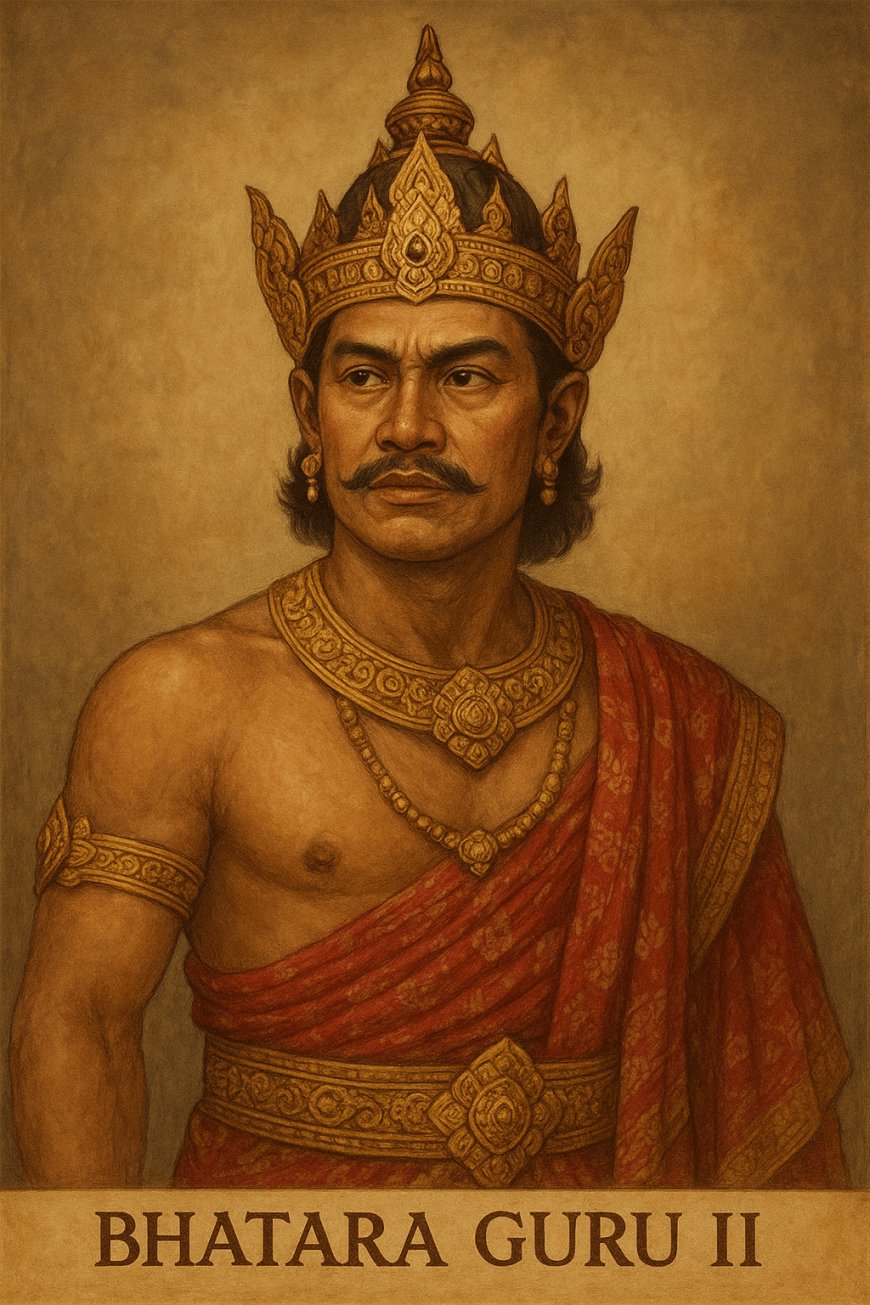
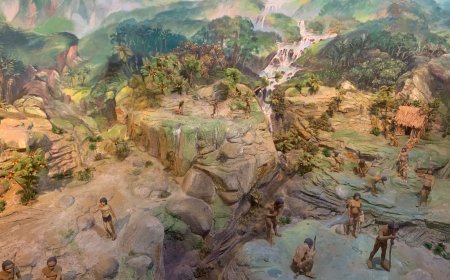
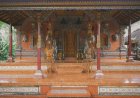
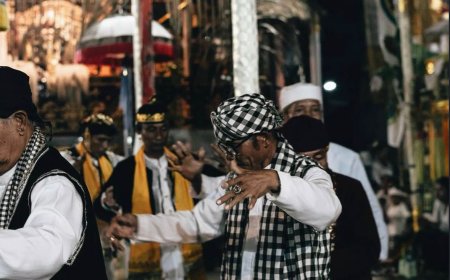
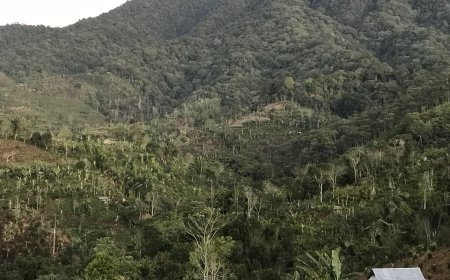
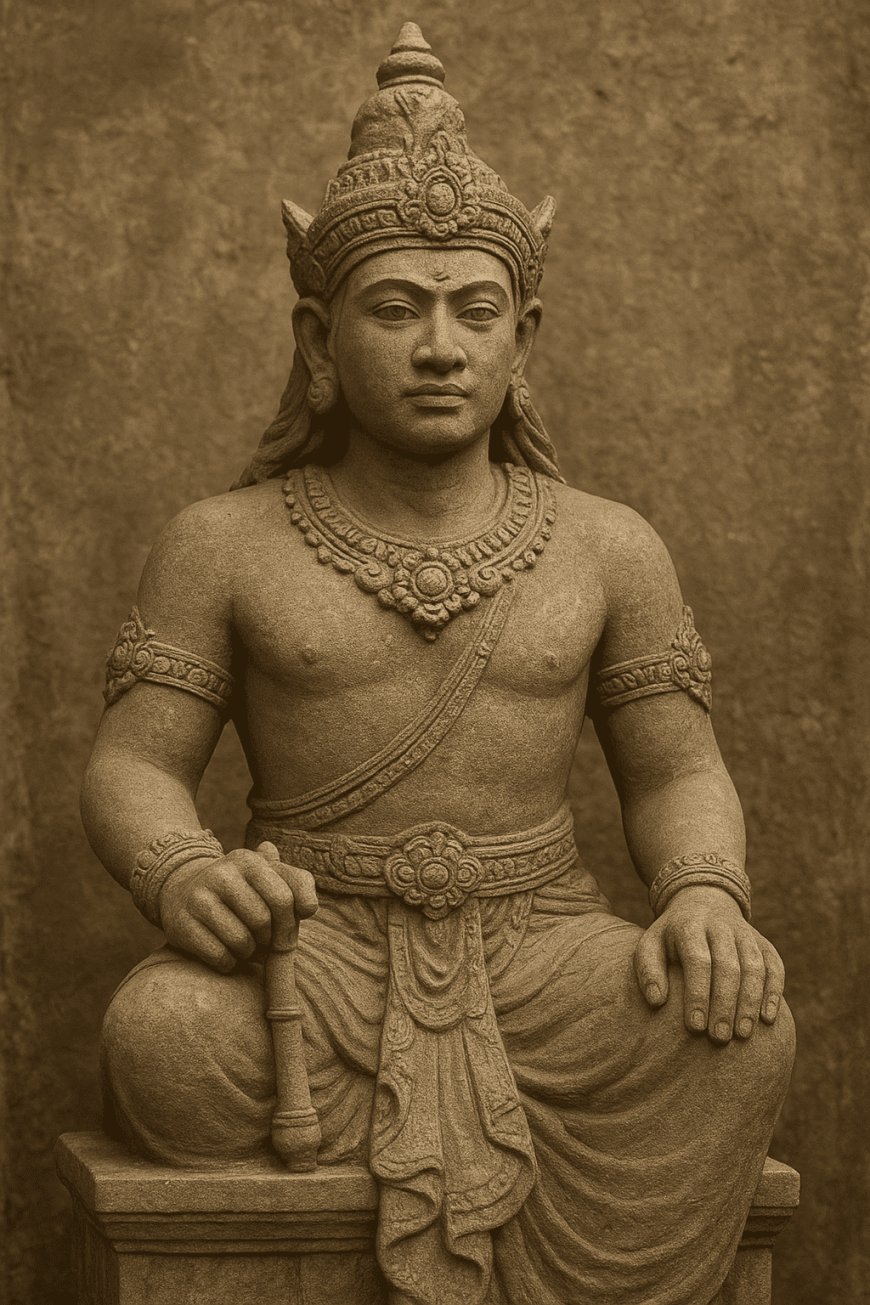
Picture of Raja Bhatara Guru II (Source: Private Collection)
Singasari, a kingdom established in East Java since the 13th century, was known as an expansionist power. King Kertanegara (1268–1292) was a key figure who developed foreign policy that reached Sumatra, the Malay Peninsula, and even set sights on Bali. Military expeditions to Bali are mentioned in several Javanese sources. According to Sejarah Nasional Indonesia (2010), Bali eventually fell within the political orbit of Java. This situation influenced the coronation of Bhatara Guru II in 1324 CE, which took place under the shadow of Javanese hegemony.
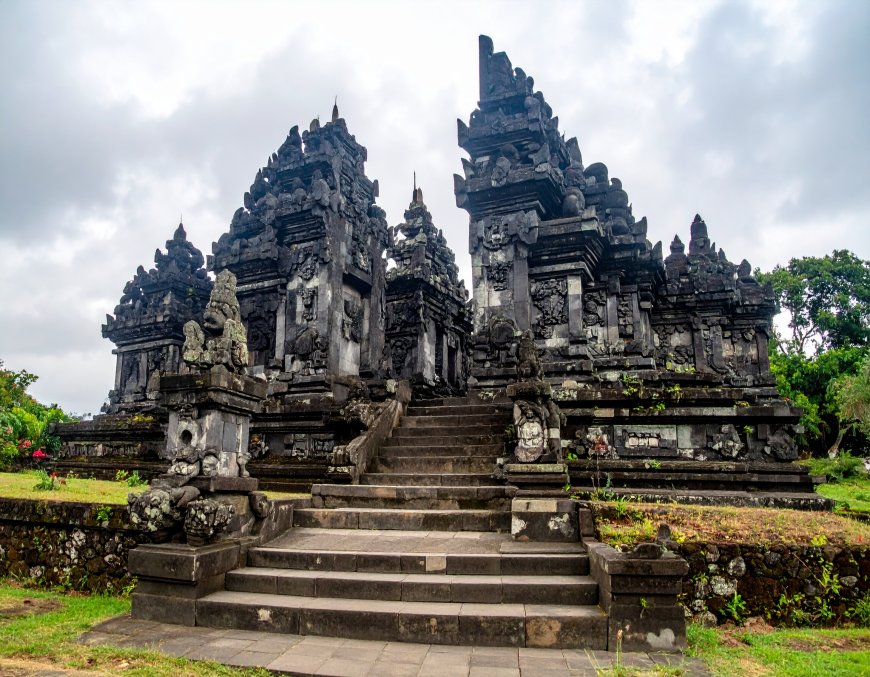
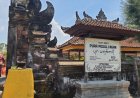
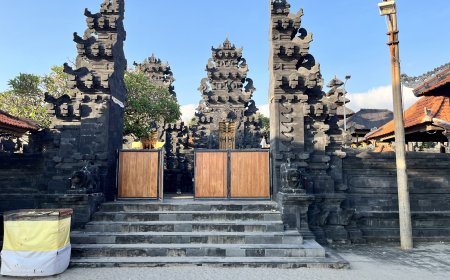
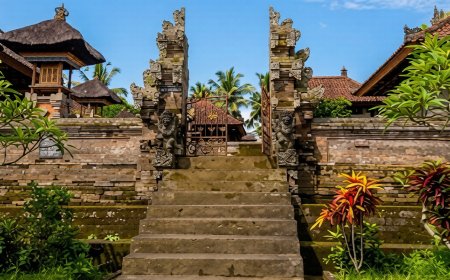
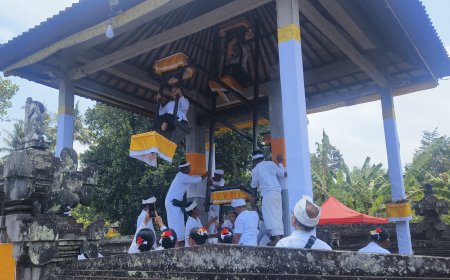
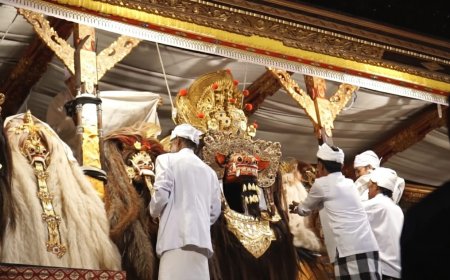
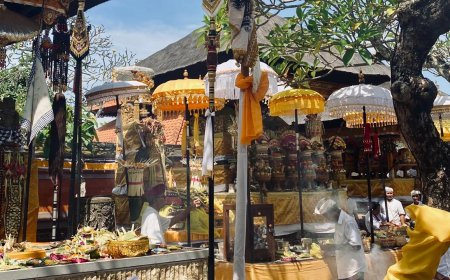
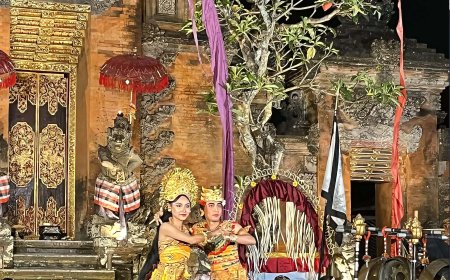
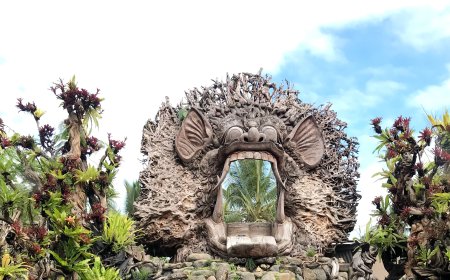
Picture of a temple made of stone with Hindu-Buddhist architectural influence (Source: Private Collection)
“Bali at that time was not only exercising local power but also participating in the orbit of Javanese hegemony,” revealed research published by BRIN through Amerta (2018).
In Ancient Bali, the king was not only a political leader but also considered the representative of the gods on earth. Bhatara Guru II reinforced this notion. He adopted a religious title directly associated with Bhatara Guru, representing Lord Shiva as the universal teacher. Iconographic archaeological studies (Amerta, 2018; Suhardana, 2021) found that statues from this period reflected Hindu-Buddhist syncretism. These statues were not merely artistic objects but symbols of legitimacy. In this way, the king extended his authority into the spiritual realm — making the people regard him as both a worldly and sacred leader. In several inscriptions, the king’s title was even paired with religious terms, indicating that political and religious power had merged into one.
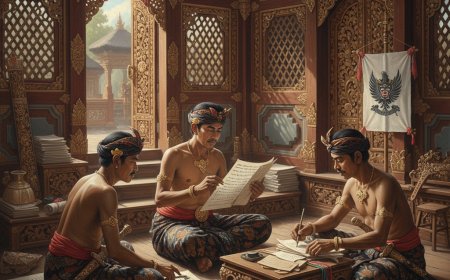
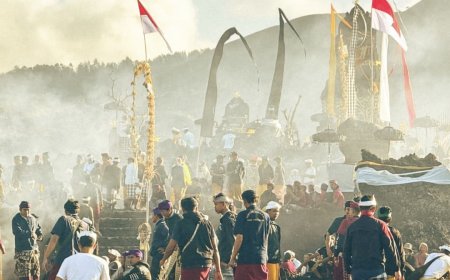
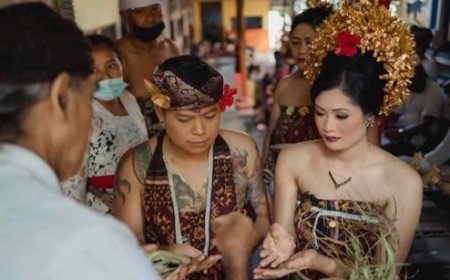
Javanese influence was not limited to politics. The social structure of Balinese society also changed. The royal bureaucratic system adopted Javanese patterns. Officials held dual roles: managing administrative affairs while also performing religious functions.
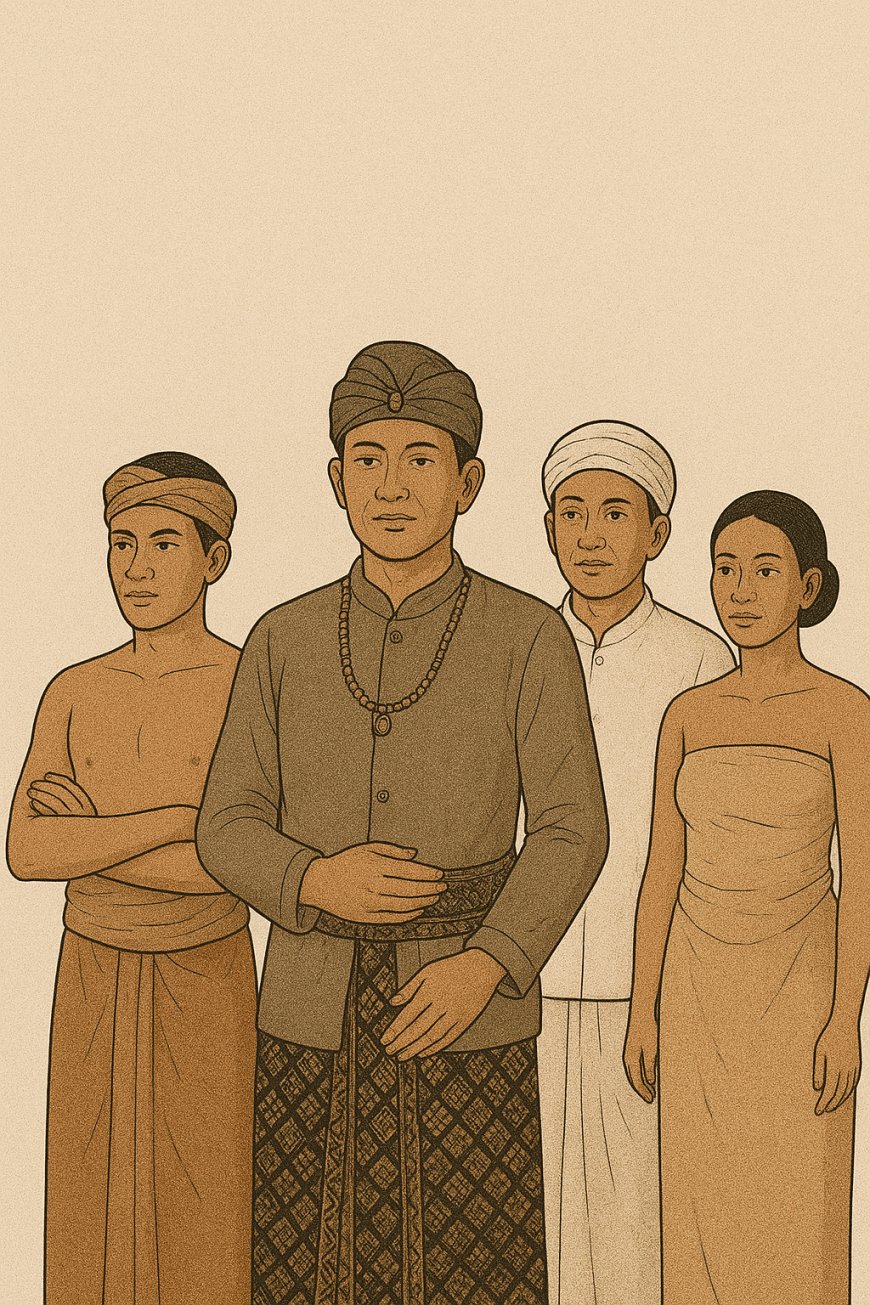
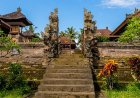
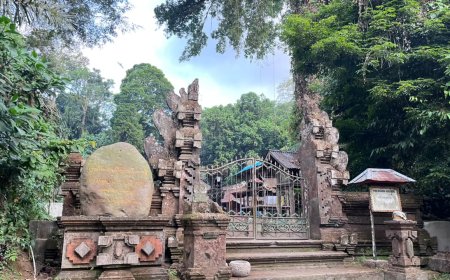
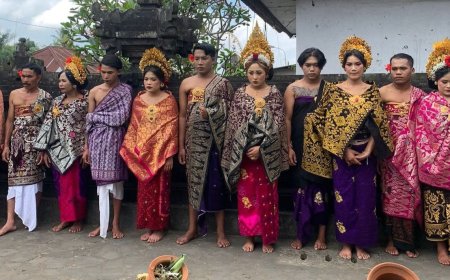
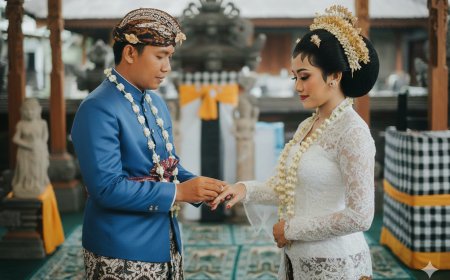
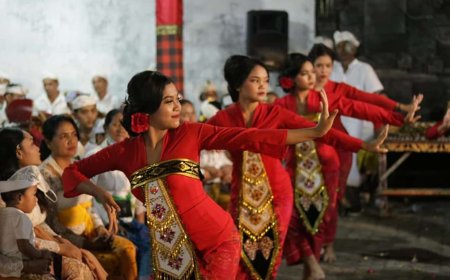
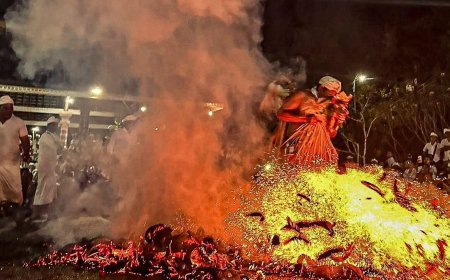
Picture depicting the political and social transformation under the government of King Bhatara Guru II (Source: Private Collection)
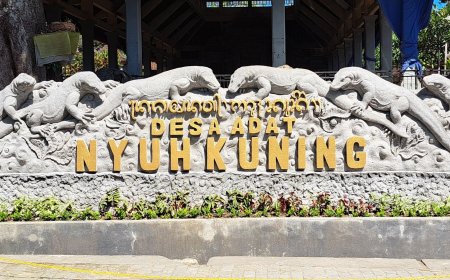
According to the document Sejarah Kebangkitan Nasional Daerah Bali (Kemdikbud, 1977), Bali’s social structure became increasingly stratified. Nobles and religious leaders occupied privileged positions, while common people were placed within a stricter hierarchy. Additionally, the village system developed with new regulations emphasizing harmony between the interests of the kingdom and the traditional communities. This laid the foundation for the Balinese desa adat (traditional village) tradition that endures to this day.
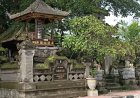
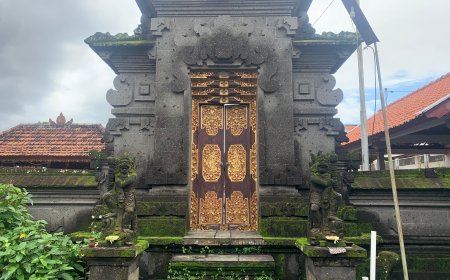
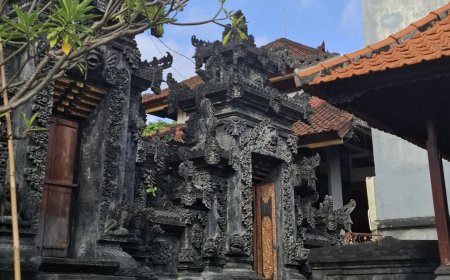
Changes were also evident in material culture. Archaeological research has found that the architectural styles of temples and shrines in Bali incorporated Javanese elements. Carvings, layouts, and even the shapes of gateways reflect a blend of local Balinese art with influences from East Java (Prosiding ISI Denpasar, 2019).
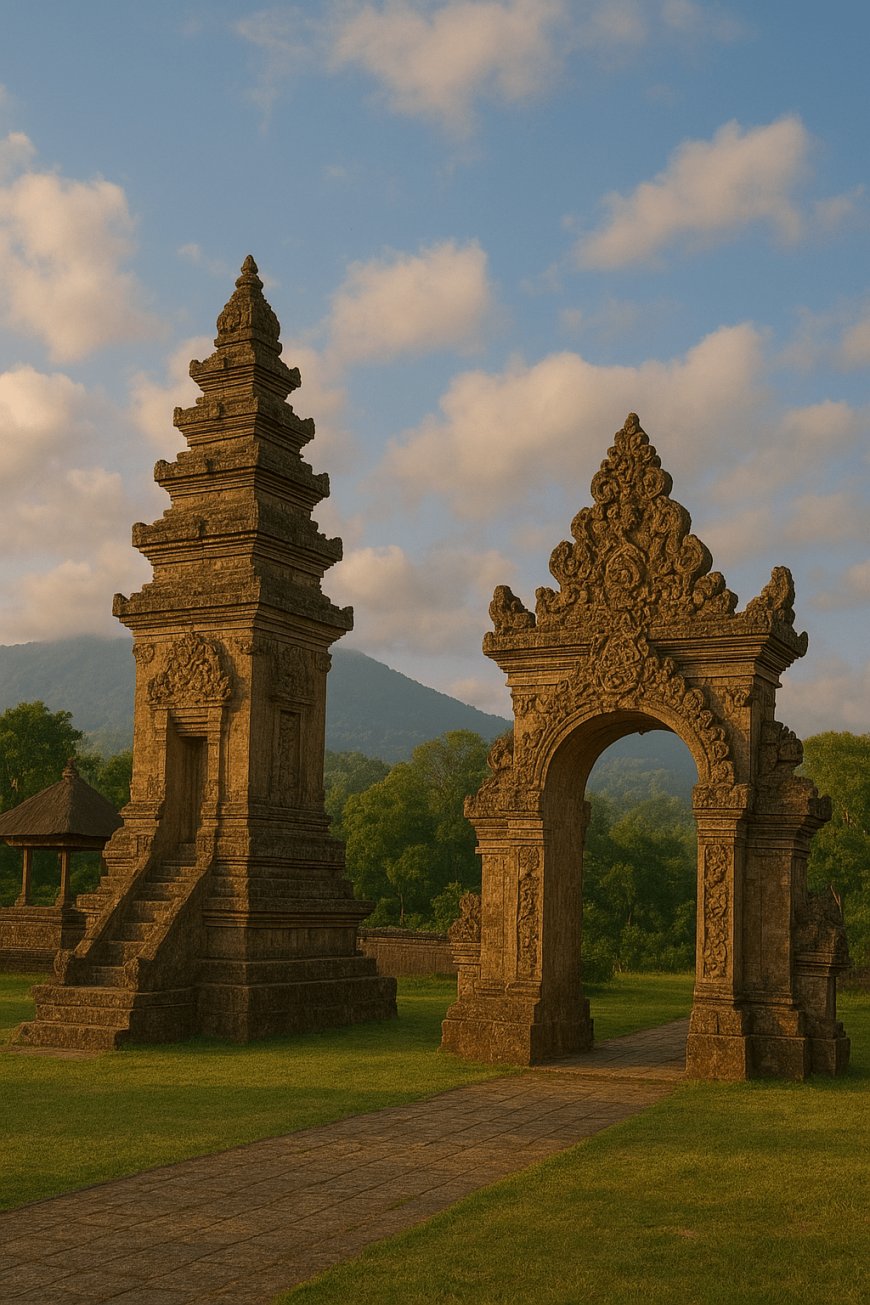
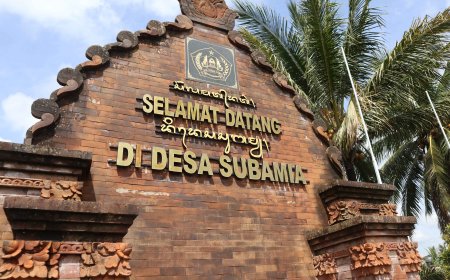
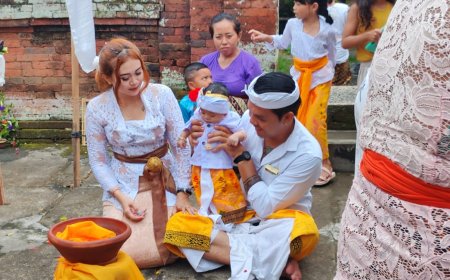
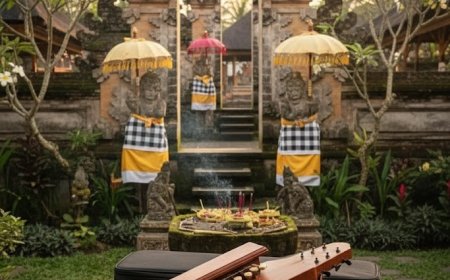
Picture depicting the influence of Jawa in Balinese Architecture (Source: Private Collection)
“This acculturation indicates that Bali was not merely politically dominated, but also absorbed external cultural elements to enrich its identity,” wrote Berita Penelitian Arkeologi (1985).
The political and social transformation during the reign of Bhatara Guru II provided an important foundation for Bali’s subsequent development. Major kingdoms in Bali, such as Gelgel and Klungkung, emerged from the system established during this period. Moreover, the Hindu-Buddhist religious syncretism that developed in the 14th century became the basis for modern Balinese religious practices. Ceremonies, temple architecture, and the caste system known to Balinese society today all have their roots in this era.
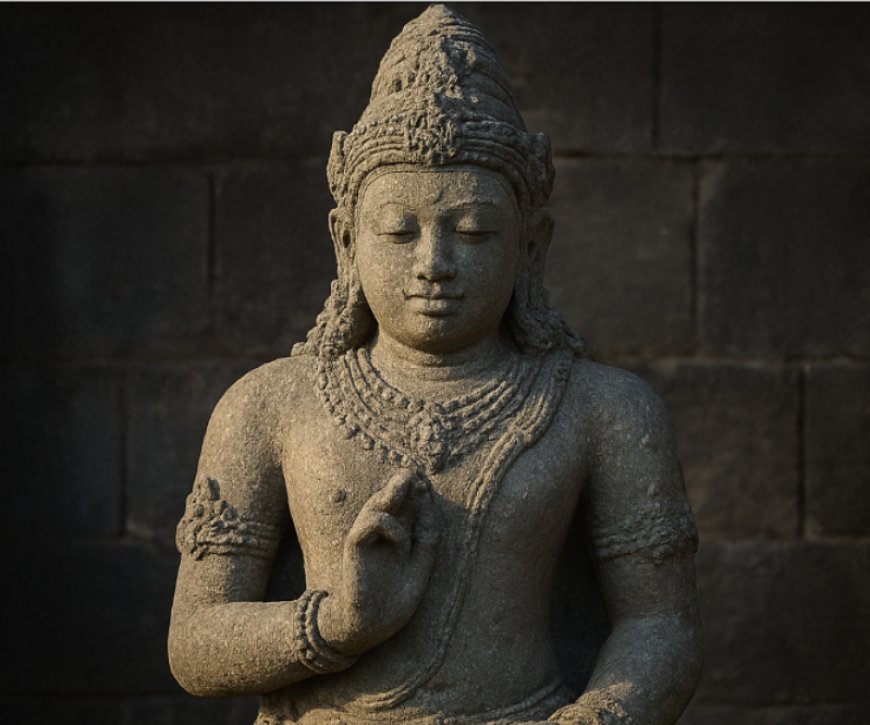
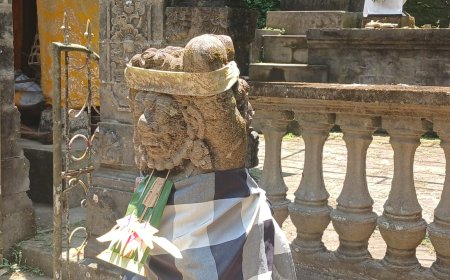
Picture of a statue of King Bhatara Guru II (Source: Private Collection)
Historians regard the reign of Bhatara Guru II as a key period. Bali not only demonstrated its ability to withstand external political pressures but also successfully integrated Singasari’s influence into its own identity. Traces of this legacy can still be seen today: temples featuring Javanese-Balinese architectural styles, ceremonies blending Shaivism and Buddhism, and the social structure of traditional villages (desa adat). All of this is a heritage from the era when Bali was under Singasari’s shadow yet still preserved its own essence.
REFERENCES
Amerta. (2018). Menggali makna ikonografis pada arca .... Pusat Riset Arkeologi Prasejarah dan Sejarah, BRIN. Diakses dari https://brin.go.id/amerta
Kementerian Pendidikan dan Kebudayaan. (1977). Sejarah Kebangkitan Nasional Daerah Bali. Jakarta: Proyek Penelitian dan Pencatatan Kebudayaan Daerah. Diakses dari https://repositori.kemdikbud.go.id
Prosiding ISI Denpasar. (2019). Citra Arok dan historiografi Pararaton: Tinjauan kembali narasi raja Singasari dan pengaruhnya di Bali. E-Proceeding ISI Denpasar. Diakses dari https://eproceeding.isibali.ac.id
Pusat Penelitian Arkeologi Nasional. (1985). Berita Penelitian Arkeologi: Laporan penelitian epigrafi Jawa Timur–Bali. Jakarta: Puslit Arkenas. Diakses dari https://repositori.kemdikbud.go.id
Suhardana, K. (2021). Bhatara Guru dalam kosmologi Hindu-Buddha di Bali: Kajian ikonografi dan arkeologi. Jurnal Etnika, 5(1). Institut Seni Budaya Indonesia.