














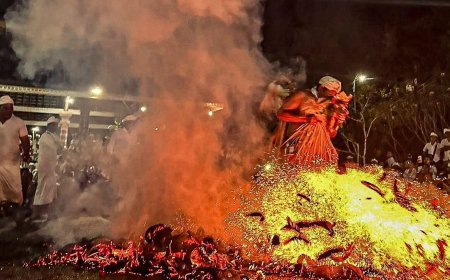










Queen Sri Ajnadewi on the Throne of the Warmadewa Dynasty
The Warmadewa Dynasty, which emerged in the 10th century AD, was led by Sri Kesari Warmadewa as recorded in the Blanjong Inscription. After him, successor kings such as Ugrasena, Tabanendra, and Janasadhu continued the rule with policies that emphasized the welfare of the people through various inscriptions. In 1016 AD, during a succession crisis, Queen Sri Sang Ajnadewi was appointed as a temporary ruler to maintain the stability of the kingdom while the crown prince was still young. Ajnadewi’s leadership reflects the important role of women in ancient Balinese politics while also strengthening the cultural and spiritual foundations of society.

The Warmadewa Dynasty was one of the most influential royal families in the ancient history of Bali, ruling from the 10th century AD and leaving a profound legacy in the cultural, religious, and political development of the Indonesian archipelago. The dynasty was founded by Sri Kesari Warmadewa, as mentioned in the Blanjong Inscription in Sanur, which stands as the oldest written record of a Balinese ruler. The inscription, dating to around 911 AD (835 Saka), describes Sri Kesari Warmadewa as a follower of Mahayana Buddhism who was entrusted with the rule of Bali and succeeded in defeating his enemies in the regions of Gurun and Swal. The name “Warmadewa” itself derives from Sanskrit, meaning “Divine Protector” or “Protected by the Gods. The origins of this dynasty can be traced back to India, particularly the Pallava Kingdom in the southern Indian peninsula, whose cultural influence spread to the Indonesian archipelago through flourishing maritime trade routes as early as the 5th century AD. From there, descendants of the Pallavas established networks of kingdoms in Java, Sumatra, and Bali, creating centers of power that blended Indian elements with local Austronesian traditions. This synthesis produced a society rich in art, architecture, and the iconic Subak irrigation system of Bali. The close ties between the Warmadewa Dynasty and the Medang Kingdom in East Java during the 10th to 11th centuries further strengthened Bali’s position, as cultural and political exchanges facilitated the flow of religious ideas, agricultural technology, and military strategies, integrating Bali into a broader Java-Bali power network.

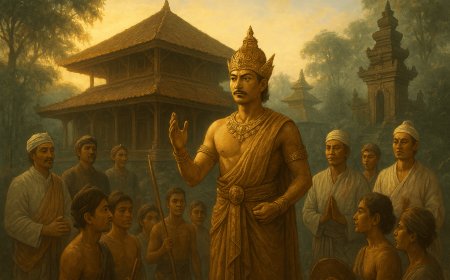
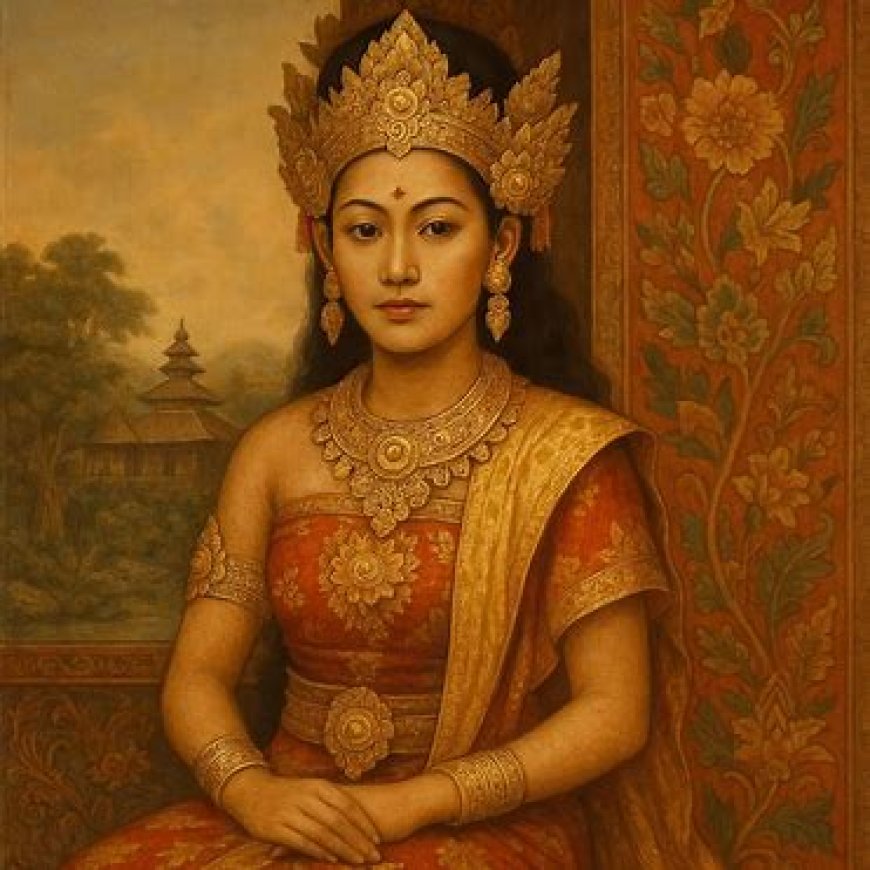
The Atmosphere During the Warmadewa Dynasty (Source: AI Ilustration)
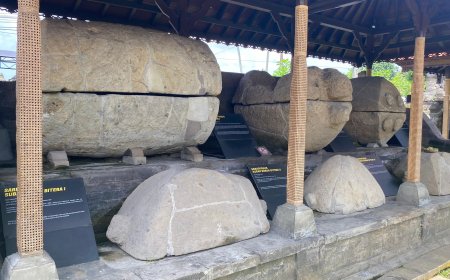
Following the death of King Sri Kesari Warmadewa in 837 Saka (915 AD), the throne of Bali passed to his son, Sri Ugrasena Warmadewa. He was known as a dignified and respected leader, under whose reign Bali enjoyed peace and stability. Between 915–942 AD, Sri Ugrasena issued a number of inscriptions, all written in Old Balinese. Among them are the inscriptions of Banjar Kayang, Pura Bale Agung, Babahan, Sembiran, Pengotan, Batunya, Dausa, Pura Bukit Indrakila, Serai, Tamblingan Pura Endek, Gobleg, and Pura Batur. These inscriptions reveal various royal policies, such as granting tax relief to the villages of Sadungan and Julah, which were suffering from repeated raids. After Ugrasena, the throne was held by Aji Tabanendra Warmadewa (943–961 AD). Another ruler of the Warmadewa line, Sri Candrabhaya Singhawarmadewa, also known as Indra Jayasingha Warmadewa (962–975 AD), continued this legacy. His reign, alongside his consort Queen Luhur Sri Subhadrika Warmadewi, is especially remembered for the construction of the sacred Tirta Empul baths in Tampaksiring in 960 AD. During his rule, Shaivite priests were also permitted to establish hermitages in Air Madatu, the burial site of King Ugrasena, reflecting the court’s openness to religious development, particularly the Hindu-Shaivite tradition. Subsequently, Bali was ruled by Sri Janasadhu Warmadewa (975–983 AD). His reign is supported by written evidence such as the Sembiran A II inscription of 897 Saka. This inscription regulated the life of the ancient community of Julah village, which had just returned from exile. They were allowed to revise their older inscription with new permanent provisions that could no longer be altered. It also stipulated that the communities of Julah, Indrapura, Buwundalm, and Hiliran were required to work together in maintaining public facilities such as temples, cemeteries, fountains, bathing places, and highways. These inscriptions, ranging from the era of Ugrasena to that of Janasadhu, reveal the Warmadewa rulers’ deep concern for the social, economic, and religious welfare of their people, while laying a solid foundation for Bali’s future development.

The Rise of Queen Sri Sang Ajnadewi as Leader During the Warmadewa Dynasty (Source: AI Ilustration)
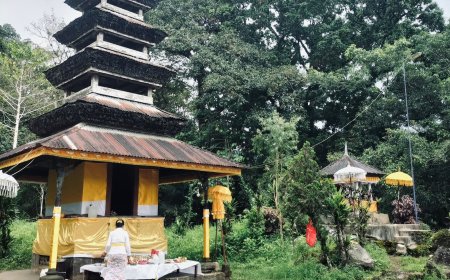
The transition of power after King Udayana, one of the dynasty’s most renowned rulers, marked a pivotal moment in Balinese history. In 1016 AD, as recorded in the Sembiran A III inscription, a woman named Queen Sri Sang Ajnadewi ascended the throne as an interim ruler. She was likely not a direct descendant of the Warmadewa line but was appointed by royal consensus to fill the vacant throne. The primary reason for Ajnadewi’s appointment was the youth of Crown Prince Marakata, who was probably around 15 years old or younger at the time. Based on the age of his relative Airlangga, who became King of Kahuripan in Java at 16 in 1016 AD, Marakata was deemed too young to face complex challenges such as potential invasions from Java or internal conflicts among regional lords. This situation created a succession crisis that could have triggered civil war. However, the royal family wisely chose Ajnadewi as guardian of the throne, reflecting the flexibility of the Balinese monarchy in which women often played crucial roles as stabilizers of power, much like queens in ancient Indian kingdoms. Ajnadewi’s role extended far beyond symbolism; she actively ruled during a short but influential transitional period. Among her main achievements was the construction of religious infrastructure, such as temples in Sembiran dedicated to Shaivite rituals. These not only reinforced dynastic legitimacy through spiritual ties with the gods but also functioned as community centers uniting farmers, merchants, and priests, thus preventing social disintegration during political uncertainty.
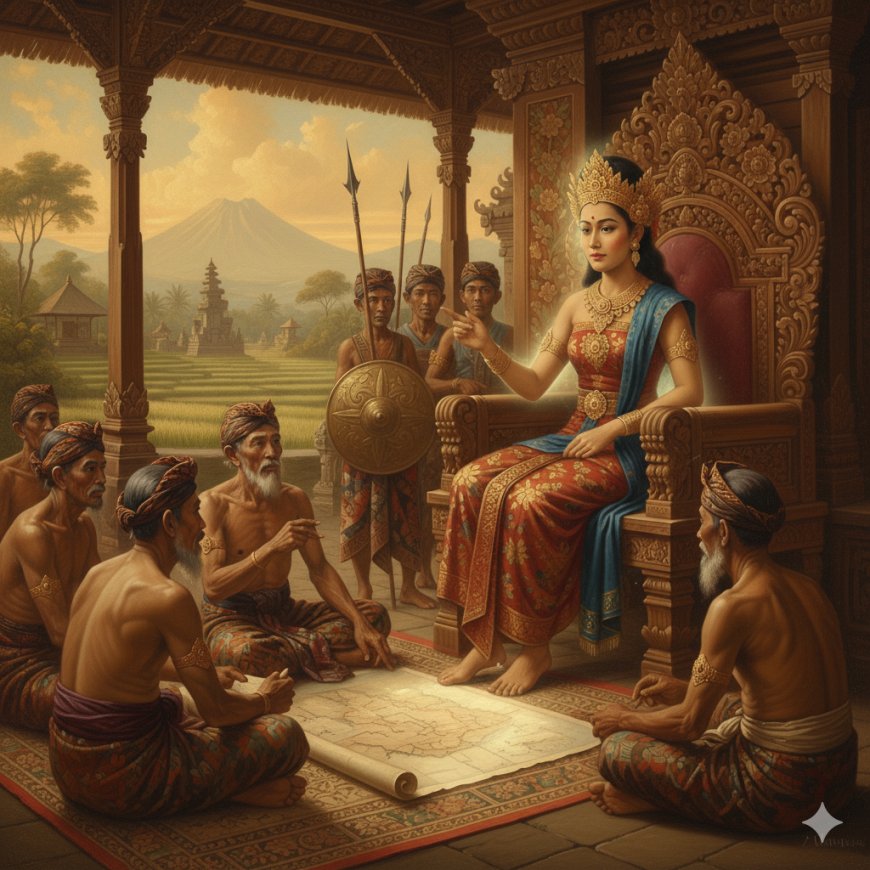
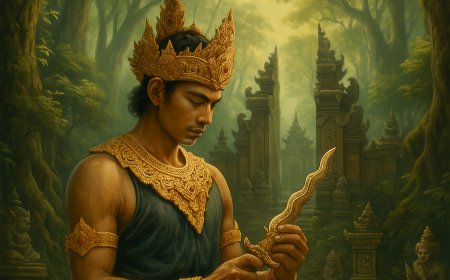
The Reign of Queen Sri Sang Ajnadewi (Source: AI Ilustration)
In her governance structure, Ajnadewi relied on the counsel of influential Brahmins and local consorts representing Bali’s indigenous tribes, creating an inclusive administration that honored pre-Hindu animist traditions while integrating them with Shaivite and Vaishnavite teachings. Her leadership style, gentle yet firm, is evident in the official decrees recorded in inscriptions that regulated land taxation, marriage laws, and religious festivals. These prove that she was not merely a “caretaker of the throne,” but a genuine ruler who navigated the gender dynamics of a patriarchal society—where earlier precedents had already paved the way for female leadership. At the end of her tenure, Ajnadewi gracefully stepped down, paving the way for Marakata’s coronation once he had reached maturity. He was enthroned with the title Dharmawangsawardhana Marakata Pangkajasthana Uttunggadewa, ruling from 1011 to 1022 AD. His era coincided with the golden age of Airlangga in Java, during which Marakata expanded Bali’s influence eastward, forged alliances through royal marriages, and promoted Balinese performing arts such as dance and gamelan music, laying the cultural foundation of modern Bali. This smooth transition highlighted the resilience of the Warmadewa Dynasty and established a lasting symbol of female strength in ancient politics. Figures like Ajnadewi demonstrated that wise leadership, rather than mere military might, was the key to the kingdom’s survival amid the shifting tides of Nusantara’s history. The dynasty’s legacy continues to live on through the inscriptions scattered across Bali, reminding us of the Indo-Nusantara cultural networks that shaped the island’s identity, as well as the indispensable role of women in building a harmonious and prosperous society.
References
Hauser-Schäublin, Brigitta, & Ardika, I. Wayan (eds.). Burials, Texts and Rituals: Ethnoarchaeological Investigations in North Bali. Göttingen: Universitätsverlag Göttingen, 2008.
Ardika, I. Wayan. “Archaeological Traces of the Early Harbour Town.” In Hauser-Schäublin, Brigitta & Ardika, I. Wayan (eds.), Burials, Texts and Rituals: Ethnoarchaeological Investigations in North Bali, pp. 150–158. Göttingen: Universitätsverlag Göttingen, 2008.
Admin Tejakula. History of Julah Village. Tejakula Subdistrict — Buleleng Regency Government, April 12, 2023.