





I Gusti Rangasa: Arrogance Leads to Destruction
The Story about King I Gusti Rangsasa the Hostious who acted himself was a God and The Great Priest from Java, Dang Hyang Nirartha as a religious figure which spread hinduism. This story teaches about Karmaphala where our arrogant nature leads us to disaster

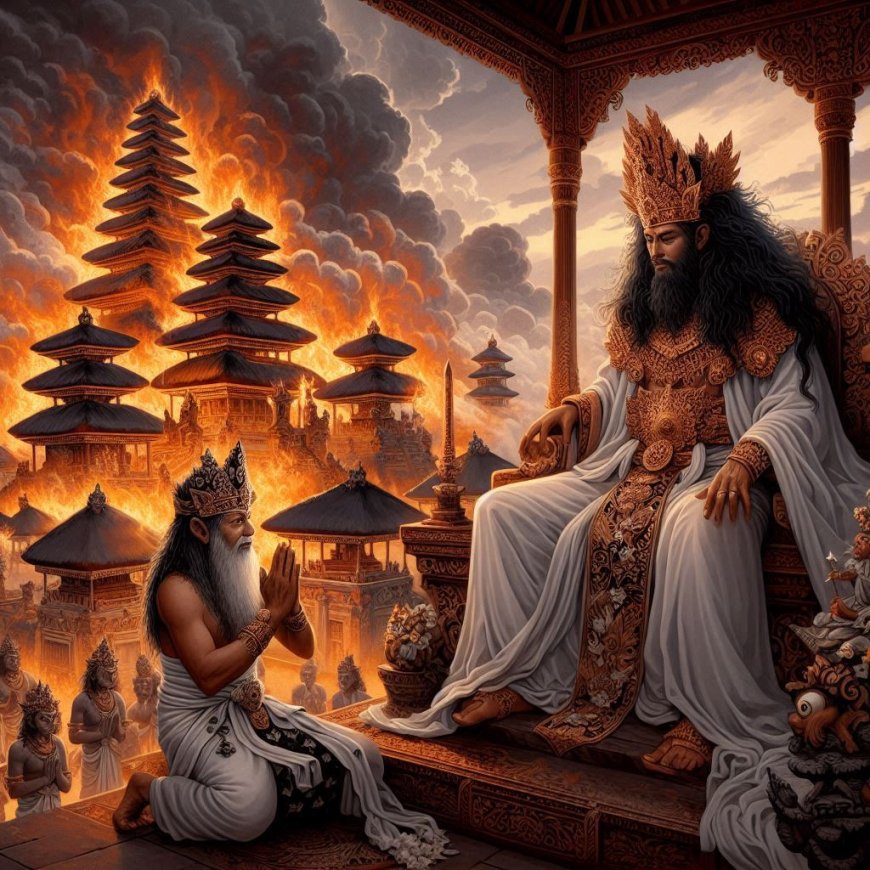
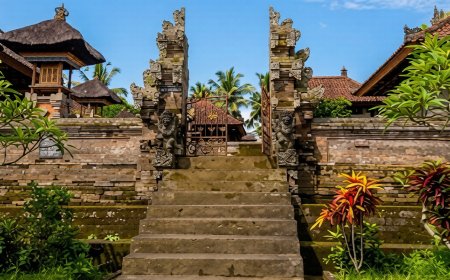
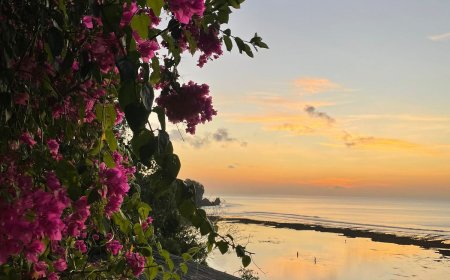
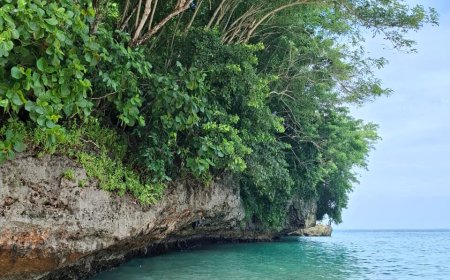
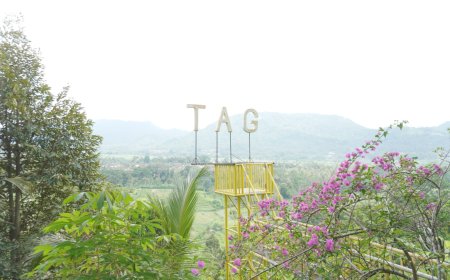
In the early days of the Gelgel Kingdom, there lived a mighty and resilient king from the western region of Bali named Gusti Rangsasa. He imposed a rule on his people that no entity was to be worshipped except for him. Puri Encak was the palace where King Gusti Rangsasa resided, located on the coast with a beautiful natural view near the estuary of a river named Ijogading.

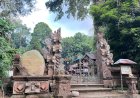
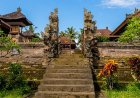
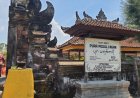
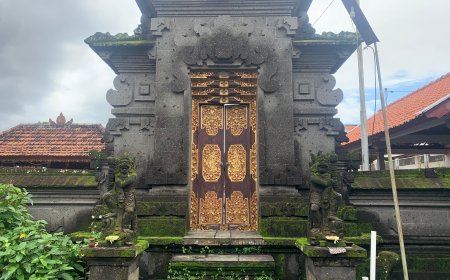
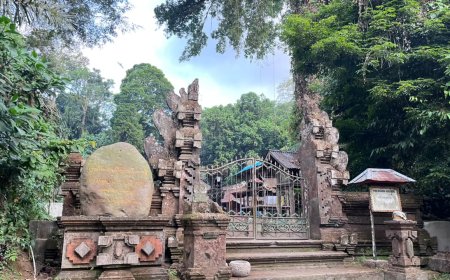
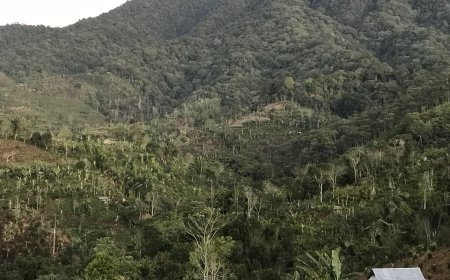
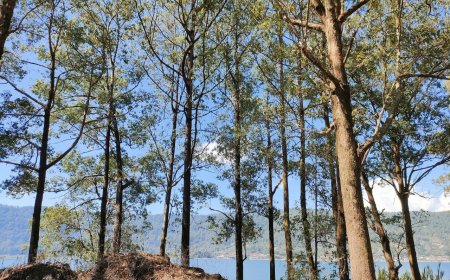
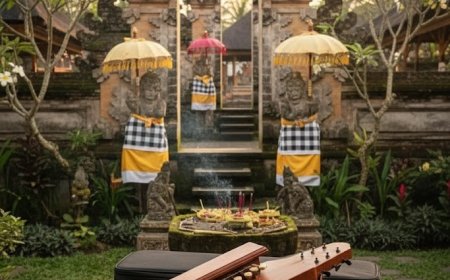
Puri Encak and Mouth river of Ijogading river (Source : Personal Collection)
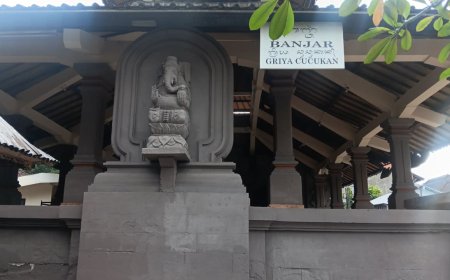
Dang Hyang Nirartha was a revered priest who came from Java to Bali with the purpose of spreading Hinduism. On his journey to the Gelgel Kingdom, he had to pass through the kingdom of Gusti Rangsasa. The guards of Gusti Rangsasa's kingdom did not allow Dang Hyang Nirartha to enter. The officer ordered him to worship an altar dedicated to King Gusti Rangsasa before being permitted to enter the kingdom. The altar, situated at the kingdom's gate, was a symbol of mandatory worship for anyone wishing to enter Gusti Rangsasa’s realm.
When asked to worship the altar, Dang Hyang Nirartha refused, warning that something terrible would happen if he did. The officer ignored his warning and insisted that Nirartha worship the altar, threatening to arrest him for insulting Gusti Rangsasa if he refused. Eventually, Dang Hyang Nirartha complied with the officer's demand. Accompanied by the gatekeeper, Nirartha began chanting prayers over the altar.
As soon as Nirartha worshipped the altar, it crumbled and collapsed, leaving the officer and soldiers astonished. Despite this, the officer ordered his soldiers to arrest Dang Hyang Nirartha. The soldiers aimed their spears at Nirartha and escorted him to Gusti Rangsasa at Puri Encak.
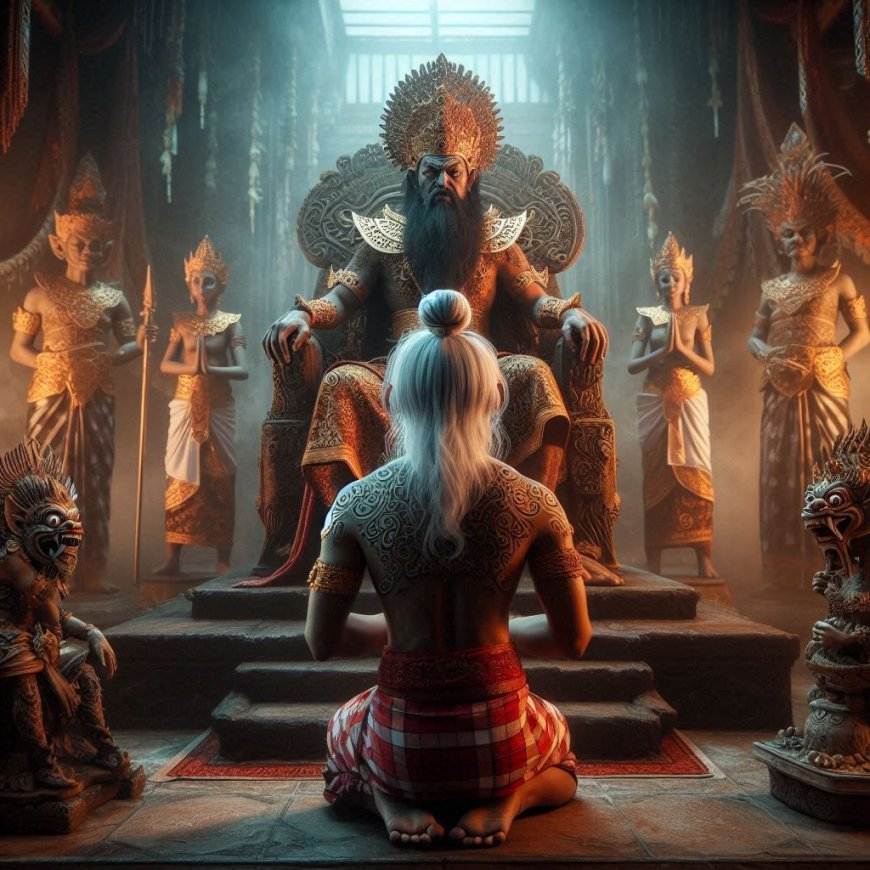
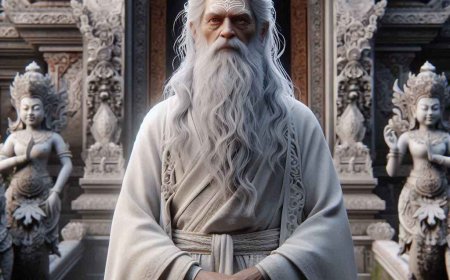
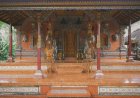
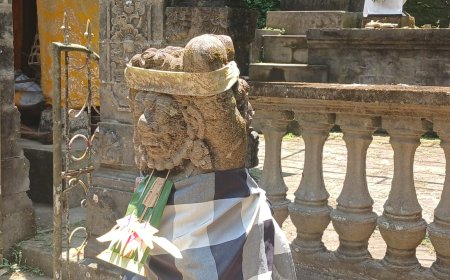
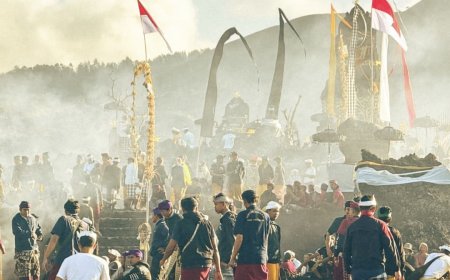
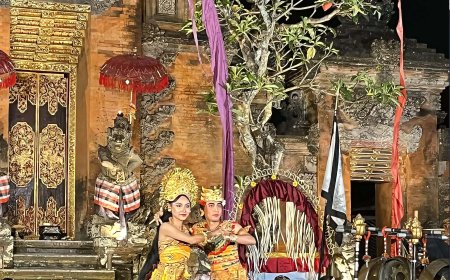
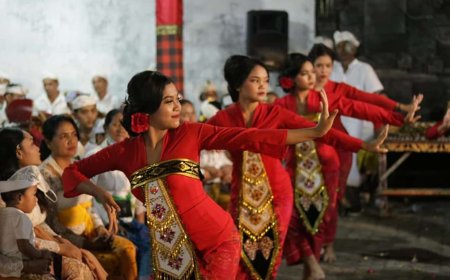
Dang Hyang Niratha worship I Gusti Rangsasa (Source : Personal Collection)
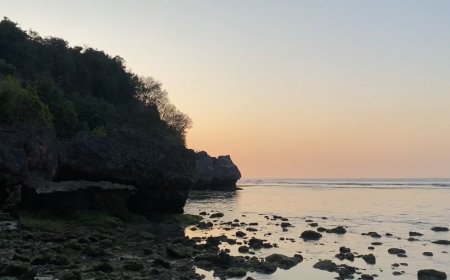
After being arrested, Dang Hyang Nirartha was brought before Gusti Rangsasa, who demanded that Nirartha worship him directly as an apology. Nirartha warned that the same thing that had happened to the altar might happen again, but Gusti Rangsasa, adamant in his belief that nothing would happen, insisted. Dang Hyang Nirartha finally agreed to Gusti Rangsasa’s request. However, as soon as Nirartha began to worship Gusti Rangsasa, Puri Encak collapsed, causing panic and confusion within the kingdom. The palace became known as Perancak, and the site of the ruined palace later became the location of the Perancak Temple.

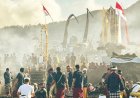
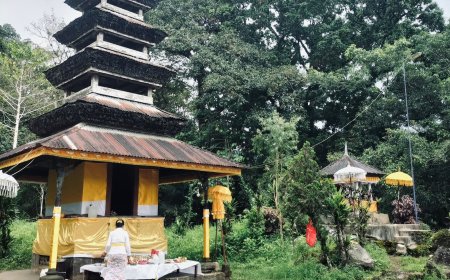
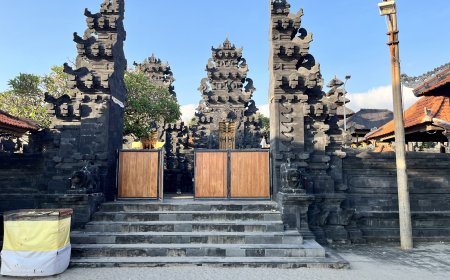
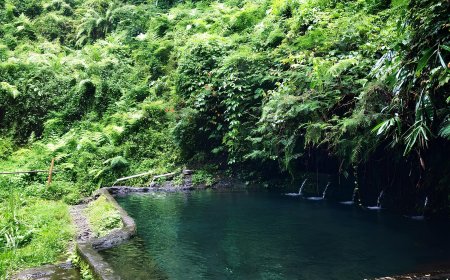
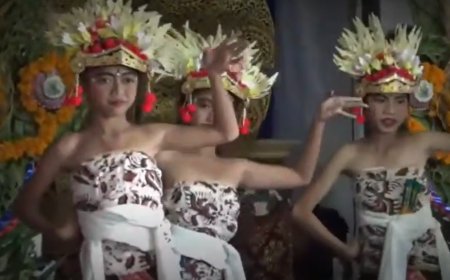
The city around Puri Encak that was destroyed by the power of Dang Hyang Niratha (Source : Personal Collection)
After the destruction of Puri Encak, Gusti Rangsasa's remaining loyal subjects fled with him to the north, passing through swamps and dense forests. These forests and swamps were called Jimbarwana, which is now known as Jembrana. During their flight, many of Gusti Rangsasa’s followers got lost along the way and founded new settlements, one of which was Dewasana. Gusti Rangsasa and his followers established a settlement in the north of Puri Encak, where he lived until the end of his life, building the area into a prosperous community.
Later, Gusti Rangsasa apologized to Dang Hyang Nirartha, who had by then become an advisor to the Gelgel Kingdom, and he embraced Hinduism once again. Gusti Rangsasa eventually passed away at an old age in the village he built. The villagers mourned the loss of their leader, and to honor him, they named the village Sawe Rangsasa, with "Sawe" meaning "corpse," thus Sawe Rangsasa meaning "Corpse of Rangsasa."
Gusti Rangsasa was buried to the west of Sawe Rangsasa, in a place that became known as Pendem, derived from the word "Mendem," meaning buried. Many of his grieving followers stayed by his grave, and their settlement became known as Sebetan, which is now called Satria, and it has since gained the status of a Banjar.