



When Desa Kuwum Tells Its Story: Rice Fields, Rivers, and the Alluring Nymphs
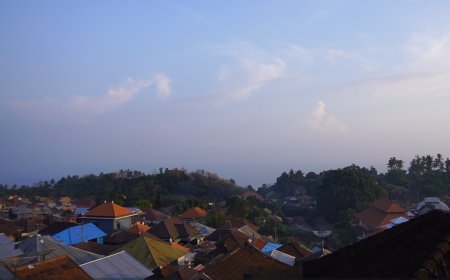
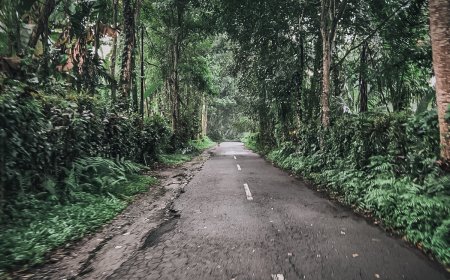
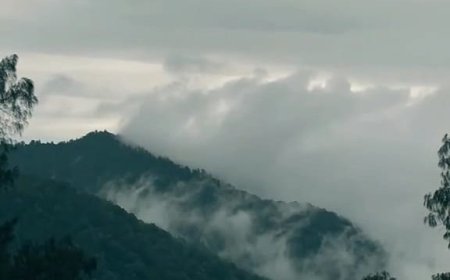
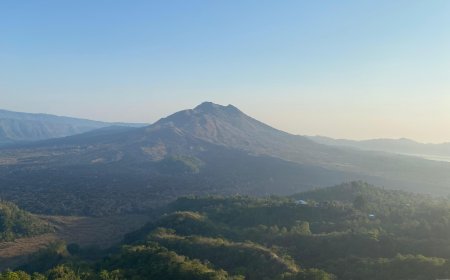
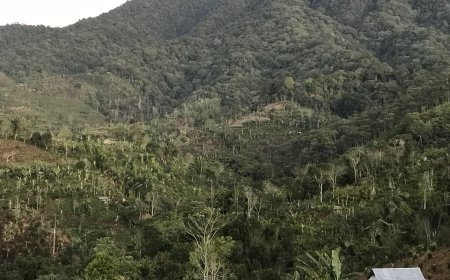
Kuwum Village is located at the northernmost part of Badung Regency, where most residents work as farmers due to the extensive rice fields in the area. In addition to agriculture, the village is developing micro-scale enterprises to support tourism. Natural attractions such as Dedari Nature Tourism, known for its winding river and lush natural scenery, make the village an appealing destination.
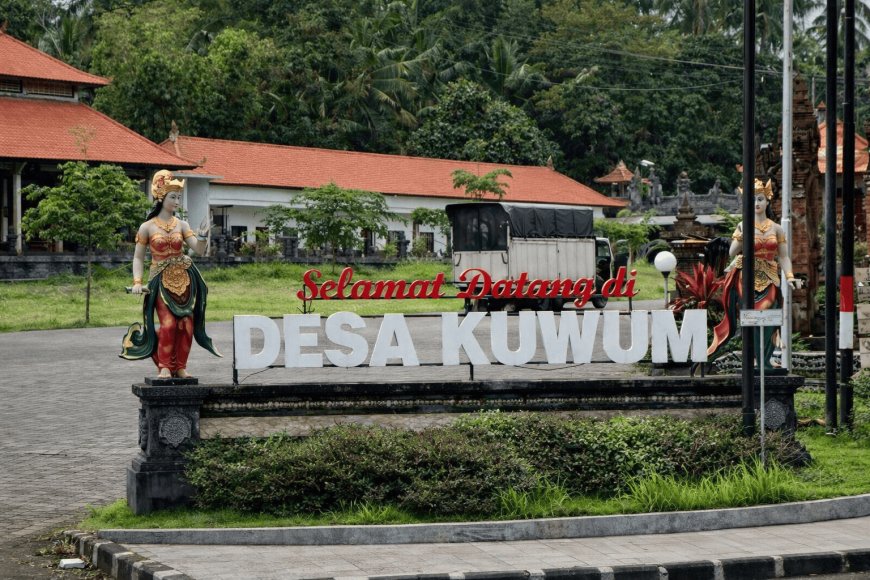
Desa Kuwum, located in the northern tip of Badung Regency, Bali, is a village rich in natural beauty and culture. While the majority of its residents still rely on agriculture, particularly rice fields that remain preserved, Desa Kuwum does not solely depend on the agricultural sector. The community here is also involved in various other activities, such as handicrafts, micro-enterprises, and the tourism sector, which is growing rapidly. This shows how the village is beginning to expand into sectors that have the potential to support the local economy and open opportunities for the younger generation.
Along with the growing tourism sector, Desa Kuwum is now increasingly known to both local and international visitors. The presence of Wisata Alam Dedari, with its unspoiled natural beauty, has become one of the main attractions. The village is becoming more vibrant with various businesses encouraged by tourism, such as community-based accommodations, local eateries offering village specialties, and various local products that are increasingly promoted to visitors. Tourists who come not only enjoy the natural beauty but also experience the strong cultural atmosphere and buy the village's unique products, which are gaining more interest.
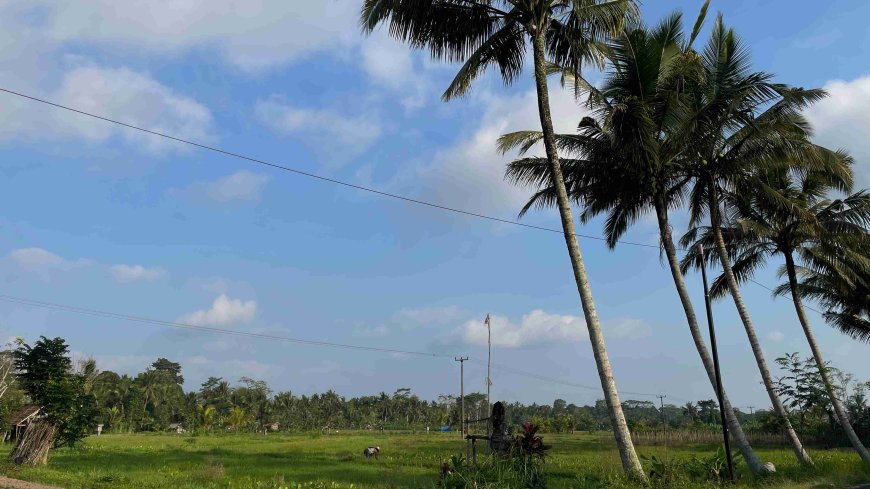
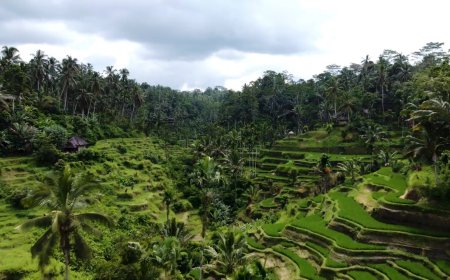
Rice Fields in Kuwum Village (Source: Personal Collection)
Life in Desa Kuwum is greatly influenced by the surrounding nature. The green rice fields that stretch far and wide are an inseparable part of daily life. Although agriculture remains one of the main sources of livelihood, not all residents work in this sector. Some families are also developing small and medium enterprises (SMEs), which include local products such as spicy seasoning for fruit (bumbu rujak), soy milk, and klanceng honey. This diversity of livelihoods shows that Desa Kuwum is not just reliant on agriculture, but is also increasingly developing its potential in creative economy and tourism, which further enriches the economic life of the community.
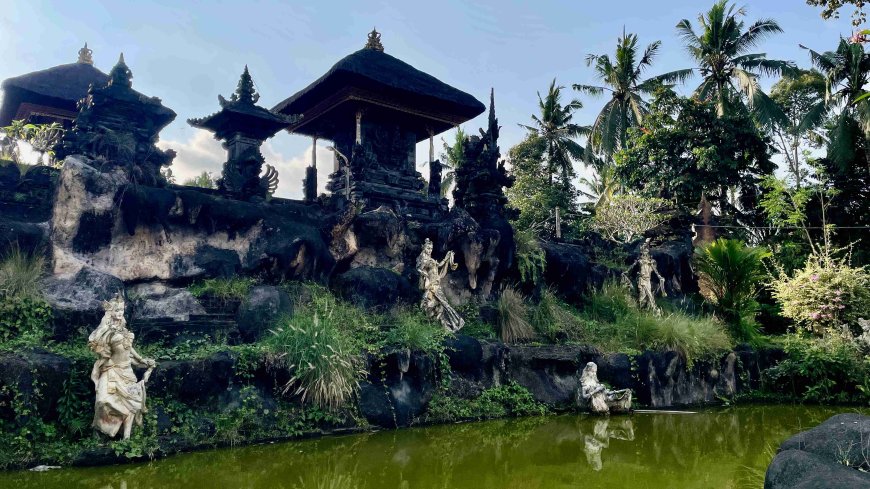
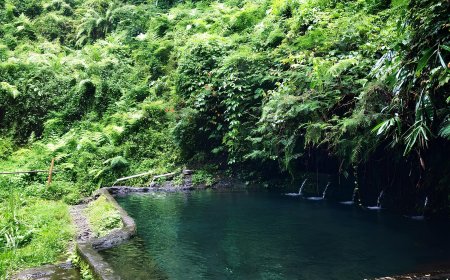
Dedari Tourism Park (Source: Personal Collection)
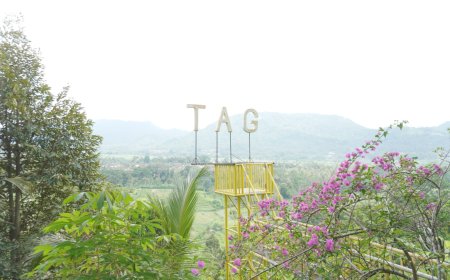
One of the main attractions of this village is Wisata Alam Dedari, located in Banjar Dinas Nyelati. Dedari is a nature park that offers the beauty of nature in its purest form. The flowing river and the dense trees create a peaceful and serene atmosphere, far from the bustle of the city. Dedari is the perfect place for anyone who wants to enjoy the tranquility of Bali's nature and take a break from the busy routine. Additionally, it is an ideal spot to appreciate the beauty of nature while exploring the local stories that live within the community.
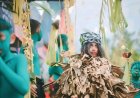
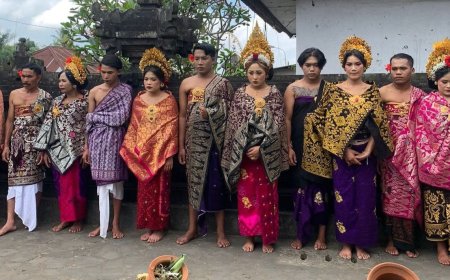
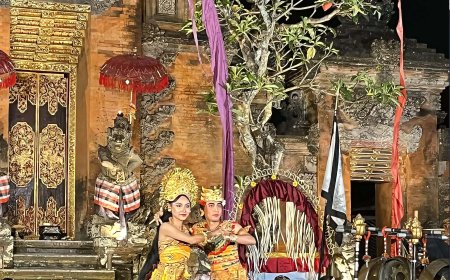
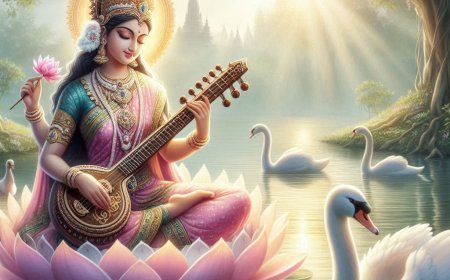
A popular folk tale in Desa Kuwum is the legend of the seven celestial nymphs who descended from the heavens to bathe in the river that flows through the Dedari area. One of the nymphs got trapped on earth and could not return to the sky, thus the area became known as Taman Kisah 7 Bidadari (The Story of 7 Nymphs Garden). This legend not only adds to the appeal of the tourism but also becomes part of the cultural heritage that continues to live within the Desa Kuwum community, giving depth to this tourist destination.
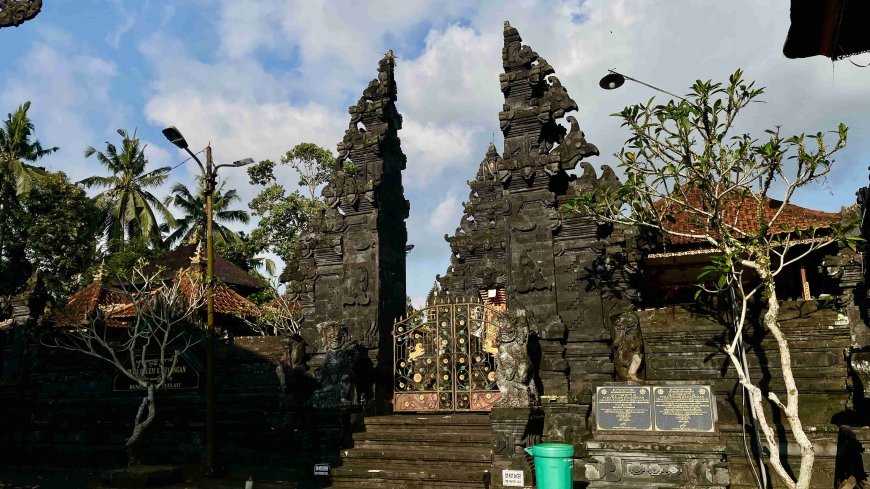
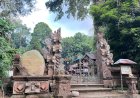
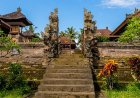
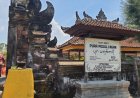
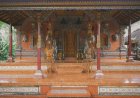
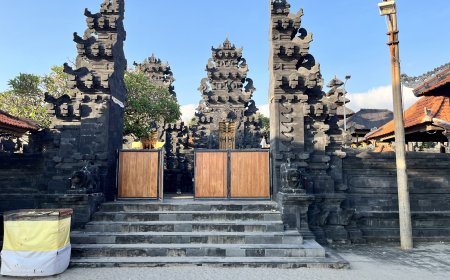
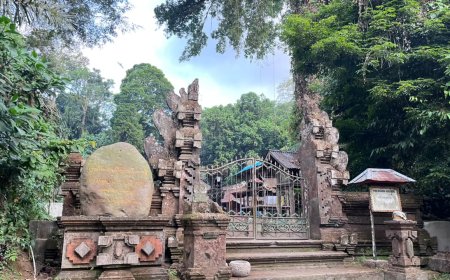
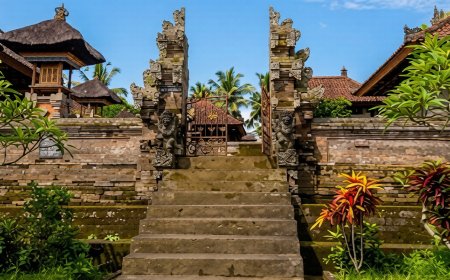
Dalem Khayangan Temple (Source: Personal Collection)
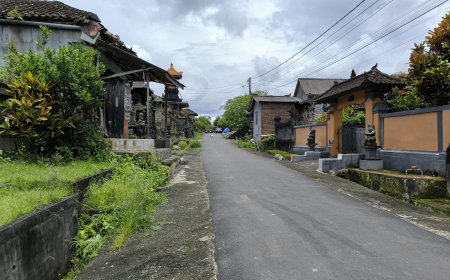
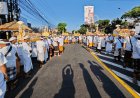
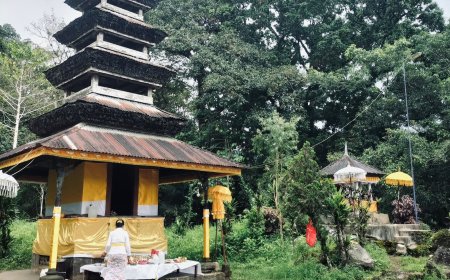
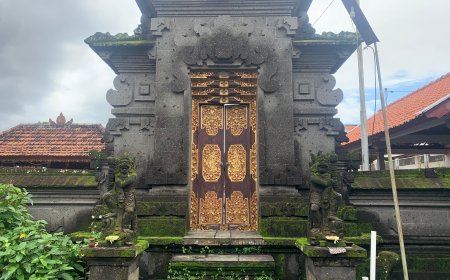
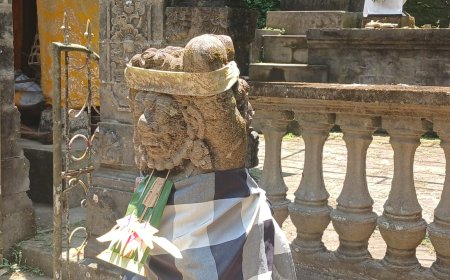
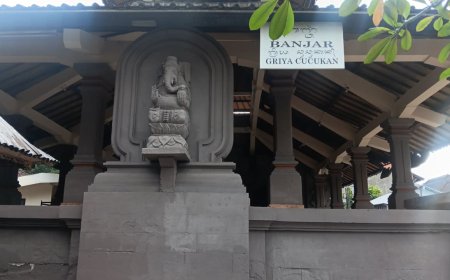
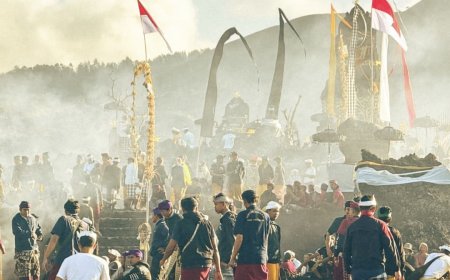
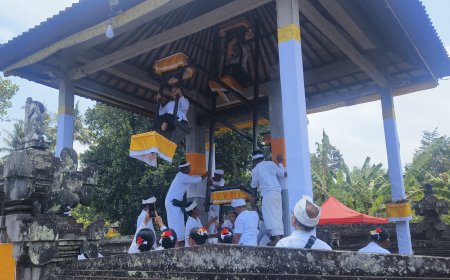
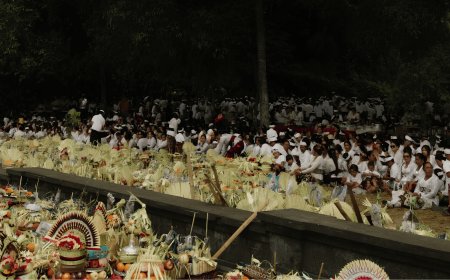
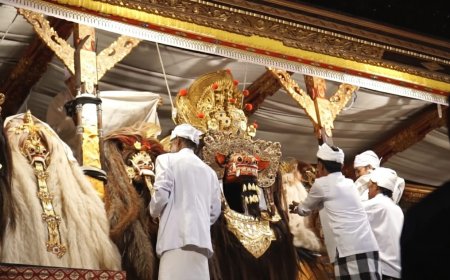
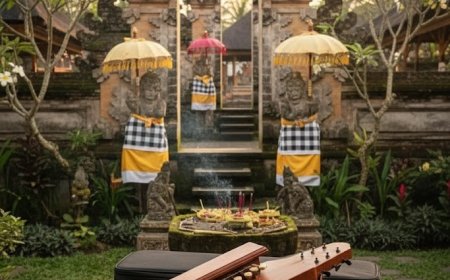
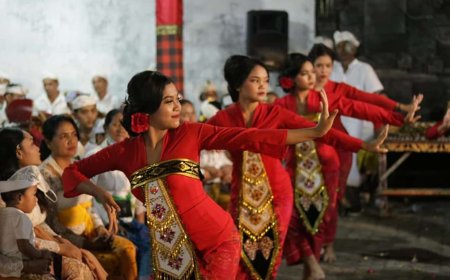
In addition to the natural beauty and folklore, Desa Kuwum also holds deep spiritual significance. Dalem Kahyangan Temple, located in Banjar Adat Nyelati, is one of the most important temples in the life of the Hindu Balinese community. As part of the Tri Kahyangan Temple system (Pura Desa, Pura Puseh, and Pura Dalem), this temple plays a central role in maintaining the spiritual balance of the local community. The religious ceremonies held at this temple serve as a bridge between humans, nature, and God, reinforcing the values of life that the village residents uphold.
Desa Kuwum is a harmonious example of how nature, culture, and economy can work side by side. The enduring agriculture sector, the living folk tales, the religious activities that strengthen spiritual values, and the growing potential of the creative economy all shape this village's identity as a captivating tourist destination. With all the natural beauty and culture it possesses, Desa Kuwum has successfully combined tradition and modernity, making it a place that is not only rich in stories but also full of opportunities for a sustainable future.