






Practicing Arts Among the Hills: The Story of Sanggar Graha Kumara Santih in Culik Village, Karangasem
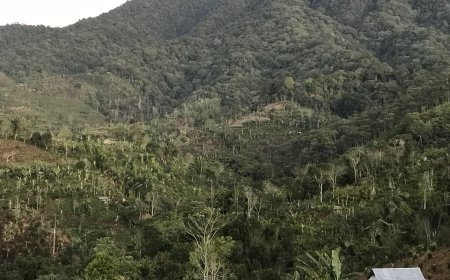
Graha Kumara Santih Art Studio is a center for Balinese traditional arts education that has grown and developed amid the hills of Culik Village, Karangasem. The studio serves as a place to learn, devote, and nurture a love for the arts among the younger generation through living and grounded cultural practices.
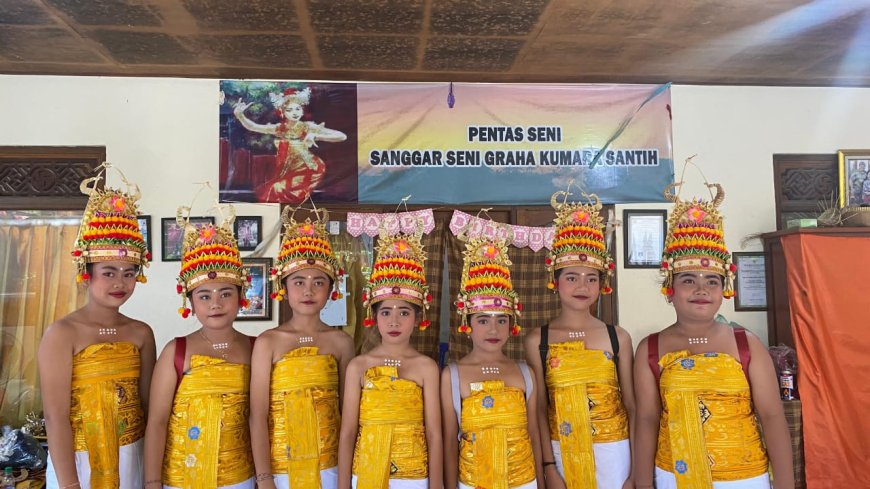
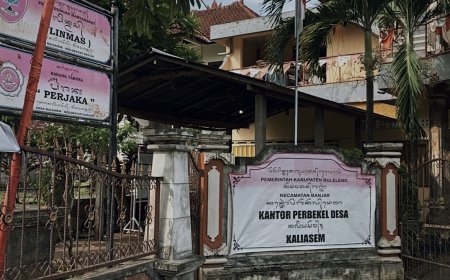
Graha Kumara Santih Art Studio is located in Banjar Geria, Culik Village, Abang District, Karangasem Regency, and has become an integral part of the local community’s artistic life. The studio functions as a space for arts education for children to adults, as well as a place for preserving cultural and spiritual values passed down from generation to generation.
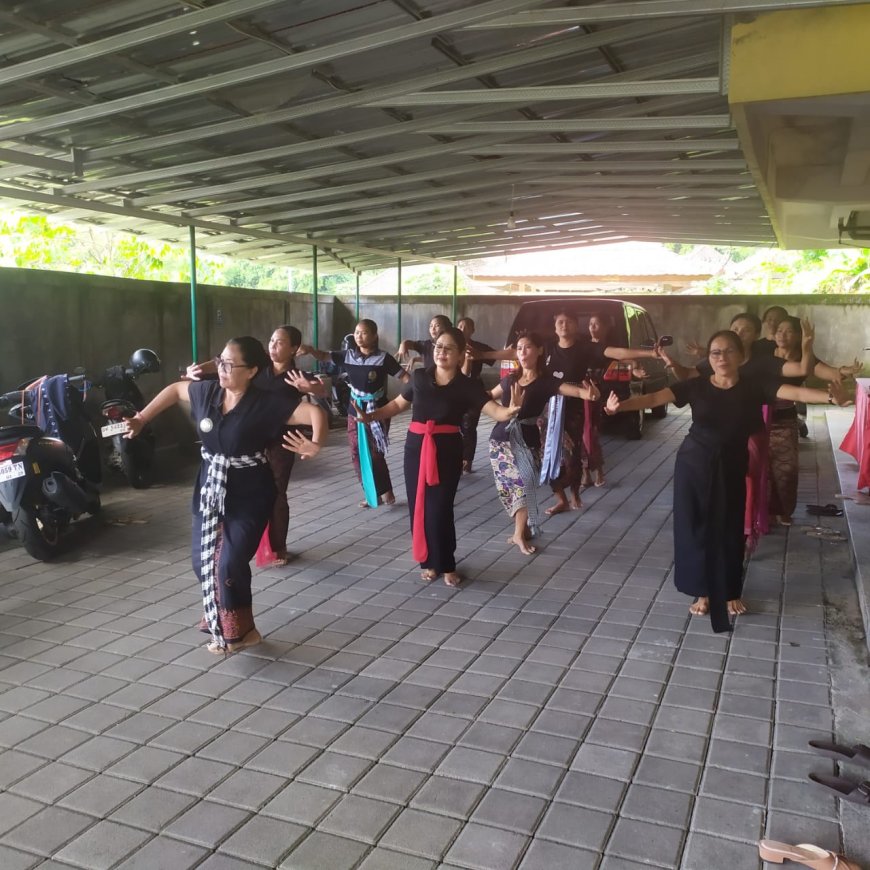
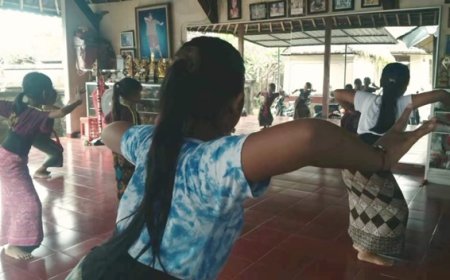
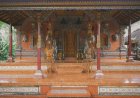
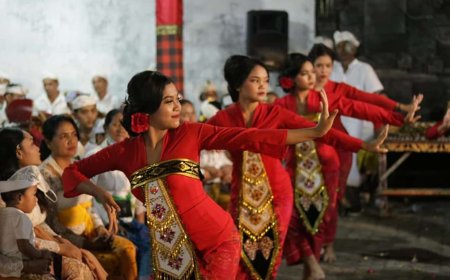
Dance Practice at Graha Kumara Santih Art Studio (Source: Personal Collection)
The studio is led by Ida Ayu Ketut Santi Wiryani, who has been teaching traditional Balinese dance to children in her neighborhood since around 1990. Guided by a calling of the heart and the artistic heritage inherited from her parents, she teaches without formal academic training in the arts, relying instead on the traditional knowledge of her ancestors that she has deeply embraced.
In its early days, training activities were conducted simply in the family courtyard, free of charge. Over time, the children under her guidance frequently performed ngayah at temples and various community events, which gradually increased public interest. In 2002, the training space was officially named Graha Kumara Santih Art Studio and began to be widely recognized as an art studio in Culik Village.
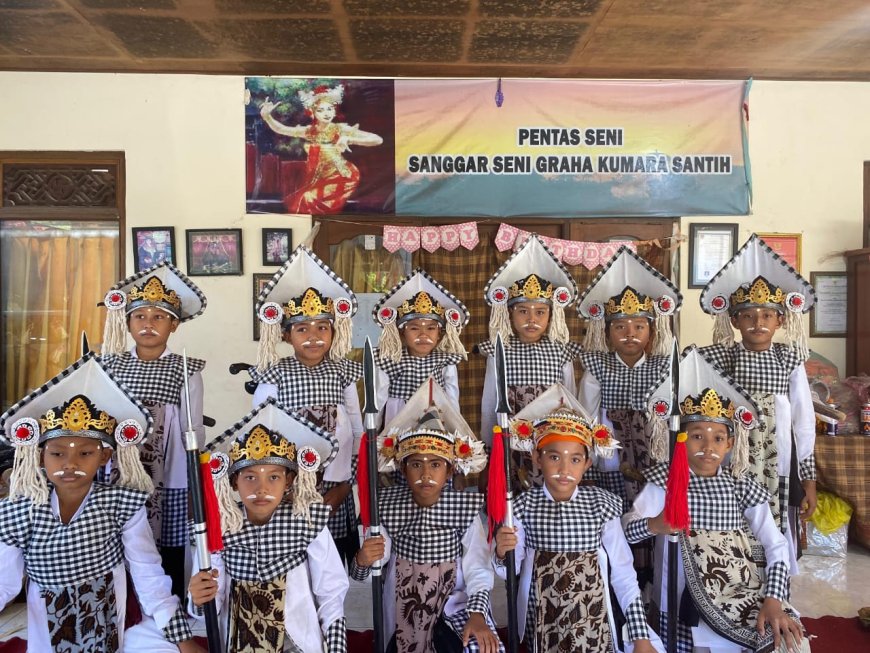
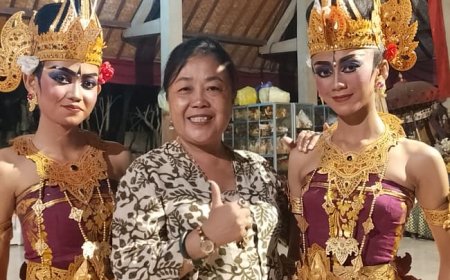
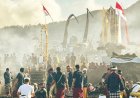
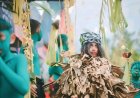
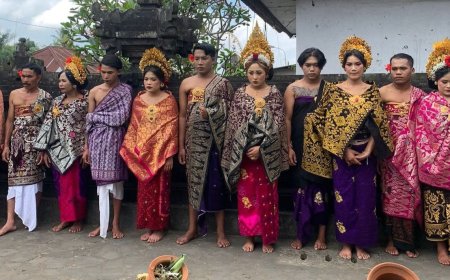
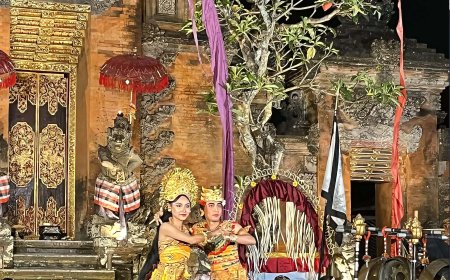
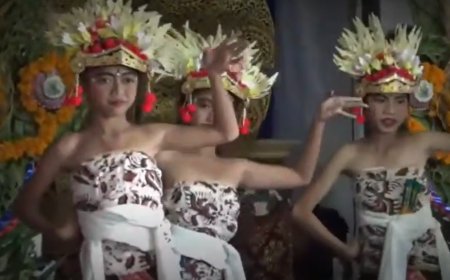
Baris Gede Dancers (Source: Personal Collection)
The name Graha Kumara Santih carries profound meaning. Sanggar Seni refers to a gathering place for various art forms, Graha means house or place, Kumara means children, and Santih signifies peace. Altogether, the name reflects the hope that the studio becomes a home where children seek peace through the arts, fostering brotherhood, harmony, good manners, and mutual respect.
As it continues to grow, the studio teaches a wide range of artistic disciplines, from Rejang Dance and Baris Gede as compulsory dances in line with the studio’s philosophy, to entertainment dances and modern Balinese literary arts such as masatua, storytelling, poetry, dharmawacana, and pidarta. In addition, the studio also provides training in Balinese- and Indonesian-language drama, and has previously coached baleganjur ensembles with women from the Culik Village PKK group for ngayah and ceremonial purposes.
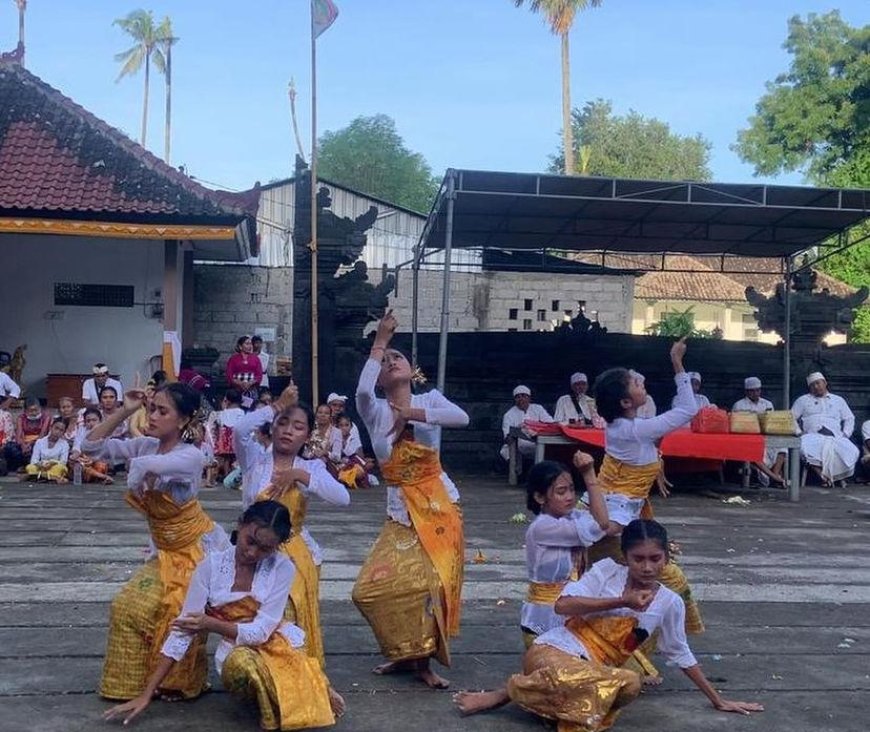
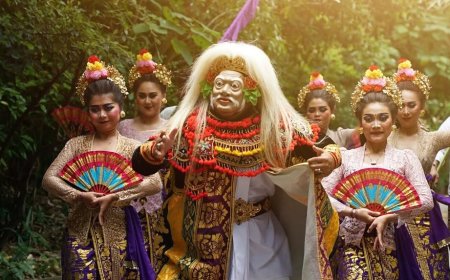
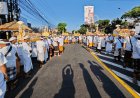
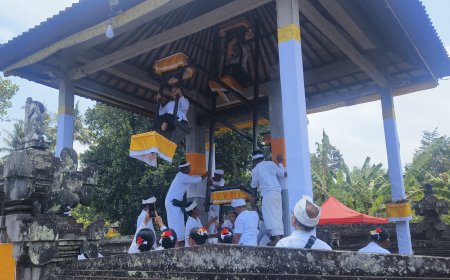
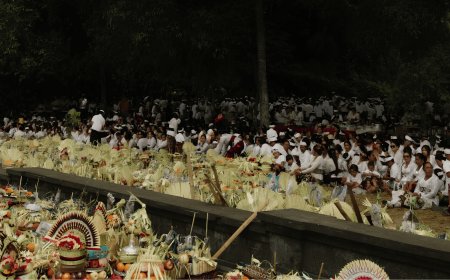
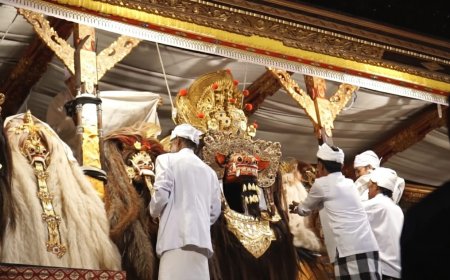
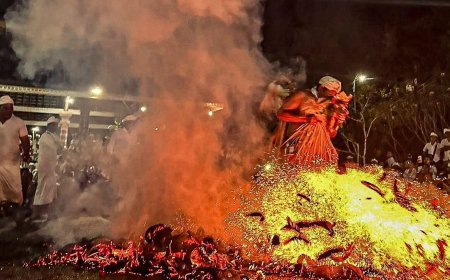
Dancing during the Piodalan at Pura Tri Kahyangan, Culik Village (Source: Personal Collection)
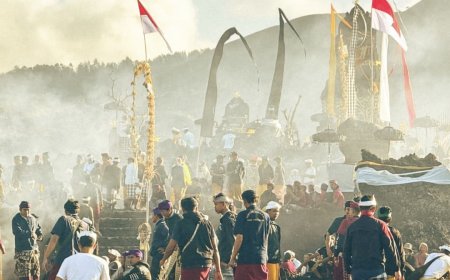
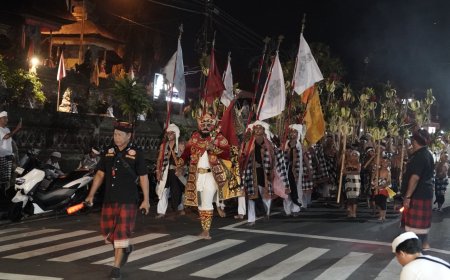
The studio’s motto, “Dancing for Yadnya,” is realized through its regular involvement in piodalan ceremonies at Pura Tri Kahyangan of Culik Village and pecaruan rituals at the village crossroads during Kesanga Day, involving dozens of dancers. Despite facing challenges such as limited funding, a shortage of instructors, and the need for support in staging performances, the studio continues to persevere with the hope that the younger generation will continue to love the arts, and that greater attention and recognition from the government will be given to sustain small community-based art studios across Bali.