





Silence from the Deep: The Mystery of the Sacred Light at Pura Konco Siwa Buddha, Balangan's Dark Cave
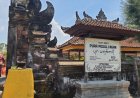
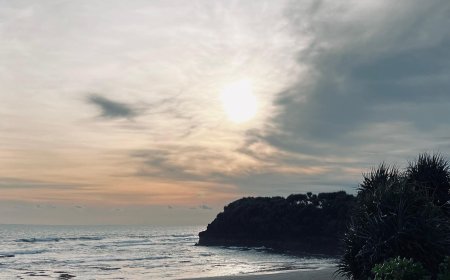
Behind the charm of Balangan Beach's waves, Pura Gua Gelap (Konco Siwa Buddha) is hidden in the silent belly of the earth. Not merely a tourist destination, this place offers a spiritual journey into the self, presenting eternal silence and harmony amidst the hustle and bustle of South Kuta, Bali tourism.

Traces of the Time Tunnel Beneath the Cliff
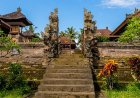
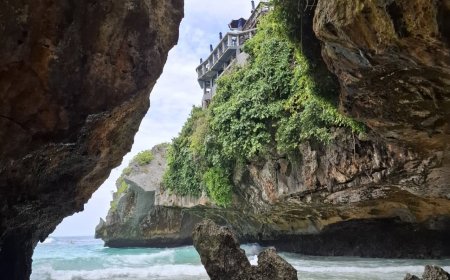
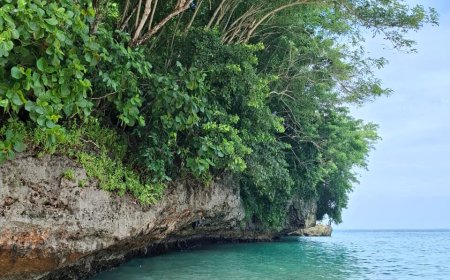
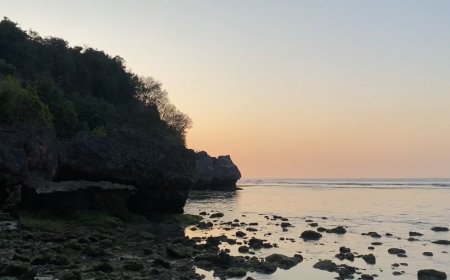
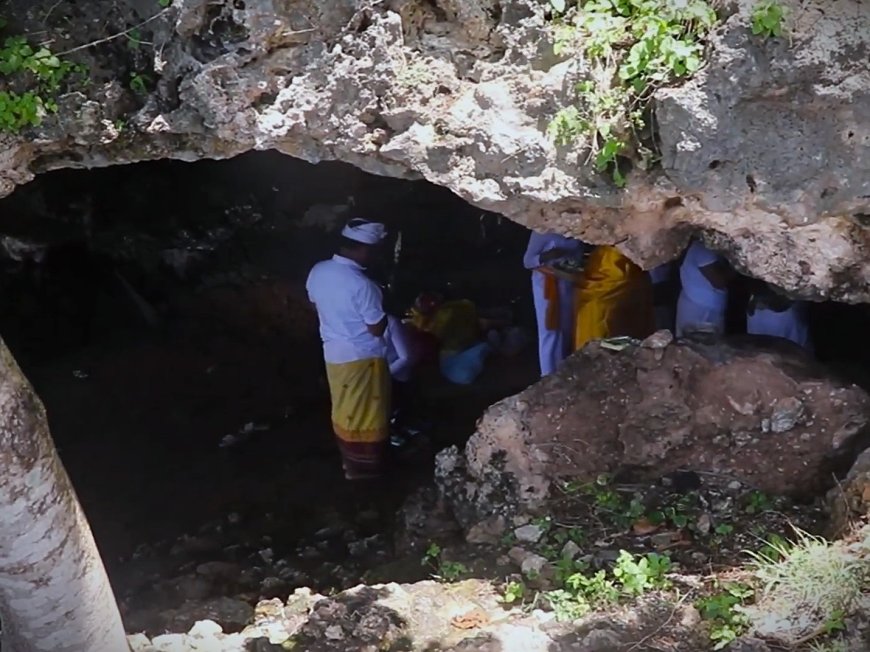
Access to Pura Gua Gelap is an adventure in itself. Visitors must tread on a footpath and stairs that take them down from the height of the cliff toward the shoreline. Its location which is hidden in the crevices of coral rocks makes its existence often escape the view of ordinary tourists.
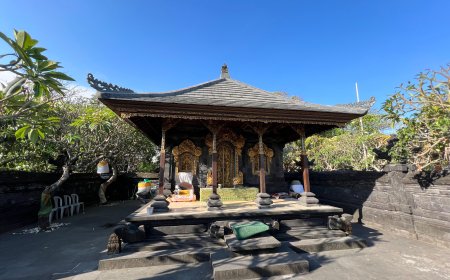
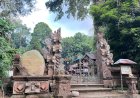
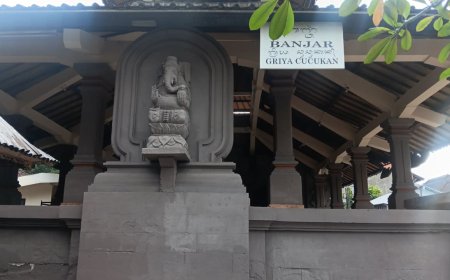
The existence of this holy place began to be widely known around 2017 by Jero Mangku Gede, a priest who has long dedicated himself (ngayah) at this Temple, he became a key figure in maintaining this place. The rediscovery of this cave's spiritual function began from niskala indications that led to the cleaning of the area. Interestingly, when the area inside this cave was cleaned and arranged, it was found that this cave actually already possessed an arrangement of shrines and traces of old worship places. This indicates that Pura Gua Gelap is not a newly created place, but rather an old site that had "slept" and has now risen again to serve the people who need tranquility.
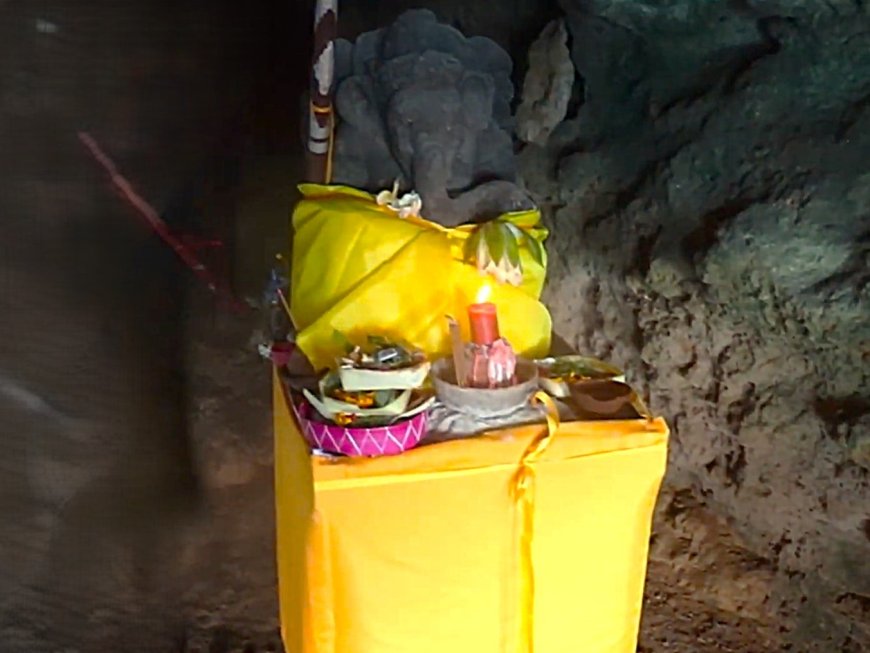
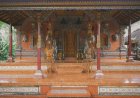
Pelinggih at Pura Konco Siwa Buddha Gua Gelap (Source: Personal Collection)
The Meeting of Three Beliefs
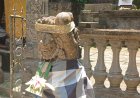
One of the most special attractions that makes Pura Gua Gelap unique compared to other holy places in Bali is its very thick atmosphere of tolerance. Amidst issues of difference that often sharpen in the outside world, inside the dimness of this humid cave, the partitions of belief differences actually melt into one. This temple represents a very strong Shiva-Buddha harmony. Physically, this cave has a natural contour that is terraced. Inside, there are shrines or altars that are not only breathed with Balinese Hindu, but are also thick with Chinese nuances (Buddha). Red ornaments typical of a temple or "Konco" sit harmoniously side by side with poleng cloth or white-yellow cloth typical of Bali.
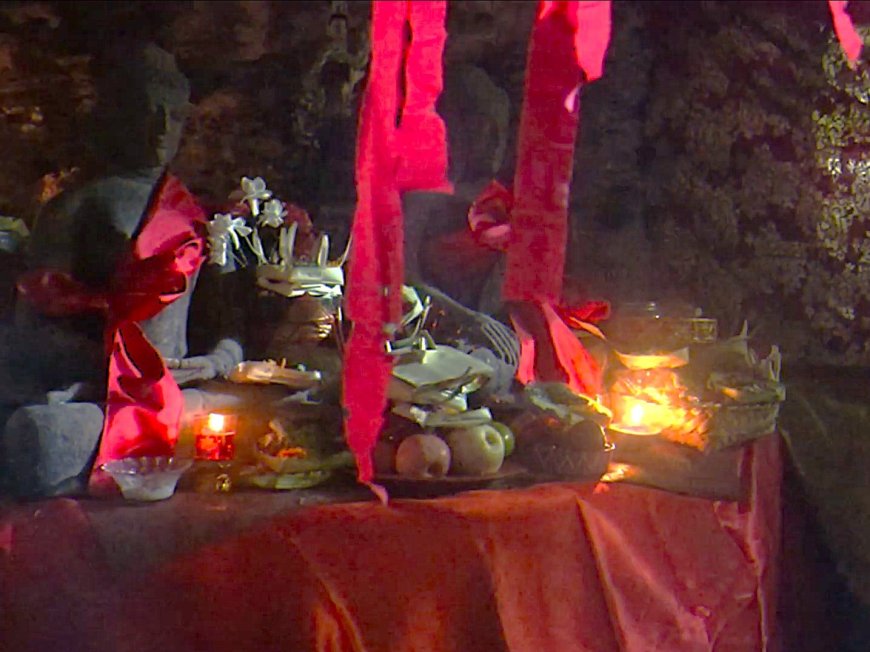
Buddhist Worship Area at Pura Konco Siwa Buddha Gua Gelap (Source: Personal Collection)
Not stopping there, the diversity in this place also embraces Muslim brothers.
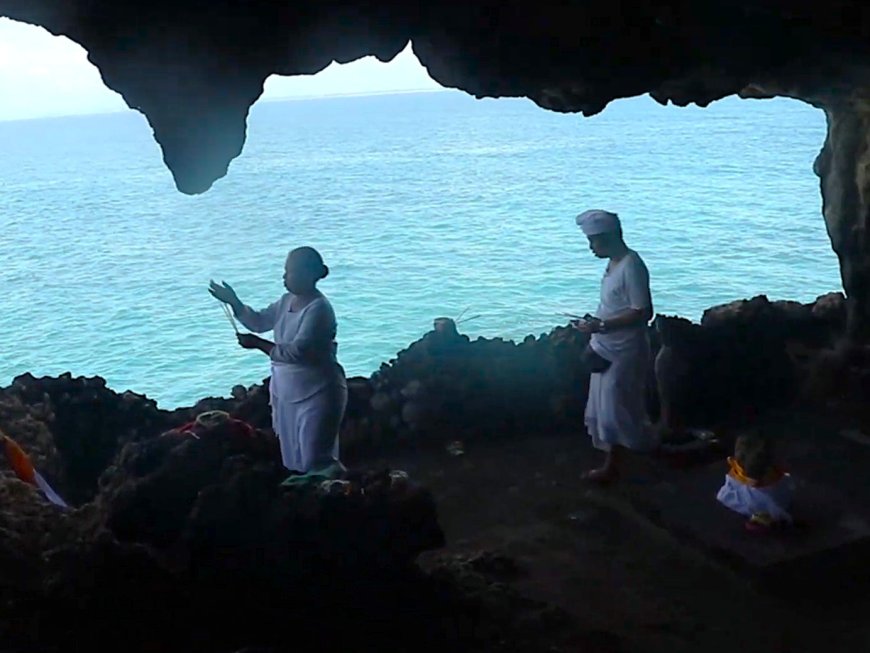
Atmosphere Inside Pura Konco Siwa Buddha Gua Gelap (Source: Personal Collection)
Life Tranquility at Pura Gua Gelap
Many pilgrims or pemedek who come to Pura Gua Gelap with various life burdens.
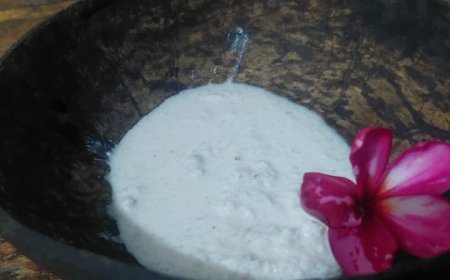
In Balinese tradition, this process of calming oneself is often accompanied by the ritual of melukat (self-purification). Young coconut water (bungkak) which is often used in this ritual medically contains electrolytes that are good for the body.
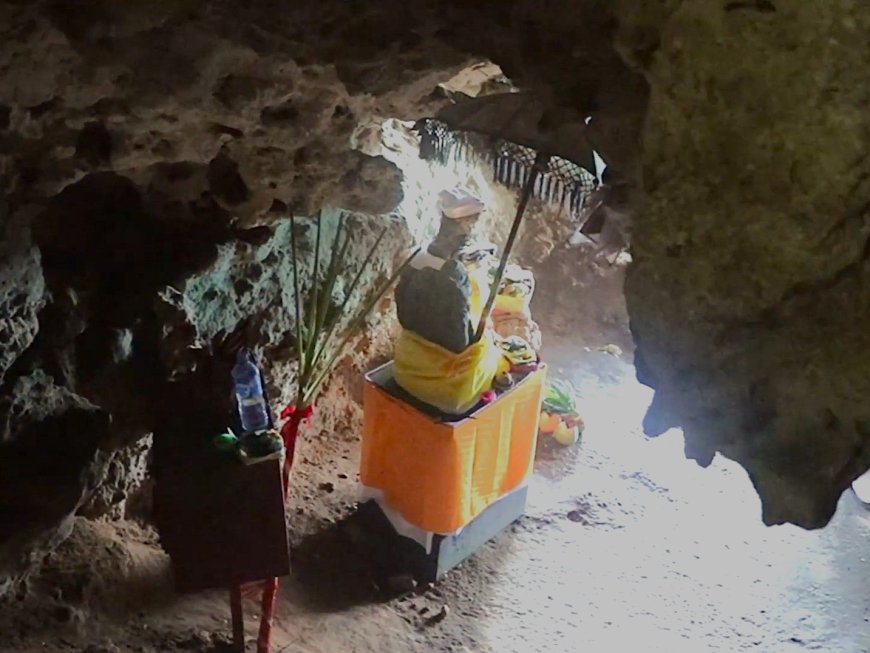
Stalactites and Stalagmites on the Walls of Pura Konco Siwa Buddha Gua Gelap (Source: Personal Collection)
Maintaining Geological and Spiritual Preservation
As a site located inside a natural cave, Pura Gua Gelap faces real preservation challenges. Limestone caves are fragile ecosystems. Stalactites and stalagmites that decorate the cave walls are formed through a process of thousands of years and are very sensitive to human touch or drastic temperature changes. Therefore, every visitor who comes must obey ethics. Not only spiritual ethics such as dressing modestly and guarding speech, but also environmental ethics. Excessive use of incense is feared to disturb the limited air circulation inside the cave. Cleanliness is also non-negotiable, plastic waste as small as anything must not be left inside this belly of the earth.
Pura Gua Gelap in Balangan is a reminder for modern humans who are often too busy looking out, to the point of forgetting to look within. In this place, darkness is not something scary, but rather a soothing blanket. Its existence teaches us that to find "light", be it solutions to life problems, health, or peace. We sometimes need to step aside for a moment from the crowd, enter into silence, and make peace with ourselves. At the bottom of this cave, spirituality and logic meet in one point of harmony.