









Sanggar Seni Tindak Alit: Reviving Tradition Through the Ngelawang Parade at the Bali Arts Festival
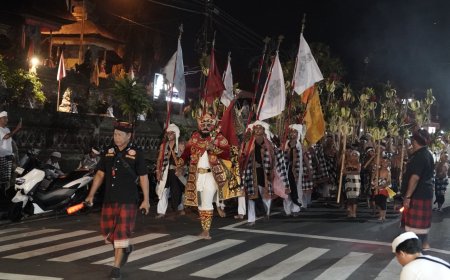
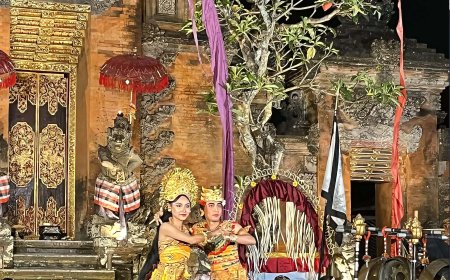
The Bali Arts Festival (PKB) has always been a grand stage that brings together a variety of artistic and cultural expressions from all corners of Bali. During this event, the audience is not only treated to the aesthetic beauty of the arts, but also invited to explore the meaning, philosophy, and spiritual energy that accompanies them. One of the performances that added a different flavor to this year's PKB was the Ngelawang parade presented by the Tindak Alit Art and Culture Studio in collaboration with the Badung Regency Ambassador and Yowana Desa Adat Sempidi with the theme Nangiang Warih.

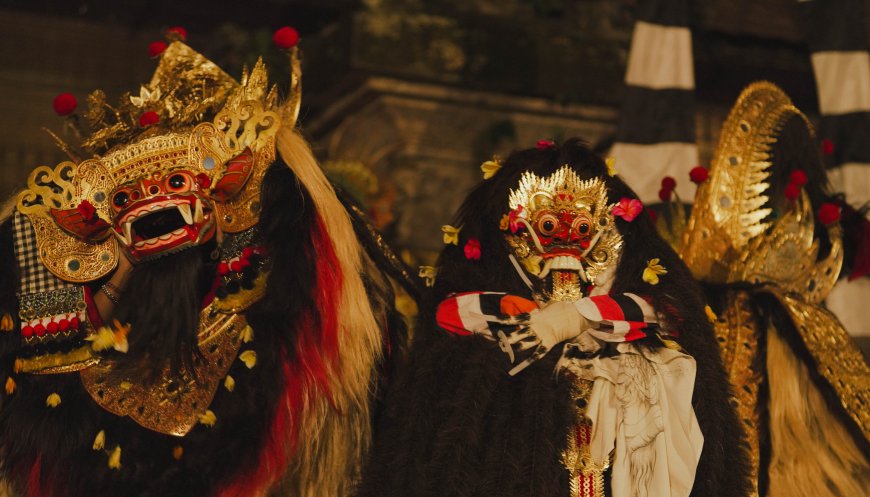
This parade was not just an entertainment show, but a soulful call to return to caring for the almost forgotten heritage of our ancestors. Amidst the hustle and bustle of modernization, the Tindak Alit Art Studio came with the spirit of reviving the Barong Sempidi performing arts that had been successful in the 1960s. At that time, Barong was not only a tourist attraction, but also a symbol of identity and a spiritual medium for the community. Unfortunately, over time, the performances faded and left behind memories and artifacts that were almost neglected. It was from this situation that the determination arose to revive the spirit of art through the PKB stage.
Ngelawang itself has a very deep meaning. This tradition is derived from the word lawang, which means door, symbolically interpreted as a journey from one place to another to bring cleansing and protective energy. The Barong carried in this tradition is believed to be able to ward off evil and cleanse the environment of negative things. More than just a spectacle, Ngelawang is a ritual that unites the religious, social, and spiritual values of the community.

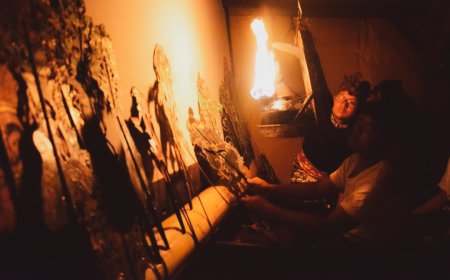
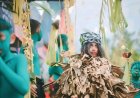
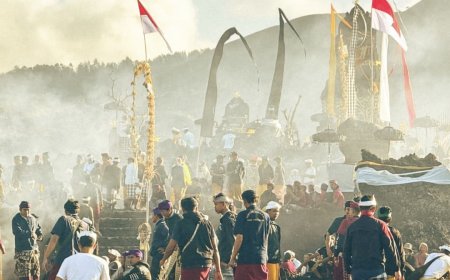
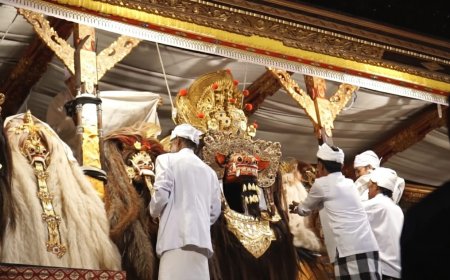
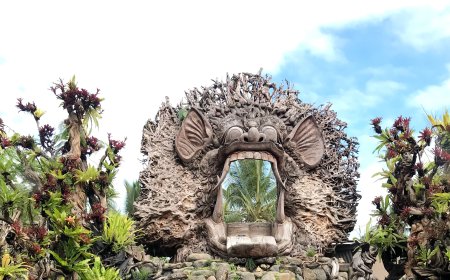
The Barong Sempidi performance, revived through the Ngelawang parade (Source: Personal Collection)
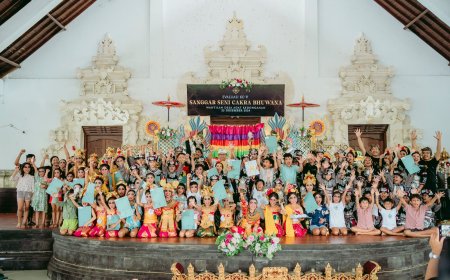
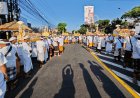
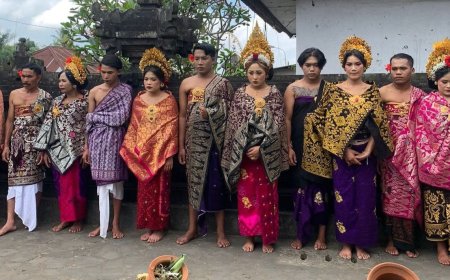
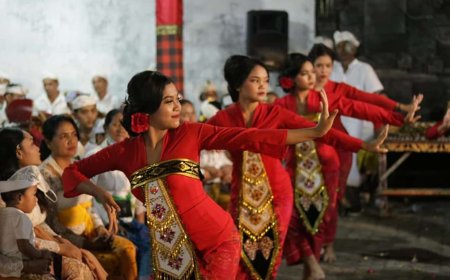
When the Tindak Alit Art Studio presented the Ngelawang parade at PKB, the sacred and festive atmospheres blended beautifully. Not only were movements and drumming presented, but also philosophical values that were being revived. The younger generation, who are members of Yowana Desa Adat Sempidi, played a major role in this performance. They are not only artists, but also cultural heirs who are committed to preserving traditions.
The presence of the Ngelawang parade at PKB also reminded the public that art does not belong solely to the past. It is precisely from this heritage, which had almost been forgotten, that a new spirit was born to present works that are deeply rooted in tradition, yet remain open to the younger generation to reinterpret in the context of the present. PKB is the ideal space for such efforts, because the event not only celebrates aesthetics, but also serves as a forum for education and the transmission of cultural values.

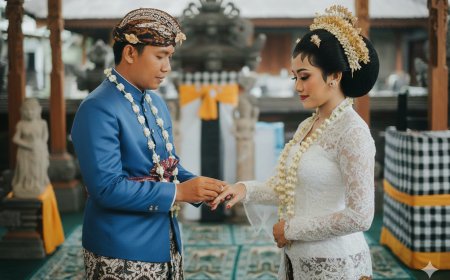
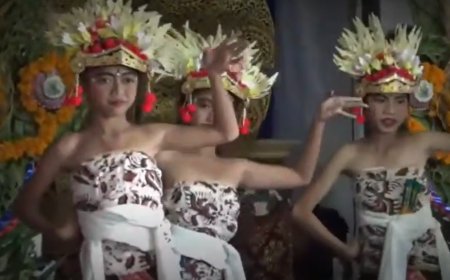
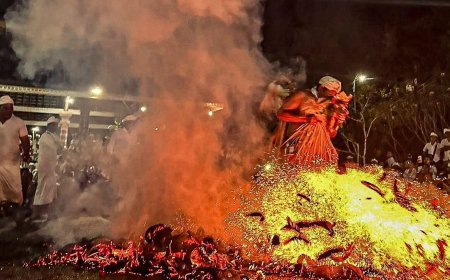
The young generation of Yowana Desa Adat Sempidi as heirs to tradition (Source: Personal Collection)
The Ngelawang parade by the Tindak Alit Art Studio carries the message that preserving the heritage of our ancestors is not enough just by keeping relics or storing stories in our memories, but must be manifested in a tangible form that can be felt by the wider community. Through the PKB stage, this message was beautifully conveyed.
By performing at an event as big as PKB, the Tindak Alit Art Studio successfully demonstrated that the revitalization of traditional arts is not only possible, but can also be a source of pride and inspiration. The Ngelawang they presented was a form of respect for their ancestors as well as an offering to current and future generations.