












The History of Alas Angker Temple: Tracing the Journey of Rsi Markandeya in Bali
Alas Angker Temple in Kerta Village, Payangan District, Gianyar, holds a long and meaningful history. As a sacred place of worship for Hindus, this temple is closely associated with the journey of Rsi Markandeya, an important figure in Balinese Hindu tradition. Surrounded by the beauty of lush nature, this temple offers a serene atmosphere rich in traditional values.

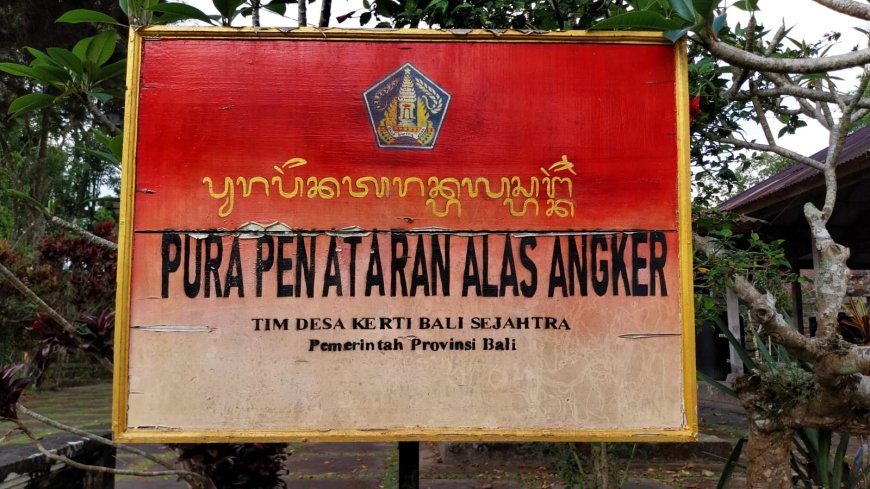
Alas Angker Temple, located in Kerta Village, Payangan District, Gianyar, Bali, holds a history closely tied to the journey of Rsi Markandeya in spreading Hindu teachings on the island of Bali. In the Payangan area, Rsi Markandeya and his followers meditated and cleared land, though this area was not the initial settlement for their new life. His long journey was filled with challenges, including an outbreak of disease that afflicted his followers. To this day, Alas Angker Temple stands as a reminder of Rsi Markandeya's struggle and bravery in spreading Hindu teachings in Bali.
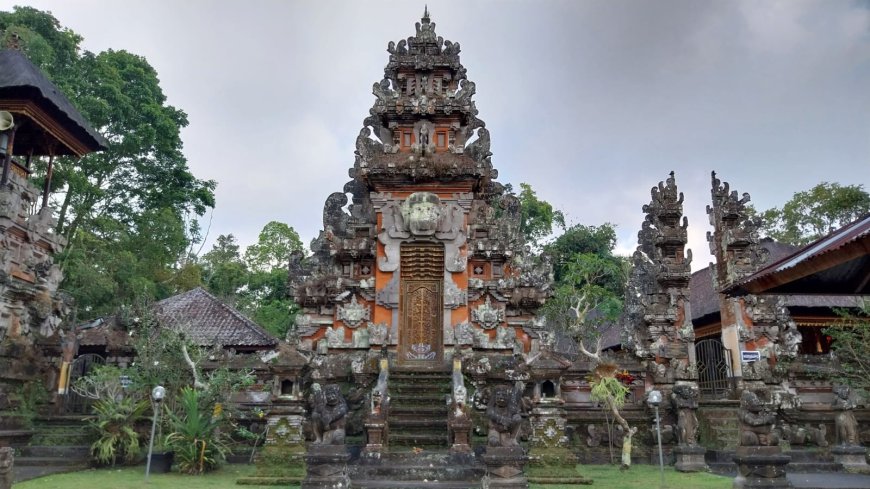
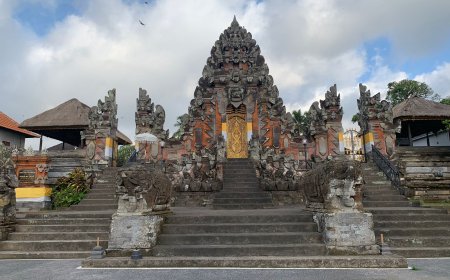
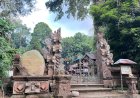
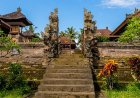
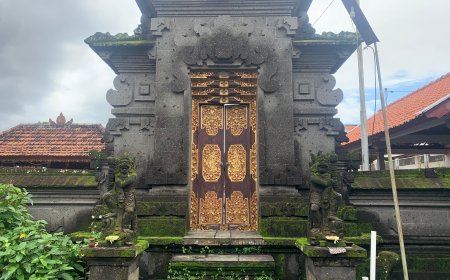
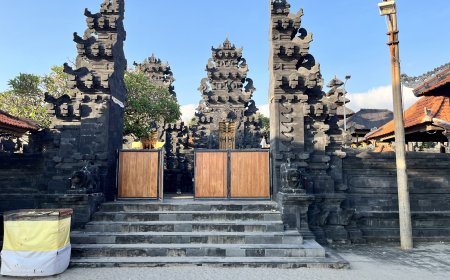
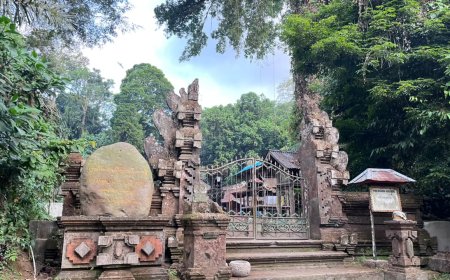
Kori Agung Alas Angker Temple (Photo Source: Personal Collection)
Rsi Markandeya was a yogi and Hindu priest of the Siwa Tatwa tradition from India who came to the Nusantara archipelago in the early 8th century CE. After residing in Central Java, he continued his journey to East Java and meditated on Mount Raung. From there, he journeyed to Bali, which later became the center for spreading the teachings he brought. Together with his followers, he traversed untamed forests that were still wild and untouched by humans. At one point, he meditated in a place that would later be known as Payangan, after seeing auspicious signs that he believed indicated a blessed location.
However, the effort to clear land in the area was not without challenges. Rsi Markandeya and his followers faced a significant obstacle in the form of a disease outbreak that threatened their safety. In these difficult circumstances, Rsi Markandeya prayed to Hyang Widhi for safety and healing. With prayers full of conviction, the outbreak was successfully overcome. The location where he prayed and sought protection was later named Alas Angker. Alas Angker Temple was built as a symbol of prayer and protection for Hindus in the area.
Over time, this region became fertile and ideal for agriculture. Abundant harvests brought prosperity to the community, leading to the area being named Kerta, meaning prosperous. This name serves as a reminder of the hard work of Rsi Markandeya’s followers in opening and cultivating land that was once difficult to access.
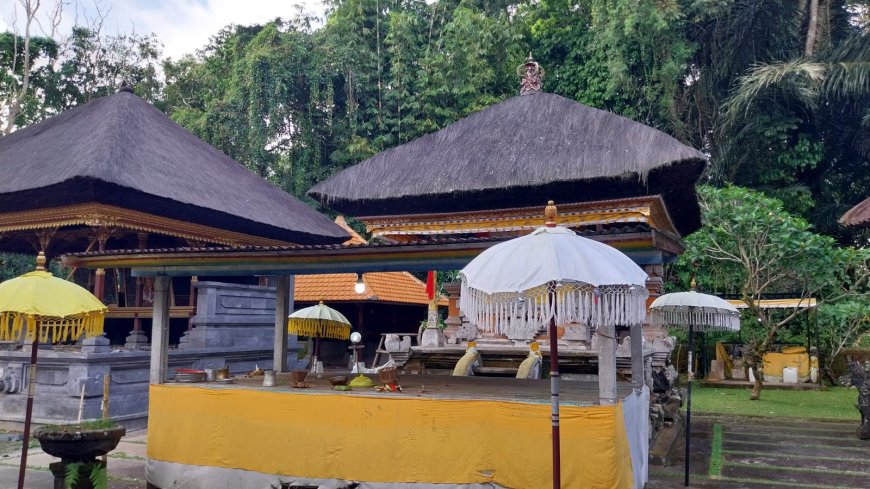
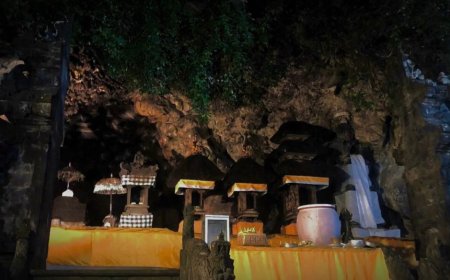
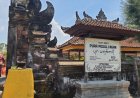
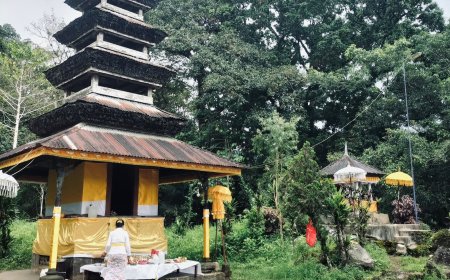
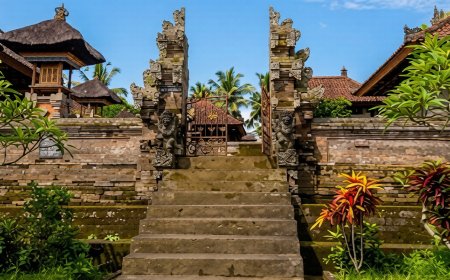
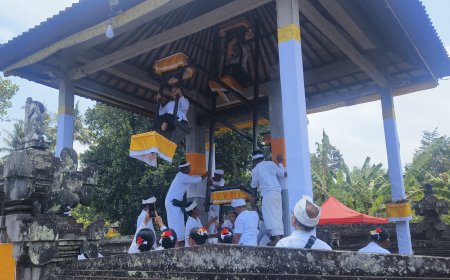
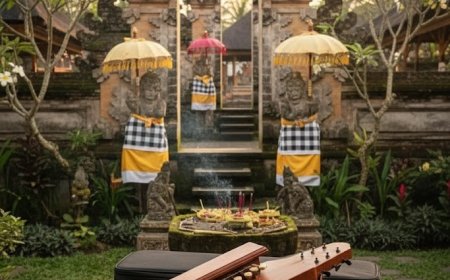
Shrines at Alas Angker Temple (Photo Source: Personal Collection)
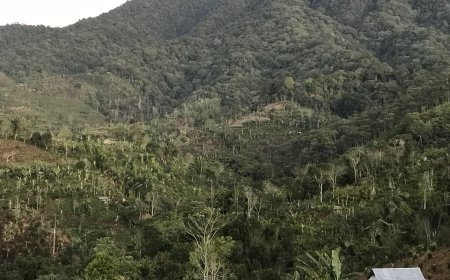
Alas Angker Temple is located at an altitude of about 600 meters above sea level and is surrounded by lush trees. The atmosphere of this temple conveys a sense of tranquility and sacredness, making it a place for Hindus to carry out various religious activities, such as prayer ceremonies. Alas Angker Temple, associated with Rsi Markandeya's journey, has become an important site in the spread of Hinduism in Bali. As a symbol of struggle and hope, Alas Angker Temple reflects the resilience of the community in facing challenges when opening new lands. Moreover, it serves as an important symbol of the long historical legacy of the Payangan area rich in local culture and traditions.
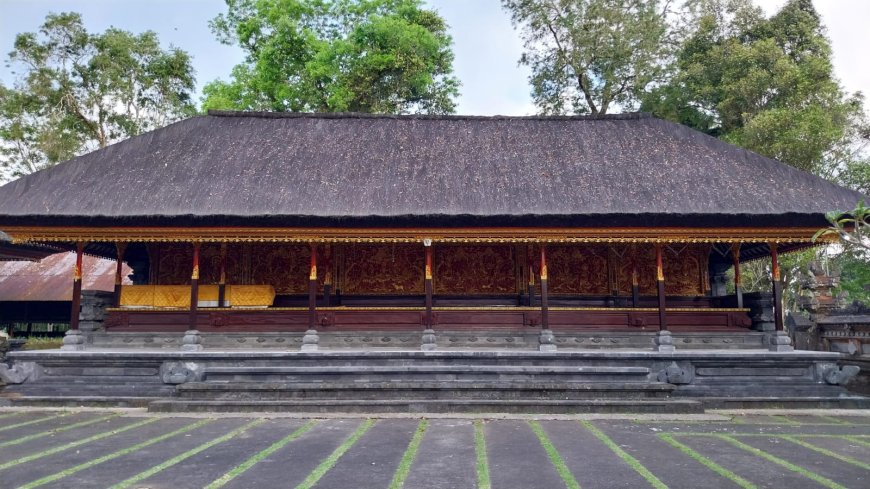
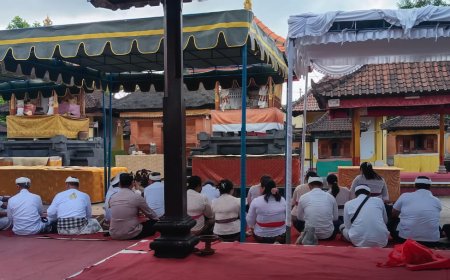
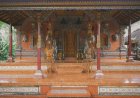
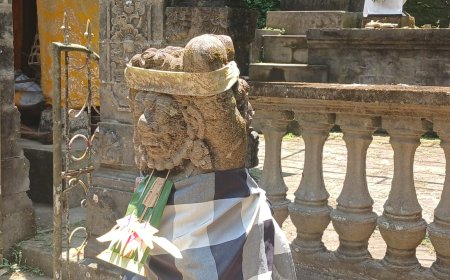
Bale Panjang in the Madya Mandala (Photo Source: Bale Panjang)