



Samobarong Sacred Spring: The Story of a Sacred Spring That Holds More Than Water, but Also the Heritage of the Ancestors
Deep in the forest of Tinggarsari Traditional Village lies the Samobarong Sacred Spring, a mountain spring that has long been believed to hold an important place in the lives of the local community. Its clear and cold water is not only used for bathing and melukat, but is also connected to stories of healing, meditation, and various beliefs passed down from one generation to the next. Despite the changes brought by modern times, the community continues to protect this spring so that its sacredness and natural beauty are not lost.

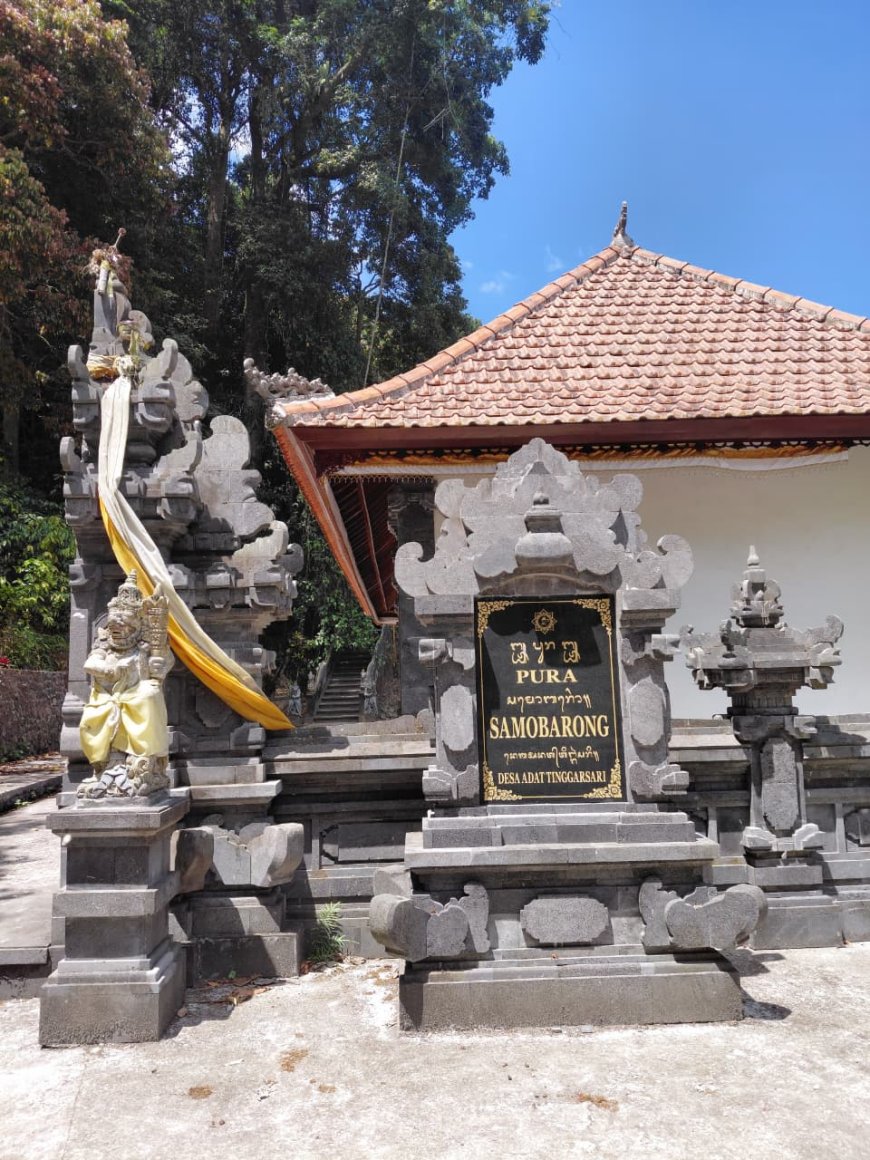
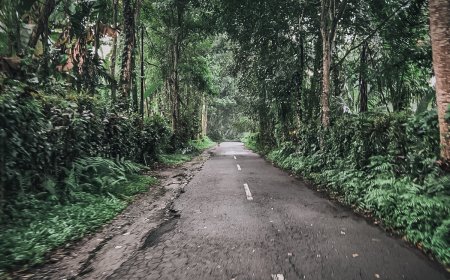
In the middle of the forest of Tinggarsari Traditional Village, Busungbiu District, Buleleng Regency, there is a spring that has long held a special place in the lives of the local people, known as the Samobarong Sacred Spring. It is located about two kilometers from the nearest residential area. Reaching the spring requires a journey through a forest filled with lush trees. Far from the noise of settlements, the cool air and the sound of flowing water create a peaceful atmosphere. This is where the Sacred Spring flows from a mountain source, with water known for its clarity and coolness.
For the people of Tinggarsari, the Sacred Spring is more than just a source of water. The spring has been known since around 1950, based on stories passed down by village elders and the Jro Mangku. There are no written records that clearly establish when the spring was first discovered. In the past, the Sacred Spring was very simple. The water was channeled through a bamboo spout, while the surrounding environment was left in its natural condition. The community made use of whatever materials were available around the area without significantly changing the spring. From its humble beginnings, the Sacred Spring continued to be known and preserved by the community until today.
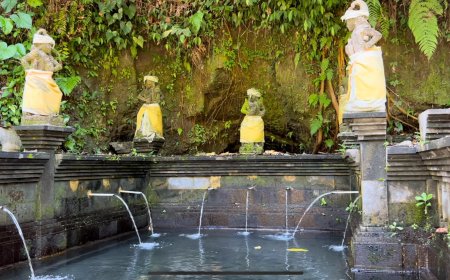
Since ancient times, the Sacred Spring has been used by the community as a place for bathing and melukat. For them, bathing in this place is not merely about cleaning the body, but is also part of a purification process believed to cleanse a person physically and spiritually. The clear, cool water from the mountain spring plays an important role in this practice. According to stories passed down within the community, the Sacred Spring is also believed to help heal internal wounds. In the past, some people came to the spring to perform purification rituals because they were believed to have been affected by supernatural influences or what is locally known as “cetik.” These stories are part of the community’s beliefs and oral traditions and therefore cannot be regarded as medical evidence. Nevertheless, they remain an important part of the history that gives the Sacred Spring its special meaning for the local people.
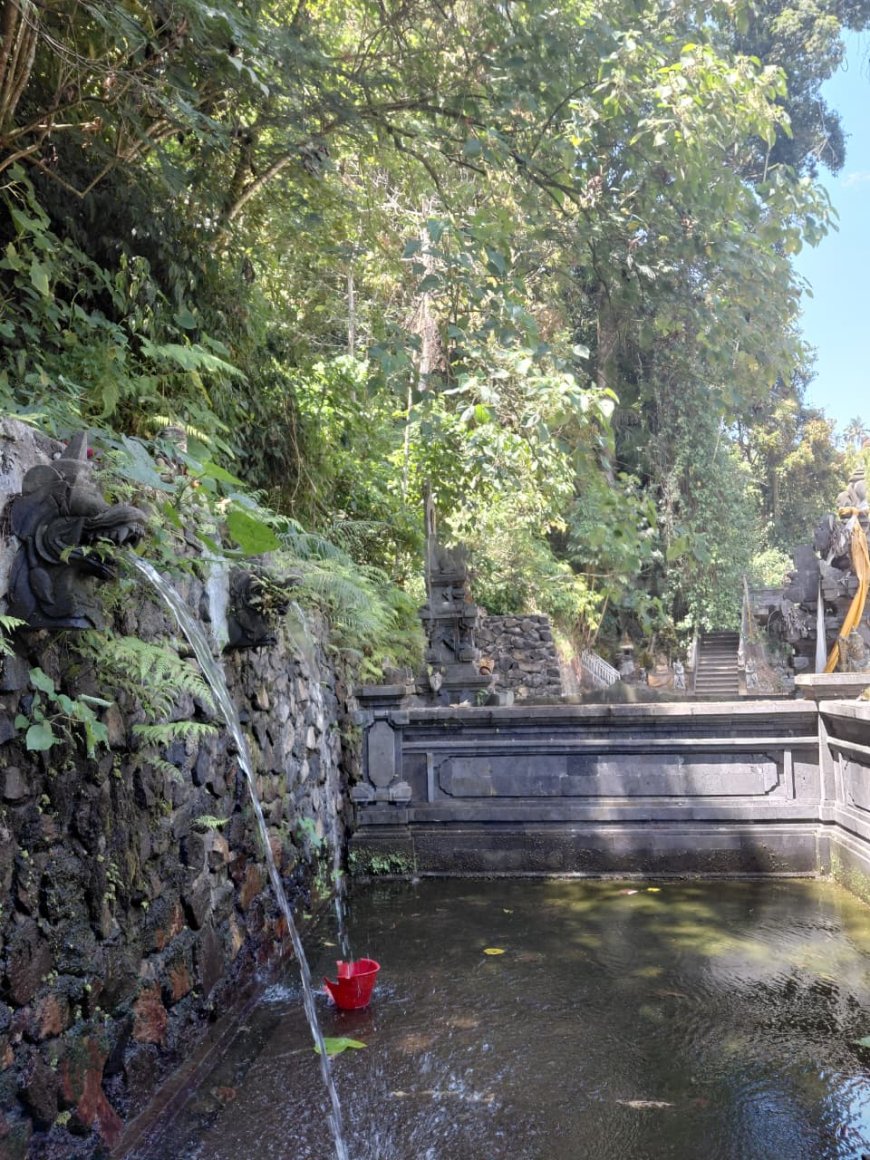
Figure 2. Sacred Spring Water Spout (Photo Source: Personal Collection)
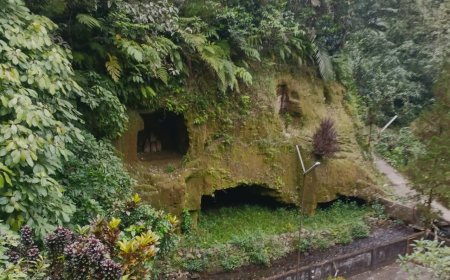
The atmosphere surrounding the Sacred Spring has also led people to associate the area with other spiritual activities. Located deep in the forest and far from residential areas, the spring is surrounded by a peaceful atmosphere away from the noise of everyday life. According to local stories, the area around the Sacred Spring was once used as a place for meditation and the study of certain spiritual knowledge. Around the temple area, there are cliffs and natural caves that are associated with places of meditation and ascetic practice. According to stories passed down through the community, one of these places was associated with a Peranda or priest who became known among the people as Ida Peranda Sakti. His story has become part of the oral history of the Samobarong area and adds to the spiritual stories surrounding the Sacred Spring.
Because of its special value, the Sacred Spring also has a taboo that is still known today. The spring must not be polluted or contaminated in any way. According to local belief, anyone who deliberately pollutes the spring may experience disturbances from large supernatural beings believed to inhabit the area. Such beliefs cannot be scientifically proven, but the taboo has an important influence on how people treat the spring. Visitors are reminded to maintain proper behavior, cleanliness, and the condition of the surrounding environment. In this way, the belief passed down through generations has also become a means of encouraging people to protect the Sacred Spring and keep it clean and natural.
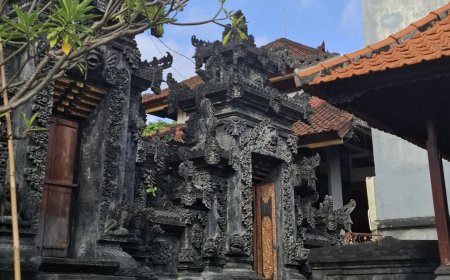
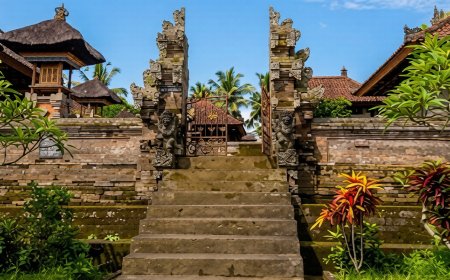
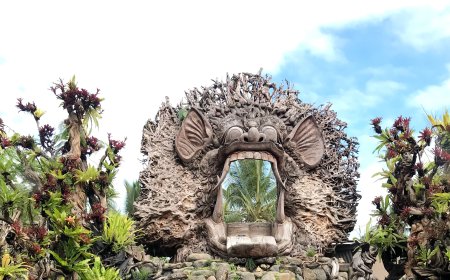
Over time, the Sacred Spring has undergone changes in terms of its physical arrangement. In the past, the water flowed through a simple bamboo spout. Today, the spout has been replaced by a stone structure decorated with traditional Balinese carvings in the shape of a dragon’s head. The surrounding sacred area has also been arranged using carved stones. Although the physical appearance has changed, the function and values associated with the Sacred Spring have remained intact. The improvements have made the area more organized while still preserving the meaning that has been attached to the spring for generations.
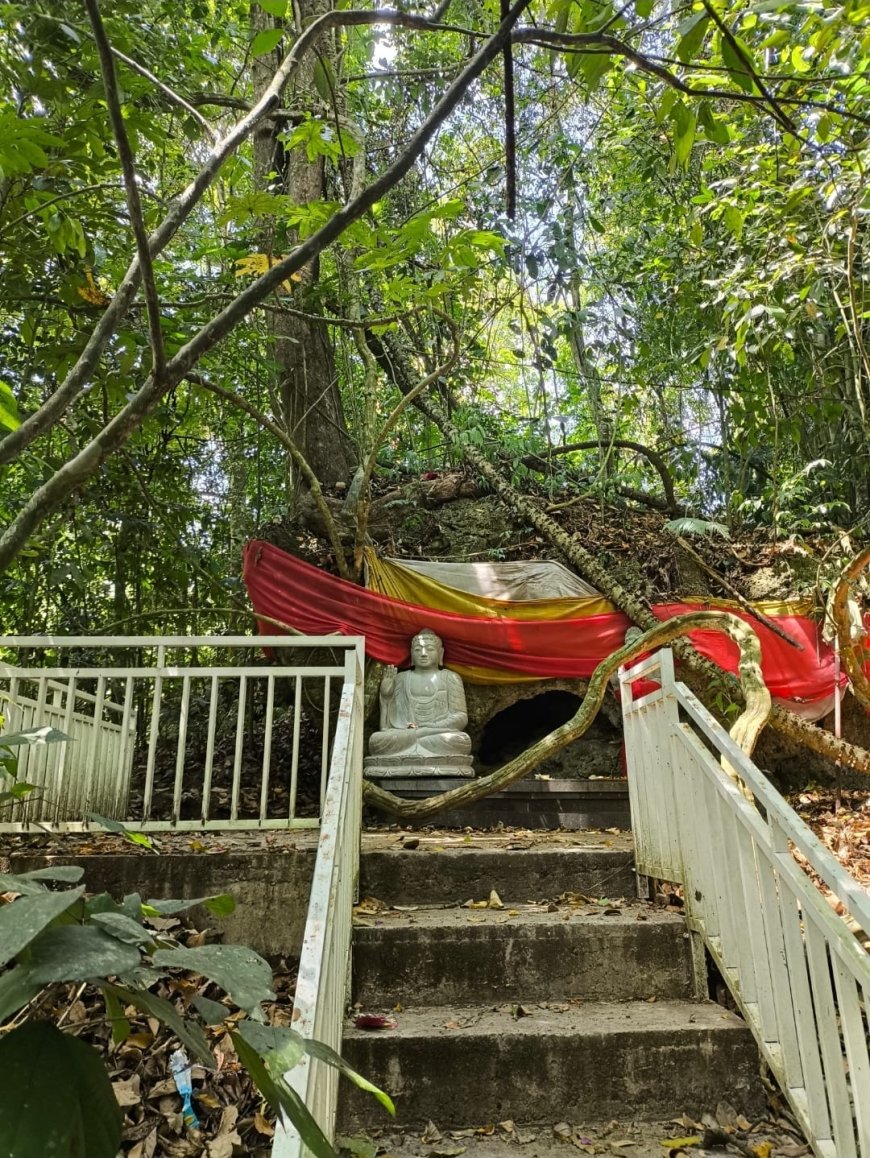
Figure 3. Buddhist Whorship State (Photo Source: Personal Collection)
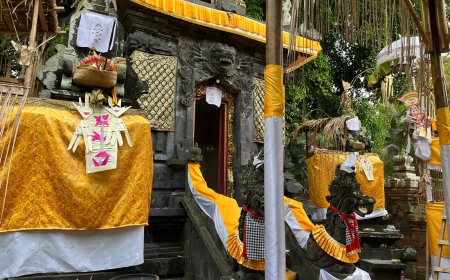
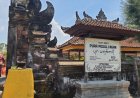
Above the Sacred Spring, still within the sacred spring and temple area, there is also a place of worship dedicated to the Buddha. According to local accounts, the site is located on a cliff within the Sacred Spring area. Its presence is one of the interesting features of the Samobarong area. Nevertheless, this place of worship and the other spiritual sites around it remain closely connected to the Sacred Spring as one of the central parts of the area. The spring is the place directly used by the community, while the surrounding landscape holds stories and beliefs that have been passed down from generation to generation.
One of the clearest examples of how the community views the Sacred Spring occurred in 2020. Because of its clear water and its origin in the mountainous area, the spring was once offered the opportunity to be developed into bottled drinking water similar to Aqua. From an economic perspective, such an offer could have provided financial benefits. However, the people of Tinggarsari Traditional Village chose to reject it. This decision shows that the value of the Sacred Spring cannot be measured solely in economic terms. The community chose to preserve the spring as part of their heritage, environment, and sacred place.
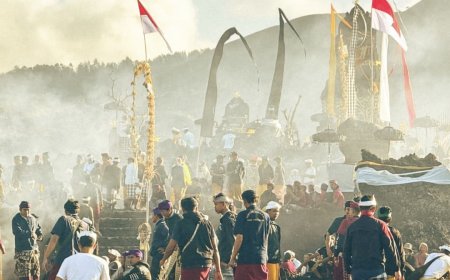
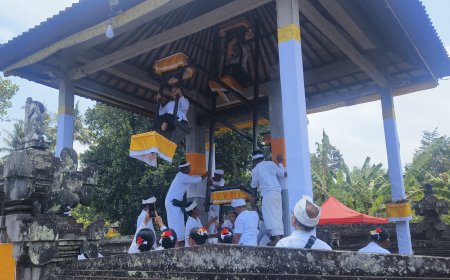
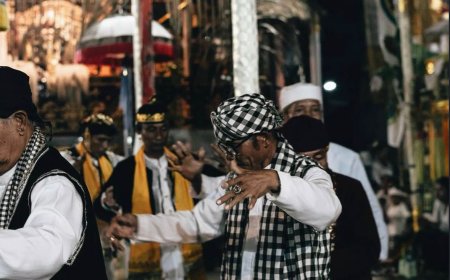
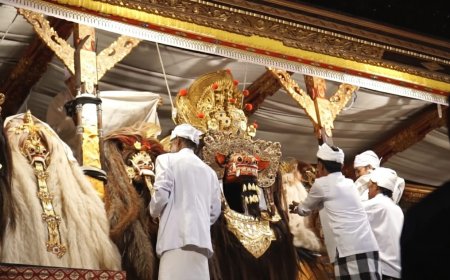
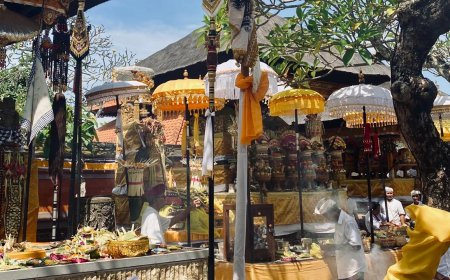
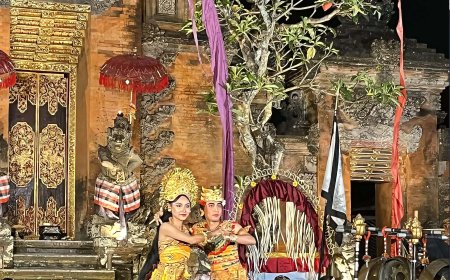
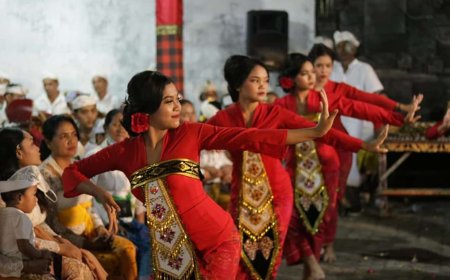
The community’s connection with the Samobarong area is also maintained through religious activities. One of these is the piodalan at Samobarong Temple, which coincides with Purnama Kapat, Saniscara Umanis Bale, Sasih Kapat 1948 Saka. During the piodalan, members of the community gather to perform prayers and carry out traditions that have been preserved from previous generations. One of the offerings that must be performed during the ceremony is the Tari Gandrung. The presence of this dance is not merely part of the ceremonial sequence, but also represents an effort by the community to preserve an artistic tradition that has been passed down through generations.
The name Samobarong itself also has its own story. In research concerning Pura Batur Samobarong, the elements samu or samo are associated with the meaning of meeting or gathering, while barong is associated with baruang, meaning tiger or wild cat. There is also a discussion about the relationship between the term barong and Chinese culture, particularly the Barong Sai tradition. These interpretations suggest that the Samobarong area has a long and diverse cultural history.
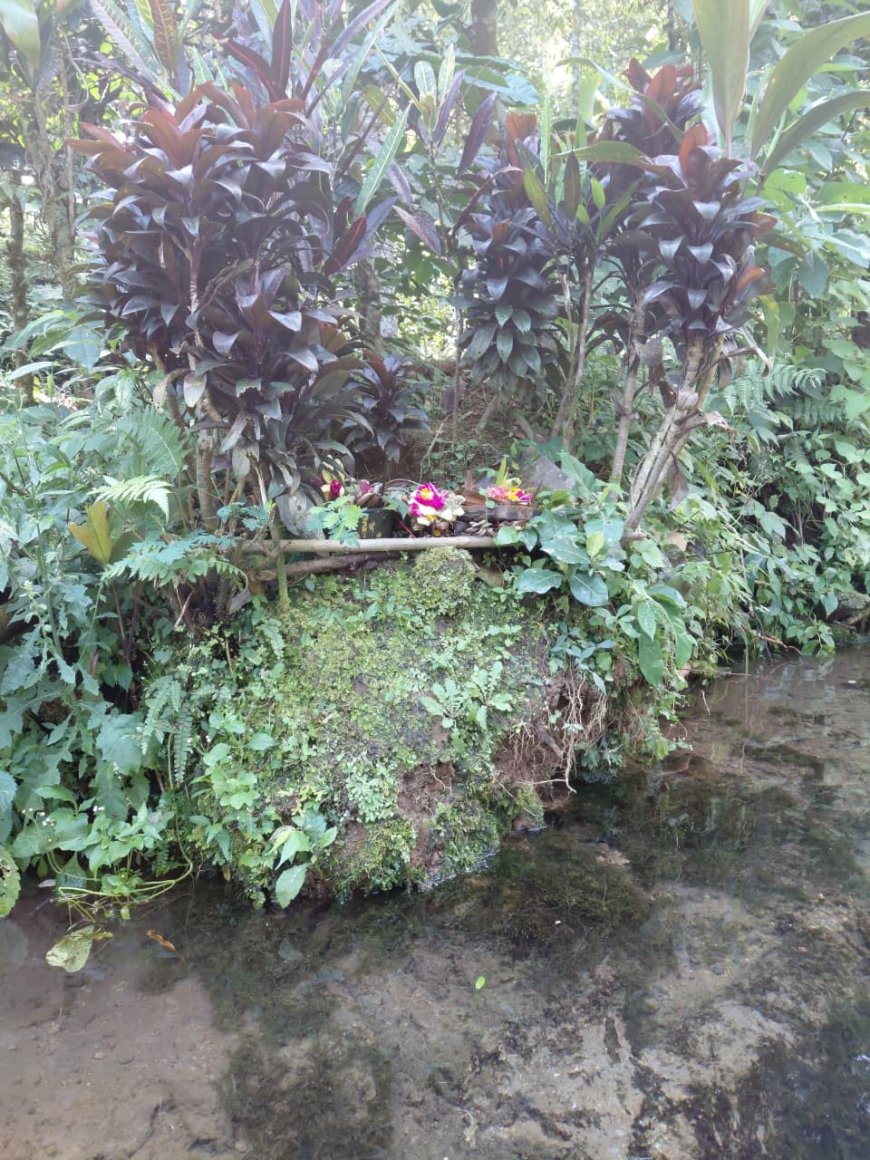
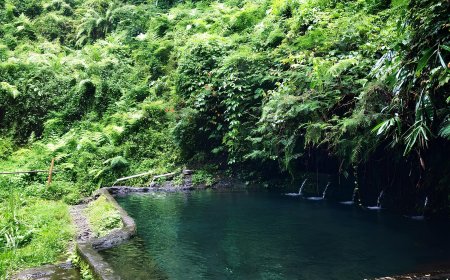
Figure 4. Sacred Spring Bathing Area (Photo Source: Personal Collection)
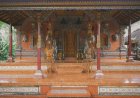
The existence of the Samobarong Sacred Spring and the various religious activities around it form part of the environment surrounding the spring. Even so, the Sacred Spring remains the part most closely connected to the daily lives of the local community. Its water is used for bathing and melukat, while its existence is protected through various rules and taboos. Even when there was an opportunity to use the spring commercially, the community chose to preserve the Sacred Spring according to the values they have protected and maintained for generations.
In the end, the Samobarong Sacred Spring is more than water flowing from a mountain spring. It contains the story of a community that has known, used, and protected the spring for decades. From the simple bamboo spout of the past to the stone spout decorated with a dragon’s head today, the changes reflect the journey of a place that continues to be cared for without abandoning the values passed down through generations. Stories of melukat, local taboos, meditation, Ida Peranda Sakti, the place of worship dedicated to the Buddha, and the rejection of commercial bottled-water development all form part of the long story of this area.
For the people of Tinggarsari Traditional Village, protecting the Sacred Spring means protecting more than just a source of water. They are also preserving the surrounding natural environment, the stories of their elders, and the values handed down from one generation to another. To someone visiting for the first time, the Sacred Spring may appear to be nothing more than a spring flowing through the middle of a forest. However, once its story and the way the community treats it are understood, the flowing water becomes part of a heritage that continues to hold meaning in the lives of the people of Tinggarsari today.