





















Mausalaparwa: The Destruction of Dwaraka and the Birth of Kali Yuga
Mausalaparwa is the sixteenth book of the Mahabharata series of books that narrates the destruction of the city of Dwaraka and the end of the Dvapara Yuga age and the beginning of the Kali Yuga. With the death of Krishna and the destruction of Dwaraka, begins the Kali Yuga age of chaos, lies, and conflict that marks the spiritual decline of mankind.

After the end of the Kurukshetra War, the Pandavas' victory became a symbol of the truth that defeated injustice. Yudhisthira as the eldest, was appointed King of Hastinapura. This victory took a great sacrifice. Almost the entire extended family including heroes like Bhishma, Drona, Karna, and Duryodhana, had fallen on the battlefield leaving deep sorrow for the mothers and widows who lost their children. Kunti and Gandhari, the mothers of the Pandavas and Kauravas, felt the loss immensely, creating a wound that would linger on. Although Yudhisthira had gained the position he had long been entitled to, he was still plagued by grief and guilt over the destruction that had occurred.
After the Kurukshetra war ended, Krishna, who had played an important role as Arjuna's advisor and chariot driver, returned to Dwaraka with the rest of the Yadavas. Although victory had been achieved and justice served, Krishna realized that this victory was only the beginning of a larger and more tragic chain of events. With divine insight, Krishna knew that another great destruction was approaching as an inevitable fate for the Yadava dynasty. Nonetheless, Krishna lived his life with a calm acceptance of what was to come.
In Dwaraka, life slowly returned to normal after the return of Krishna and the Yadavas from the Kurukshetra War. The Yadavas, known for their strength and heroism, enjoyed a peaceful period of seeming prosperity. Under the wise leadership of Krishna and his brothers including Balarama, Dwaraka flourished as a center of prosperity and splendor. However, behind the apparent peace, bad signs began to appear. Some strange occurrences and disturbing premonitions began to take hold, such as nightmares and strange omens of nature. Most people, however, ignored these signs, lulled by the comfort and prosperity they enjoyed, unaware that a great disaster was approaching.
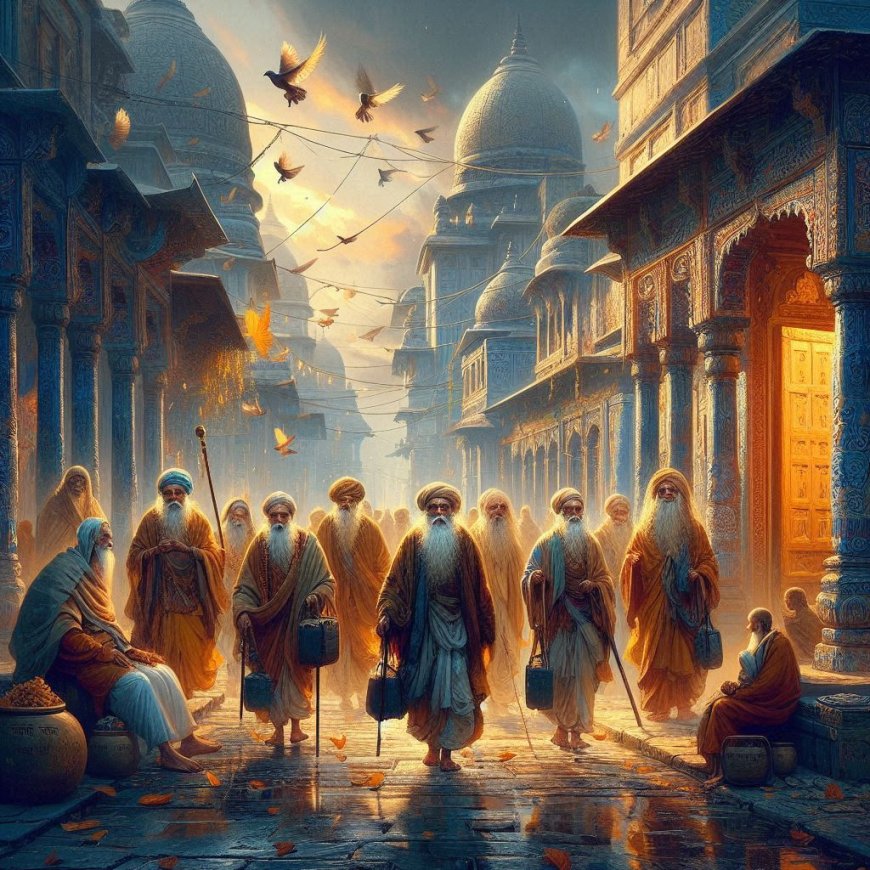
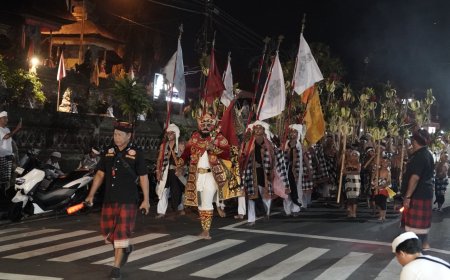
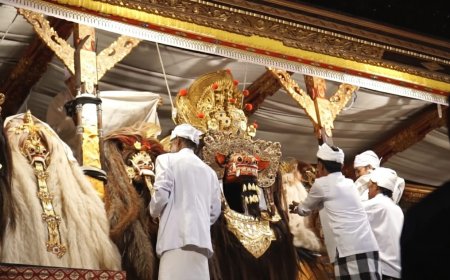
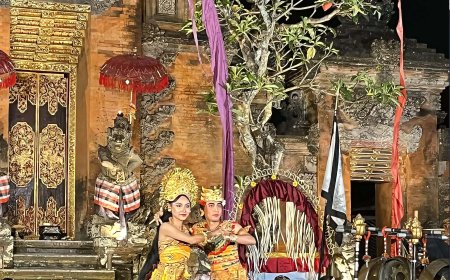
The Arrival of The Resi (Source: Personal Collection)
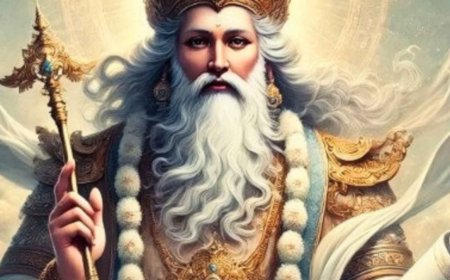
One day, Dwaraka was visited by a group of highly respected holy sages, including Vishwamitra, Narada, and Kanwa, who were known for their extraordinary spiritual powers and their ability to influence the fate of the world. The arrival of these rishis carried an aura of mystery, as if they were carrying an important unspoken message. Krishna, always alert to omens, welcomed them with great respect, as did the other members of the Yadava tribe. The presence of the rishis in Dwaraka was not only considered an honor, but also a sign of something big that might change the course of their lives.
Some Yadava youths including Samba, Krishna's son who was known to be mischievous, decided to play a prank on the saintly rishis. In an act filled with impudence, they dressed Samba up as a pregnant woman, complete with a visibly distended belly, and then brought him before the sages with the intention of playing tricks on them. In a mocking manner, they pretended to ask the rishis about the sex of the baby Samba was "going to give birth to". Although intended as a joke by the Yadava youths, this was considered highly disrespectful and insulting to the rishis who had a high sacred and spiritual standing. The rishis, who are known for their patience, felt insulted by this blatant abuse of their dignity.
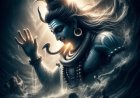
Feeling mocked and insulted, the holy rishis became furious. One of them uttered a terrible curse: The "child" that Samba would give birth to would not be a baby, but an iron mace (mausala) that would be the cause of the destruction of the entire Yadava tribe. This curse immediately caused fear and anxiety among the Yadava tribe members who heard it. However, many Yadavas downplayed the threat and dismissed it as meaningless words. Only a few realized that the curse of these holy rishis was not something to be ignored and that the tragic fate written in the curse would soon change their lives forever.
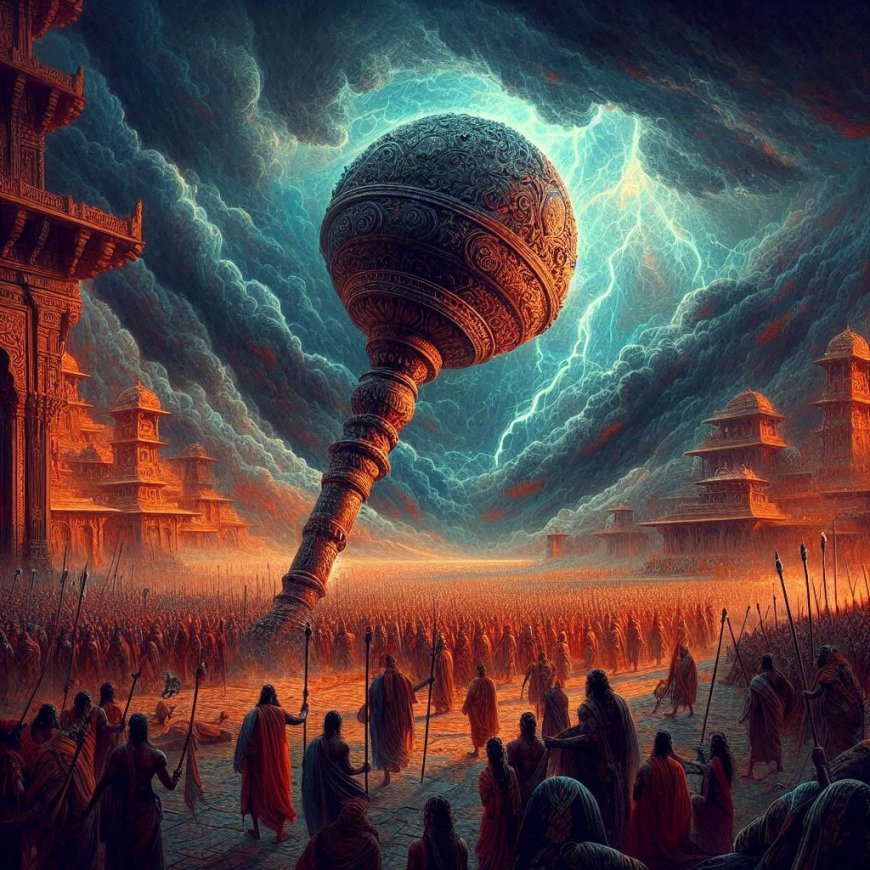
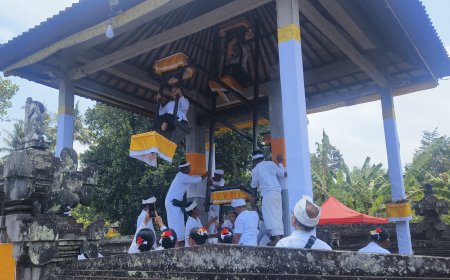
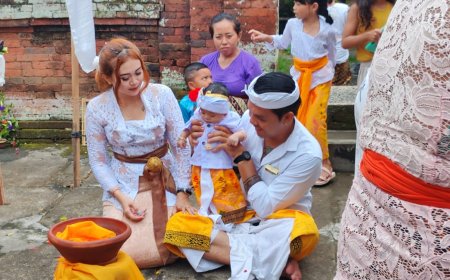
The Emergence of a Large Iron Mace (Source: Personal Collection)
The sages' curse was soon proven true. Soon after the curse was uttered, Samba, who had been played as a "pregnant woman," surprisingly "gave birth" to a large iron club, the appearance of which was very frightening and full of the aura of destruction. This incident shocked the entire Yadava tribe, who had initially taken the curse lightly. Seeing the iron club, they began to realize that the words of the sages were not just empty threats, but a real sign of doom. Fear began to enter their hearts. They realized that the future of the Yadava tribe, which had previously been strong and glorious, now depended on the cursed object. The realization that great destruction was lurking ahead made the entire Yadava tribe start to worry. The shadow of a terrible fate slowly enveloped Dwaraka and destroyed the peace and prosperity they had once enjoyed.
Realizing the potential danger posed by the cursed iron mace, the Yadava leaders immediately convened a meeting and wisely decided to break the mace into small pieces. They knew that the curse imposed by the sages was very dangerous and could bring destruction to their entire tribe, so they had no choice but to destroy the weapon. In the hope of breaking the curse, they used their strength to break the mace into small pieces. Once the destruction was complete, with a sense of relief and confidence that their actions had been enough to end the curse, they threw the pieces of iron into the sea. They were confident that the vast and deep ocean would swallow the threat forever, carrying the iron fragments far away from the land and from their lives.
Despite being thrown into the sea in the hope of averting the curse, the iron fragments of the cursed mace were washed back to shore. These fragments began to spread along the shoreline, becoming strewn in various places and turning into sharp, seemingly indestructible tools. This phenomenon was immediately taken as a bad omen by the Yadavas, who realized that the curse was inescapable. Every fragment of iron found on the shore became a visible symbol of the bad luck to come. A sense of anxiety and helplessness gripped the Yadavas. They felt that their doom was near and that there was nothing they could do to avoid the destruction predicted by the sages.
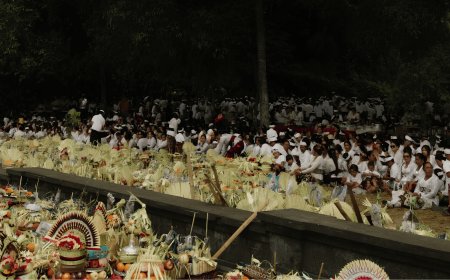
Some time after the incident with the cursed mace, the entire Yadava tribe gathers in Prabhasa to celebrate a festival. However, beneath the festivities, there is a deep tension that is unseen by most. Although Krishna and Balarama are aware of the curse that threatens their lives, they are still present to preside over the gathering in order to bring peace and hope to their tribe. Krishna, with his profound wisdom, tries to keep the atmosphere positive, while Balarama, as his loyal supporter, stands by to calm the hearts of his people. Despite their best efforts to ignore the imminent threat, the atmosphere in Prabhasa is filled with a nagging sense of anxiety and doubt. This suggests that the happiness that seems so close may be fleeting, and imminent danger is just around the corner.
In the midst of the originally joyous and joyful celebrations, the Yadavas began to indulge in the euphoria of partying and consumed large amounts of alcohol. The atmosphere that was initially filled with laughter and hearty celebrations changed when the abundant liquor began to drastically affect their behavior. Many of them became heavily intoxicated, losing control of their thoughts and actions. Excessive alcohol consumption dulled their judgment, so that trivial matters that were previously ignored suddenly became triggers for conflict. Small differences of opinion and tensions that had long been suppressed beneath the surface, which usually went unnoticed when they were sober, now turned into heated arguments. Harsh words were exchanged, provocative actions escalated, and disputes that had initially been just heated conversations turned into physical altercations.
What started as a small quarrel soon escalated into a horrific mass brawl. Drunk and out of control, the Yadavas began using pieces of iron from the cursed mace as weapons. The fights became brutal and horrific. The pent-up tensions exploded into uncontrollable violence, with the drunken warriors attacking each other in a fit of rage and hatred. The chaos resulted in many deaths and the Yadavas had to face the horrific reality of the curse they had tried so hard to ignore.
What began as a small conflict soon escalated into a full-blown civil war among the Yadavas, turning what was once a close bond of friendship and family into a deadly feud. In this chaotic atmosphere, no one made any effort to stop the rampant violence. Instead, hatred, anger, and revenge became the dominant forces, worsening an already dire situation. The Yadavas, once known as a strong and united people, were now torn apart in utter chaos, feeling the effects of a curse that had been taken for granted. In this chaos, the foretold destruction drew ever closer.
The fighting continued unabated, with the Yadava tribes killing each other in a horrifying mess. Every day, members of the Yadava tribe were killed one by one in the battle. Great warriors who were once respected, strong warriors who were once symbols of strength, and individuals who had achieved success in the Kurukshetra War all met their demise on the battlefield. The glory that once radiated from the Yadava tribe has now vanished, leaving nothing but emptiness and ruins. With each battle that ended, the traces of their glory faded, and eventually the entire Yadava tribe perished in the darkness that enveloped their land. The success they once enjoyed is now a bitter memory submerged in the inevitable total collapse, carving a tragic end to a once great dynasty.
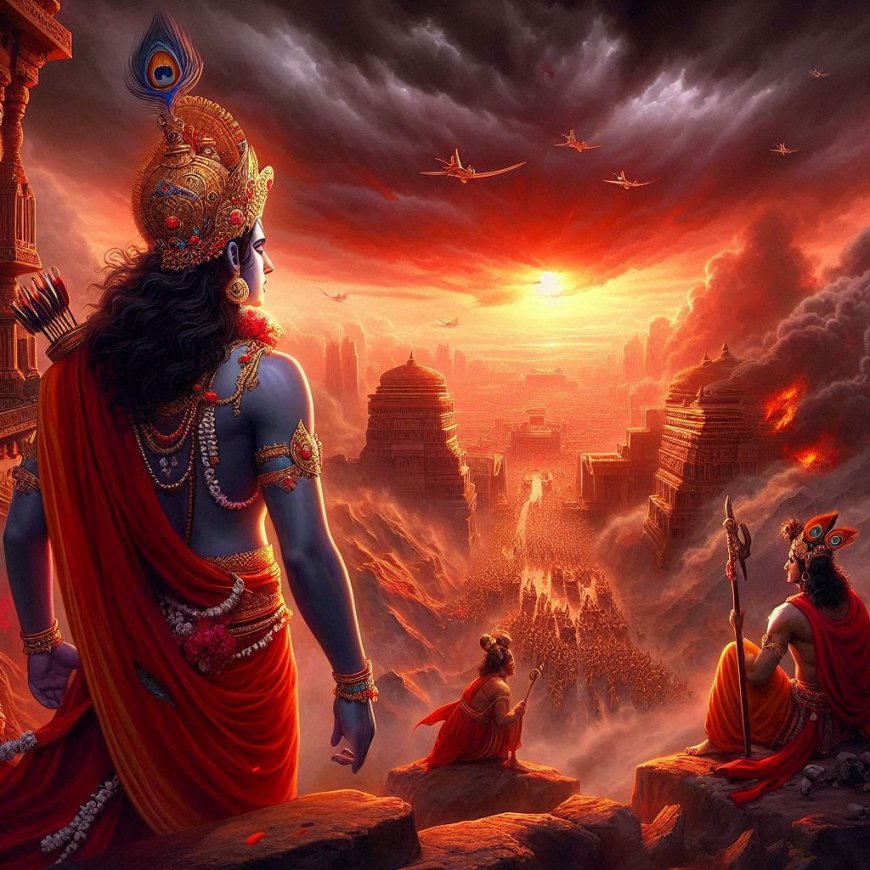
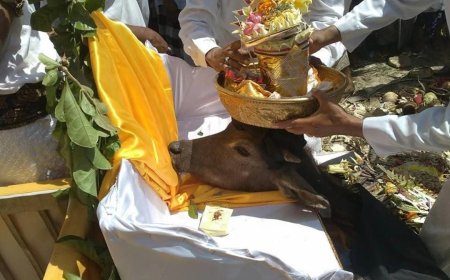
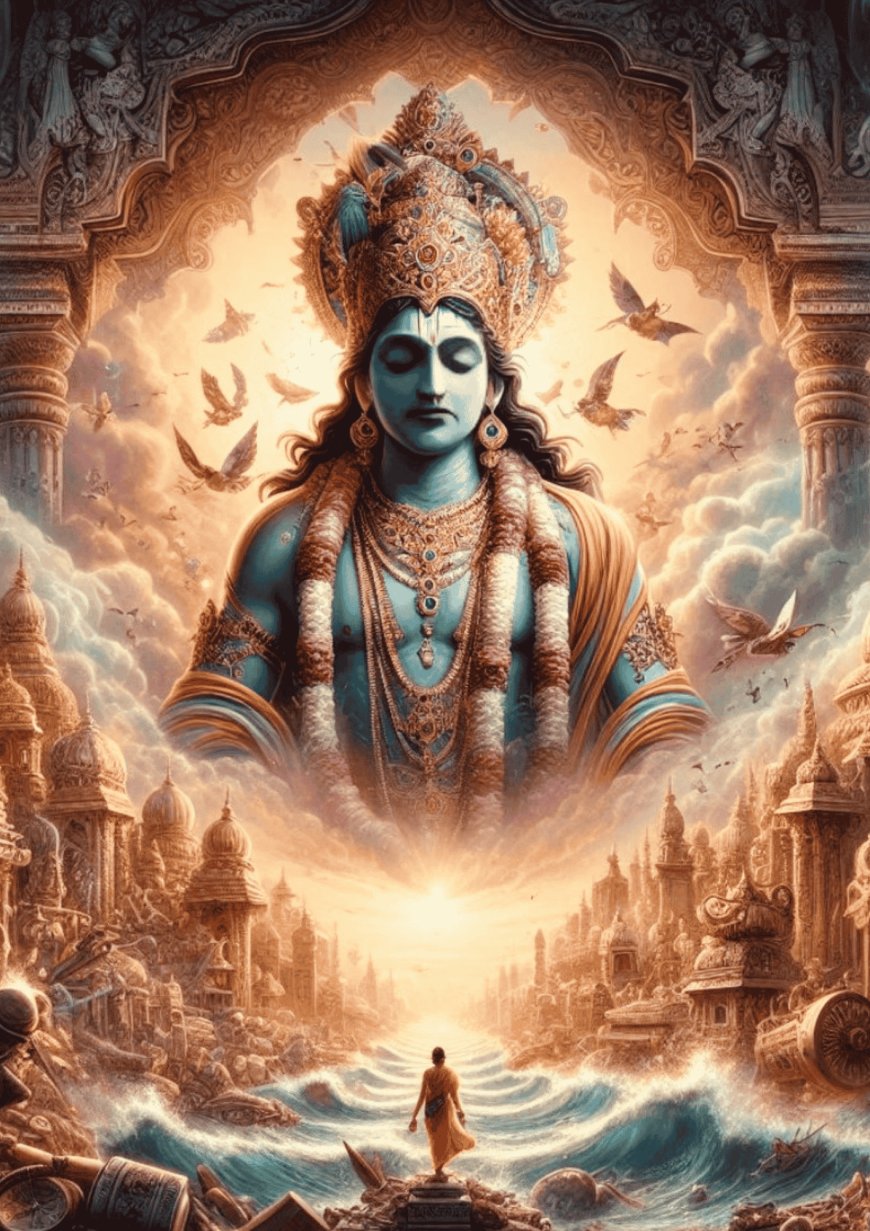
Krishna witnessing the destruction of Dwaraka (Source: Personal Collection)
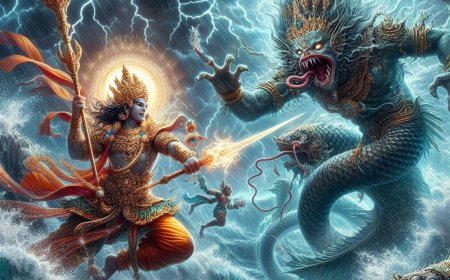
Krishna, who knew from the beginning that the destruction of the Yadavas was the result of the curse of the sages, could only watch with a heavy and sorrowful heart. Despite his immense power and profound wisdom, Krishna was hindered by the force of a predetermined and unchangeable destiny. In an attempt to halt the chaos, Krishna tried hard to calm the violence and pacify those involved, but all his efforts seemed futile in the face of the irresistible current. The excruciating and heartbreaking destruction of the Yadavas was part of a plan that could not be avoided or changed. With deep regret, Krishna watched the annihilation of his once beloved tribe as part of a larger and inevitable cosmic cycle.
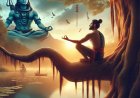
Having witnessed the entire series of tragic events leading to the destruction of the Yadava tribe, Krishna felt that his task on earth was complete. With full awareness of the end of his age, he chose to retire to the forest seeking a quiet and peaceful place to reflect and end his life's journey. In the peace of nature, Krishna sat under a large tree, which was a silent witness to his reflection and serenity. In the silence of the forest, he felt a deep inner peace, understanding that everything that happened was part of destiny. With an attitude of complete acceptance, Krishna awaited the end of his life knowing that his role in this world was complete, and that his departure would mark the end of an era filled with challenges and learning.
As Krishna sat quietly under a big tree in the forest, enjoying the peaceful silence of nature, a hunter named Jara was walking around the area in search of prey. Jara, unaware of Krishna's presence, was focused on the hunt and turned his gaze towards the bushes. From behind the leaves, Jara caught a glimpse of something sticking out, and with his trained eyesight, he thought it was the leg of a deer, his usual prey. Without a second thought and convinced that it was his prey, Jara quickly took out his bow and readied his arrow. However, unbeknownst to Jara, the arrow did not hit a deer, but Krishna's leg. The arrow went straight through and fatally wounded Krishna. The wound caused by the arrow was so severe that it was life-threatening.
Though severely wounded and on the verge of death, Krishna maintained remarkable equanimity, showing no hint of anger or resentment toward Jara, the hunter who had inadvertently wounded him. With profound wisdom and an understanding heart, Krishna immediately understood that this event was no accident, but part of his destiny. Even in such a critical situation, Krishna forgave the unfortunate hunter, realizing that Jara was merely playing his part in the grand scheme of life orchestrated by the forces of destiny. Krishna accepted his fate with grace, regarding his death as a natural transition in his spiritual journey. He passed the rest of his time on earth with complete acceptance, facing it with profound serenity and peace, closing the final chapter of his earthly journey with unparalleled wisdom and inner peace.
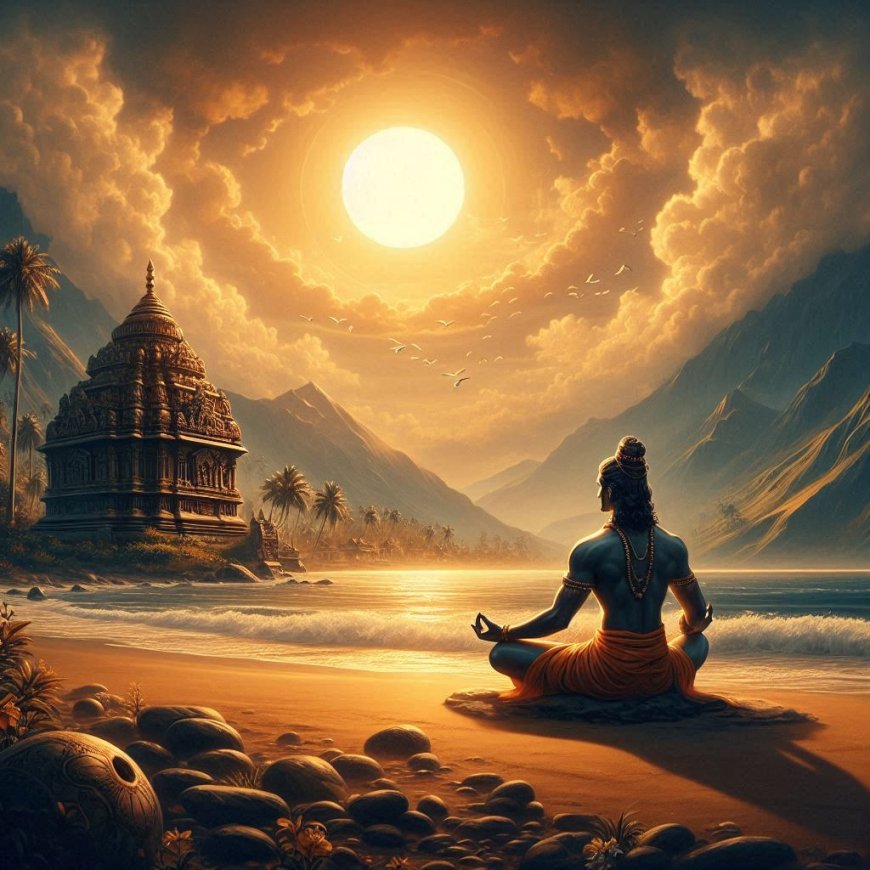
Balarama Meditation on the Beach (Source: Personal Collection)
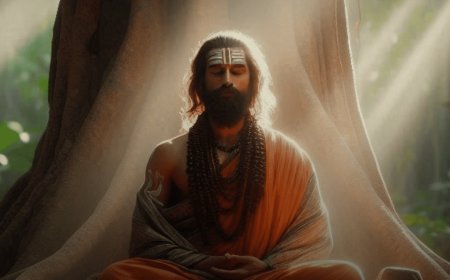
Meanwhile, Krishna’s faithful brother Balarama felt that the time had come to complete his mission on earth. With a deep understanding of the end of their era, Balarama went to the seashore to meditate in silence and peace. In his deep meditation, he left his earthly body, transcended the physical boundaries and returned to the divine realm. Balarama, known as the avatar of Shesha, the king of the nagas, underwent a transformation back to his original form after completing his mission on earth. This process marked the end of his spiritual journey on earth and his return to the eternal realm of glory and power. With Balarama’s departure their mission on earth was completed, and their cosmic cycle reached its culmination, leaving a deep imprint on the history and spirituality of humanity.
After Krishna’s death, a great and dramatic event occurred that marked the end of the Yadava dynasty. The city of Dwaraka, once the center of the Yadava’s glory and prosperity, finally sank into the sea, fulfilling a prophecy that had been made earlier. This event was the final sign of the complete destruction of the Yadava dynasty, a symbol of the end of a glorious and storied era. With the sinking of Dwaraka, all traces and heritage of the Yadava tribe vanished from the face of the earth, bringing to a close an important chapter in history and spirituality. The city that had once been a symbol of power and pride was now gone, leaving only memories and stories of its former splendor, a reminder that even great power and prosperity could not withstand the tide of time and destiny.
With the sinking of Dwaraka and the destruction of the Yadavas, the Dvapara Yuga came to an end, marking the transition to a new era known as the Kali Yuga. Considered an age of darkness and moral decline, the Kali Yuga is a period in which evil, evil, and injustice dominate the world, displacing the values of truth and virtue. It is the final age in the cycle of four Yugas in Hindu cosmology, replacing the Dvapara Yuga with an atmosphere of moral and spiritual decay. The Kali Yuga is expected to last until the end of the world, before the cosmic cycle begins anew with a new era of renewal and improvement. During the Kali Yuga, humanity will face great challenges in its search for truth and integrity, while the changing of the ages brings with it the awareness that the cosmic cycle is continuing to turn, with the hope of a new, better era to come.