






Sanggar Tari Kumara Jaya : From Local Spirit and Traditional Groups to Pride in Geladag
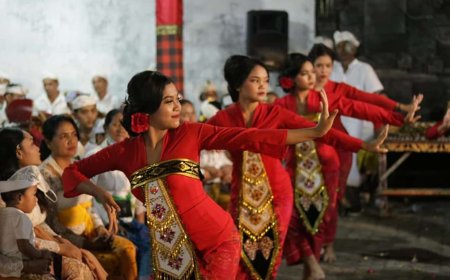
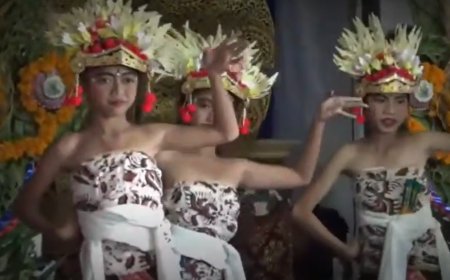
Sanggar Kumara Jaya is a Balinese dance studio born from local spirit and a commitment to cultural preservation. Beginning as a simple practice space within a community, it has grown into a center for mentoring the younger generation in understanding and practicing traditional Balinese dances, ranging from various forms of Rejang, Pendet, and Baris to Wirayudha and many more. Through a disciplined, inclusive, and culturally rooted training process, Sanggar Kumara Jaya does not merely produce dancers but also instills character, a sense of community, and pride in Bali's cultural heritage.

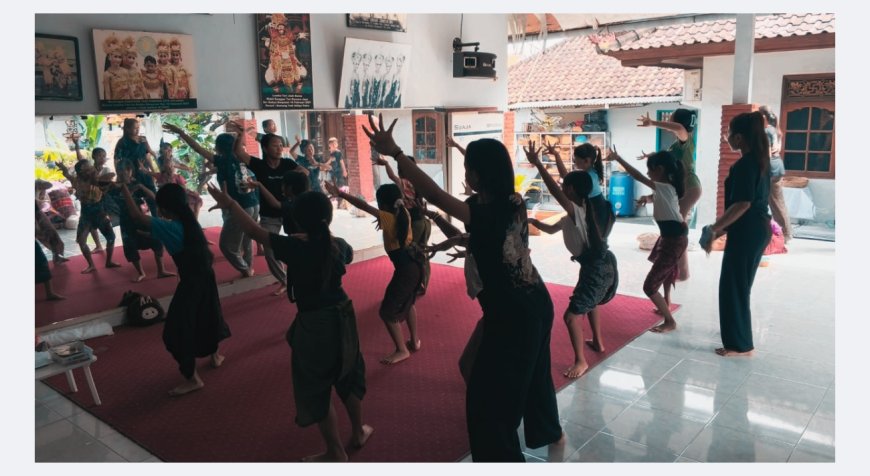
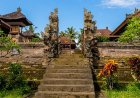
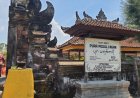
Sanggar Kumara Jaya is a Balinese traditional dance studio located at Jalan Pulau Bungin Gang VI No.1, Banjar Geladag, Pedungan, Denpasar City, Bali. Deeply rooted in local traditions, the studio has grown alongside the historical and cultural development of the surrounding community. Its origins can be traced back to January 1981, when artistic activities in the area were still organized through traditional community groups (sekaa), such as sekaa demen, sekaa gong, and various art practices centered around temple life. At that time, dance and gamelan music were inseparable from ritual and customary life, functioning primarily as forms of devotion (ngayah).
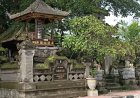
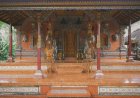
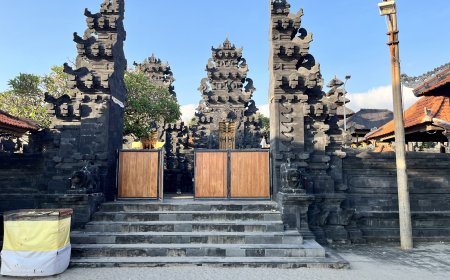
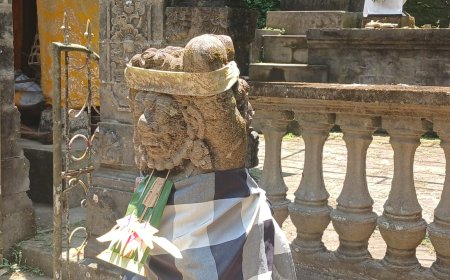
Within the temple environment, there are sacred effigies (sesunan) closely associated with classical dances such as Legong Keraton and Baris, which later became fundamental pillars in the artistic journey of the community. This spiritual and cultural setting fostered a growing awareness of the importance of training children continuously to ensure that these traditions would not fade. Initially, training sessions were conducted simply and gradually, but as interest among children increased, a more structured artistic group emerged and eventually developed into what is now known as Sanggar Kumara Jaya.
Historical Background and Development
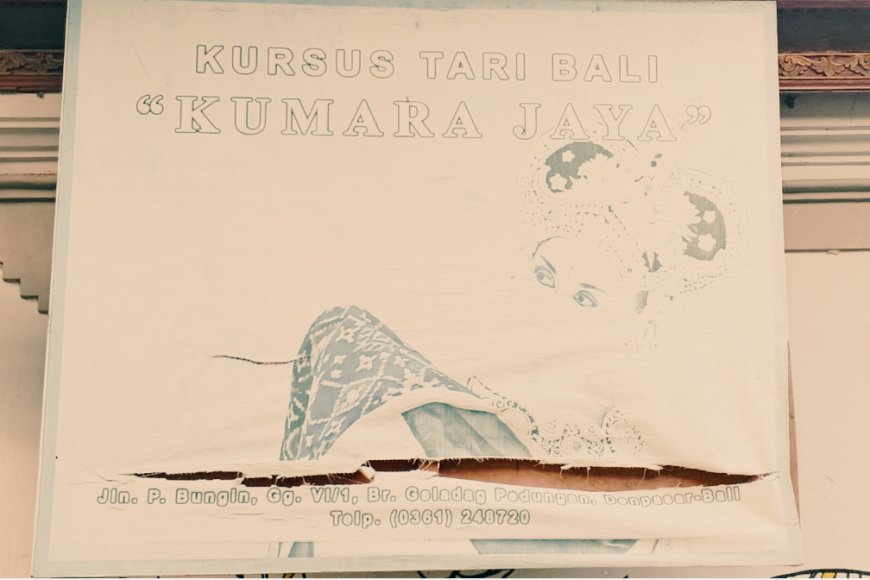
Sanggar Tari Kumara Jaya Old Banner (Source : Personal Collection)
Before officially becoming a formal dance studio, artistic activities in this area had already been vibrant since the 1970s. The increasing number of children eager to learn dance encouraged the establishment of a more systematic and sustainable teaching approach. The primary objective of this training was clear: to serve the temples through ngayah. Over time, the scope expanded to include performances outside ritual contexts, such as school events and public cultural programs.
During its peak years, Sanggar Kumara Jaya gained wider recognition through performances of the Ramayana Ballet (Sendratari Ramayana), which were regarded as prestigious and culturally significant. These performances were staged not only during religious ceremonies but also beyond ritual settings, including appearances at hotels and invited cultural events. At that time, the studio’s involvement in Ramayana productions became a strong indicator of its artistic quality and local prominence.
Types of Dances Practiced
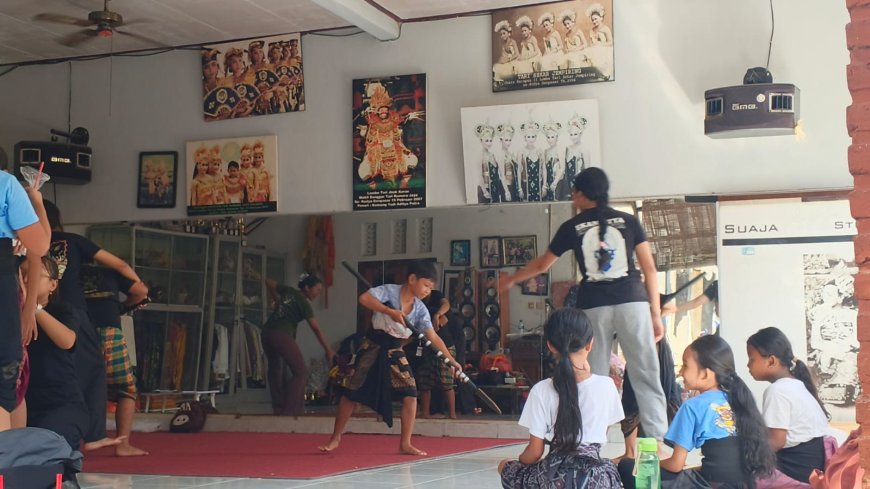
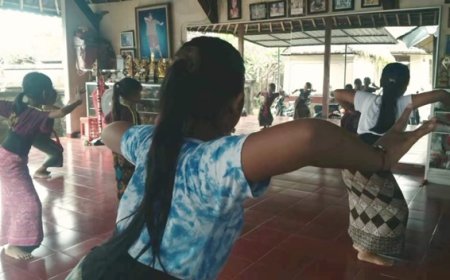
Routine Practice of The Traditional Wirayudha Dance in The Studio (Source : Personal Collection)
To this day, Sanggar Kumara Jaya consistently emphasizes the teaching of traditional and classical Balinese dances, based on the belief that classical forms possess enduring cultural value. Some of the main dances regularly taught include:
-
Legong Keraton, the principal classical dance that serves as the studio’s artistic identity
-
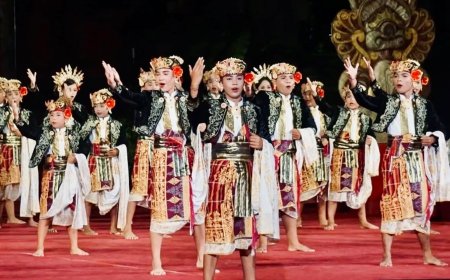
Baris, a foundational male dance that cultivates strength, precision, and adherence to formal movement codes
-
Rejang Dewa, a sacred (wali) dance taught with strong emphasis on purity and ritual function
-
Wirayudha, Condong, Kijang, and many other dances performed for competitions and ngayah purposes
The studio deliberately avoids pursuing short-lived trends in newly created dances. According to the studio’s manager, Dian Tristiana Dewi, creative dances continue to emerge each year, but their relevance often fades quickly. In contrast, classical dances such as Legong Keraton, Baris, and Rejang are believed to remain essential, particularly within the context of Balinese religious ceremonies and traditional rituals.
Sacred Elements and Cultural Regeneration
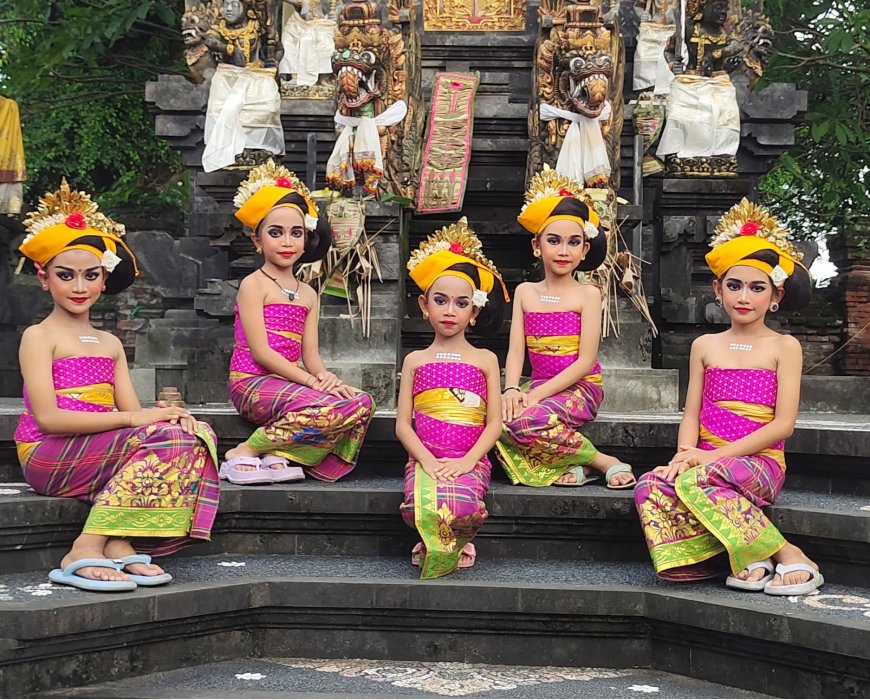
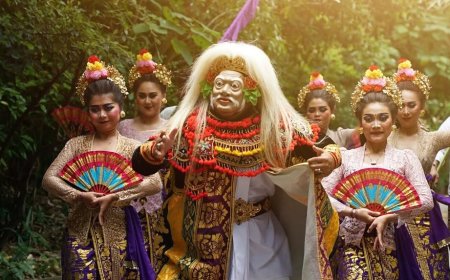
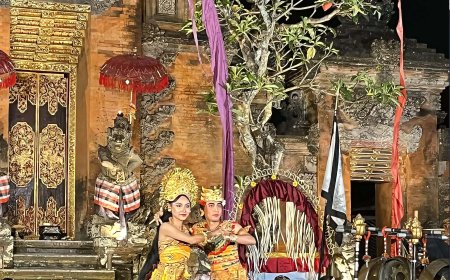
A Group of Female Traditional Dancers Belonging to Sanggar Kumara Jaya (Source : Personal Collection)
One of the most distinctive characteristics of Sanggar Kumara Jaya is its strong connection to sacred and spiritual elements. Certain dancers—especially those performing Legong Keraton and Baris—undergo spiritual rituals such as mewinten, mejaya-jaya, and purification ceremonies before being formally designated as dancers. These children are believed to have been “chosen” on a spiritual (niskala) level and may begin dancing at a very young age, even as early as the first grade of elementary school.
These dancers continue their roles into adulthood and marriage. After marriage, they are required to return to the temple as part of a symbolic spiritual restoration and generational continuity. This tradition has been sustained across generations—from elders and extended family members to today’s youth—and serves as a key reason why Sanggar Kumara Jaya has maintained its consistency and vitality over time.
Achievements and Recognition
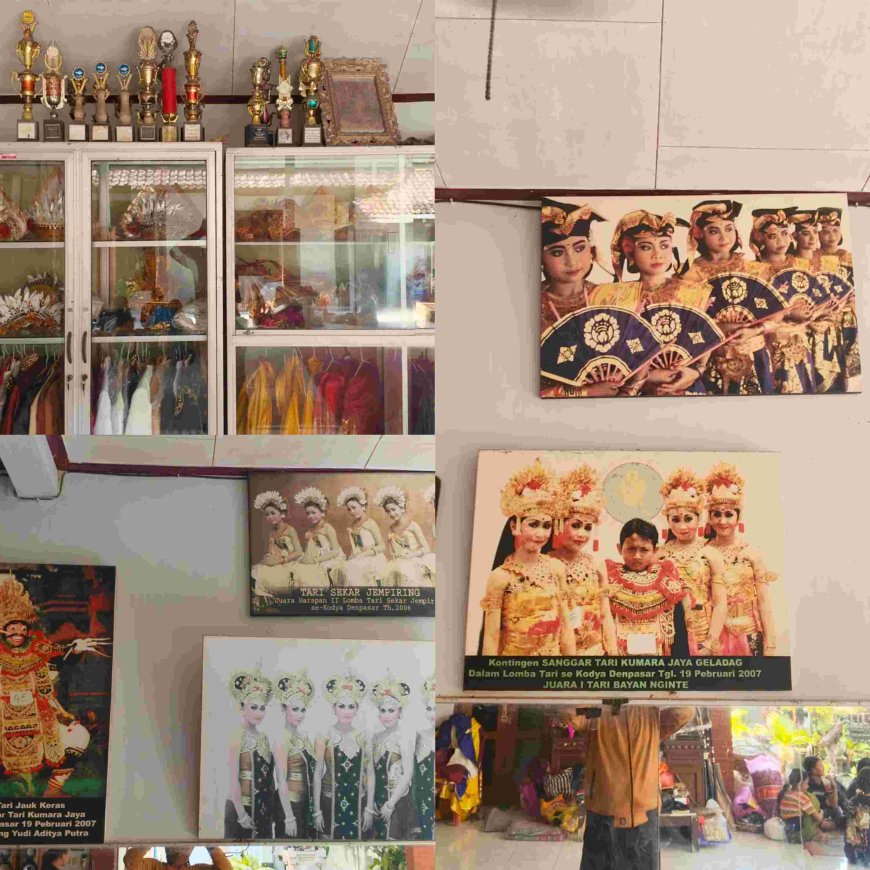
Compilation of Trophies And Achievements of Sanggar Kumara Jaya (Source : Personal Collection)
In addition to its active involvement in ngayah and traditional performances, Sanggar Kumara Jaya has also built a notable record of achievements. The studio regularly participated in dance competitions organized by the Denpasar City Department of Culture, particularly during the early 2000s. One of its most significant accomplishments was winning First Prize in the Bayan Nginte Dance Competition in 2006, which remains one of the studio’s highest achievements.
The studio’s consistency in preserving classical Balinese dance has also earned it official recognition from the Department of Culture, acknowledging its commitment to safeguarding traditional arts amid the rapid growth of dance studios and the expanding cultural market.
The Studio as a Space for Education and Devotion
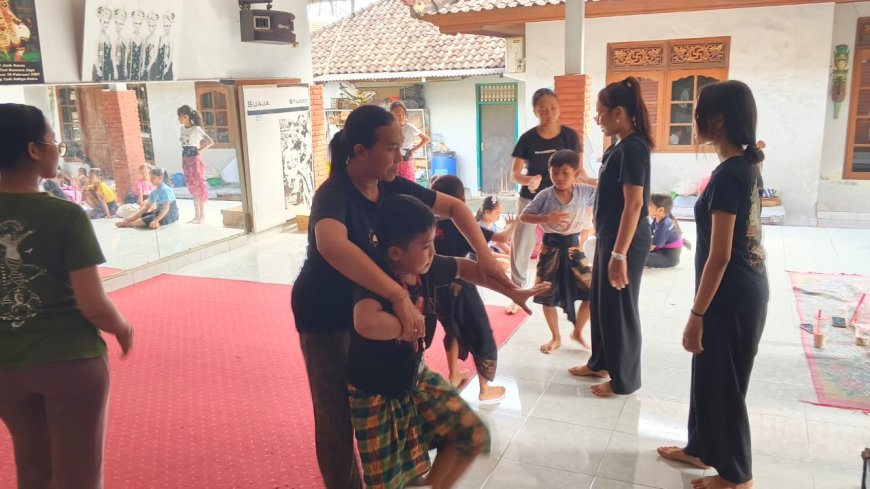
Baris Traditional Dance Training by The Caretaker of The Studio and Internship Students As Instructors (Source : Personal Collection)
Today, Sanggar Kumara Jaya remains active in training children and adolescents, holding regular practice sessions every Saturday and Sunday, with additional rehearsals scheduled when preparing for performances, competitions, or ngayah activities. The studio also serves as a learning space for vocational high school students specializing in the arts who undertake internship programs, thereby functioning as a sustainable informal educational institution.
More than just a training venue, Sanggar Kumara Jaya is a space for the transmission of values—discipline, responsibility, and devotion to culture. Through dance, younger generations are guided to understand their identity as members of Balinese society, living in harmony with tradition, spirituality, and communal life.
With a long history dating back to 1981, unwavering commitment to classical dance, recognized achievements, and deep-rooted connections to sacred traditions, Sanggar Kumara Jaya stands not merely as a dance studio, but as a guardian of Balinese cultural continuity. Amid rapid social change and the emergence of hundreds of new studios, Sanggar Kumara Jaya remains steadfast—preserving tradition, upholding artistic discipline, and nurturing future generations firmly grounded in their cultural heritage.