

















Sanggar Nakula Sidakarya and the Preservation of Classical Balinese Dance in Urban Denpasar
Sanggar Tari Nakula plays an important role in preserving and passing down Balinese dance traditions in urban Denpasar. Through a regenerative training system rooted in local community traditions, the studio nurtures skilled and culturally grounded young dancers. Amid modern challenges, Sanggar Tari Nakula continues to sustain the relevance of Balinese dance for future generations.

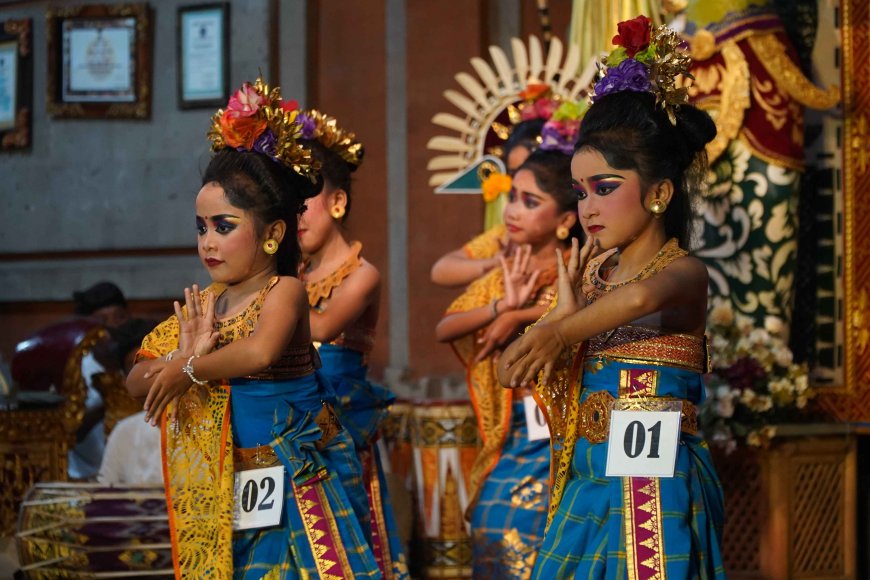
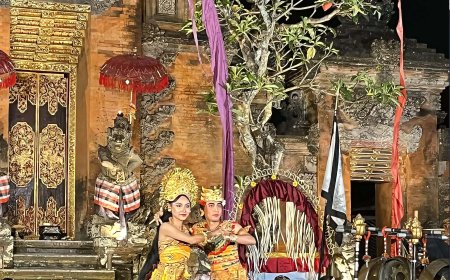
Denpasar, Bali - Sanggar Tari Nakula is one of the cultural spaces that plays an important role in the preservation and transmission of Balinese dance art in the urban area of Denpasar. The studio was established in 2002 in Banjar Dukuh Mertajati, Sidakarya, as a revival of Sanggar Tari Bali Tunas Muda, which had existed since the early 1990s but became inactive in 1995. On the initiative of the management of ST. Tunas Muda, the dance studio was revived under the name Sanggar Tari Nakula as an effort to continue the artistic traditions that had previously developed within the banjar community. At the beginning of its establishment, I Made Andita was appointed as the first head and was responsible for the continuity of activities as well as the direction of the studio’s development.
The name “Nakula” is taken from a wayang character in the Mahabharata epic, one of the Pancapandawa brothers. Nakula is known as a figure who possesses a handsome appearance, skill, and strong charisma. This philosophy underlies the naming of the studio, with the hope that the students of Sanggar Tari Nakula will one day develop technical competence, attitude, and artistic charisma, similar to the character of Nakula who is respected in the Balinese wayang tradition.
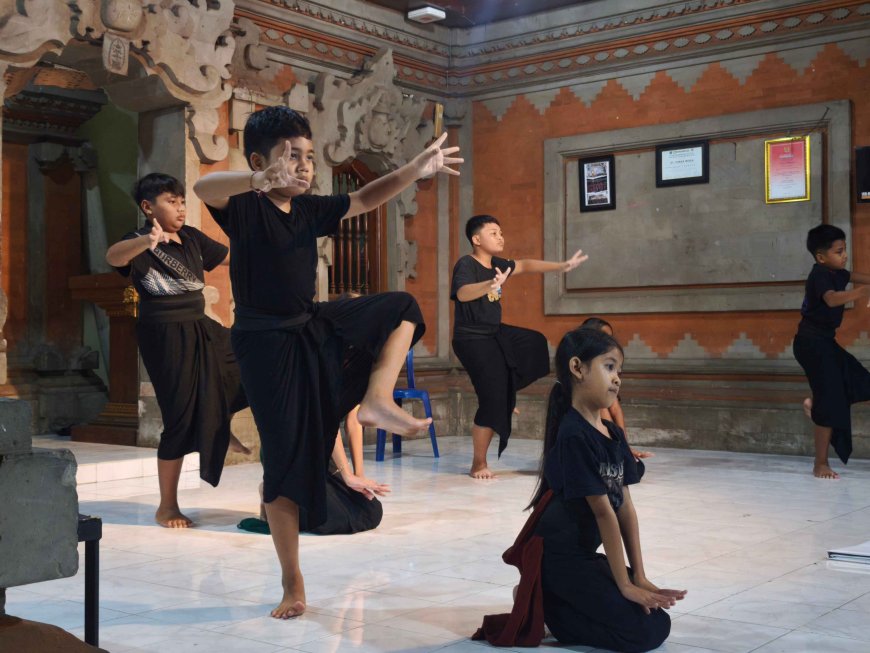
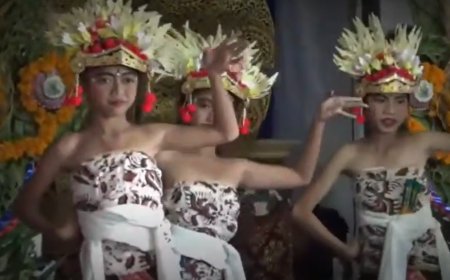
Dance Practice for the Level Advancement Examination (Source: Personal Collection)
From its early establishment to the present day, the journey of Sanggar Tari Nakula has been marked by various dynamics. Fluctuations in the number and quality of students have become recurring challenges, along with changing social conditions and the busy lives of urban communities. Nevertheless, with a strong commitment to advancing Balinese dance arts, Sanggar Tari Nakula has been able to maintain its existence and continue its training activities in a sustainable manner.
One of the main distinguishing characteristics of Sanggar Tari Nakula lies in its regenerative training system. The studio is a sub-unit of the youth organization ST. Tunas Muda in Banjar Dukuh Mertajati, giving it a close connection to the social life of the local community. The instructors who teach at the studio are generally former students of Sanggar Tari Nakula themselves. This hereditary pattern of training not only ensures the continuity of dance knowledge transmission, but also strengthens the sense of belonging and responsibility among the younger generation toward the sustainability of the studio.
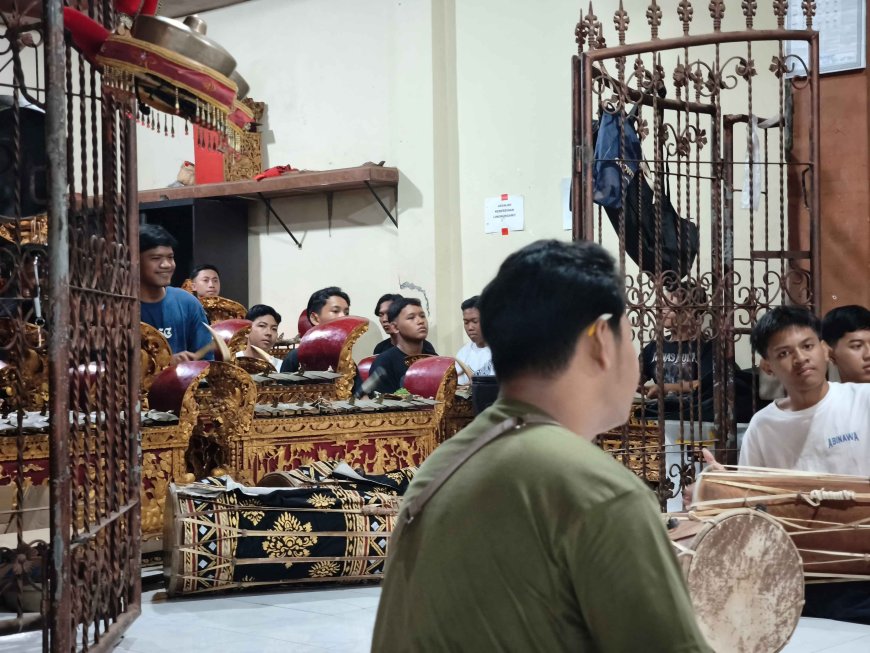
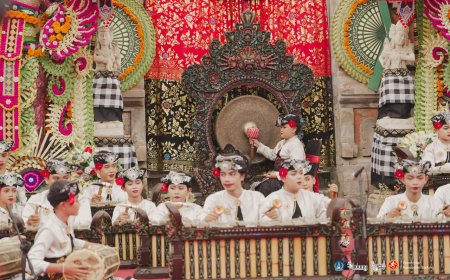
Gamelan Practice at Sanggar Tari Nakula (Source: Personal Collection)
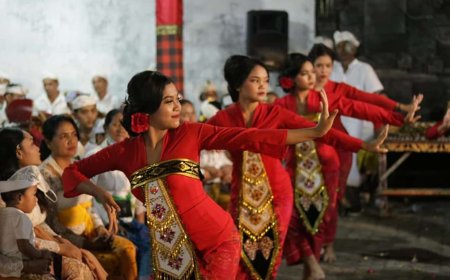
In terms of learning materials, Sanggar Tari Nakula does not designate a single type of dance as its specific icon. The studio teaches various types of dances, including classical Balinese dances as well as newly created dances, allowing students to gain a comprehensive understanding of the richness of the Balinese dance repertoire. Routine activities include annual level advancement examinations and active participation in various cultural events organized by the City of Denpasar, such as Melepas Matahari, Maha Bandana, and other cultural programs.
In addition, Sanggar Tari Nakula is frequently invited to perform at various traditional, cultural, and festival events, particularly those related to the cultural agenda of the City of Denpasar. Active participation in these activities represents a tangible contribution by the studio in enlivening Balinese performing arts in public spaces, while also broadening the performance experience and artistic mentality of its students.
The role of Sanggar Tari Nakula in the preservation and development of Balinese dance is considered highly significant. Through a continuous and regeneration-based training process, the studio produces young generations who possess skills, discipline, and an understanding of the cultural values embedded in Balinese dance. Thus, the studio functions not only as a place for practice, but also as a space for cultural education that shapes the character of future generations.
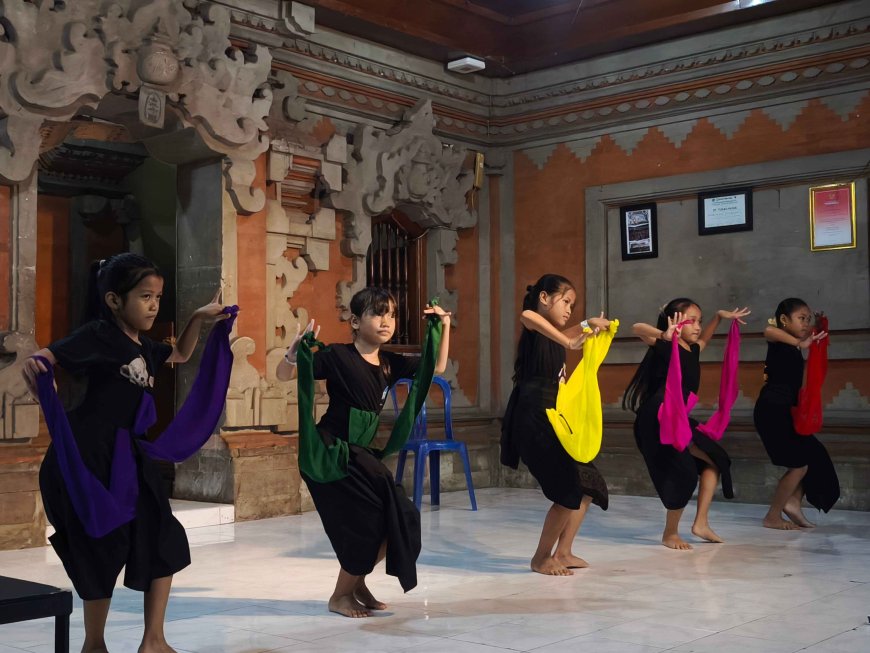
Dance Practice at Sanggar Tari Nakula (Source: Personal Collection)
On the other hand, preserving Balinese dance in an urban environment such as Denpasar is not without challenges. The busy schedules of students due to school activities and other commitments constitute a major obstacle in the training process. Therefore, the studio is required to develop time-management strategies and flexible training systems so that activities can continue in synergy with the daily lives of the students.
Despite these challenges, the interest of the urban younger generation in Balinese dance is still considered very strong. This is reflected in the enthusiasm of students in participating in training, as well as the high level of parental support in encouraging their children to engage in artistic activities. Looking ahead, Sanggar Tari Nakula continues to pursue innovation and institutional advancement by adapting to developments in the digital era, ensuring that Balinese dance remains relevant, adaptive, and appealing to contemporary generations.