








Temple of Dalem Purwa Kubontingguh, a perfect blend of architectural beauty and the depth of purification rituals
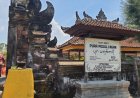
Pura Dalem Purwa Kubontingguh is one of the Kahyangan Jagat temples located in Bali. This temple serves as a place of worship for Hindus and also acts as a spiritual center for purifying the soul and paying homage to ancestors. Located in the Kubontingguh Traditional Village, Denbantas District, Tabanan Regency, the temple is surrounded by a peaceful rural atmosphere and lush natural beauty.

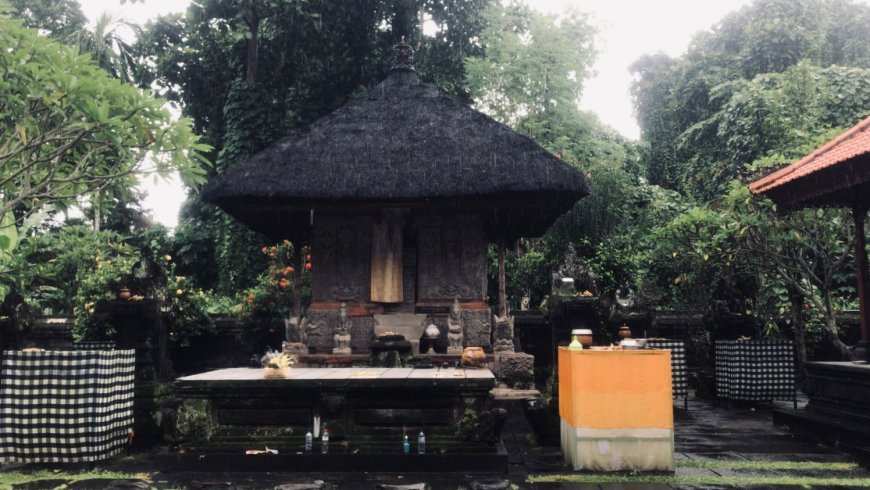
Pura Dalem Purwa Kubontingguh is a sacred place for the Balinese Hindu community, especially for the people of the Kubontingguh Traditional Village located in Denbantas District, Tabanan Regency. This temple plays a significant role in the spiritual life of Hindus as a place of worship for Lord Shiva, particularly in the aspect of Dalem, which symbolizes death and spiritual transformation. Additionally, this temple is also the site for various religious ceremonies, including rituals focused on the purification of the soul and spirit.
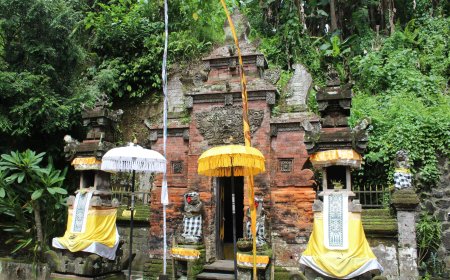
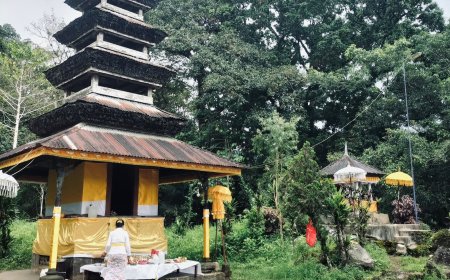
This temple is part of the Kahyangan Jagat temples, serving as a place of worship and prayer for safety. Moreover, Pura Dalem Purwa Kubontingguh also serves as a spiritual center for purifying the souls of the deceased and honoring ancestors. Its architecture, a classic Bali style, includes pelinggih (shrines) and an open area for religious ceremonies. Pura Dalem Purwa Kubontingguh is a true example of the beauty of classic Balinese architecture, rich in symbolism and spiritual values. The temple is built based on the Tri Mandala concept, dividing the space into three main areas with distinct functions.

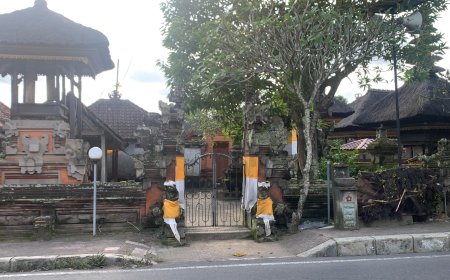
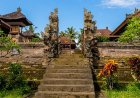
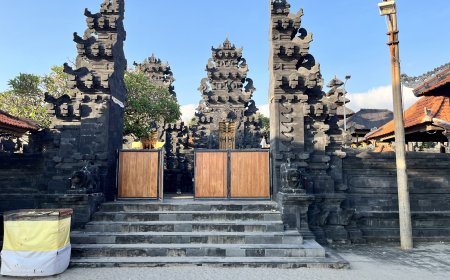
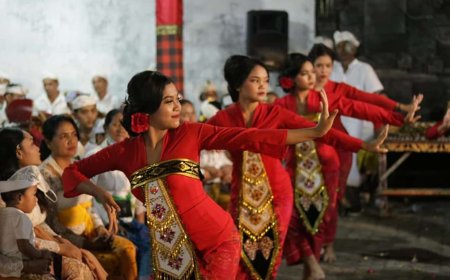
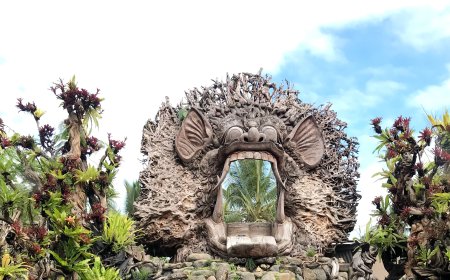
Area Madya Mandala (Source: Personal Collection)
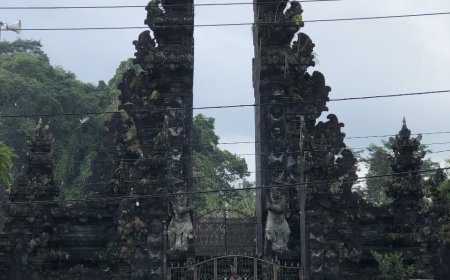
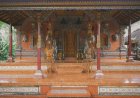
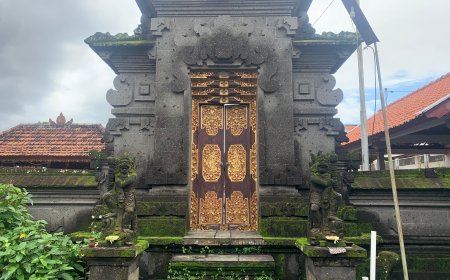
The first area is Nista Mandala, or the outer courtyard, which serves as a preparation space for the devotees before entering the more sacred areas. Next is Madya Mandala, the middle courtyard, which acts as a transitional zone. Here, devotees can gather, prepare offerings, or engage in supporting activities before proceeding to the holiest area. Utama Mandala, the center of sanctity in the temple, is where the main pelinggih (shrine) stands for worship.
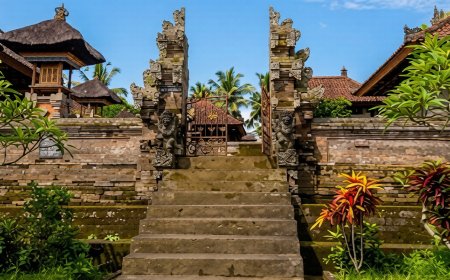
Every corner and element of this temple is meticulously designed, reflecting the beauty and noble values of Balinese culture. The towering gates are adorned with traditional Balinese carvings depicting natural motifs and stories from Hindu mythology. The layout is designed to embody the philosophy of harmony between humans, nature, and God.
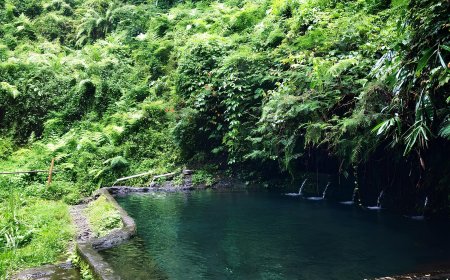
Among the elements, one of the most prominent is the beji garden, a place with sacred spring water that serves as the center for purification rituals. The water is believed to have magical power to cleanse all impurities, both physical and spiritual. As such, the beji garden plays a crucial role in the religious ceremonies held at this temple. The entire architecture of Pura Dalem Purwa Kubontingguh not only reflects aesthetic beauty but also holds deep spiritual significance. Every element of this temple serves as a reminder of the importance of maintaining the balance between humans, nature, and God, while showcasing the rich culture of the Balinese people that remains preserved to this day.

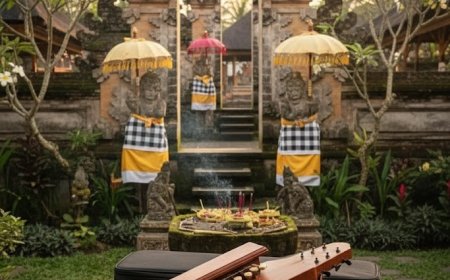
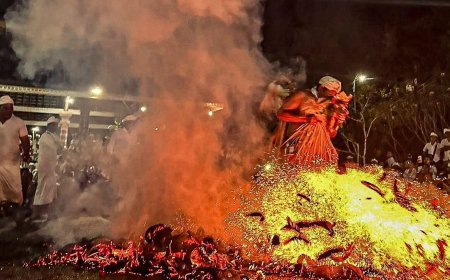
Utama Mandala Area (Source: Personal Collection)
Pura Dalem Purwa Kubontingguh was built as a place for worship and also as a spiritual avenue for Hindus to draw closer to God and perform soul-purification rituals. Why is this temple so important in Balinese culture? Because it honors Lord Shiva, who in Hindu teachings symbolizes death, destruction, and spiritual transformation. This reflects the cycle of life, which involves birth, life, death, and rebirth. Each part of the journey of the soul toward purification and perfection.
Moreover, Pura Dalem Purwa Kubontingguh represents an effort to maintain balance between humans, nature, and God. In Balinese Hindu philosophy, nature is seen as a manifestation of God that must be preserved and respected. Through the rituals and symbolism in this temple, devotees are reminded of the importance of maintaining a harmonious relationship with nature and God. The establishment of this temple is not only about personal spirituality but also holds a deeper meaning of preserving nature and ensuring the well-being of the community.
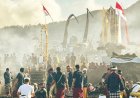
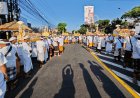
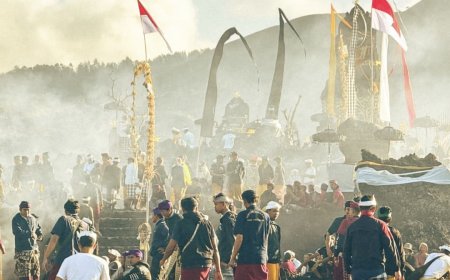
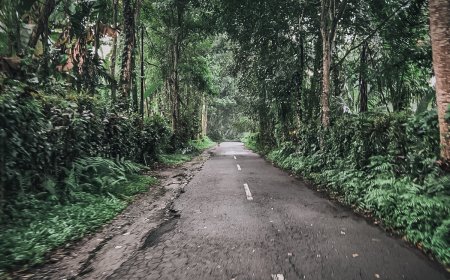
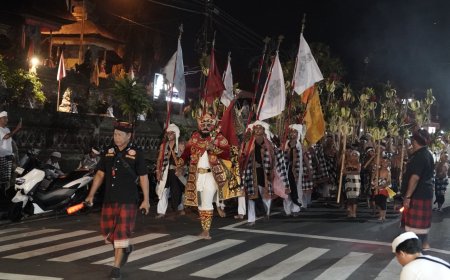
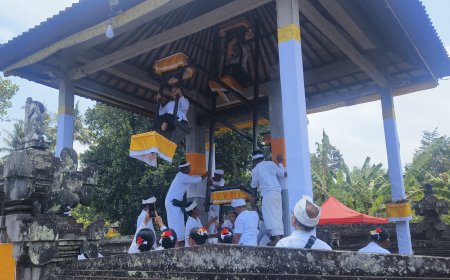
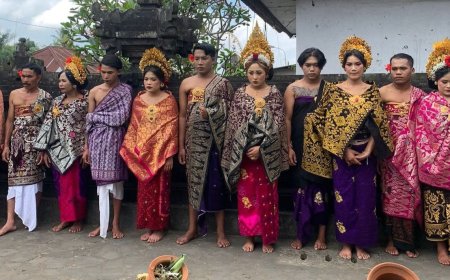
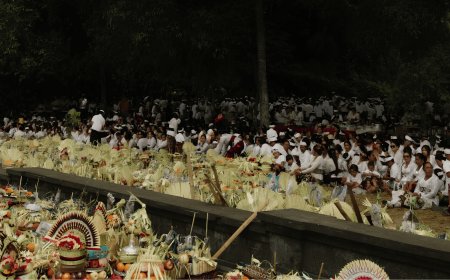
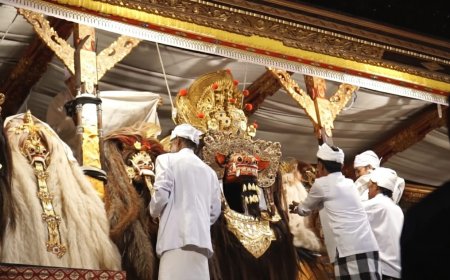
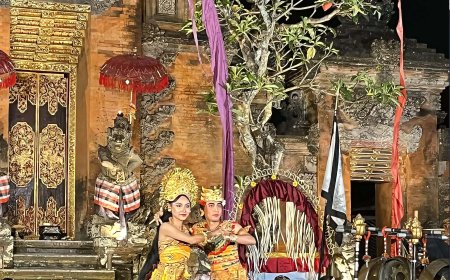
The temple is located in Kubontingguh Traditional Village, Denbantas District, Tabanan Regency, Bali. Its location is easily accessible and situated in a serene rural area surrounded by tall trees, offering a peaceful atmosphere that supports a spiritual experience for visitors. This temple is used year-round for various religious activities. Hindus regularly visit this temple for worship. Major ceremonies, such as Galungan, Kuningan, Melasti, and Tawur Agung, are also held here. Other rituals, such as ngaben (cremation) and soul purification ceremonies, are performed according to the Balinese Hindu religious calendar.

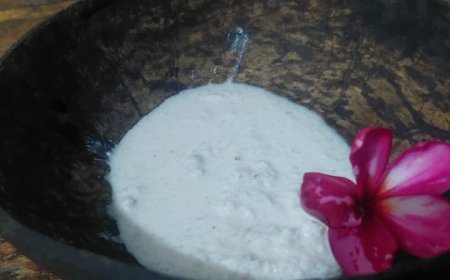
Area of Self-Purification Beji Garden (Source: Personal Collection)
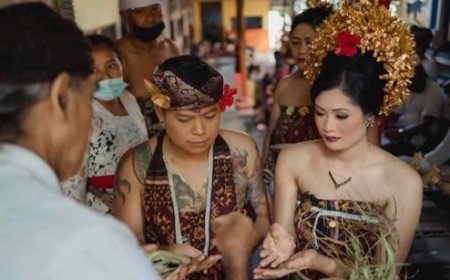
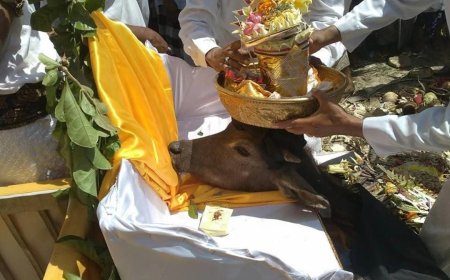
Religious ceremonies at Pura Dalem Purwa Kubontingguh are conducted according to Balinese Hindu traditions, guided by a priest or religious leader. Devotees bring offerings for prayers and rituals. The beji garden in this temple is used for the melukat or self-purification ritual with sacred water. In this ritual, devotees wash their bodies with water from the beji garden as a symbol of cleansing the soul from sins and negative energy. Every part of the temple, such as the gates and pelinggih (shrines), is symbolically designed to create spiritual harmony and support the course of the rituals.
Pura Dalem Purwa Kubontingguh reflects the harmonious relationship between nature and spirituality. The temple’s environment, filled with towering trees, the sound of birds, and the flowing water in the beji garden, creates a peaceful atmosphere that supports meditation and introspection. The beji garden, as the center of the purification ritual, serves as an important connection between humans and the universe.