










































When Chinese Flavors Meet Balinese Spices: The Delicious Secret of Siobak Singaraja
Bali is famous for dishes like babi guling and lawar, but in North Bali there is another special food that not many people know is Siobak Singaraja. This dish is the result of two culinary traditions coming together, Chinese cooking with its sweet and savory taste and Balinese cooking with its bold use of spices.

The Story of Siobak Singaraja
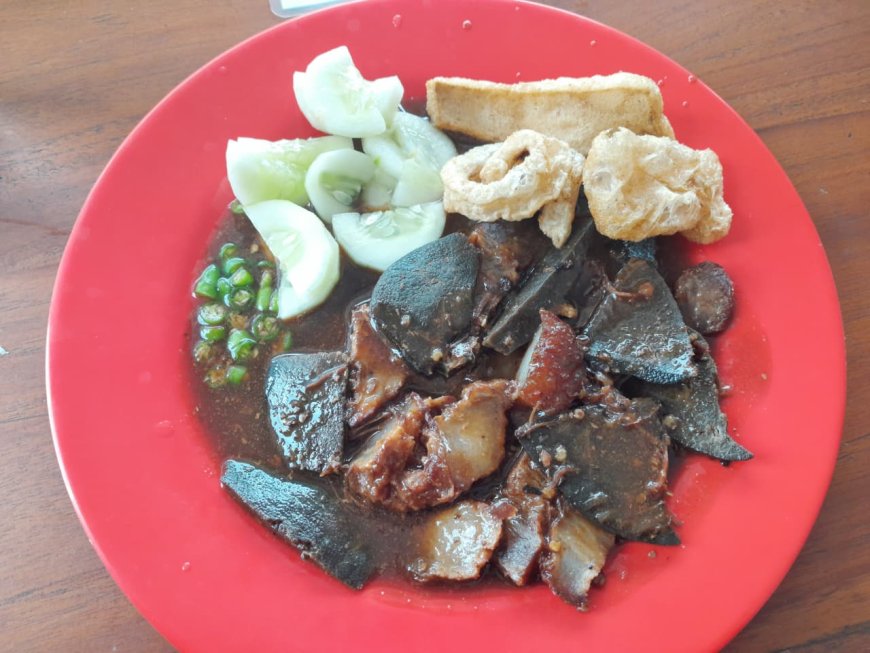
Siobak Singaraja is a famous pork dish from North Bali. At a quick glance, it might look like the Chinese dish siu bak. But the taste is totally different because it’s packed with special Balinese spices. In one bowl, you get all sorts of pork parts from the soft meat and crispy fried skin to the chewy organs and pig ears. Everything is cooked in a special sauce called "Loh Yang" and then covered in a thick, dark brown gravy, which is what makes Siobak Singaraja so unique. The Balinese spices give it a really complex flavor that’s savory, sweet, and salty all at once, with a great herbal smell.
A key person in this dish's history is Tan Khe Lok, a Chinese-Indonesian man who started the first popular siobak stall back in 1963. He came from a mixed family, his dad was an immigrant from China who married a local woman from Tejakula, Bali. At first, Tan Khe Lok and his wife just ran a small shop selling daily goods and snacks. But three years later, he opened his siobak stall, and it quickly became a big hit because it was so delicious. Ever since then, Siobak Singaraja has gotten super famous, not just among locals, but it's now known as a signature dish from Singaraja that's been passed down to this day.
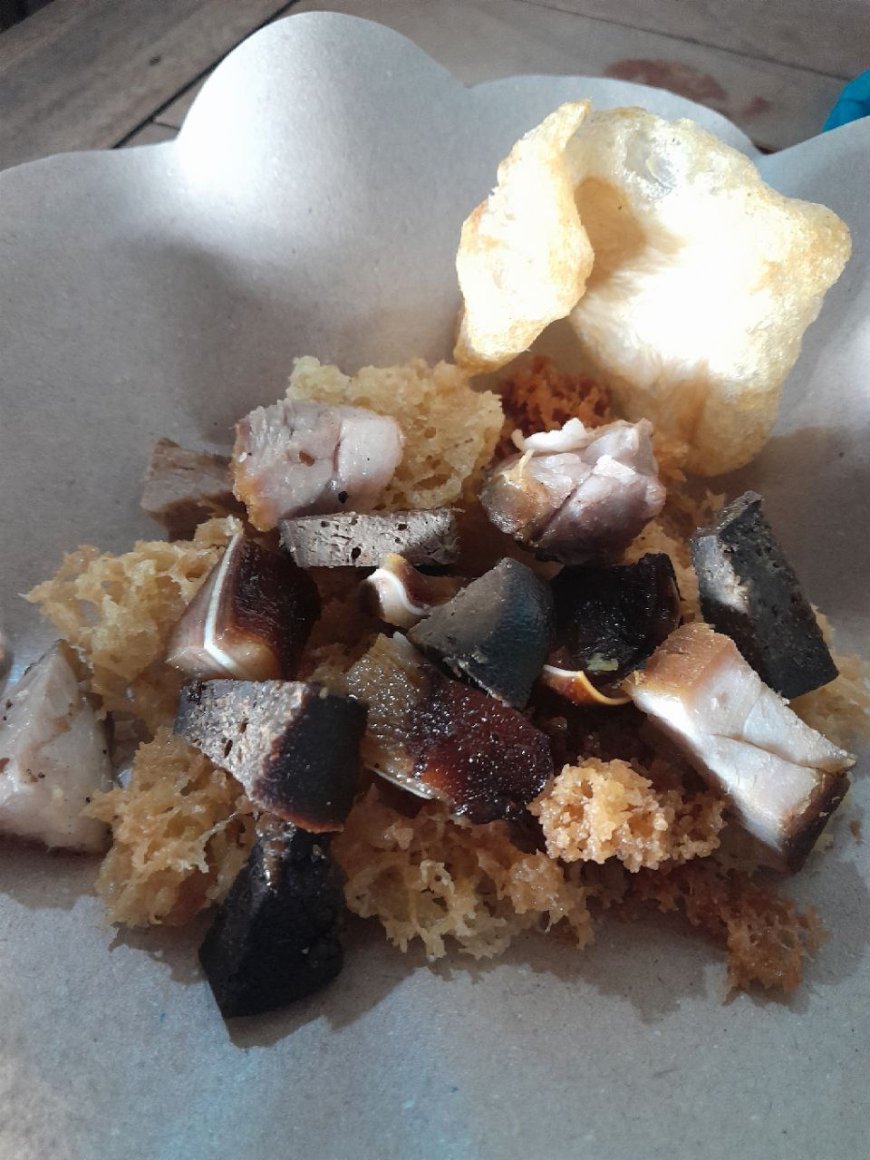
Types of Meat Used (Source: Personal Collection)
Ingredients and How to Make Siobak Singaraja
Siobak Singaraja is made by picking out different cuts of pork, where each part adds its own special flavor to the dish. The main meaty part is cooked until it's super tender, so it’s soft and easy to chew. Besides the meat, there's also pork liver and crispy fried egg bits that give a nice crunch, creating a great contrast with the soft meat. Crispy pork crackling (skin) is also served on the side, adding another layer of texture and that classic savory taste. Other parts, like the internal organs (offal), are slowly boiled to make sure they're cooked through while keeping their original chewy texture, giving you a different experience in every bite. Pig ears are another unique ingredient, offering a distinct chewiness that's a favorite for people who enjoy interesting textures. All these different parts are then chopped into small, bite-sized pieces, so every spoonful gives you a perfect mix of meat, skin, organs, and ear.
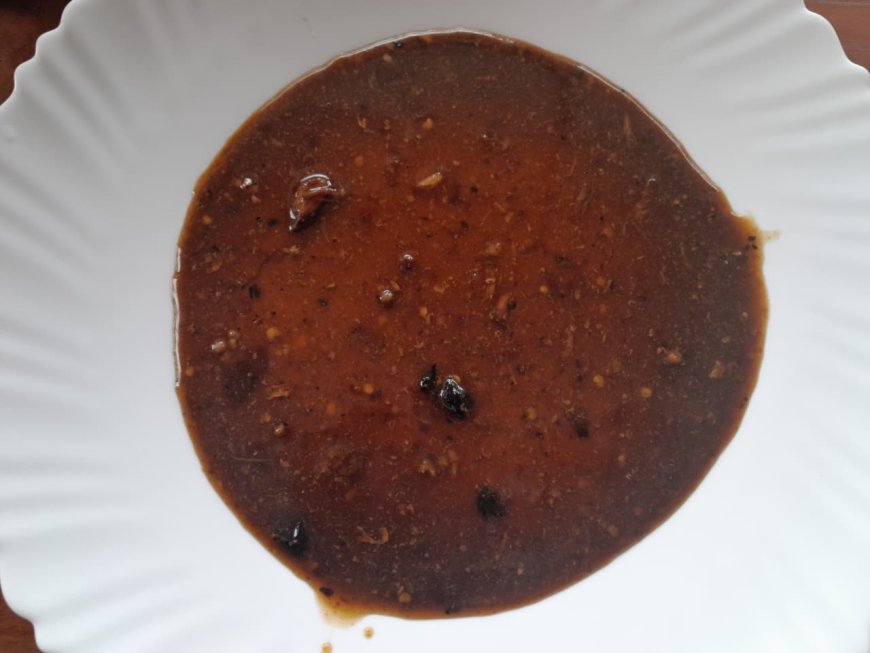
Gravy of Siobak Singaraja (Source: Personal Collection)
The gravy of Siobak Singaraja is the most special part that truly sets it apart from other dishes. It's made from a mix of sweet and salty soy sauces, then made richer with a broth from pig head bones that have been slowly simmered for hours to bring out the best flavor. This long boiling process not only creates a naturally savory broth but also gives it a distinct, delicious aroma that makes your mouth water as soon as it's poured. The flavor gets even more complex with the addition of special seasonings like tauco (fermented soybean paste) for a salty kick, cinnamon for a warm and sweet-spicy touch, and bird's eye chilies for a surprising bit of heat in between bites. These spices don't just add layers of taste they create a unique harmony of sweet, salty, savory, spicy, and a little bit of sour, all perfectly balanced. On top of that, cornstarch is used to thicken the sauce, making its texture smoother and thicker so that every drop clings perfectly to the pieces of meat. As a result, the sauce isn't just a side element it's the very soul of the siobak's flavor. Without this signature sauce, the dish wouldn't have the strong identity it has today.
Siobak Singaraja Dish (Source: Personal Collection)
The Flavor of Siobak Singaraja
The unique thing about Siobak Singaraja is its incredibly rich mix of flavors and textures. In just one plate, you get a kind of food harmony that's hard to find anywhere else. The pork is cooked until it's melt in your mouth tender, making every bite soft and easy to eat. The crispy fried skin adds a satisfying crunch, while the organs offer a totally different sensation with their unique texture. And don't forget the chewy pig ears, which give a fun and unusual eating experience you don't find in everyday meals. All of these pieces are brought together by that thick, dark brown sauce, which soaks into every bit of meat and coats your mouth with a combination of savory, sweet, and salty flavors, plus a strong aroma of spices. Every mouthful of siobak is a multi-layered experience. It starts with the softness of the meat, followed by the crunch of the skin, and ends with the warm, complex spices of the sauce. This diverse flavor experience is what makes Siobak Singaraja so special, setting it apart from other Balinese dishes like lawar, which is typically fresh and spicy, or babi guling (suckling pig), which is rich with traditional Balinese herbs. Siobak Singaraja brings something new to the table a more balanced, smooth flavor that’s rich with the sweet and savory notes often found in Chinese cooking, but still feels familiar and comforting to the Balinese palate.
More than just food, for the people of Singaraja, siobak is more than just a meal; it holds deep symbolic meaning. The dish was born from the blending of Chinese and Balinese cultures, which have coexisted peacefully for centuries. From its humble beginnings as a small stall run by Tan Khe Lok and his wife, siobak has grown into an iconic dish that represents the identity of Singaraja itself. The journey of Siobak Singaraja shows how the local community has been able to embrace differences, blend traditions, and create a unique and valuable culinary heritage.