











Pralambang Bhasa Wewatekan: The Lament of a Klungkung Princess over Her Father’s Death in the Kusamba Puputan and the Shadows of Colonialism
The Kakawin Pralambang Bhasa Wewatekan was born from the lament of a Klungkung princess over the death of her father in the Kusamba Puputan. This work stands out for its use of mixed language, its praise to ancestors, and its historical notes. Through this composition, personal experience and historical context intertwine, making it a highly valuable cultural heritage.

Traces of Grief in Puri Klungkung
The year 1849 marked one of the darkest times in the history of Klungkung. On the shores of Kusamba, King Dewa Agung Putra Kusamba fell in the puputan battle, a fight to the death against Dutch troops. This tragedy gave birth to a unique literary work entitled Pralambang Bhasa Wewatekan, written by the king’s daughter, Ida I Dewa Agung Istri Kanya. This kakawin was born out of personal lament, far removed from the tales of gods or Indian epics that usually fill kakawin literature.

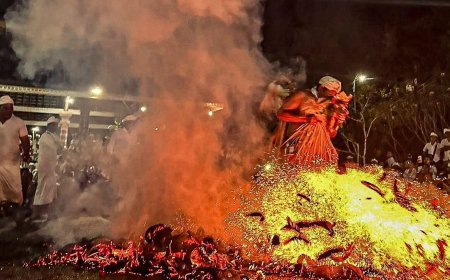
The Kusamba War on the Shores of Kusamba, AI Illustration (source: Private Collection)
The secluded environment of the Semarapura palace became the background in which the literary awareness of this Klungkung princess grew. Raised amidst royal traditions steeped in Hindu values, Ida I Dewa Agung Istri Kanya absorbed the wisdom of her father, Dewa Agung Putra Kusamba, and the palace poets. Values of modesty, humility, and reverence for ancestors shaped her worldview, which was later reflected in her literary work. This awareness became her response to the deep sorrow caused by the political conflicts and wars that colored nineteenth-century Bali.
The Gentle Voice of a Princess
This kakawin reveals another side of Balinese literature is the voice of a noblewoman who poured her grief into poetic lines. Gentle tones and restrained laments are clearly visible as she describes the loss of her father, who was also her teacher and king. Through this work, her grief was lifted from the heart into words, serving as a form of catharsis and structured emotional processing.

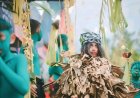
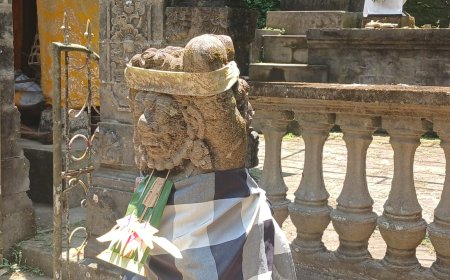
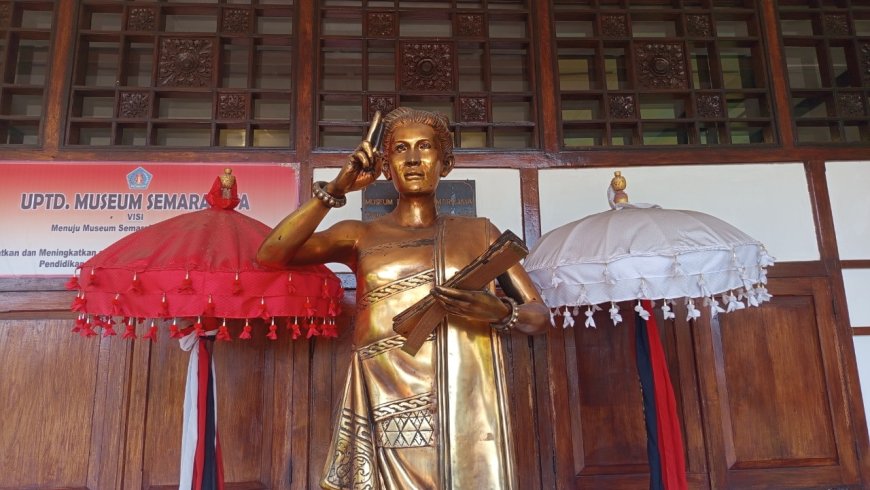
Statue of Ida I Dewa Agung Istri Kanya (source: Private Collection)
In addition, this work unveils glimpses of the past life of the Klungkung kingdom, highlighting the greatness of Dewa Agung Putra Kusamba. Detailed information about palace life, royal attire, and court protocol not only provides historical context but also shows the personal bond between the author and her surroundings. This approach blends historical narrative with profound emotional expression.
Distinctive Features of the Kakawin
Unlike classical kakawin, Pralambang Bhasa Wewatekan displays several unique features. The language used is predominantly Old Javanese but also includes foreign names such as Dutch, which are rarely found in traditional works. There is no manggala praising the gods, instead, it offers praise to ancestors and her father. The epilogue is replaced with a sorrowful tone, underscoring grief that never subsides.

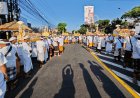
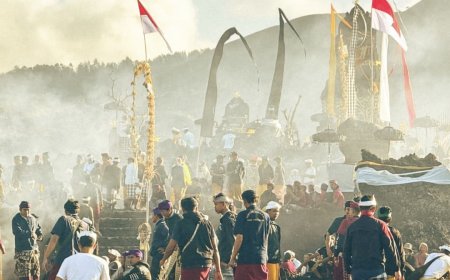
Potrait of Puputan Klungkung (source: Private Collection)
Furthermore, this work is the result of collaboration in its initial writing between Ida I Dewa Agung Istri Kanya and her father, Dewa Agung Putra Kusamba, where the king’s experiences, advice, and influence were poured into the opening verses of the kakawin. Afterwards, Ida I Dewa Agung Istri Kanya continued writing independently, and later her student completed the final part in the form of a kidung, thus creating a threefold composition that harmoniously united their voices.
From Lament to Memory
Though born from the grief of a princess, this kakawin became a collective memory of the Balinese people. Readers are invited to immerse themselves in the soul of a daughter who laments while also remembering the courage of her ancestor who refused to submit. The Kusamba War became a symbol of steadfastness and royal honor. As its verses are read, readers understand how personal sorrow was transformed into historical narrative and a tribute to cultural values. The blend of personal story and collective history makes this work an invaluable source for the study of Balinese history and literature.