









Between Words and Feeling: Anggah-Ungguhing Basa Bali as a Mirror of Balinese Social Etiquette
Anggah-ungguhing basa Bali is a system of six speech levels in Balinese language that reflects the social hierarchy of Balinese society, ranging from basa alus singgih (to honor the upper class) to basa kasar (impolite language). This system functions as a marker of social status based on wangsa (caste) and reflects the values of courtesy and etiquette in Balinese culture.

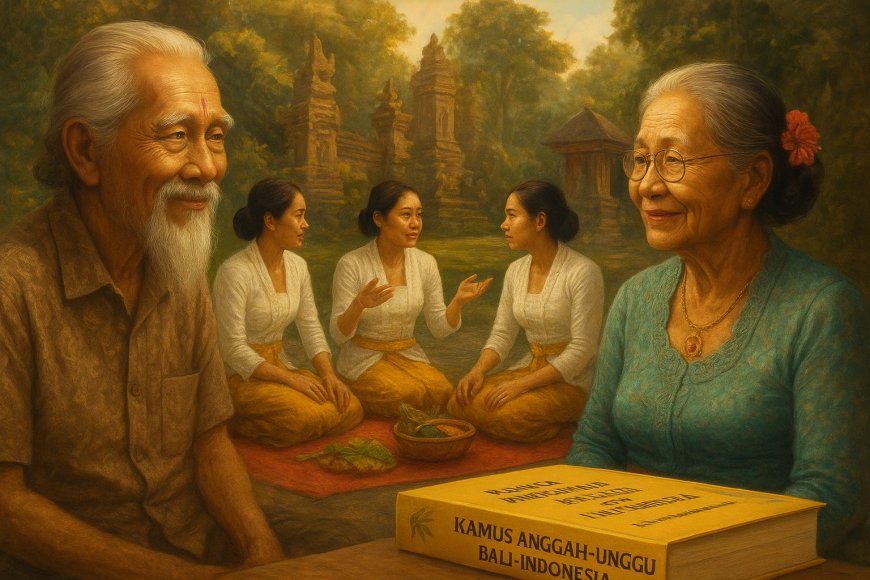
Balinese language as the mother tongue of Balinese society possesses unique characteristics not found in other languages in Indonesia. The main uniqueness of Balinese language lies in its speech level system called anggah-ungguhing basa Bali. This system reflects the values of politeness, courtesy, and etiquette that are deeply rooted in Balinese society.
Anggah-ungguhing basa Bali is a system of word usage in Balinese language that is adjusted according to social status, age, and position between the speaker and the interlocutor. This system requires every Balinese speaker to pay attention to three important aspects which their own status, who their conversation partner is, and who is being talked about. Mistakes in using anggah-ungguhing basa can cause communication disharmony, offense, and even social conflict.
Anggah-ungguhing basa Bali functions not only as a communication tool, but also as a marker of social class and a mirror of Balinese social etiquette. This system grew and developed along with the influence of Javanese culture during the kingdom era in Bali, where Balinese society was divided into four wangsa (castes) such as brahmana, ksatria, waisya, and sudra. This division created a social hierarchy that is reflected in language use, where someone must use the appropriate language level according to the social status of their interlocutor.
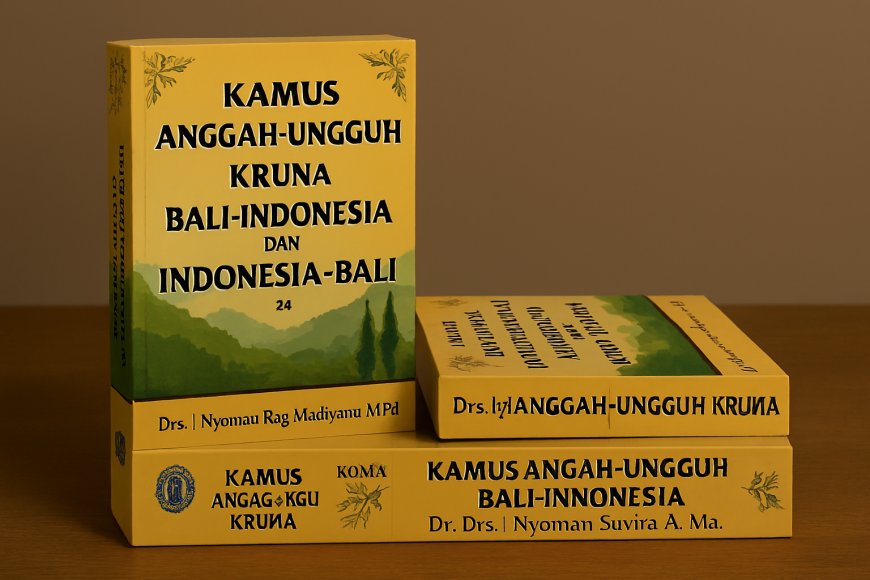
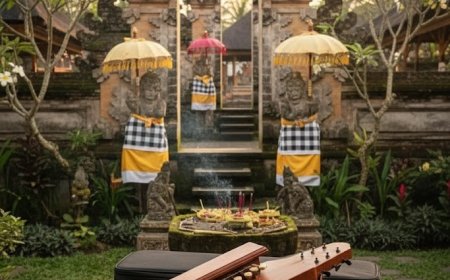
Book of Anggah Ungguh Basa Bali, AI illustration (Source: Personal Collection)
Based on the emotional value contained in its constituent elements, Balinese sentences are divided into six levels that reflect the gradation of politeness and social status in Balinese society. These six levels are basa alus singgih, basa alus madia, basa alus sor, basa alus mider, basa andap, and basa kasar.
Basa alus singgih is the highest language level used to honor people who have higher social status. Basa alus singgih is formed with words that have refined emotional value and is used when speaking with or about the triwangsa group and high officials. For example, "Bapak Bupati kantun madué oka alit-alit" (The regent still has small children) uses the words "kantun" (still), "madué" (have), "oka" (child) to show the highest respect.
Basa alus madia has refined emotional value but is lower compared to alus singgih. This language is used when someone speaks with people of equal social status but are not yet familiar or in semi-formal situations. For example, "Tiang nunasang antuk linggih Jeroné?" (I am asking about your status?) uses the words "tiang" (I) and "linggih" (position) to show medium-level politeness.
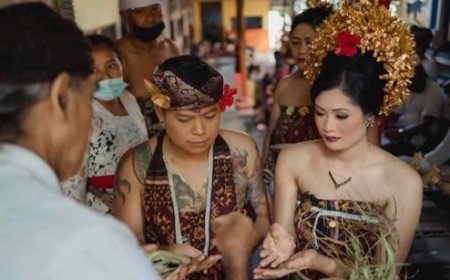
Basa alus sor is used to humble oneself or when speaking with respected people. This level reflects the speaker's humble attitude when talking with respected people or when referring to oneself and family. For example, "Titiang sampun nunas i wawu" (I have already eaten) uses the words "titiang" (I in humble version) and "nunas" (eat in humble version).
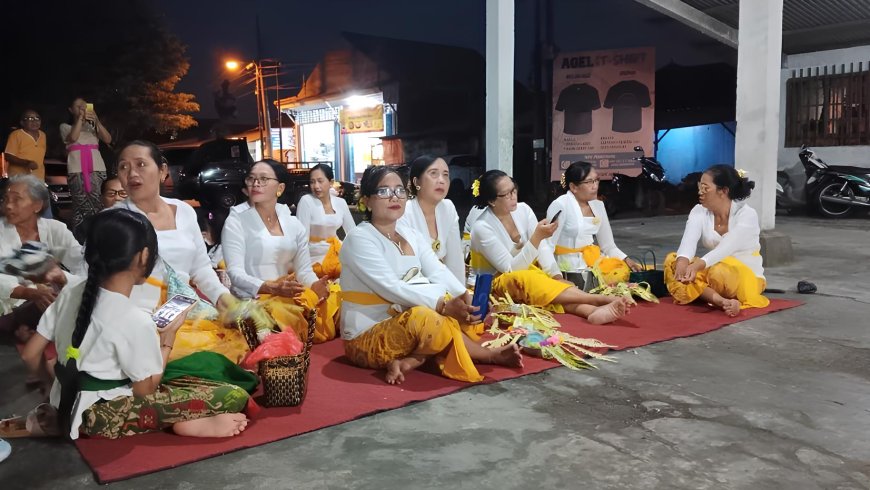
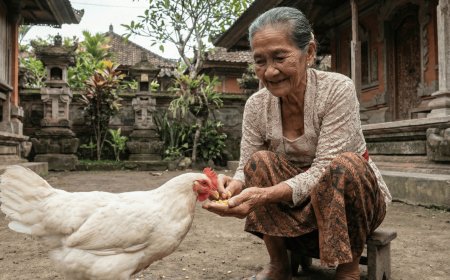
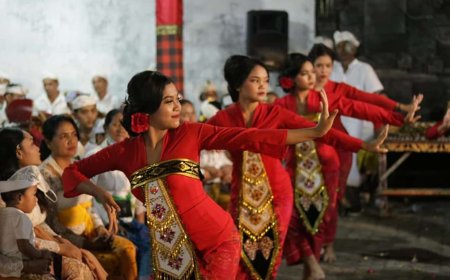
Women Chatting Using Basa Alus Sor (Source: Personal Collection)
Basa alus mider is used in neutral communication and is often used in official forums. This level functions as an intermediary language that can be used by anyone regardless of social status. For example, "Ngiring iraga sareng-sareng ngastiti Hyang Widhi" (Let us together worship God Almighty) shows neutral and inclusive characteristics.
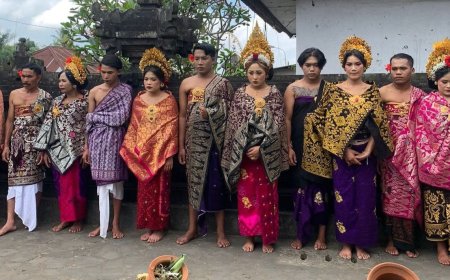
Basa andap is ordinary language used in daily conversations between people of equal social status. This level is most frequently used in informal communication among peers without considering social hierarchy. For example, "Icang lakar ngecét témbok malu Luh" (I want to paint the wall first, Luh) reflects casual communication.
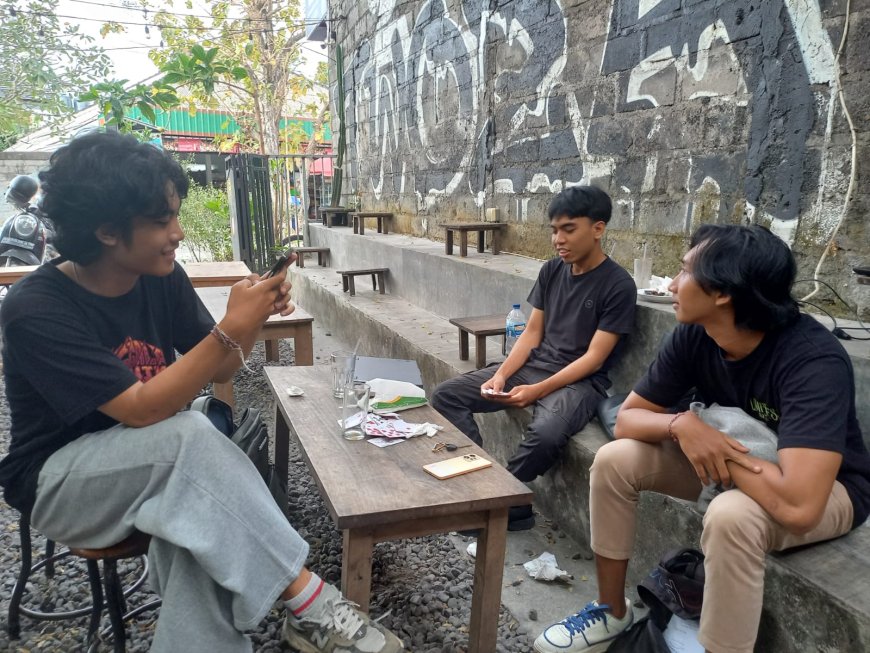
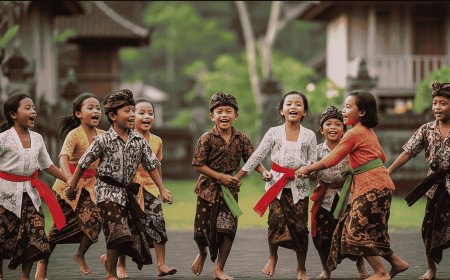
Young People Gathering and Chatting Using Basa Andap (Source: Personal Collection)
Basa kasar has bad emotional value and is generally used in emotional situations or to show disrespect. The use of basa kasar reflects the loss of etiquette and can cause social conflict if used in inappropriate contexts. Examples of rough sentences like "Depang suba apang bangka polonné" (Let him just die) or "Men Cai ngléklék di sanggah ngaé WC?" (Why are you making a toilet in a sacred place?) show language use that does not respect the interlocutor and can damage social harmony.
The existence of anggah-ungguhing basa Bali teaches that language is not merely a communication tool, but a mirror of civilization that contains the values, ethics, and life philosophy of its speakers. Therefore, efforts to preserve and revitalize this language must be carried out wisely so that this system remains preserved within Balinese society.
References
Sutika, I. N. D. (2019). Penggunaan anggah ungguhing basa Bali; sebuah kesantunan dan penanda kelas sosial
masyarakat Bali. Pustaka, 19(2), 68-73.
Suwija, I. N. (2018). Tingkat-tingkatan kalimat bahasa Bali (perspektif anggah-ungguh basa). In Prosiding LP2M
– UNDHIRA BALI (pp. 227-234). IKIP PGRI Bali.