







Penarungan Tourism Village: Taman Beji Paluh Between River and Subak
Behind the vast rice fields of Penarungan Village, Badung, flows a living story of the relationship between humans, water, and belief that has been preserved across generations. Taman Beji Paluh stands not merely as a natural spring, but as a sacred space where purification rituals, prayers, and collective memory converge. The gentle sound of flowing water, the surrounding agrarian landscape, and the quiet atmosphere enveloping the beji create a sense of serenity imbued with spiritual meaning. Stories passed down by village elders about sacrifice and harmony with nature further deepen the significance of this place. Visiting Penarungan Village is an invitation to walk through a living narrative, where water shapes space, rituals shape identity, and tradition continues to flow through everyday life.

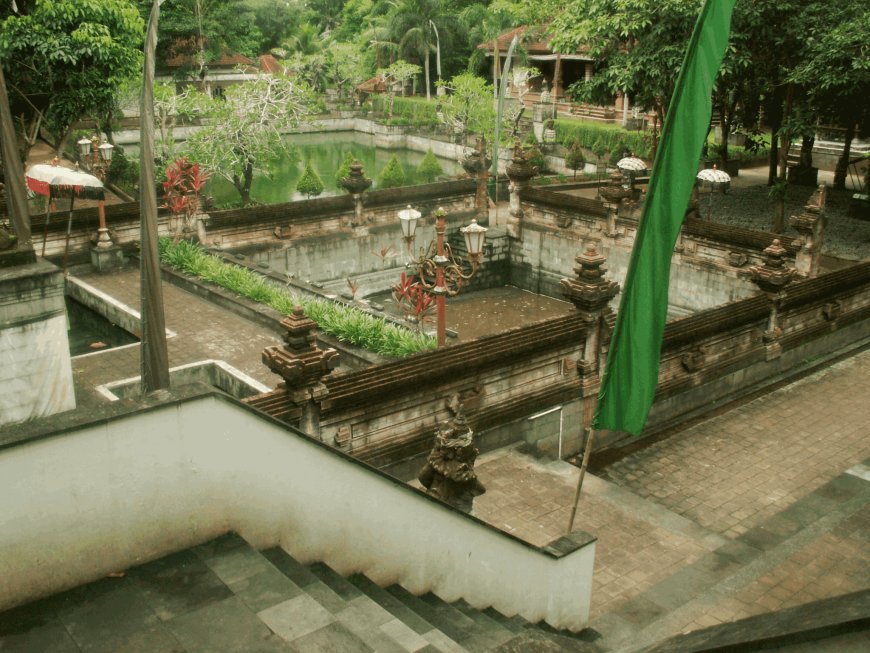
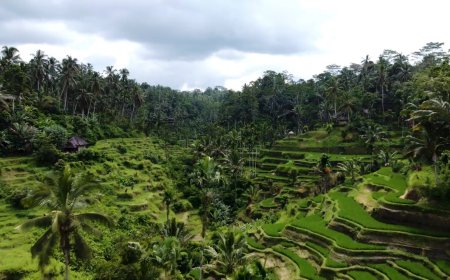
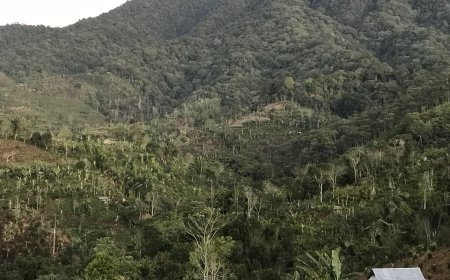
Penarungan Village is a rural area in Badung Regency that reflects a close relationship between nature, traditional agricultural systems, and the religious practices of Balinese society. The village landscape is dominated by rice fields nourished by flowing rivers, illustrating a harmonious balance between agrarian life and customary values that have been preserved through generations. The calm rural atmosphere remains a defining characteristic of Penarungan, reinforcing the continuity of the relationship between people and their environment.
Geographically, Penarungan Village lies along a route connecting several important areas in central Bali, including Mengwi, Sangeh, and Ubud. This position places Penarungan within active movement corridors while allowing it to retain its traditional village character. The subak system continues to function not only as an irrigation network but also as a social institution that binds the community through collective responsibility.
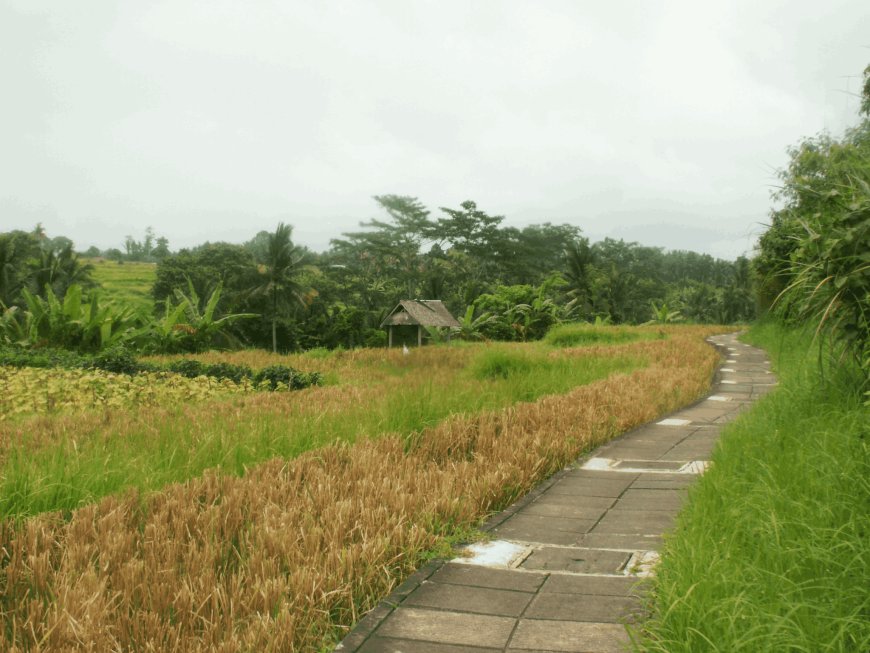
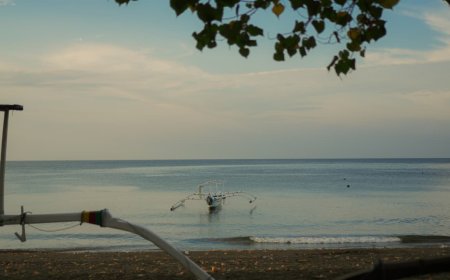
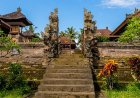
Rice Field Landscape and Jogging Track in Penarungan Tourism Village (Source: Personal Collection)
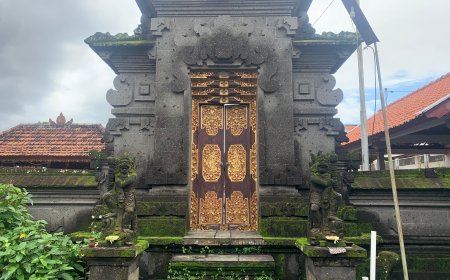
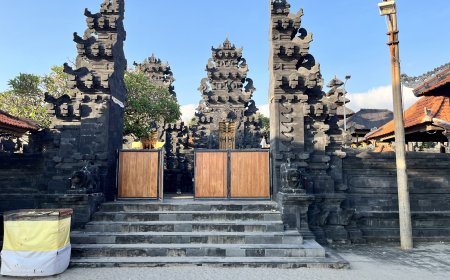
One of the most significant areas in Penarungan Village is Taman Beji Paluh, a sacred site associated with the presence of a natural spring. This beji is understood not only as a physical source of water but also as a spiritual space that holds deep meaning within the religious life of the community. For generations, the spring has been used in ritual contexts, particularly for purification ceremonies.
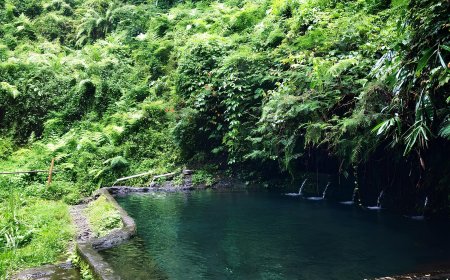
Originally, the spring at Taman Beji Paluh flowed through five fountains known as Pancoran Lima or Tirta Sudamala. These fountains were used in purification rituals intended to cleanse oneself from elements of dasamala. In practice, the water is also believed to aid in both non-medical and certain medical healing processes, particularly related to eye and skin ailments.
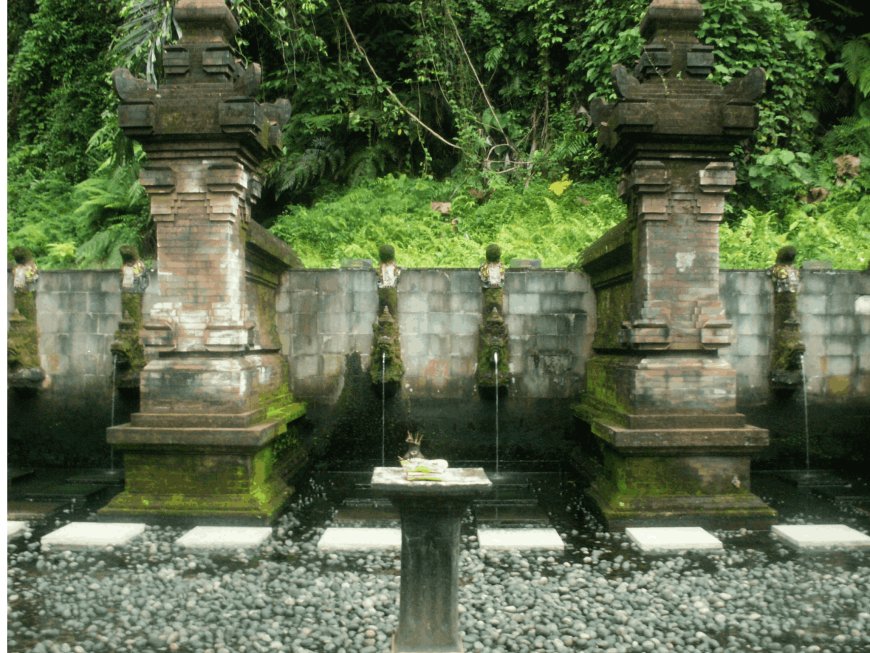
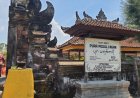
Pancoran Lima Located at Taman Beji (Source: Personal Collection)
Over time, Pancoran Solas was constructed using the same water source. The addition of these fountains was intended to accommodate a broader number of worshippers participating in purification rituals. Pancoran Solas is used in ceremonies seeking kerahayuan or divine blessing from Dewa Wisnu, with spiritual intentions that vary according to each pemedek.
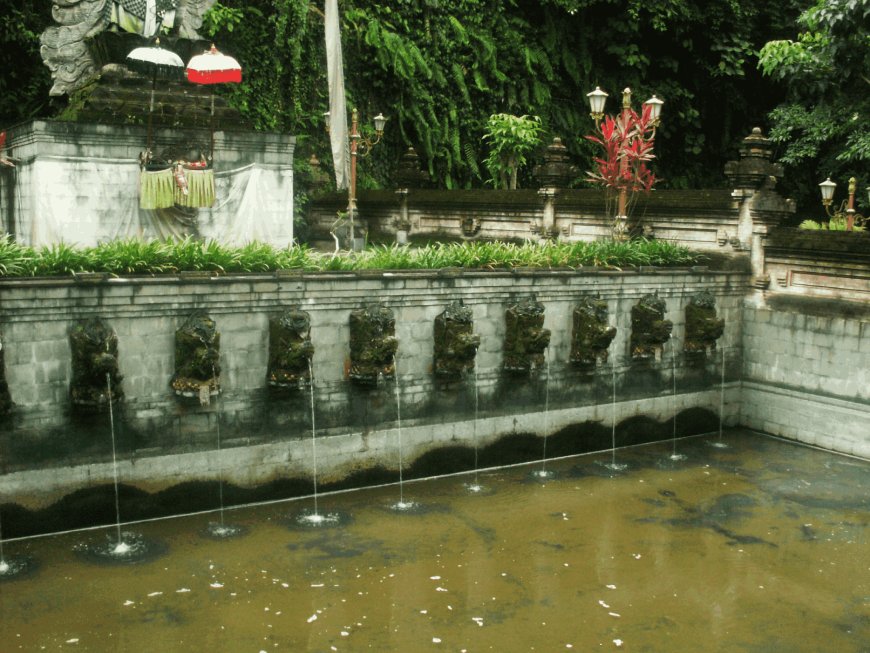
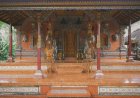
Pancoran Solas Located at Taman Beji (Source: Personal Collection)
Taman Beji Paluh is also closely linked to oral histories passed down from generation to generation. According to village elders, this area was once part of a river system connected to Tukad Yeh Penet and Bebengan. These waterways played an important role in supporting the irrigation of surrounding rice fields.
When the Subak of Desa Kapal required additional water supply, the community attempted to redirect the spring water from Penarungan. This effort involved constructing earthen embankments as flow barriers, beginning from the area formerly known as Banjar Abing, now Banjar Dauh Peken. However, these embankments repeatedly collapsed.
According to local narratives, a tragic event then occurred, understood as an act of sacrifice. A pangliman, or water regulator, reportedly fell and died near the embankment. After this incident, the embankment no longer collapsed. The uneven ground left by the breached embankment, described as mepaluh-paluh, later gave rise to the name Taman Beji Paluh.
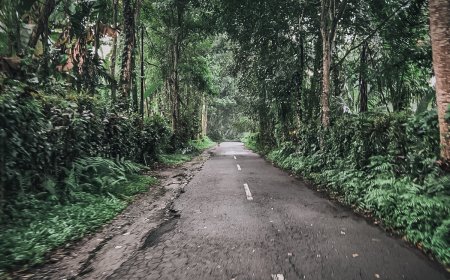
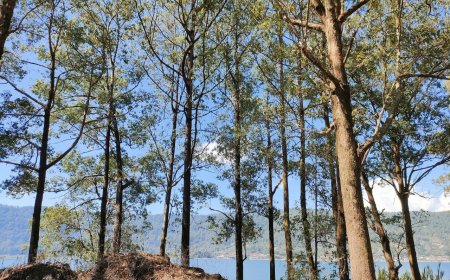
Beyond the beji area, Penarungan Village also features a jogging track stretching approximately 1.4 kilometers. The path winds through rice fields and along riverbanks, utilizing the existing natural landscape without altering the primary function of agricultural land.
Penarungan Village is also traversed by a river used as a gentle rafting route known as the Lazy River. Unlike typical rafting routes with strong currents, this river offers a calm experience focused on drifting along the water while observing the surrounding natural scenery.
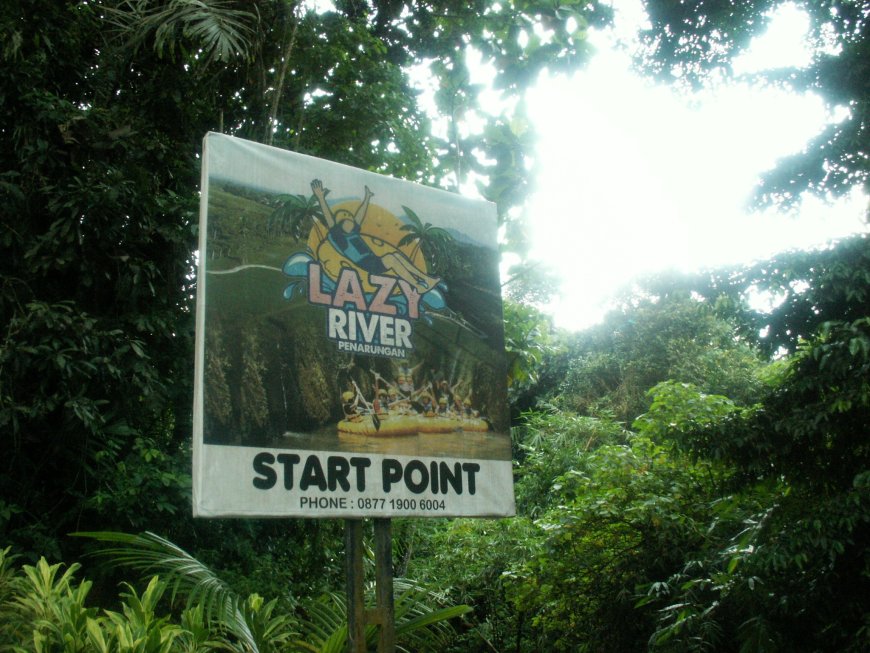
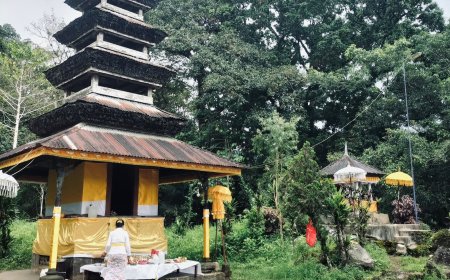
Lazy River Ride Starting Point (Source: Personal Collection)
Overall, Penarungan Village demonstrates how natural landscapes, agricultural systems, and religious practices form a unified living space. Springs, rice fields, rivers, and community activities are interconnected within a socio-cultural structure that continues to be preserved to this day.