
























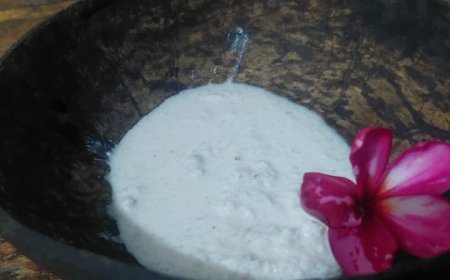


The Miracle of Beji Spring at Manik Asem Temple: Blessings from Mount Batu Karu that Touch the Lives of the Local Community
The Beji Spring at Dalem Manik Asem Temple in Bali is not just a natural wonder but a sacred source of life and spiritual reflection for the local community. Discovered in 2018, it’s seen as a divine blessing, providing holy water for rituals while nourishing both the body and soul. Beyond its spiritual significance, the spring supports agriculture, daily life, and eco-spiritual tourism. With conservation efforts in place, this sacred spring is a symbol of harmony, connecting nature, spirituality, and sustainable living in Bali.


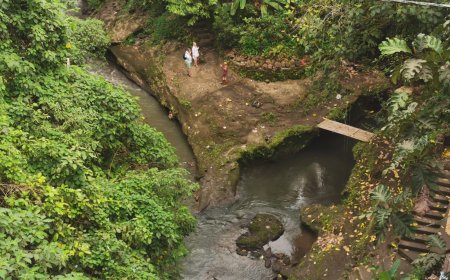
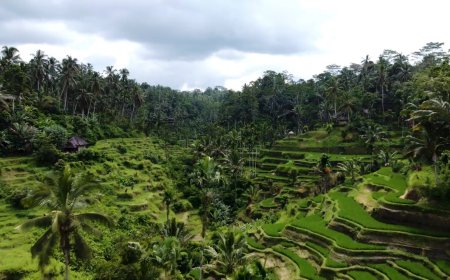
Bali, often referred to as the Island of the Gods, is renowned not only for its breathtaking natural beauty but also for its profound cultural and spiritual heritage. Among its many treasures lies the Beji Spring of Dalem Manik Asem Temple, located in the serene village of Sudimara, Tabanan Regency. This sacred spring is a source of life, inspiration, and spiritual reflection for the local community and visitors alike.
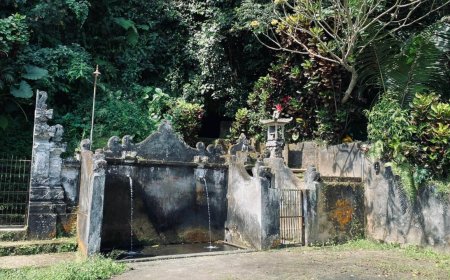
Discovered in 2018, the Beji Spring’s sudden emergence within the grounds of Dalem Manik Asem Temple was seen by the community as a miraculous event. The story of its appearance, where water began flowing abundantly and unexpectedly, is deeply intertwined with the spiritual beliefs of the villagers. To them, this spring is a divine blessing an extraordinary manifestation of grace that reinforces the sacredness of their temple and village.
For the people of Sudimara, this spring is far more than a natural water source. It holds profound spiritual significance, deeply rooted in Hindu traditions that emphasize the sacredness of water as a symbol of purity, life, and renewal. The spring, known as Beji, serves as a vital source of tirtha holy water, which is an essential element in many religious rituals. People believe that the water not only cleanses the body but also purifies the soul, bringing a sense of inner peace and blessings to those who use it with sincere intentions.
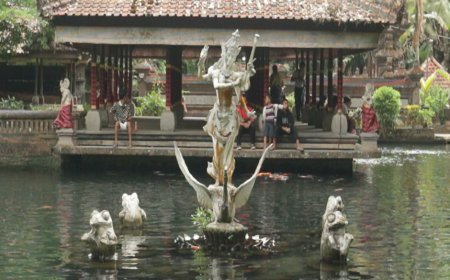
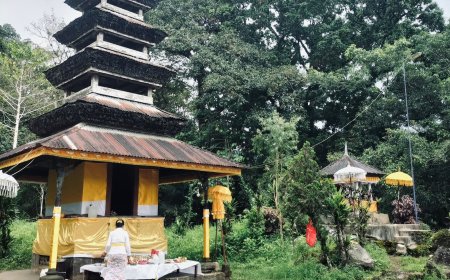
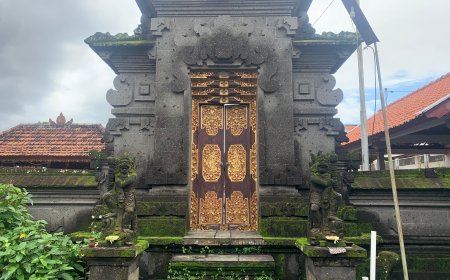
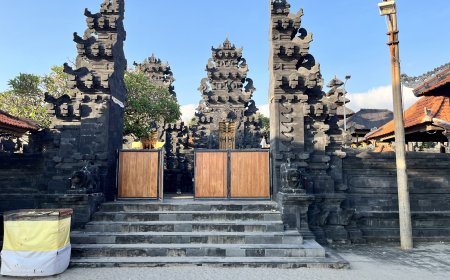
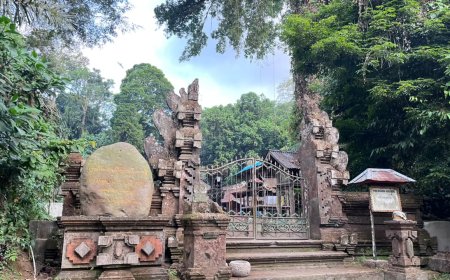
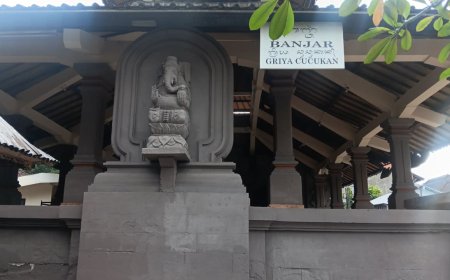
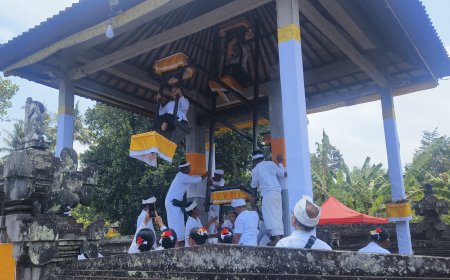
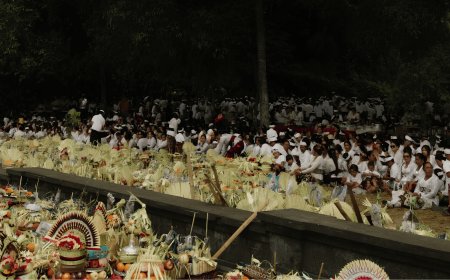
The Dalem Manik Asem Temple, where the spring is located, is a cornerstone of spiritual and cultural life for the surrounding community. Three banjars Bengkel, Sudimara Kaja, and Sudimara Kelod collectively oversee the temple’s care and ceremonies. This sacred site plays a central role in important rituals, such as pitra yadnya, which honors ancestral spirits. The presence of the Beji Spring enhances the sanctity of these ceremonies, connecting worshippers more deeply to their faith and traditions.
Beyond its spiritual importance, the spring plays a crucial role in sustaining daily life in the village. Sudimara’s economy heavily relies on agriculture, making the availability of clean, reliable water indispensable. The Beji Spring supports irrigation, household needs, and overall community well being. Its dual role as both a sacred resource and a practical lifeline underscores its immense value to the people.
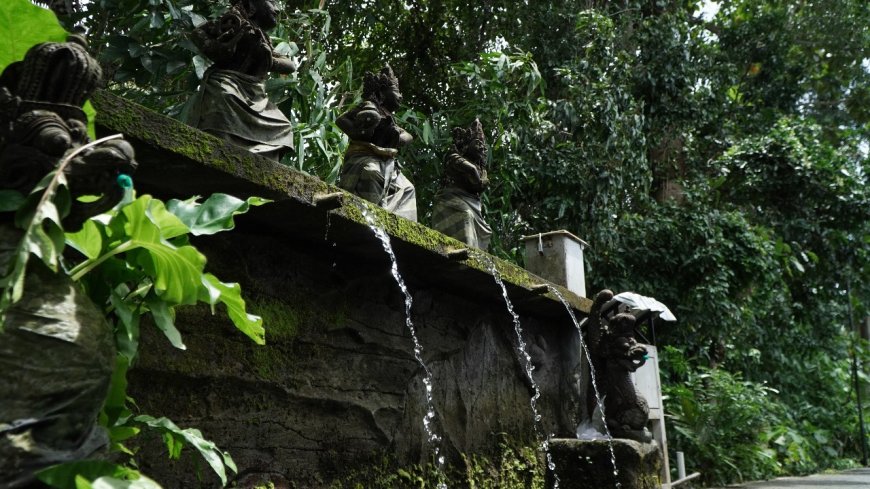
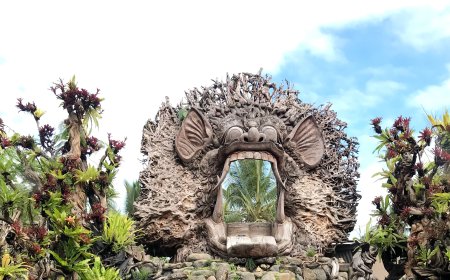
Beji Manik Asem Temple (Photo Source: Editor's Collection)
The potential of the Beji Spring extends beyond meeting immediate needs it also holds promise for sustainable development and tourism. Bali’s unique ability to blend natural wonders with cultural richness has always drawn travelers from around the world. The Beji Spring, with its tranquil beauty and spiritual resonance, has the potential to become a destination for visitors seeking meaningful and restorative experiences.
Tourists visiting Dalem Manik Asem Temple are offered a rare opportunity to immerse themselves in Bali’s spiritual traditions. Here, they can witness the harmonious philosophy of Tri Hita Karana, which emphasizes balance among humanity, nature, and the divine. By engaging with the local community, visitors gain insight into how this philosophy shapes the daily lives of the Balinese people, from their rituals to their sustainable practices.
Recognizing the spring’s significance, both the local community and the government have made concerted efforts to preserve and protect it. Conservation initiatives ensure that this invaluable resource remains intact for future generations. These efforts include maintaining the purity of the spring, managing water usage responsibly, and safeguarding the surrounding environment.
Bupati I Komang Gede Sanjaya, a strong advocate for sustainable development, has encouraged the Sudimara community to actively participate in preserving the Beji Spring. In his words, this spring is not just a source of water but a legacy of cultural and spiritual importance. He emphasizes the shared responsibility of protecting it, ensuring its continued benefits for both present and future generations.
The government’s conservation programs include educational campaigns to raise awareness about the importance of sustainable water management. These initiatives aim to foster a sense of collective stewardship, encouraging villagers and stakeholders to work together in preserving this vital resource. By balancing modern needs with traditional values, the community ensures that the Beji Spring remains a symbol of harmony and resilience.
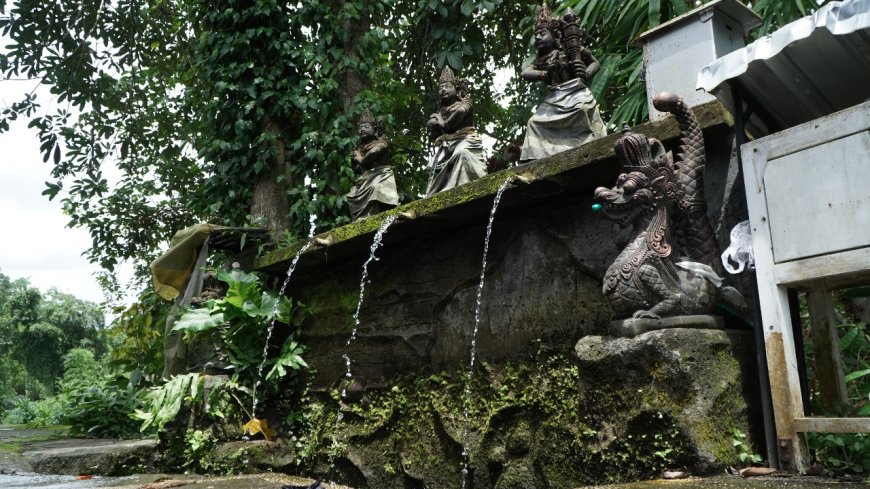
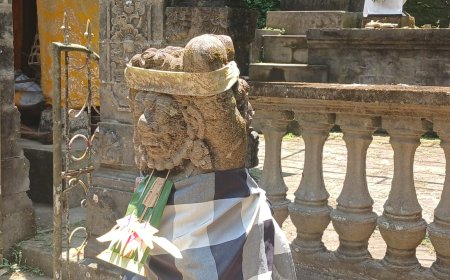
Beji Manik Asem Temple (Photo Source: Editor's Collection)
The Beji Spring also represents an opportunity for eco-spiritual tourism, a growing trend among travelers who seek experiences that nourish both the soul and the environment. Dalem Manik Asem Temple, with its lush surroundings and sacred atmosphere, offers visitors a serene escape from the pressures of daily life. The sound of flowing water, combined with the temple’s rich history, provides a unique setting for introspection and spiritual renewal.
In conclusion, the Beji Spring of Dalem Manik Asem Temple is more than just a natural phenomenon; it is a profound symbol of the interconnectedness between humanity, nature, and spirituality. For the people of Sudimara, it is a source of blessings, unity, and pridea treasure that enriches their lives in countless ways.
Through ongoing conservation efforts and thoughtful engagement with the wider world, the spring’s legacy will continue to grow. It stands as a testament to the enduring values of purity, respect for nature, and the spiritual depth that define Bali’s culture.
As visitors and communities come together to honor and protect this sacred site, the Beji Spring serves as a gentle reminder of the importance of gratitude, harmony, and shared responsibility in preserving the gifts of the natural world.