




Palm Fiber in Sulangai Traditional Village: Exploration and Utilization of Local Natural Fibers in Local Culture
Ijuk in Sulangai Traditional Village, Bali, is not just a roof, but a mirror of local identity and wisdom. These black fibers, with extraordinary resilience, are traditionally processed, meeting high quality standards. Skilled palm fiber craftsmen fulfill customers' wishes by delivering and fitting them according to their preferences. Ijuk is not only a natural fiber, but also a symbol of culture and harmony between man and nature, proudly preserving Bali's cultural heritage.
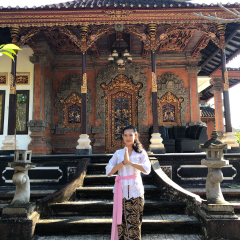
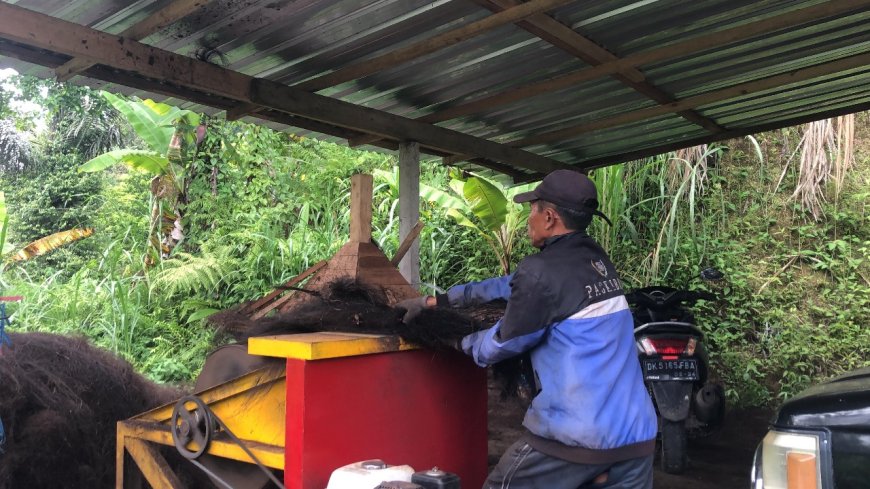
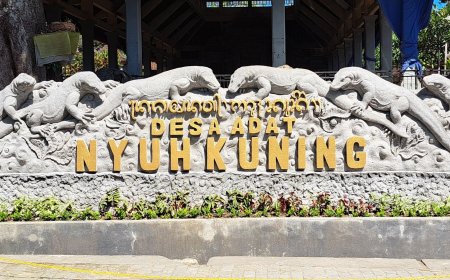
Bali, a tourism destination known for its natural beauty, cool traditions, and rich culture, presents a natural wonder that has become an inseparable element in the lives of its people, namely palm fiber. Sulangai Traditional Village, located in Badung Regency, Bali, is the base of palm fiber production that not only serves as a roofing material, but also as a mirror of the uniqueness and local wisdom embedded in each fiber.
Ijuk, the black fiber that grows between palm fronds, is not only a building material, but also an element that builds the identity of Sulangai Traditional Village. With its extraordinary resilience, palm fiber is not just a protection for the base of palm fronds, but a living heritage that characterizes this village. The reliability of palm fiber in lasting decades and its resistance to extreme weather make it the main choice in the sustainability of building traditions.
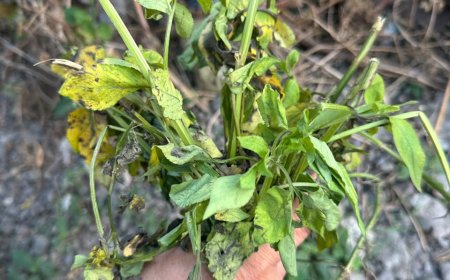
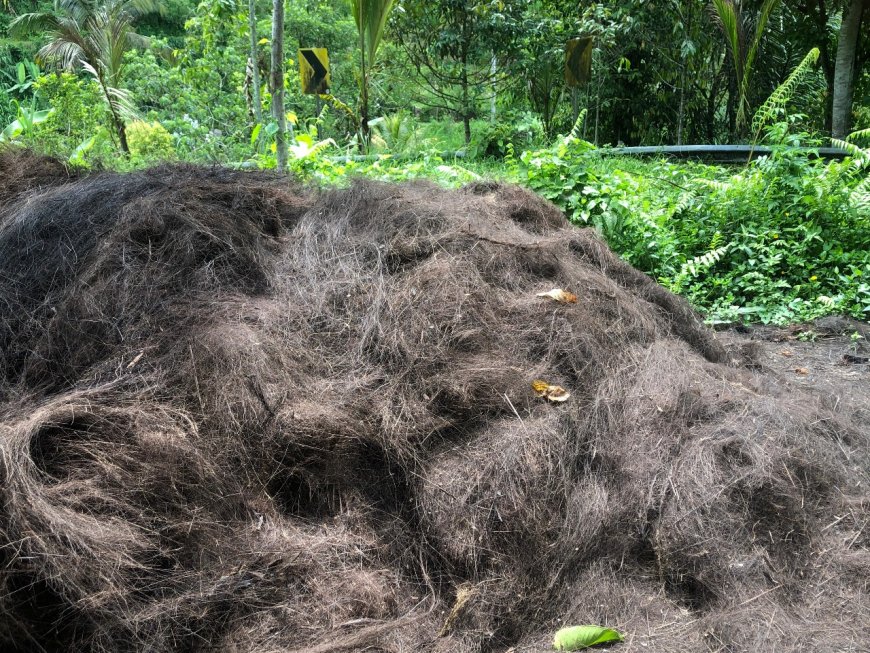 Unprocessed palm fiber (Photo Source: Personal Collection)
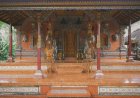
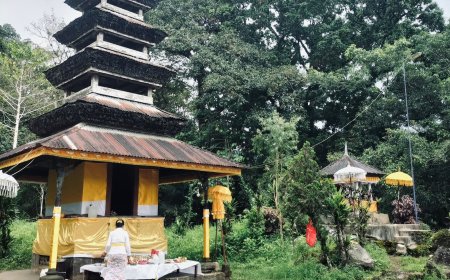
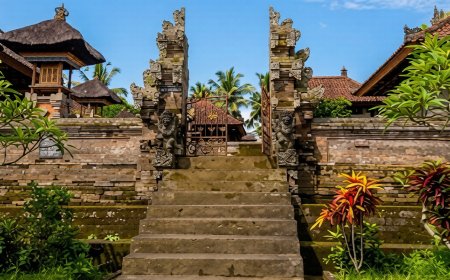
One of the main uses of palm fiber in Sulangai Traditional Village is as roofing material for the temple. The uniqueness and strength of palm fiber not only provides protection to sacred buildings, but also gives a traditional touch to temple architecture throughout Bali. Ijuk is an irreplaceable complement in creating harmony between environment, tradition and spirituality.
The process of making palm fiber in Sulangai Traditional Village relies on traditional processing techniques that have been passed down for generations. From the selection of raw materials to the formation of palm fiber sheets, each stage is carried out with care and expertise, maintaining the authenticity and quality of the fibers.
The process begins with the meticulous selection of raw materials. Palm or enau leaves are carefully selected to ensure the quality of the fibers produced. After that, the fibers are peeled, cleaned and separated using traditional techniques that have been passed down from generation to generation. The processed fibers are then naturally sun-dried, adding strength and resilience to the fibers.
Each step in the process requires a deep understanding of the characteristics of the raw materials and expertise in handling the fibers. This tenacity in maintaining the tradition of palm fiber processing ensures that each palm fiber sheet produced remains of high quality and meets the standards for various purposes, such as temple roofing materials and other traditional crafts.
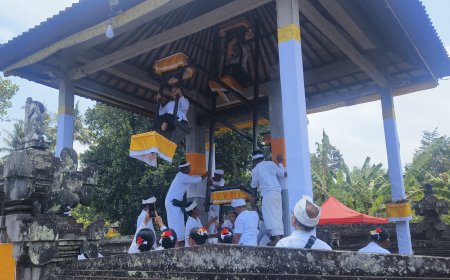
The palm fiber craftsmen in Sulangai Traditional Village are not only skilled in the manufacturing process, but also in fulfilling consumer desires. They not only produce high-quality palm fiber, but are also able to deliver and install it on the roof of the temple or sanggah according to the wishes and preferences of consumers. This reflects the fusion of local wisdom with modern needs, making palm fiber not only a functional material but also an expression of local values that continue to be preserved and cherished.
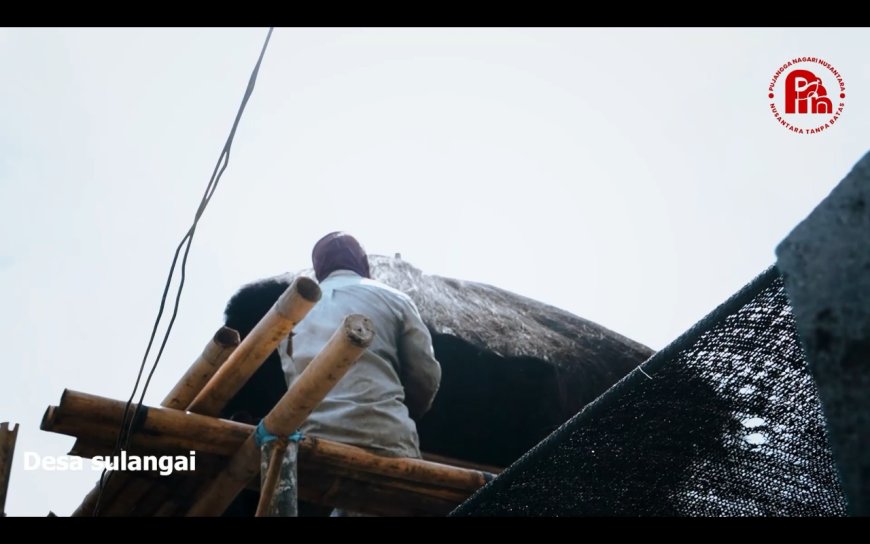
Palm fiber installation process on the roof of Sanggah in Bali (Photo Source: Kanal Pujangga Nagari Nusantara)
More than just a natural fiber, palm fiber in Sulangai Traditional Village contains within itself cultural values and local wisdom. The process of making and using it in daily life is a mirror of the harmonious relationship between humans and nature. Ijuk carries within itself the essence of cultural heritage that is proudly guarded by the people of Sulangai Traditional Village.
Thus, each piece of palm fiber is not only a part of a roof or craft, but also a long story of natural wealth and local wisdom that continues to live and develop in the sustainability of Balinese tradition and culture.